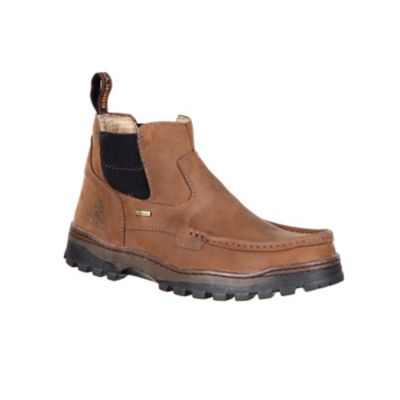
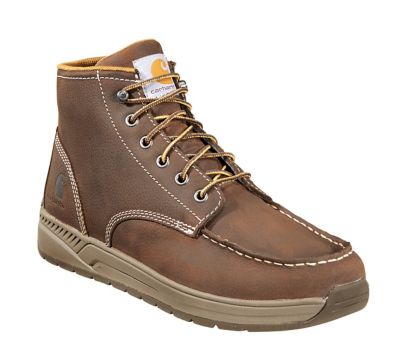
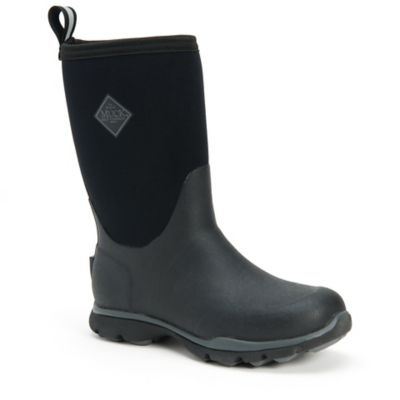
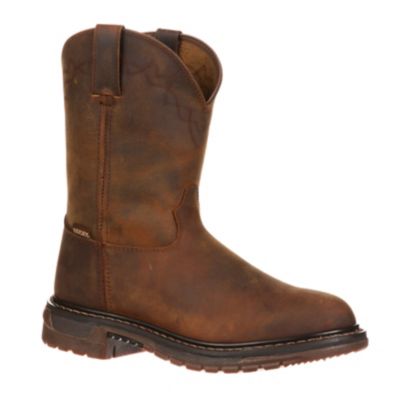
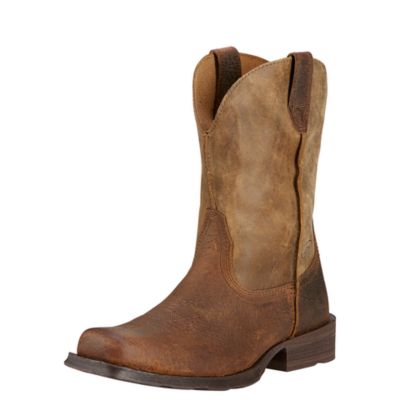
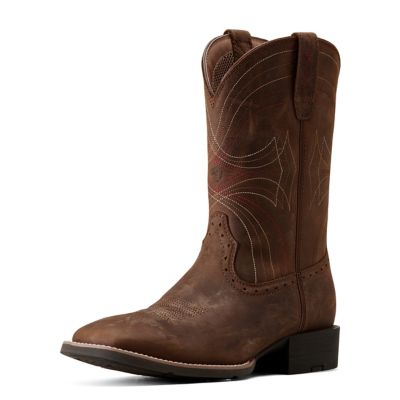
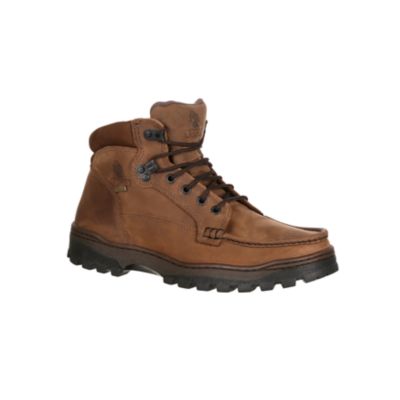
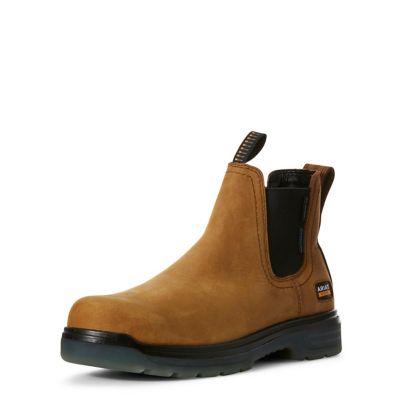
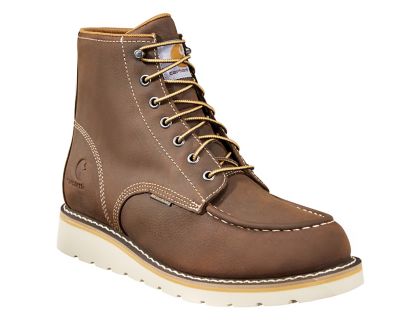
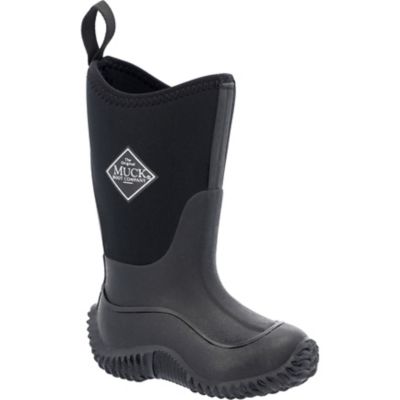
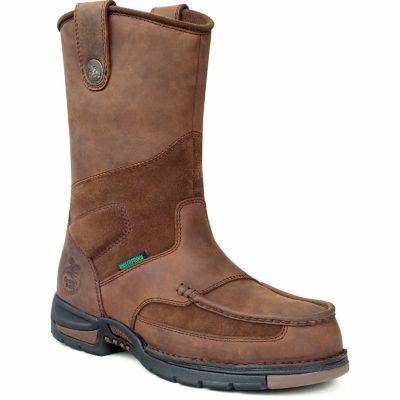
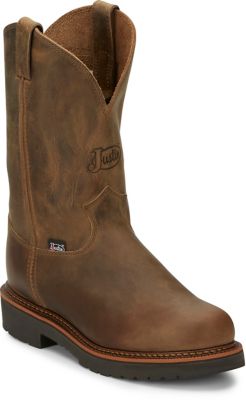
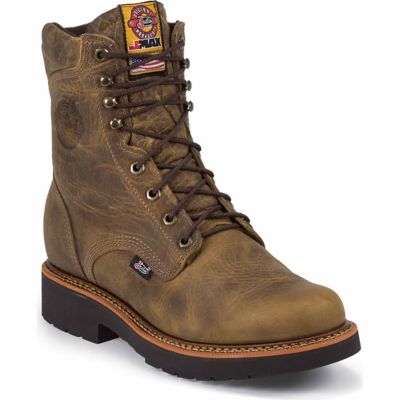
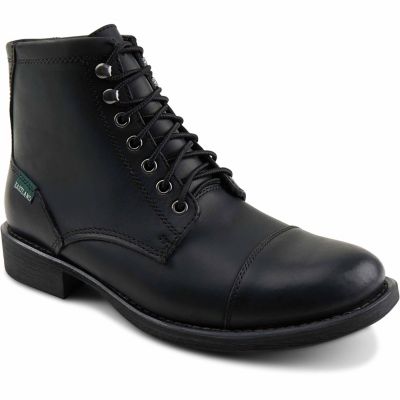
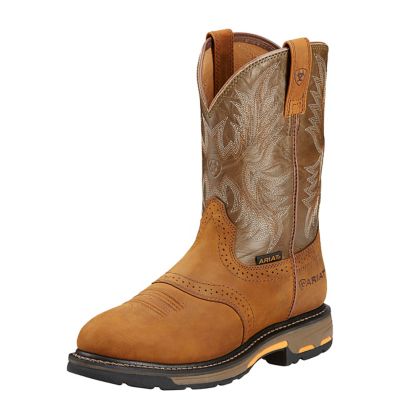
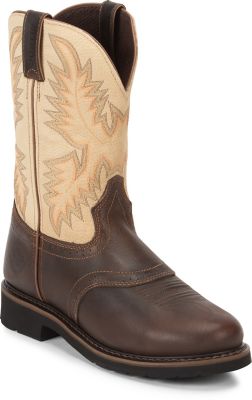
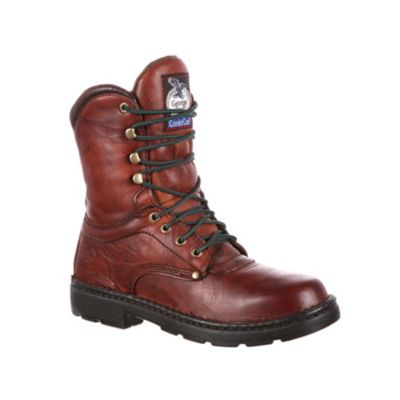
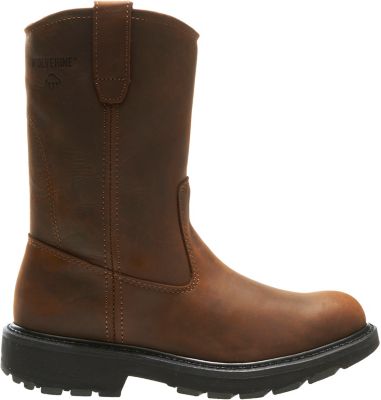
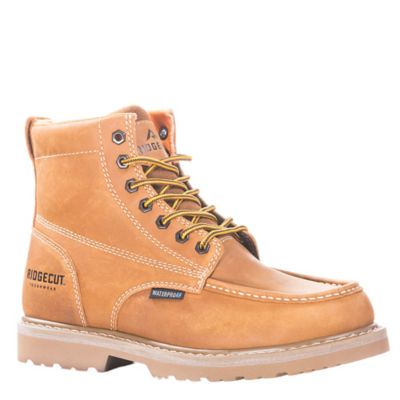
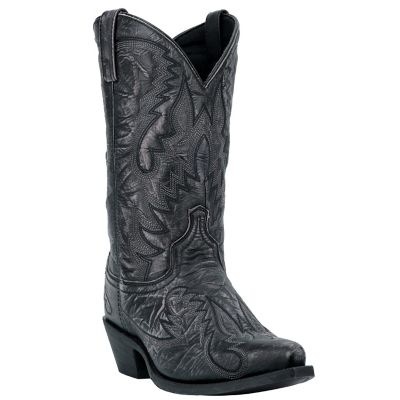
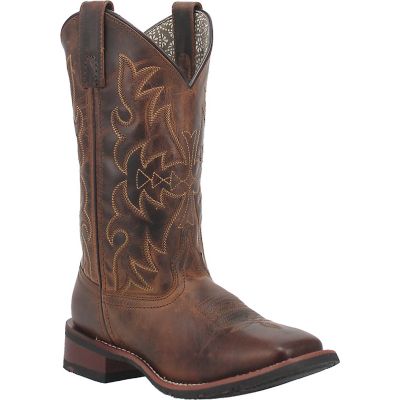
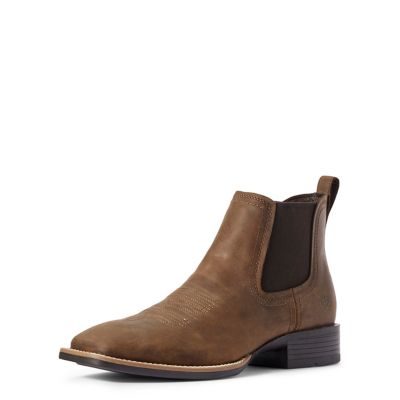
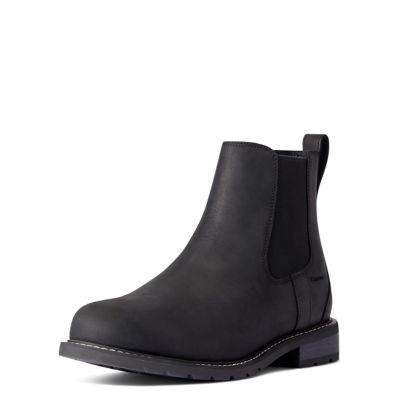
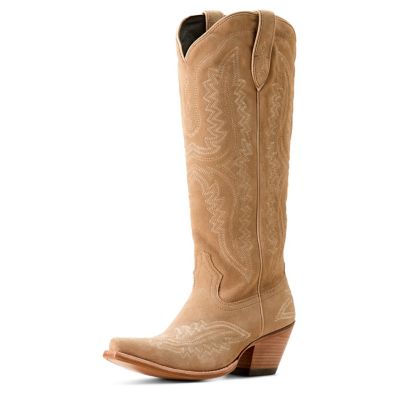
Casual boots are everyday footwear made for comfort, easygoing style, and the kind of steady wear that carries you from the driveway to town and back home again. They bring a little more coverage and support than a regular shoe while still working with jeans, work pants, chinos, or everyday layers. Depending on the design, casual boots may be low-profile ankle boots, lace-up styles, slip-on boots, or rugged pairs with a heritage look. Chukka boots are a simple choice for a neat, low-cut profile, usually with a short shaft and two or three pairs of eyelets. Their clean shape works well with denim or khakis and can move from a casual workday to dinner without looking out of place. Chelsea boots have elastic side panels and no laces, making them handy when you want to get out the door without fuss. They offer a tidy silhouette and are easy to pair with everyday outfits. Moc-toe boots are known for the curved stitching around the toe and a sturdy, traditional appearance, while service-inspired boots have a streamlined lace-up design that fits naturally with jeans, canvas pants, and other casual clothing. Each style has its own feel, so consider where the boots will be worn most often. Someone walking across pavement, visiting the feed store, or handling errands may prefer a lighter pair with flexible cushioning. Someone spending time around a barn, workshop, or gravel drive may appreciate a taller shaft, firmer support, and a sole built for dependable footing. Casual boots also make thoughtful gifts for a spouse, parent, grown child, coworker, or friend who appreciates useful things that can be worn often. For a gift, neutral colors and familiar silhouettes are generally easy to work into an existing wardrobe, while a recipient who spends long hours on their feet may value comfort features more than a particular look.
Material plays a big part in how casual boots feel, wear, and hold up through the seasons. Full-grain leather is valued for its strength, natural texture, and ability to develop a worn-in character over time. A well-kept leather boot may show small marks from daily use, but those marks can become part of its story rather than a reason to retire it. Leather usually benefits from brushing away dirt, allowing moisture to dry naturally, and applying a suitable conditioner from time to time so the material does not become overly dry or stiff. Suede has a softer, napped surface and brings rich texture to cooler-weather outfits, though it needs a little extra care. A suede brush can lift away surface dirt, and a protective spray made for suede can help guard against light moisture and staining. Textile, synthetic, and mixed-material uppers may offer easy care, lighter weight, or added flexibility, making them useful for everyday walking and travel. Check the construction around the seams, eyelets, pull tabs, and heel, especially if the boots will see regular outdoor use. A comfortable fit should leave enough room for the toes to move without letting the heel slip excessively. Try boots with the socks you expect to wear, and remember that thicker socks can change the fit during cooler months. Break-in time varies by material and construction; firm leather may soften with wear, while flexible uppers often feel comfortable sooner. Look for cushioning under the heel and forefoot, a supportive insole, and a shaft that does not rub the ankle. If you are between sizes, pay attention to the store’s fit information and consider whether the boot is designed to be worn with a roomy everyday fit or a closer, dressier fit. A pair intended for long walks should bend naturally near the ball of the foot, while a sturdier outdoor style may feel more structured and protective.
The sole affects both comfort and confidence, particularly when paths turn wet, frosty, muddy, or uneven during the cooler months. Lugged rubber soles have raised tread that can help provide traction on loose gravel, packed dirt, and damp surfaces. They are a practical choice for folks who move between pavement, grass, and rougher ground, though deep tread can feel heavier than a smooth sole. Wedge soles have a flatter profile that spreads weight across the foot and can feel comfortable during long hours on hard pavement, shop floors, or concrete. Other rubber outsoles balance flexibility and grip for everyday walking, commuting, and casual wear. Consider the surfaces around your home and workplace, along with how much time you spend standing. Water-resistant construction can be useful for light rain, wet grass, and ordinary outdoor chores, but no casual boot should be treated as completely waterproof unless the product is specifically designed and labeled for that purpose. Let damp boots dry away from direct heat, which can cause leather and adhesives to crack or separate, and remove loose dirt before storing them. Keeping a shoe brush, clean cloth, and appropriate care product nearby makes routine maintenance simple. Storage matters, too: give boots room to air out, and use paper or boot forms if you want to help them hold their shape. For those who need a little more utility from everyday footwear, browsing
Casual Work Shoes can help compare other comfortable options for job sites, errands, and long days on your feet. The best casual boots are the ones that fit your routine without making a fuss—comfortable enough for a morning walk, dependable enough for a trip through the yard, and presentable enough for meeting friends when the day’s work is done.