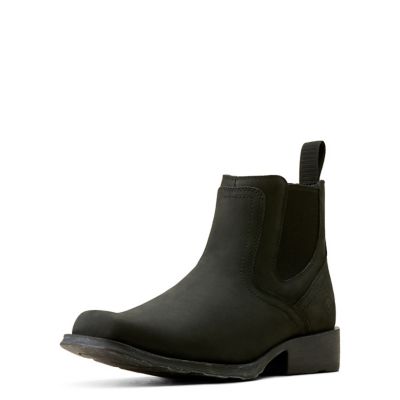
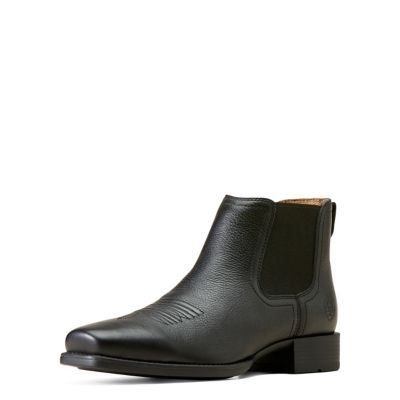
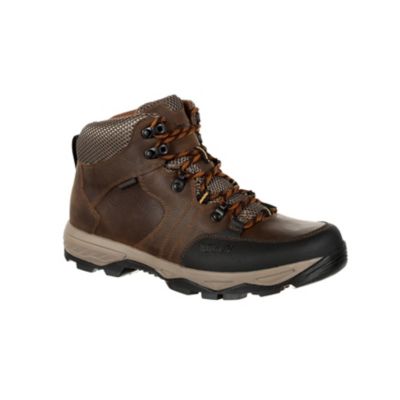
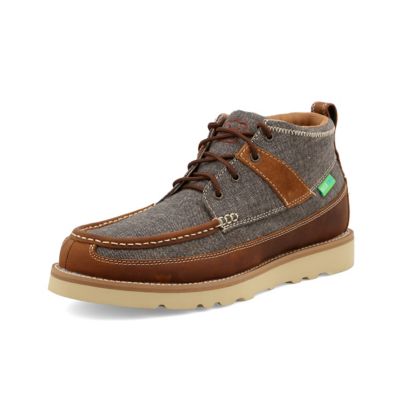
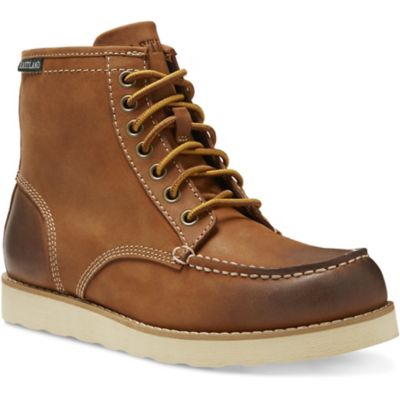
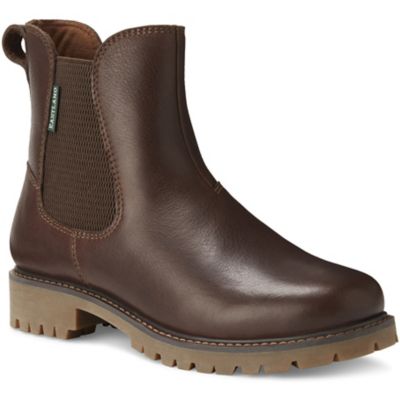
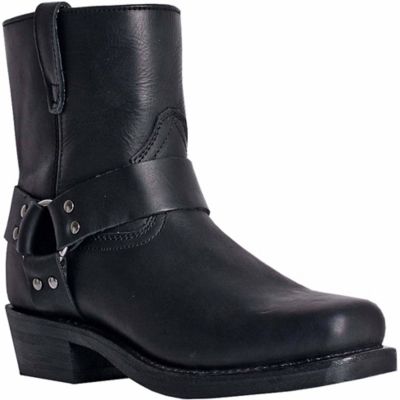
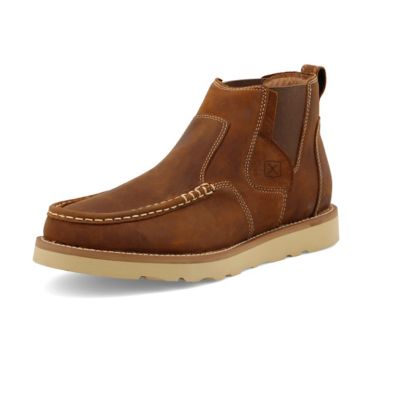
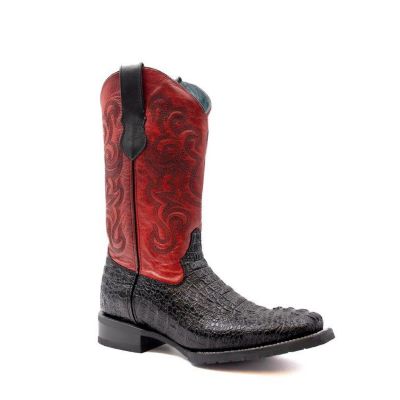
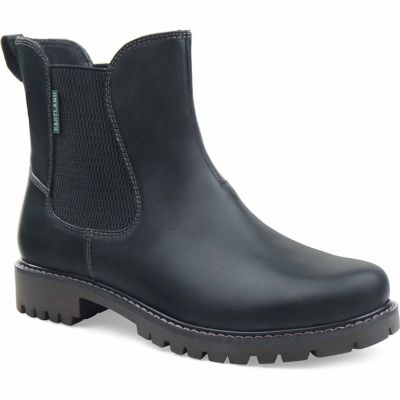
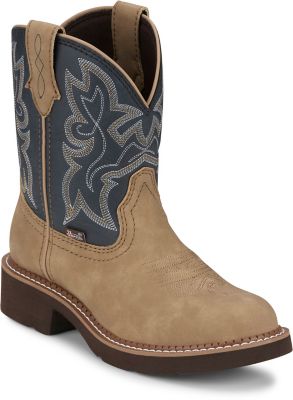
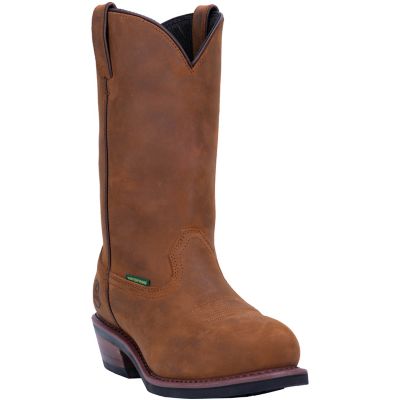
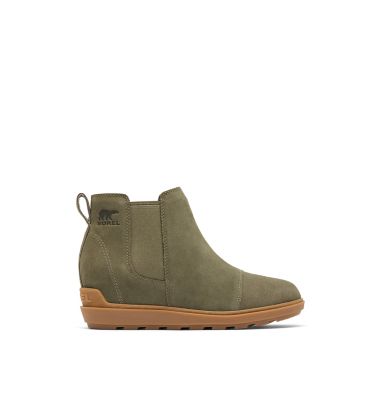
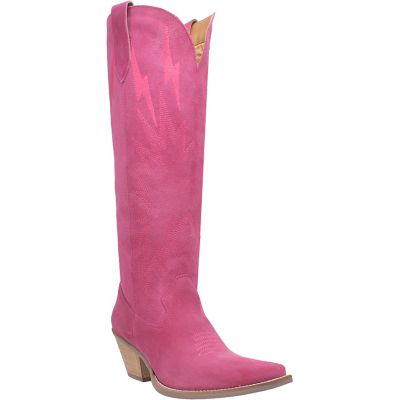
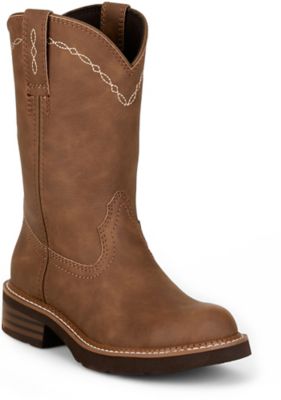
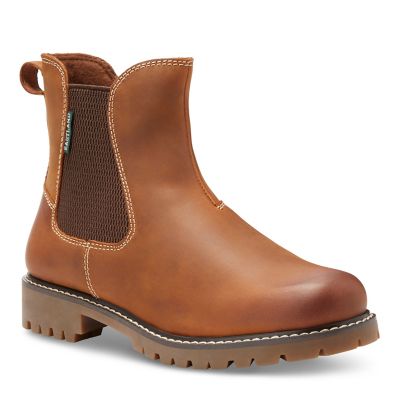
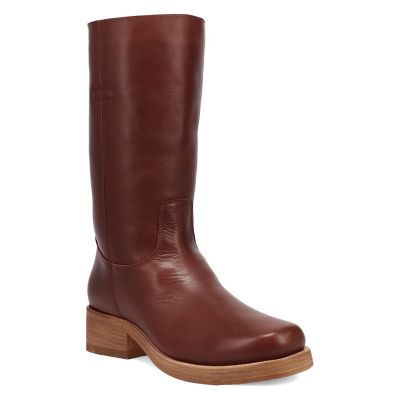
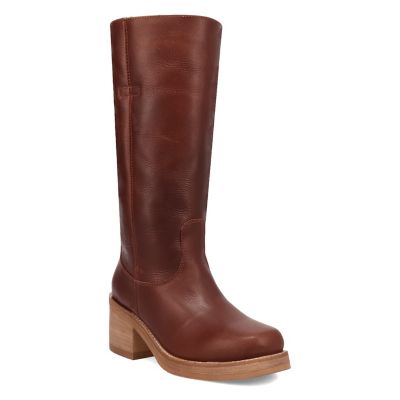
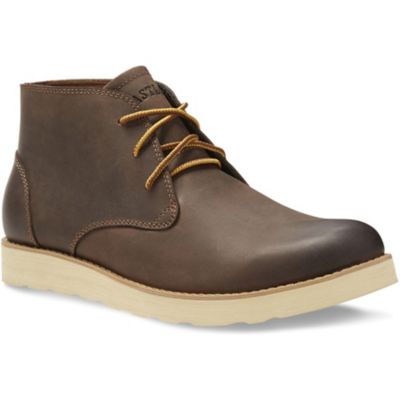
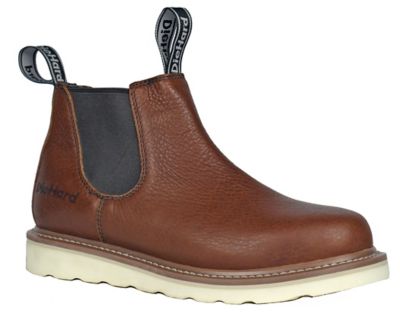
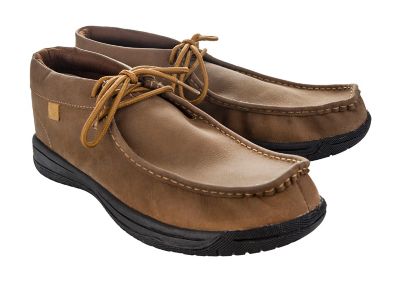
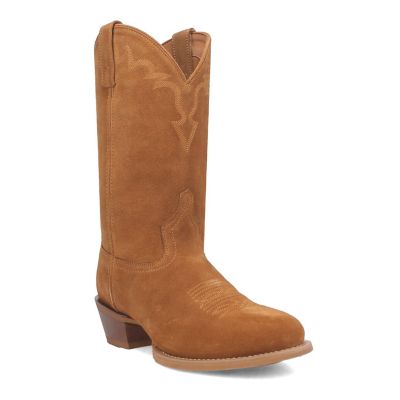
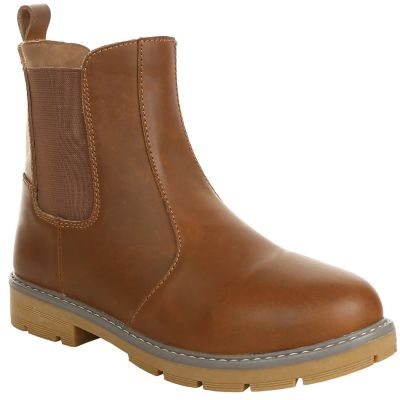
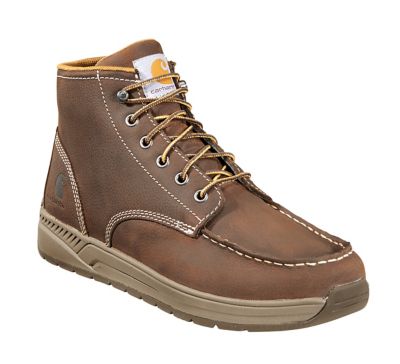
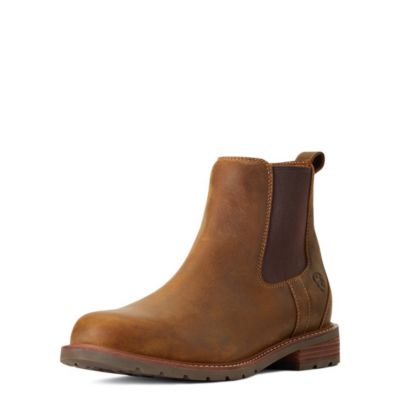
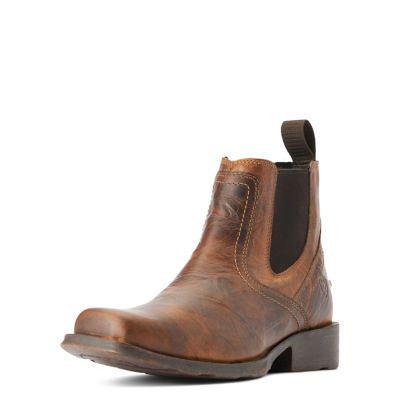
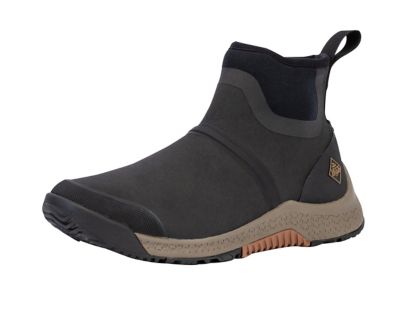
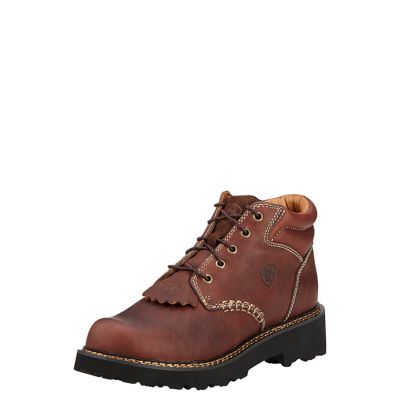
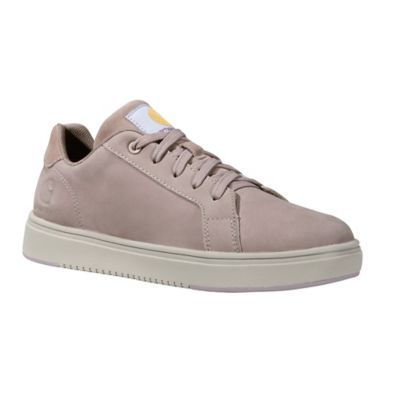
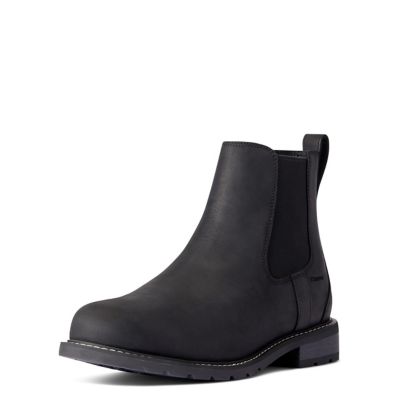
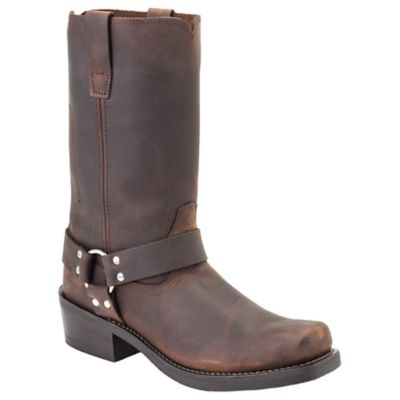
Casual leather boots fit the kind of day that starts with a stop at the feed store and ends with supper in town. They bring more coverage than a low-cut shoe and a more relaxed look than a dress boot, making them a practical match for jeans, chinos, and everyday layers. The category covers several familiar shapes, including slip-on Chelsea boots with elastic side panels, lace-up ankle boots, simple chukkas, and pull-on styles with a Western influence. Chelsea boots keep things straightforward when getting out the door, while laces let you adjust the fit across the instep. Chukkas usually have a lower ankle height and fewer eyelets, giving them a lighter-looking profile. A rounded toe leaves a relaxed impression; an almond-shaped toe and a slimmer sole can look a little sharper without feeling out of place at a family get-together. Leather finish makes just as much difference as the shape. Smooth leather pairs easily with a tucked-in shirt, while an oiled or waxed finish often has a more broken-in appearance. Full-grain leather retains its natural grain surface, including small markings that give the material character. Top-grain leather is often sanded or buffed for a more even appearance, and suede has a raised nap that brings a softer texture. These descriptions explain the surface and processing, but they do not tell the whole story about how a boot will fit or hold up. Leather thickness, stitching, sole attachment, and care all play a part. Brown shades work well with blue denim and earth-toned clothing, while black can bridge casual outfits and slightly dressier plans. Scuffs may blend into a textured finish more readily than a polished one, though every leather needs care suited to its treatment. For everyday wear, the best match is a shape and finish that feel at home with the clothes already hanging in the closet.
Comfort in casual leather boots comes from the whole fit, not just a soft footbed. The toes need room to rest naturally without pressing against the front or sides, and the widest part of the foot should sit comfortably within the widest part of the boot. A secure instep helps keep the foot from sliding forward, especially in pull-on styles that cannot be tightened with laces. A small amount of heel movement can occur in a new pull-on boot, but persistent slipping, rubbing, or toe pressure points to a fit worth reconsidering. Leather may soften and give slightly with wear; it should not need to stretch enough to correct a cramped toe box. Trying boots with the socks normally worn with them gives a better sense of everyday fit, and checking both feet matters because one may be larger than the other. Width choices can be as important as length, particularly for someone who spends much of the day on their feet. Underfoot construction deserves attention, too. A cushioned footbed can soften each step, while a supportive shape and stable heel help the boot feel settled during walking and standing. Removable insoles leave room for compatible inserts, provided the boot has enough interior space. Rubber outsoles often suit pavement, packed paths, and gravel, with tread depth affecting how the sole meets each surface. Deep lugs have a heavier appearance and can collect dirt; shallower tread generally looks cleaner with everyday clothing. Some welted constructions allow a worn sole to be replaced, depending on the design and a cobbler’s assessment. Cemented construction bonds the sole to the upper and can offer a lighter, more flexible feel. Neither method alone determines how comfortable a boot will be. For errands, travel days, desk work, or an evening at the county fairgrounds, casual boots can make sense. Jobs involving crush hazards, punctures, or other workplace risks call for footwear with the required safety features rather than a casual look alone.
Regular care helps leather boots keep their shape and stay presentable through repeated wear. Dust and grit left along the stitching or welt can act like an abrasive, so a soft brush or cloth is useful for routine cleaning. Smooth leather generally benefits from a cleaner and conditioner meant for its particular finish, applied according to the maker’s directions. Too much conditioner can darken leather or leave residue, and even a suitable treatment may change the color slightly. Testing a small, less visible area first helps avoid surprises. Suede and nubuck need their own brushes and care products rather than the creams intended for smooth leather. Polish can refresh the appearance of compatible smooth finishes, but it is not the right treatment for every surface. After cleaning, boots should air-dry away from direct heat, which can stiffen or damage leather. Letting a pair rest between wears gives interior moisture time to dissipate, and properly sized boot trees can help support the shape without forcing the leather outward. A shoehorn can also ease the heel into place without repeatedly crushing the back of the boot. Over time, checking heel wear, separating edges, and loose stitching makes it easier to address small repairs before they become larger ones. That attention is especially worthwhile for a pair that gets worn on nearly every trip into town. Casual leather boots also make a thoughtful gift for someone whose usual style and footwear size are well known, whether that person favors straight-leg jeans, a simple skirt, or a shirt and chinos. Familiarity with the recipient’s preferred width, toe shape, and fastening style matters more than guessing from appearance alone. For a lower-cut option with a similarly easygoing feel,
Casual Leather Shoes For Women can round out an everyday footwear rotation. Whether chosen for a gift or a personal wardrobe, leather boots earn their place through a comfortable fit, suitable construction, and a style that feels natural from the first stop of the day to the last.