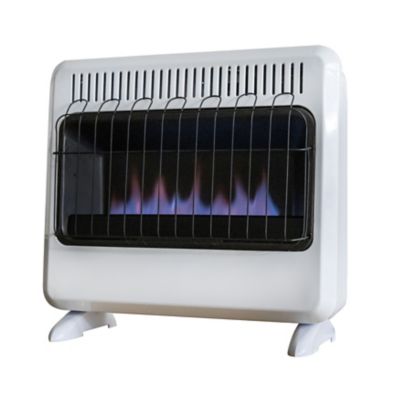
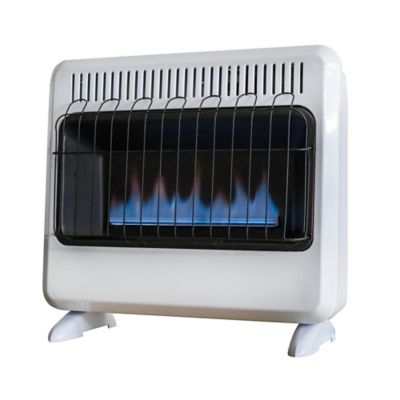
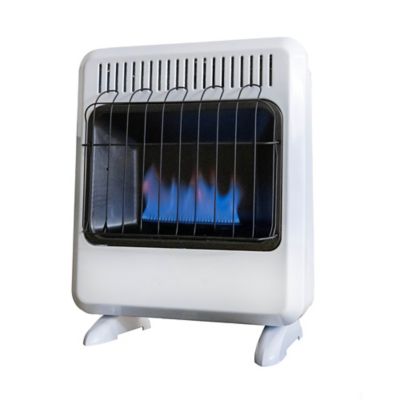
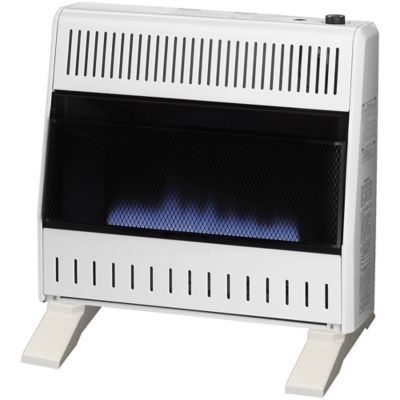
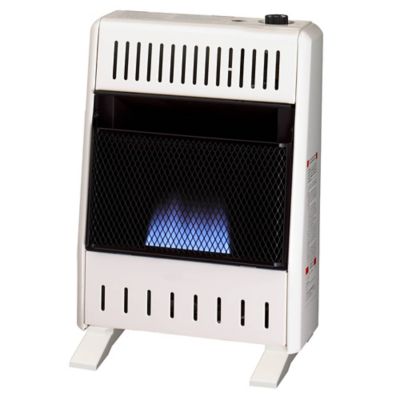
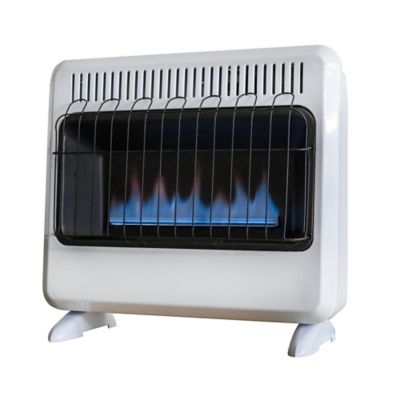
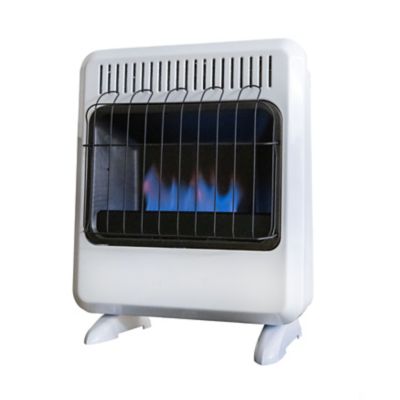
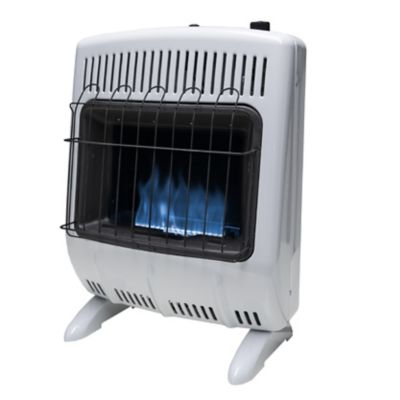
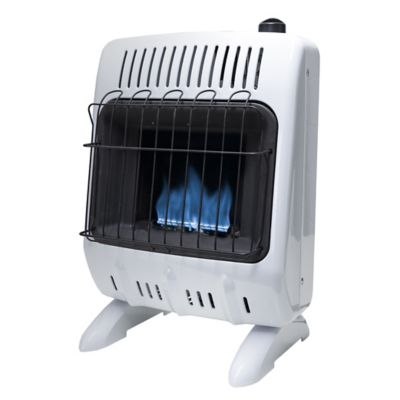
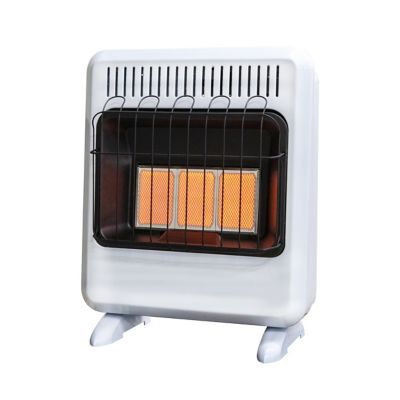
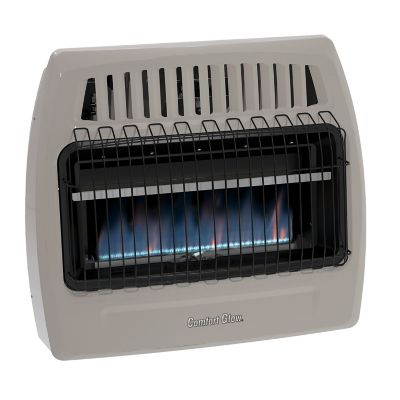
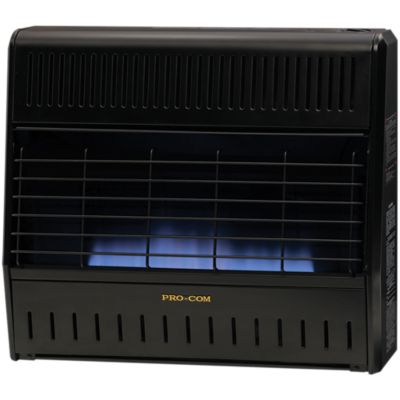
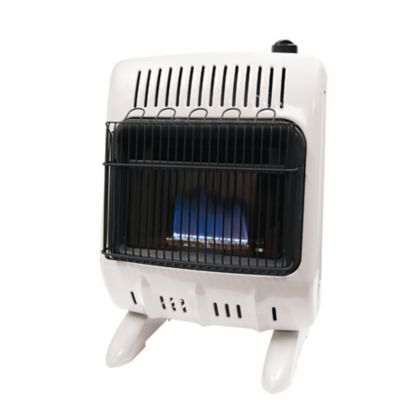
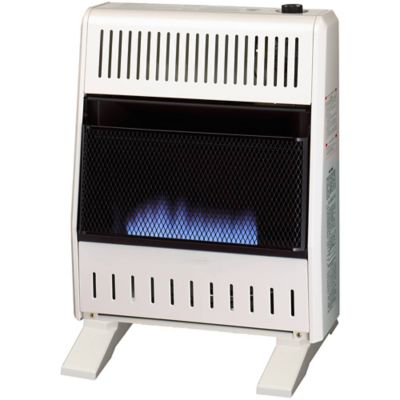
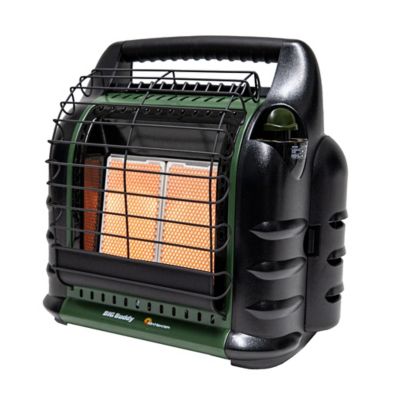
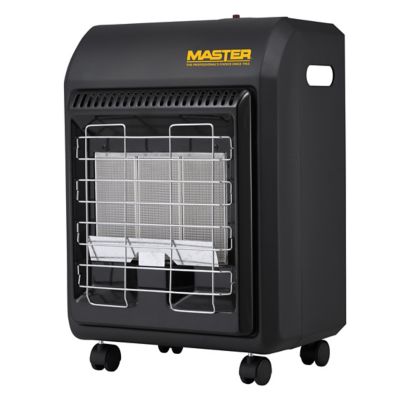
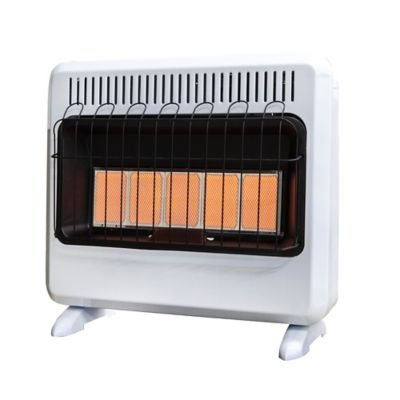
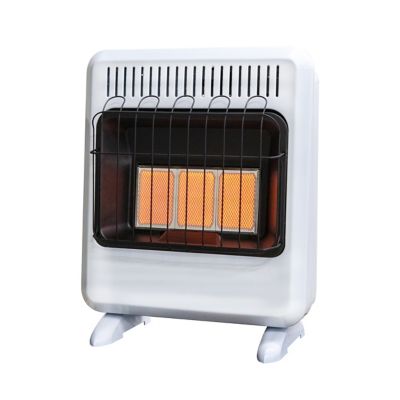
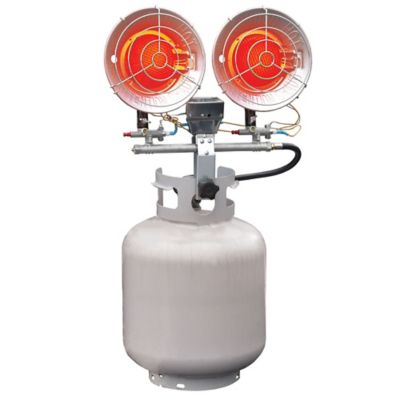
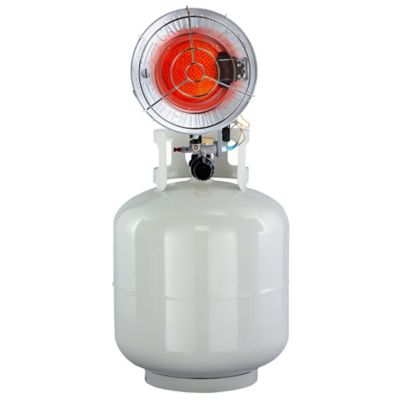
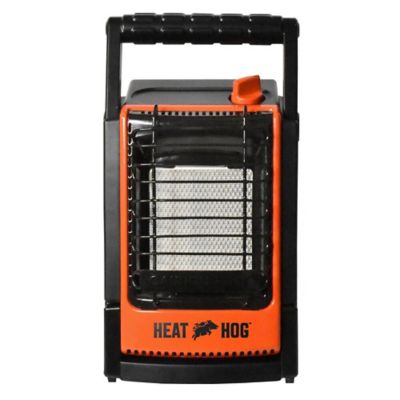
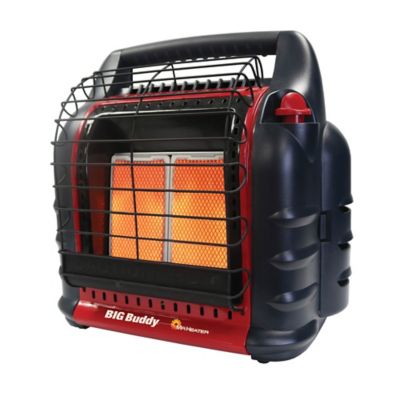
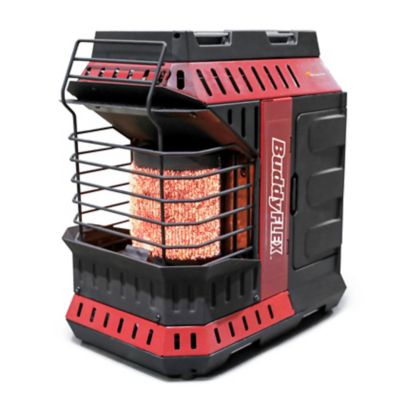
A blue flame propane heater provides supplemental room heat by warming the air through convection. The burner produces a blue flame, and the heated air rises and circulates through the space rather than directing most of its heat at people or objects immediately in front of the heater. That makes this style worth considering for an approved living area, cabin room, or enclosed workspace where steady room warmth matters more than a concentrated hot spot. Many blue flame propane heaters are vent-free, meaning they release combustion gases into the room instead of sending them outdoors through a flue. That design does not eliminate ventilation requirements, and suitability depends on the heater’s instructions, the room, and local rules. Compared with radiant propane heaters, which deliver more direct warmth to nearby surfaces, blue flame models rely more on air movement to spread heat. The difference can matter in a farmhouse sitting room where people gather in several chairs, rather than around one spot beside a workbench. Thermostat controls, where included, help manage burner operation as the room reaches the selected setting; other designs offer a choice of heat levels. Metal cabinets, protective grilles, and heat-resistant finishes are common construction features, while the control layout and flame-viewing area vary by design. Those details affect how the heater fits into everyday routines, from checking the burner to reaching the controls without leaning over a hot surface. A grille provides a barrier, but it does not make the heater safe to touch while operating. For households looking to take the chill out of a frequently occupied room, the appeal is straightforward: propane heat close to where it is needed, with operating features suited to the space. These heaters are supplemental appliances, not an automatic replacement for a properly sized whole-house heating system, and an open doorway does not guarantee that neighboring rooms will receive the same warmth.
Heating capacity is generally expressed in British thermal units per hour, often shortened to BTU per hour. A higher rating means greater heat output, but the right fit depends on more than floor area. Ceiling height, insulation, window size, air leakage, and the difference between indoor and outdoor temperatures all affect the heat a room needs. A tight, insulated room with an eight-foot ceiling presents a different load than a drafty space with tall ceilings and several exterior doors. Published square-foot coverage figures are estimates under particular conditions, not a promise for every building. For vent-free heaters, the room must also meet the manufacturer’s minimum space and combustion-air requirements; selecting a smaller heater does not automatically make a small enclosure suitable. Wall-mounted and floor-standing arrangements offer different ways to fit the appliance into a room. Wall mounting can leave more floor space open, while a floor-standing installation requires the approved base or feet and a stable location. Neither arrangement removes the need for specified clearances above, beside, and in front of the heater. Curtains, coats, upholstered furniture, stacked boxes, and the woodpile by the back door all need room away from hot surfaces. Fuel connections deserve just as much attention as the cabinet dimensions. A heater intended for propane requires the correct propane supply pressure, regulator arrangement, piping, and connections stated by its manufacturer. A connection to a stationary tank is not interchangeable with every portable-cylinder setup, and adapters alone do not establish that an installation is suitable. Propane cylinders belong outdoors, not in the room with the heater. A qualified installer can assess the gas supply, mounting location, ventilation, and applicable codes together. For a smaller approved space,
Small Propane Heaters offers another related category to consider, with the same attention to heat output, clearances, and intended location. Cabinet size is only one part of finding a heater that belongs in the space.
Many blue flame propane heaters can operate their main burner without household electricity, which can be helpful when supplemental warmth is needed during a power interruption. Ignition may come from a battery-powered system or a piezo spark mechanism, depending on the design. An optional circulating blower may still require electricity, so burner operation and fan operation are separate considerations. Power-free operation does not mean unrestricted indoor operation. Vent-free propane heaters commonly have an oxygen depletion sensor, or ODS, that shuts off the gas supply when oxygen falls below its designed threshold. An ODS is not a carbon monoxide detector and does not monitor every combustion hazard. Working carbon monoxide alarms, appropriate ventilation, and adherence to installation and operating instructions remain essential. Some jurisdictions restrict vent-free appliances, and bedrooms, bathrooms, and other locations may be prohibited by local rules or the heater’s listing. Spaces containing gasoline, paint thinner, airborne dust, or other combustible vapors call for particular care and may not be suitable at all. Propane combustion also adds water vapor to indoor air. In a tightly enclosed room, that moisture can contribute to window condensation, making ventilation and indoor humidity part of the fit assessment rather than an afterthought. Routine care centers on keeping the appliance and its air openings free of dust, lint, and pet hair according to the manufacturer’s directions, with cleaning performed only after the heater is shut down and cool. A home with shedding pets or a workspace where dust collects may call for more frequent attention. Burner, pilot, and gas-system service belongs with a qualified technician when required; repeated shutdowns, soot, or an unexpected change in flame appearance warrant stopping operation and arranging an inspection. Accessible controls and a location clear of foot traffic help with everyday use, especially where children or animals share the room. The best match brings together suitable heat output, an approved installation, manageable upkeep, and room conditions that allow the heater to operate as intended—whether the space is a quiet reading corner or the room where everyone comes in after chores.