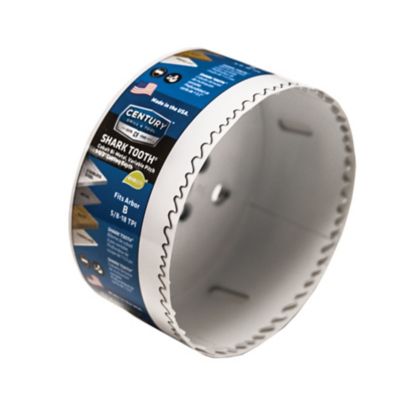
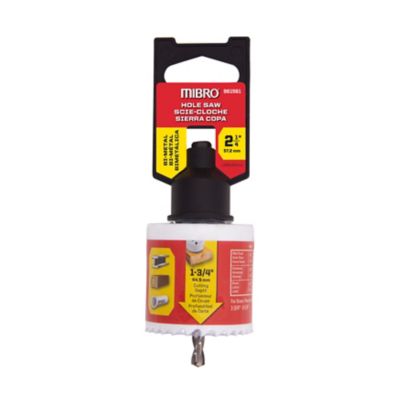
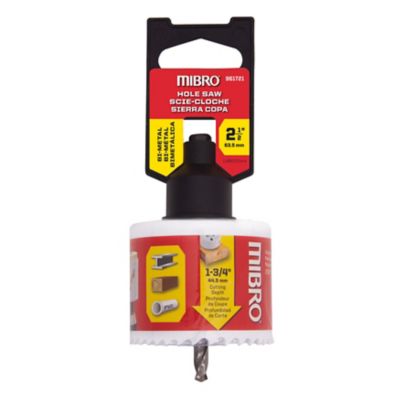
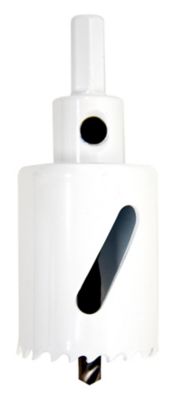
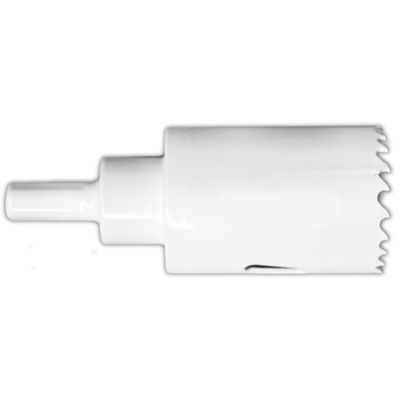
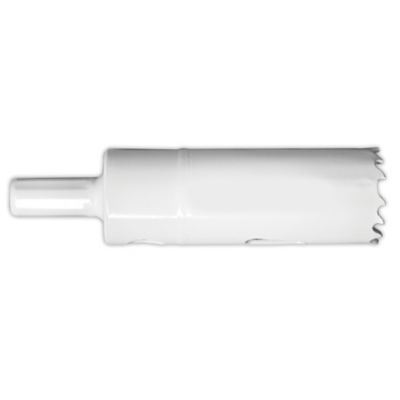
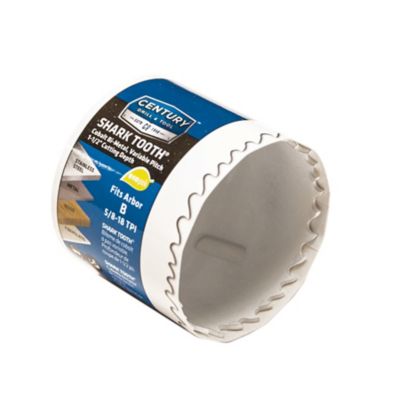
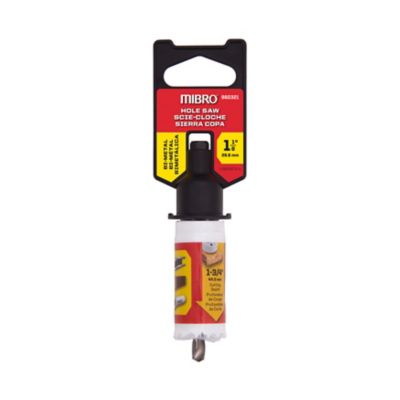
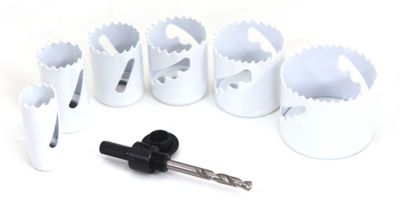
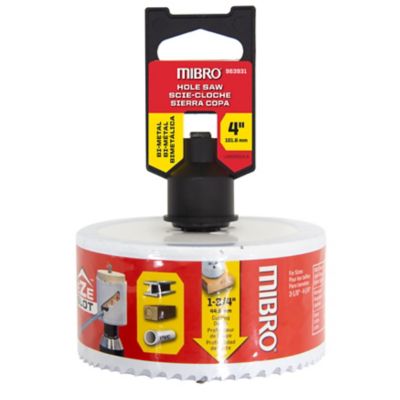
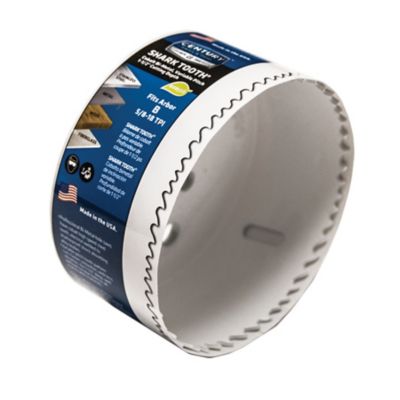
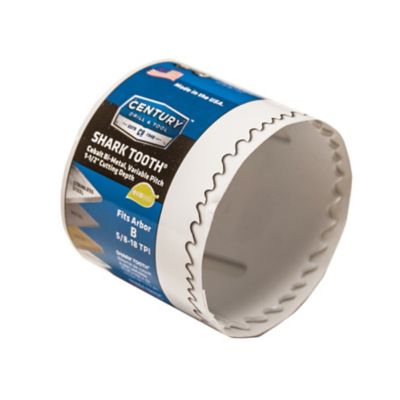
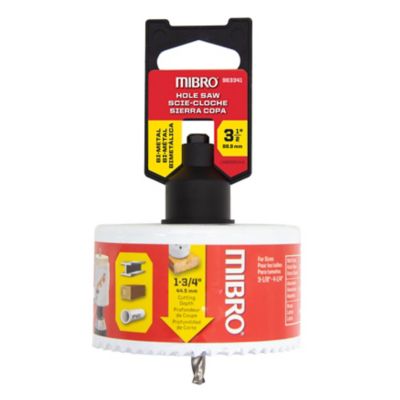
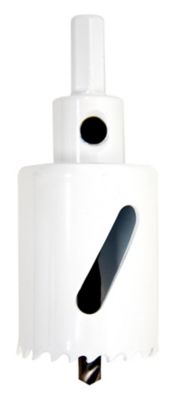
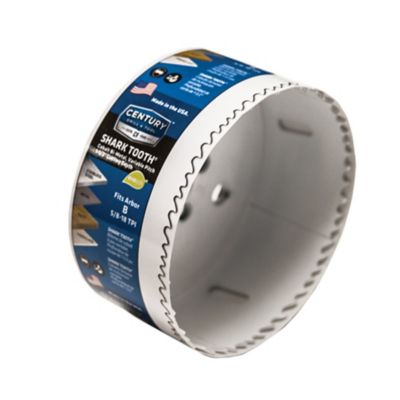
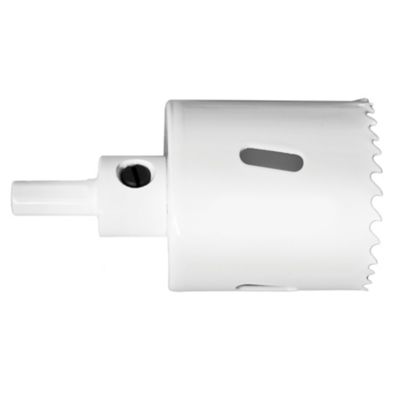
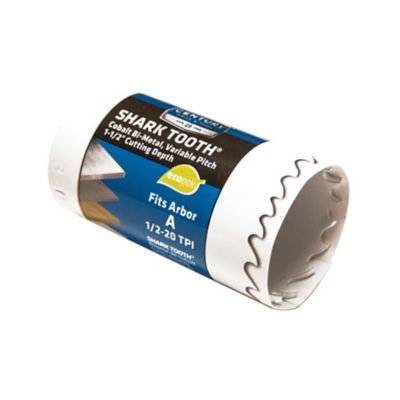
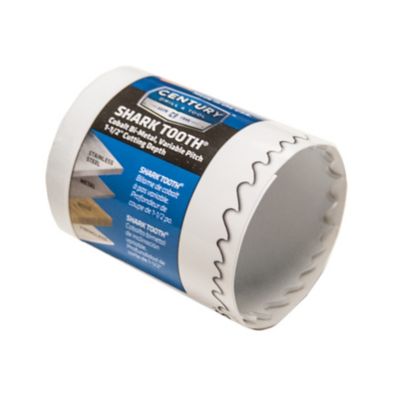
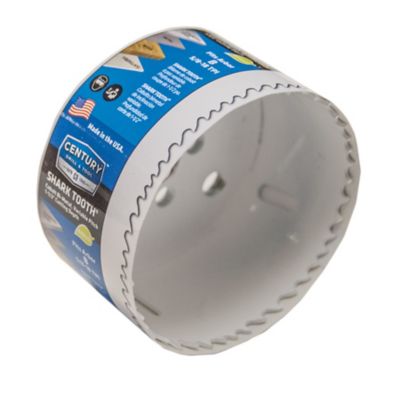
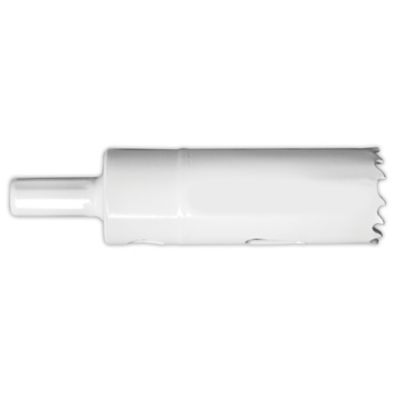
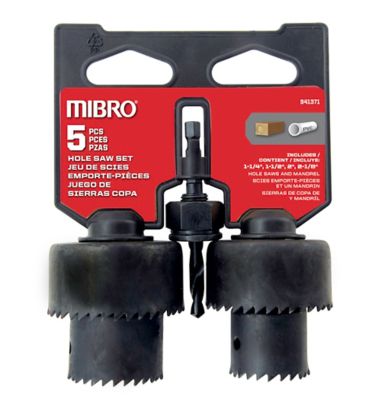
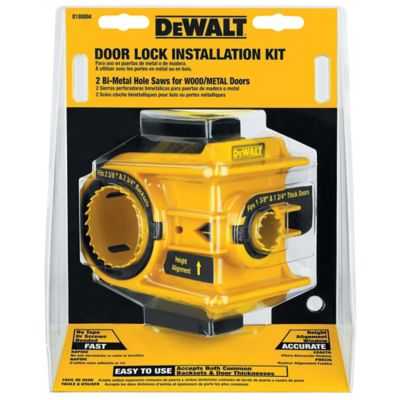
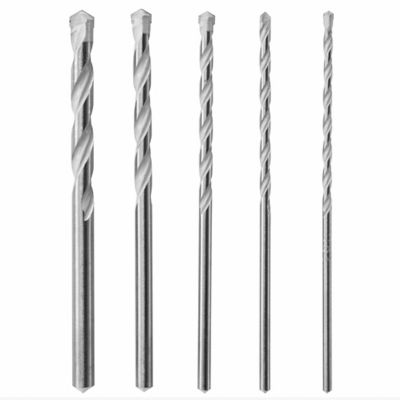
Bi-metal hole saws for metal are a dependable choice for making round openings in the shop, barn, garage, trailer, or jobsite. These saws combine a flexible alloy-steel body with high-speed steel teeth welded around the cutting edge. Many use cobalt-alloy high-speed steel teeth, which help them stand up to the heat and abrasion that come with cutting metal. This construction gives a bi-metal hole saw more toughness than a brittle, one-piece cutter while still providing a sharp cutting edge for clean, useful holes. They are commonly used on mild steel, stainless steel, iron, brass, aluminum, and other thin-to-moderate metal stock, though the best choice depends on the material’s hardness and thickness. A farmer may use one to add a pass-through for wiring on a utility trailer, install a fitting in a sheet-metal panel, or make room for conduit in a workshop project. Around the house, these saws are handy for plumbing, electrical, heating, ventilation, and repair work where a regular drill bit would leave a hole that is too small. Maintenance crews, fabricators, electricians, mechanics, welders, and do-it-yourselfers often keep several sizes close by because the right hole saw can save time when a clean opening matters. For smaller holes and pilot work,
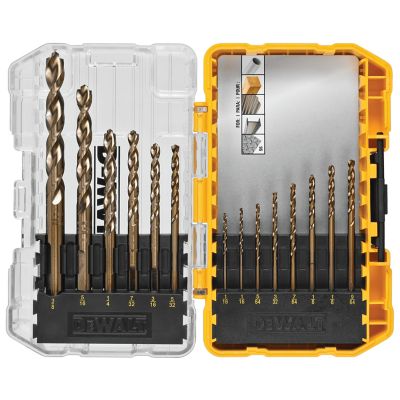
High Speed Steel Drill Bits For Metal can be a useful addition to the same toolbox. Bi-metal hole saws also make a practical gift for someone setting up a home workshop or rounding out a mobile tool chest. A set with commonly used diameters gives a new homeowner, handy neighbor, or working professional a useful range for future repairs instead of tying them to one particular project.
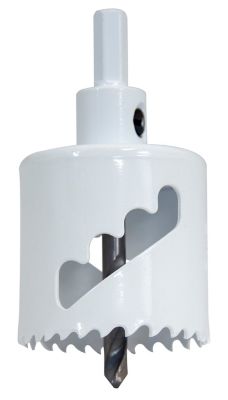
When choosing bi-metal hole saws for metal, start with the diameter of the opening and the thickness and type of material being cut. Measure the fitting, pipe, cable pass-through, or hardware that must go through the hole, and remember that the saw’s stated diameter is the approximate finished hole size. A set is often a sensible option for general repair work because metal projects tend to call for different sizes as the job changes. If the work is centered on electrical boxes, plumbing fittings, or mechanical repairs, look for a selection that includes the sizes used most often in those trades. Side openings or other access points in the saw body can make it easier to remove the metal slug after a cut, especially when working with thicker stock. A sturdy arbor and properly sized pilot drill help keep the saw centered as the teeth first contact the surface. Check that the arbor is compatible with the drill and hole saw diameter, and make sure the tool has enough power and a controllable chuck for the work at hand. The saw should match the material rather than being forced through every job. Thin sheet metal can cut quickly, while stainless steel and heavier steel demand more patience, steady pressure, and careful heat control. For work in a farm shop, where a project may move from a piece of galvanized sheet to a steel bracket or an aluminum panel in the same afternoon, a versatile bi-metal design offers a useful balance of durability and convenience. Store the saws dry and brush away metal chips after use. A little organization goes a long way when the weather turns cooler and indoor repair work starts piling up on the bench.
Safe, controlled cutting helps the teeth last longer and leaves a cleaner hole. Secure the work firmly before drilling; a loose panel can catch the saw and spin with surprising force. Wear eye protection to guard against sharp chips, and use hearing protection and gloves appropriate for the task, keeping loose clothing and long hair away from the rotating tool. Begin at a low speed with the drill held square to the surface. High RPMs create heat quickly, and excessive heat can dull the teeth, discolor the metal, or shorten the life of the saw. Cutting oil or another lubricant made for the material helps reduce friction, cool the cutting edge, and carry chips out of the cut. Apply it as needed rather than letting the saw run dry. Use firm, even pressure and let the teeth do the work; leaning hard on the drill can stall the motor, damage the arbor, or produce a rough opening. Once the saw breaks through, ease up to prevent grabbing on the far side. Stop periodically when cutting deeper material and clear the metal slug before continuing. If the slug is tight, disconnect power before removing it and use the saw’s access openings or a suitable tool rather than reaching near the teeth. Allow the cutter to cool between holes when necessary. With the right size, a compatible arbor, low-speed technique, and plenty of lubrication, bi-metal hole saws can handle the everyday metalwork that comes with maintaining equipment, improving a workspace, or finishing a repair before the next stretch of cold weather.