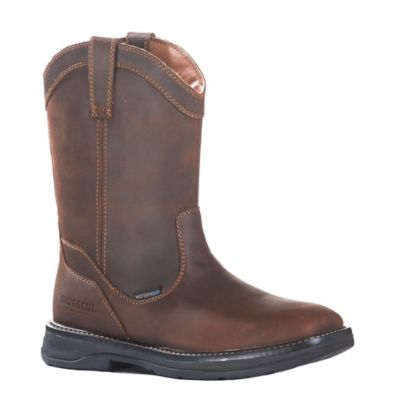
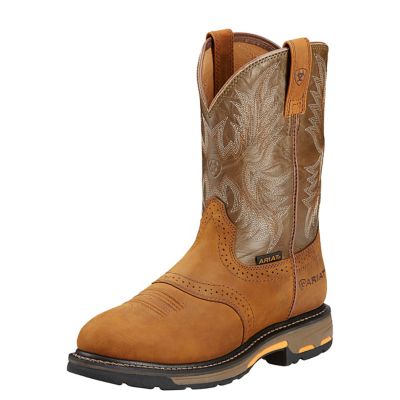
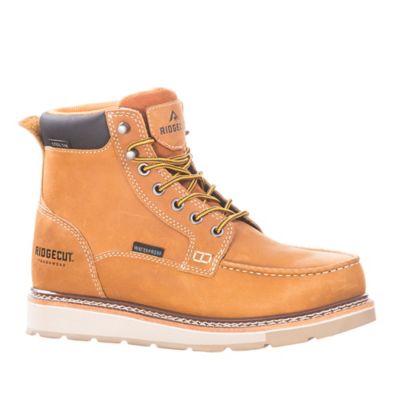
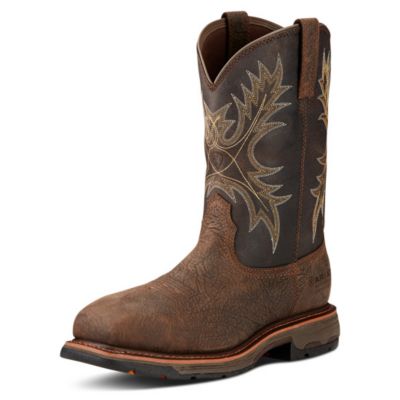
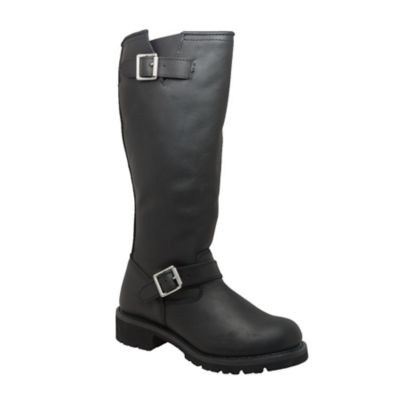
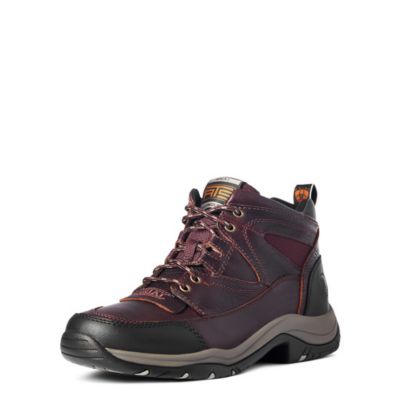
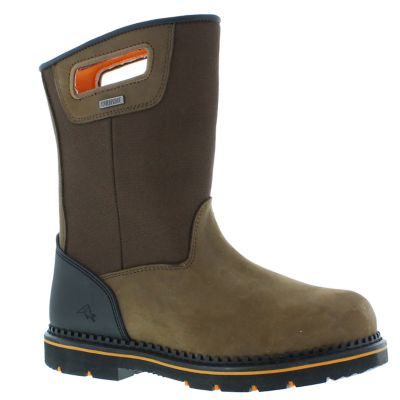
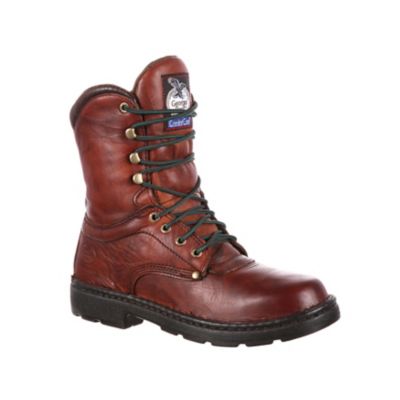
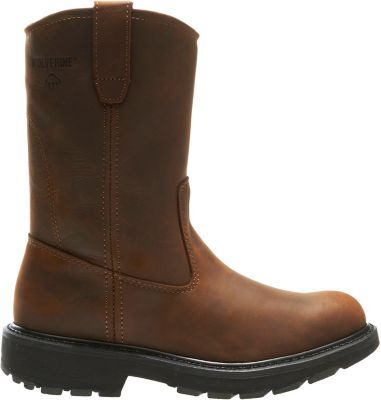
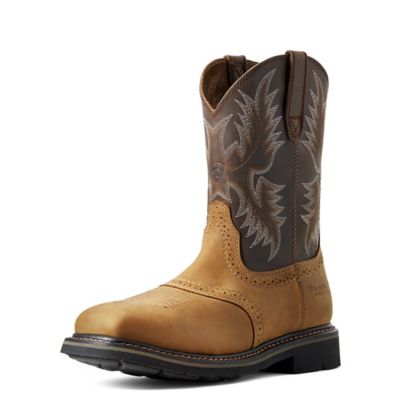
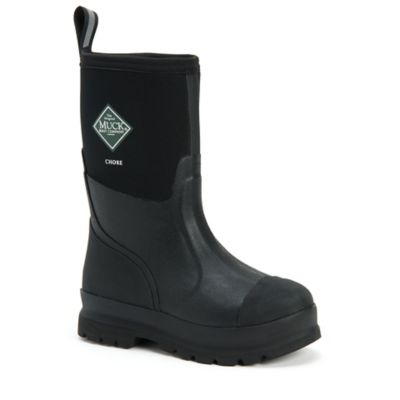
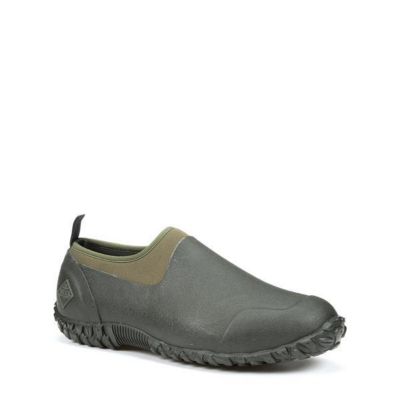
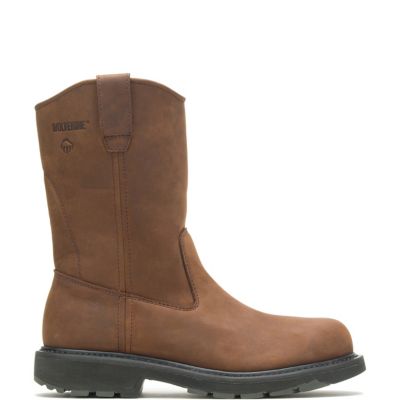
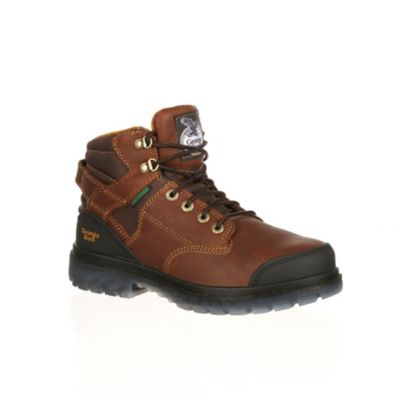
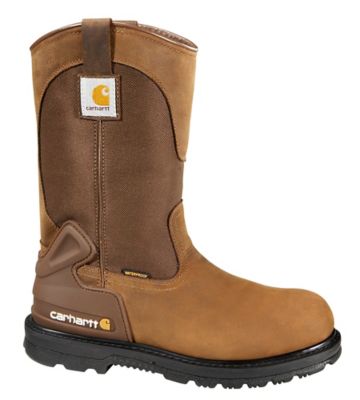
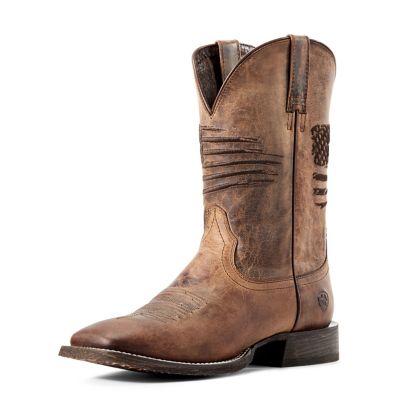
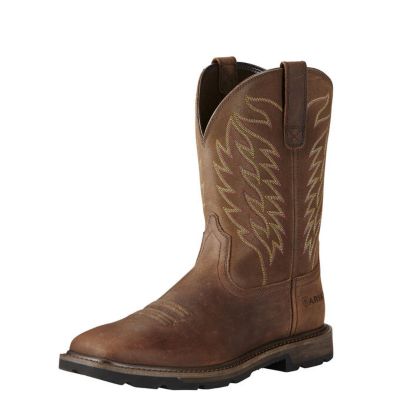
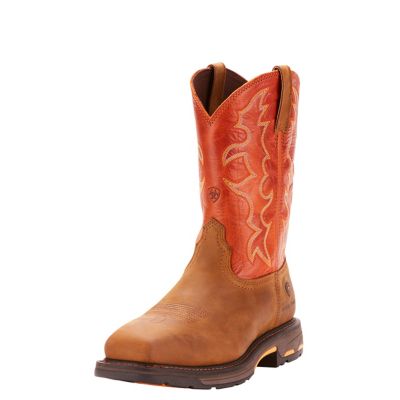
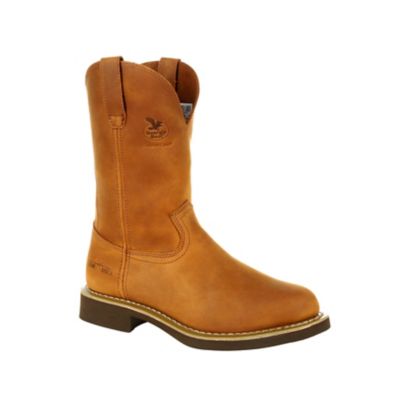
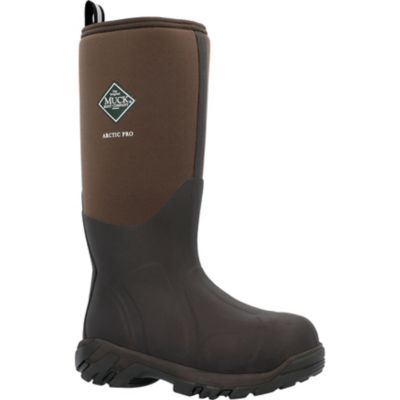
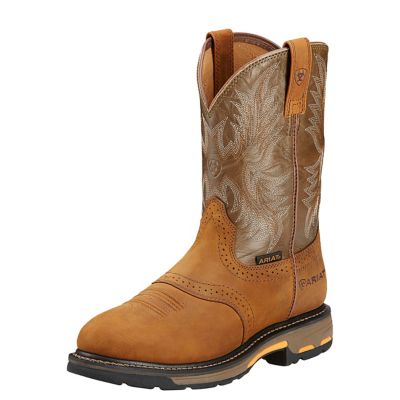
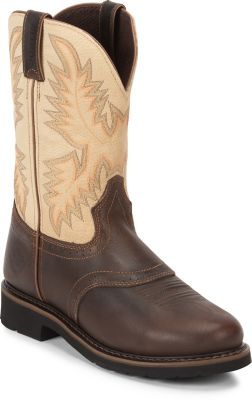
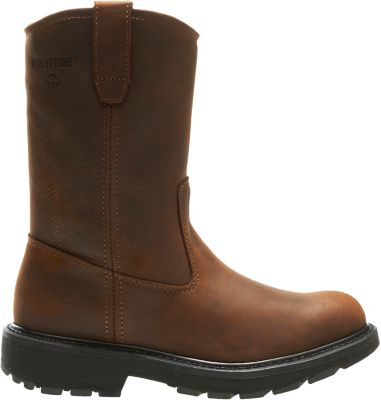
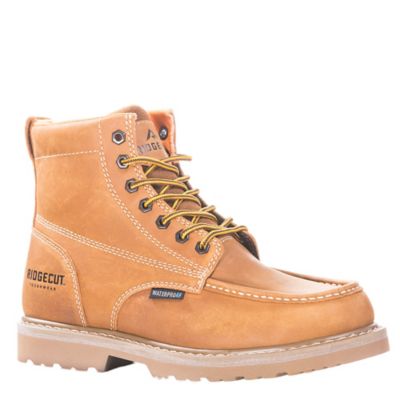
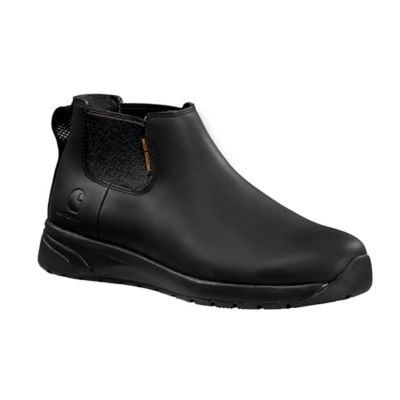
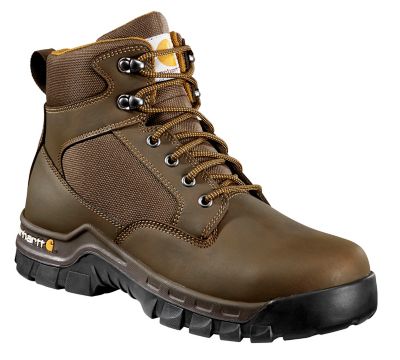
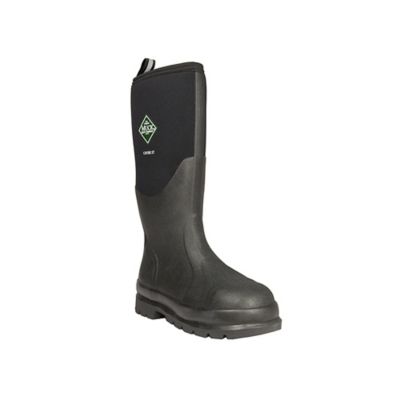
Men’s boots for work belong wherever the day calls for steady footing, a secure fit and protection suited to the job. That might mean carrying feed sacks across a barn aisle, spending hours on a concrete shop floor, setting fence posts or stepping on and off equipment. Different tasks put different demands on a boot, which is why the upper, sole, toe construction and shaft height all matter. Leather uppers bring strength and flexibility, gradually taking the shape of the foot while standing up to scuffs from everyday chores. Textile panels can reduce weight and help moisture from perspiration escape, while rubber constructions make sense for wash-down work and muddy livestock areas. Water-resistant materials and waterproof constructions offer different levels of moisture protection, so those descriptions deserve a close look when wet work is part of the routine. Lace-up boots let the fit be adjusted across the foot and around the ankle; pull-on styles offer straightforward on-and-off convenience without laces to tie. Neither style suits every job, and a taller shaft does not automatically provide more ankle support. Underfoot, deeper tread can help with traction on loose ground, while shallower tread may collect less dirt when moving between a barn and a shop. Slip-resistant outsoles are worth considering around slick surfaces, though no sole can prevent every slip. Safety-toe boots add protection against certain impact and compression hazards when they meet the applicable standards. Steel and composite toes differ in weight and construction, but the safety rating matters more than the material alone. Soft-toe boots may suit chores without those hazards, provided workplace rules allow them. Electrical-hazard and puncture-resistant features serve separate purposes and should be checked against the job’s requirements rather than assumed from a boot’s appearance. Ranch hands, mechanics, builders, equipment operators and folks keeping a small acreage running all have reasons to choose work boots, but the best match starts with what happens underfoot and around the feet throughout an ordinary day.
Comfort becomes especially important when a short chore turns into an afternoon of walking, lifting and standing. Men’s work boots should give the toes room to move without letting the foot slide forward or sideways. A snug heel and a well-supported instep help keep each step settled, while enough space across the ball of the foot keeps the boot from pinching during a crouch or climb. Length alone does not tell the whole story: width, instep height and the shape of the toe box can change how the same labeled size feels. Trying boots with the socks normally worn for work gives a better sense of the fit, and feet may need a little more room after several hours of activity. Work socks also affect cushioning and moisture management, so a thick pair can make a close-fitting boot feel tighter than expected. Break-in can soften leather and ease stiffness, but it should not be expected to fix cramped toes or persistent pressure points. A little heel movement can be normal in a new pull-on boot; excessive slipping, rubbing or a foot that shifts around inside calls for a different fit. The features found in
men’s comfortable work boots can make a noticeable difference during long stretches on your feet. Cushioning helps soften repeated contact with hard floors, while the midsole and footbed contribute to support. More softness is not always better, especially when stable footing matters for carrying a heavy load or climbing an equipment step. Removable footbeds can be helpful for someone who wears orthotics, provided the boot has enough interior space and the replacement does not crowd the foot. Boot weight matters, too, particularly on jobs with plenty of walking, but a lighter feel should not come at the expense of required protection. Seams, lining texture and collar padding can also affect comfort where the boot meets the foot and leg. The right balance feels secure through a full stride, a bend at the knees and the stop-and-start pace of daily work.
Construction and care play a big part in how work boots hold up after repeated days around tools, gravel, livestock and shop floors. Reinforcement at the toe and heel can help limit wear where boots often scrape against equipment or rough surfaces. Strong stitching, firmly attached soles and well-supported lace hardware are details worth noticing, along with whether the sole construction allows repairs. Some welted boots can be resoled by a qualified repair shop, while other constructions are not practical to rebuild; the manufacturer’s information is the best place to confirm that option. A boot that suits the work is easier to maintain than one regularly pushed beyond its intended purpose. Leather needs different care from rubber or textile materials, and waterproof linings may have their own cleaning requirements. Knocking off packed dirt and brushing away grit helps keep abrasive material from working into seams and creases. A damp cloth may handle everyday cleanup, with material-appropriate cleaners for tougher messes and leather conditioner applied according to the maker’s directions. Solvents, harsh cleaners and direct heat can damage materials or bonding, so gentle cleaning and air-drying are generally better starting points. Loosening laces, opening the tongue and removing footbeds when permitted helps the inside dry between workdays. Rotating between pairs can give each pair more drying time without rushing the process beside a heater. Regular checks for worn tread, split seams, loose hardware and separating soles help catch trouble before a boot gives out halfway through a job. Safety footwear also needs inspection after a significant impact or other damage, even when the outside still looks serviceable. Work boots can make a thoughtful gift for someone starting a trade, taking on more chores or spending more time on their feet, but size, preferred style and required safety features are personal. A pair chosen around those everyday needs has a clear purpose: supporting the person doing the work, from the first trip to the feed shed to the last sweep of the shop floor.