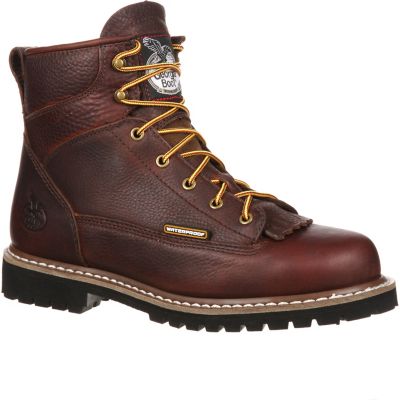
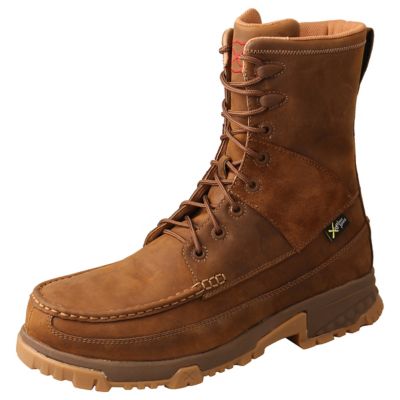
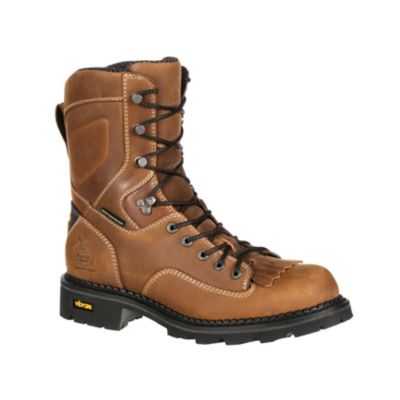
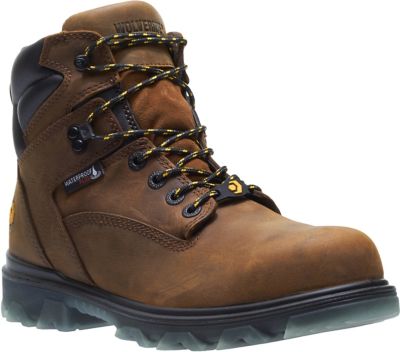
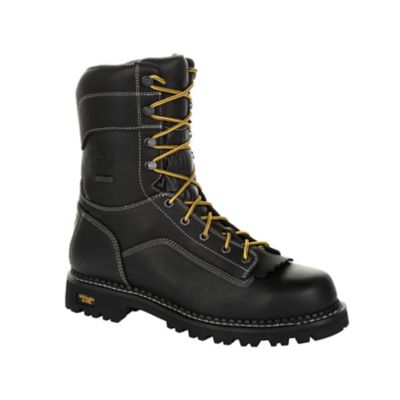
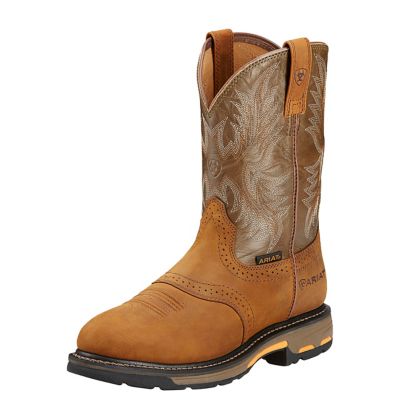
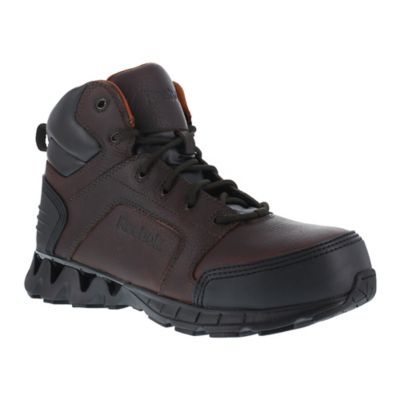
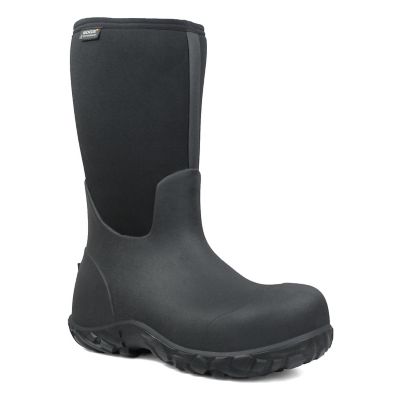
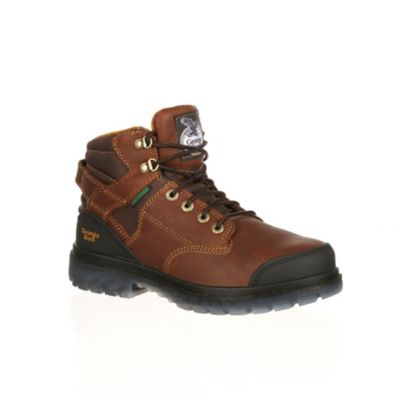
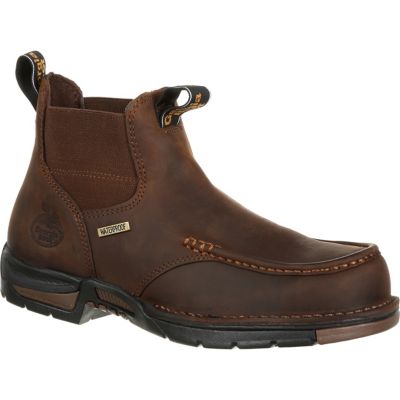
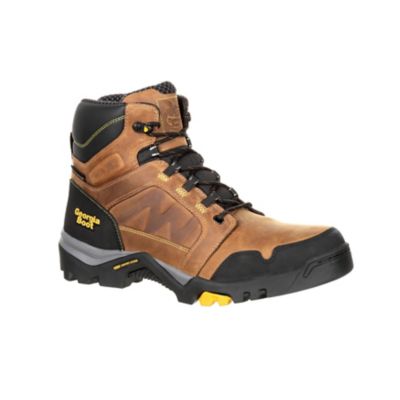
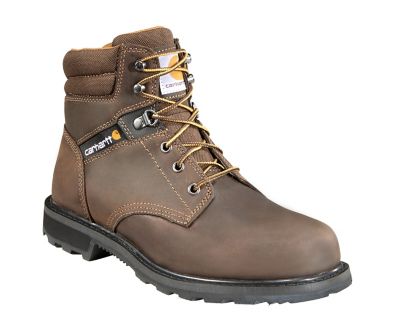
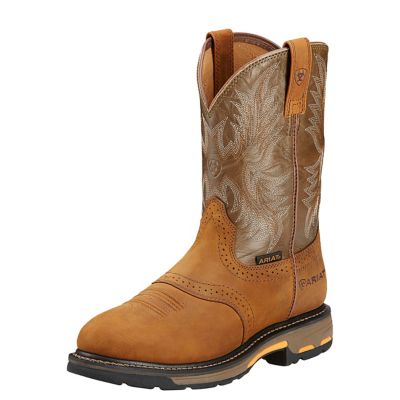
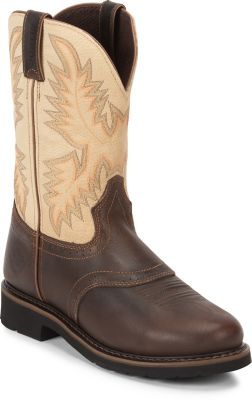
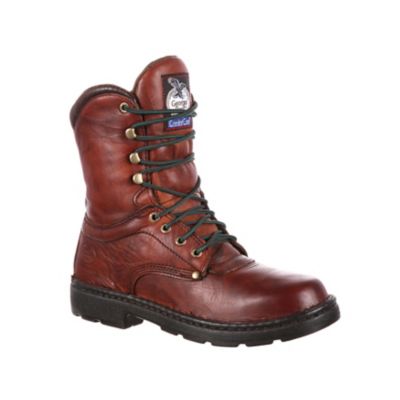
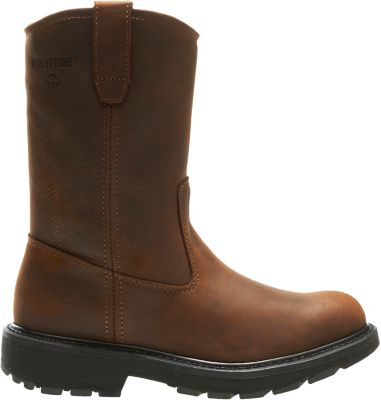
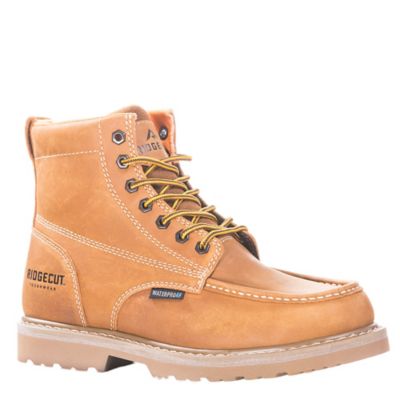
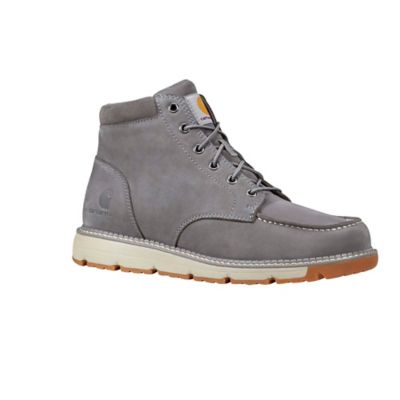
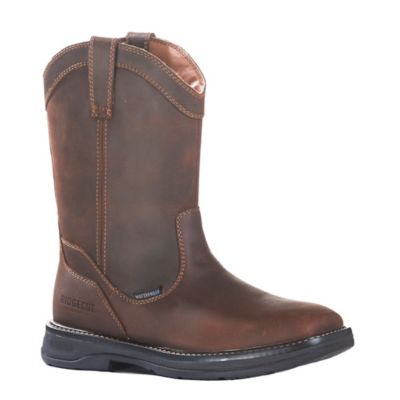
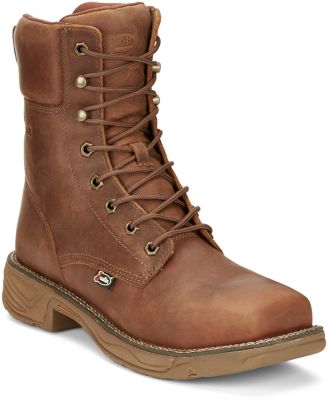
Comfortable men's work boots balance cushioning, support, fit, and protection for the ground underfoot and the job ahead. A long stretch on a concrete shop floor puts different demands on footwear than walking fence lines, hauling feed, or stepping in and out of a truck. For standing and walking on firm, level surfaces, a cushioned midsole and a broad, stable outsole can help take the edge off each step. Wedge soles provide a wide contact area, while boots with a defined heel and deeper tread may suit work that calls for more bite on uneven ground. Neither shape is the best choice for every task; ladder work, equipment operation, and workplace rules can all affect the decision. Good support also involves more than a soft footbed. A stable heel, a secure midfoot, and a boot that bends comfortably where the foot bends can make a difference over a full shift. Some constructions include a shank that adds structure through the arch, which may be helpful when working across rough ground or spending time on ladder rungs. Boot weight matters, too, especially for someone who covers plenty of ground before quitting time. Lighter construction can make repeated steps feel less taxing, but the lightest option still needs the protection and support the work requires. Lace-up styles allow adjustments through the foot and ankle, while pull-on styles offer straightforward entry without laces to manage. A higher shaft adds coverage, though height alone does not determine ankle support. For anyone browsing
Men's Boots for Work, comfort starts with matching those details to an actual workday, whether that means hours at a bench, repeated trips across a barnyard, or a mix of driving, lifting, and walking.
Materials and construction shape how work boots feel, flex, and hold up to repeated wear. Leather uppers can offer substantial coverage and gradually conform to the foot, although their initial stiffness varies with the leather and boot construction. Textile panels may reduce weight and add flexibility, while reinforced areas around the toe or heel can help manage abrasion where boots rub against equipment or rough surfaces. Stitching, seams, and the connection between the upper and sole all deserve attention because those areas take plenty of strain during kneeling, climbing, and bending. Some stitched constructions can be resoled by a footwear repair shop, depending on the boot, while other constructions emphasize flexibility or lower weight. Waterproof construction is worth considering for washdown duties and work around damp ground, but water can still enter over the top of the shaft. Moisture-managing linings and suitable work socks help address perspiration inside the boot; waterproofing and breathability are separate considerations. Outsoles also need to match the work surface. Deeper lugs can provide traction in loose dirt, while shallower tread may carry less debris into a shop or cab. Slip-resistant markings describe tested performance under particular conditions, not a promise against slipping on every floor. Oil, mud, worn tread, and the surface itself still matter. Protective toes are another job-dependent choice. Steel, alloy, and composite safety toes differ in weight and shape, and the room inside the toe box varies from one boot to another. Soft-toe boots do not provide the same impact and compression protection as safety-toe footwear. Where protective footwear is required, the boot's markings should match the employer's requirements and the hazards involved. Electrical-hazard ratings and other safety designations address specific conditions; they are not interchangeable. Comfort features work best when they complement required protection rather than take its place, especially around falling materials, heavy equipment, or sharp debris.
Fit brings all those features together. Comfortable work boots should hold the heel securely without squeezing the forefoot, leave space for the toes to move, and avoid pressure across the instep. A little heel movement may occur in some pull-on designs, but repeated rubbing, excessive sliding, or toes striking the front point to a fit problem. Trying boots with the socks worn on the job gives a better sense of the available room, particularly when comparing safety-toe shapes. Feet can expand during a long day, so a fit that only feels roomy first thing may feel different by the end of a shift. Walking, bending, and taking a few careful steps on an incline can reveal pressure spots that standing still misses. Leather may soften with wear, but break-in should not be expected to fix pinching or a short toe box. Removable footbeds make it easier to accommodate an appropriate replacement insole or prescribed orthotic, provided enough space remains inside the boot. Adding cushioning without checking that space can crowd the foot and change heel placement. Care also affects long-term comfort and service life. Brushing away grit, cleaning according to the material's care directions, and conditioning leather when recommended help keep buildup and stiffness from becoming everyday problems. Boots that get wet during work need time to air-dry away from heaters, with removable footbeds taken out when the care instructions allow. Rotating between pairs can give linings more time to dry between shifts. Worn tread, loose stitching, cracked soles, and cushioning that no longer feels supportive are signs that repairs or replacement may be needed. For a ranch hand, mechanic, warehouse worker, or someone keeping a small acreage running, the right work boots should suit the tasks that fill the day. They can also make a practical gift when the recipient's size, preferred fit, and workplace protection requirements are known. Those everyday details matter far more than appearance alone when the boots have to earn their place by the door.