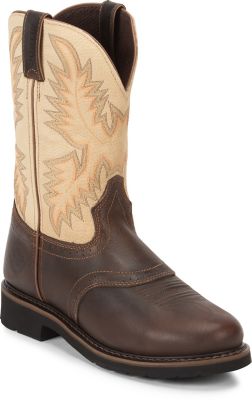
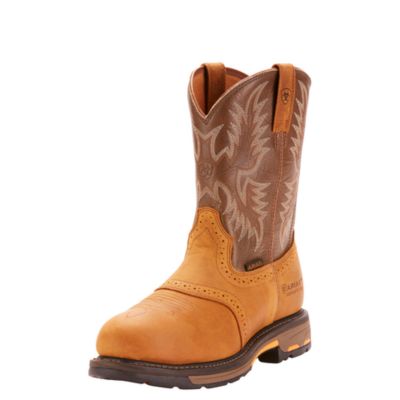
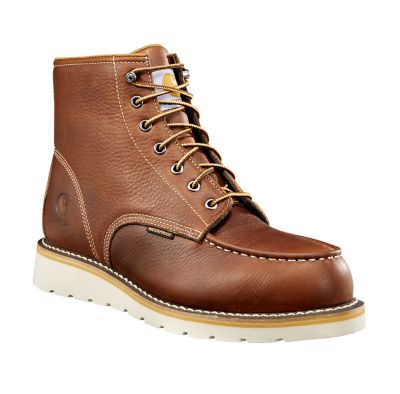
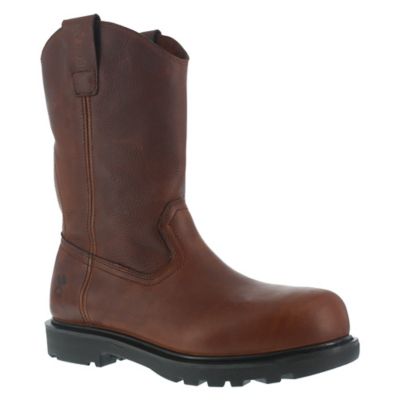
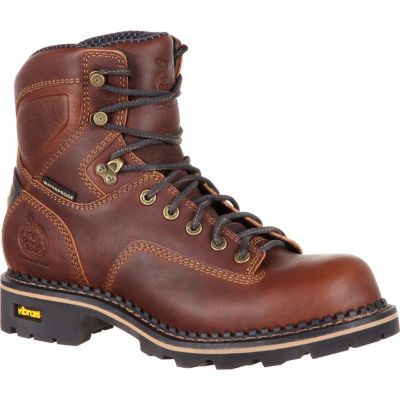
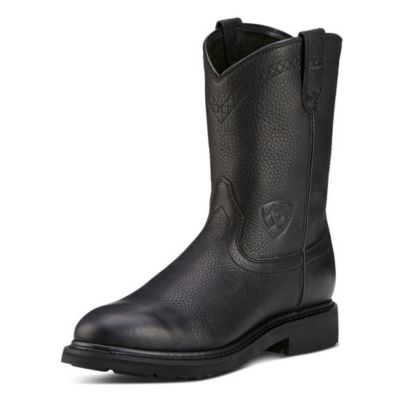
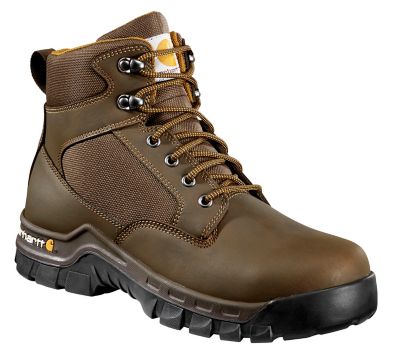
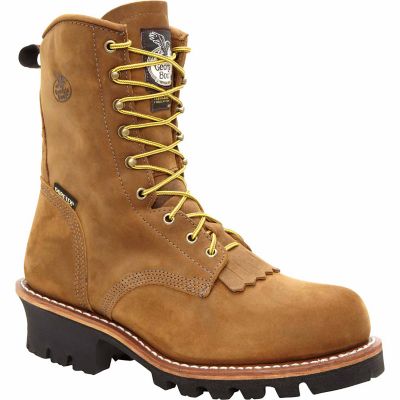
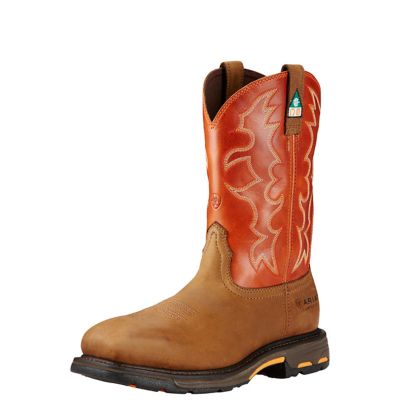
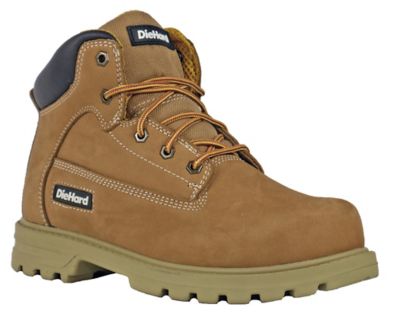
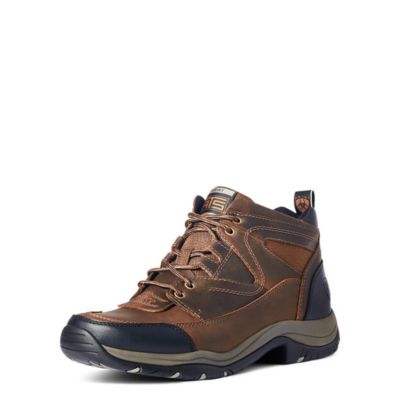
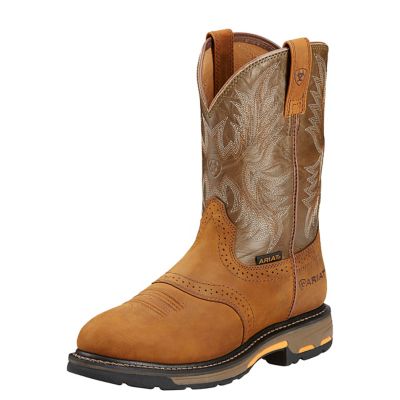
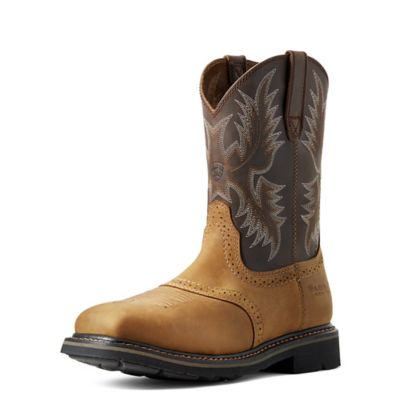
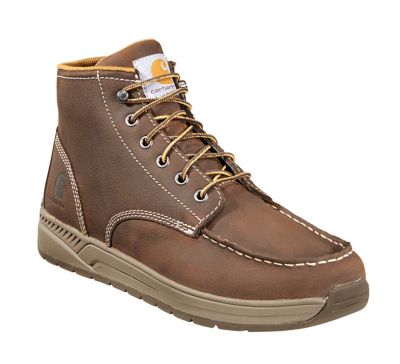
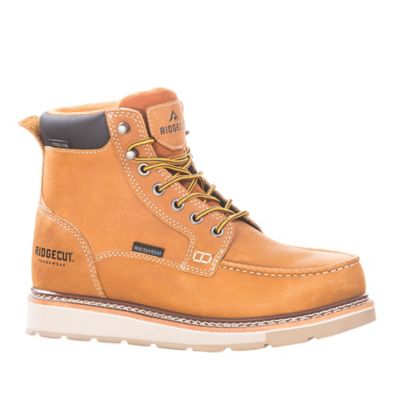
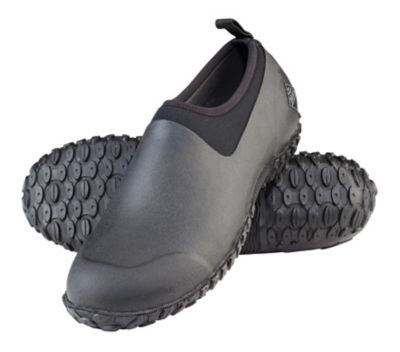
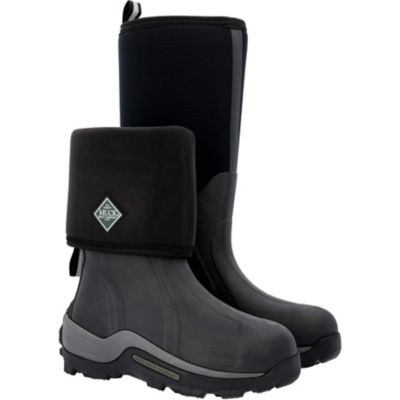
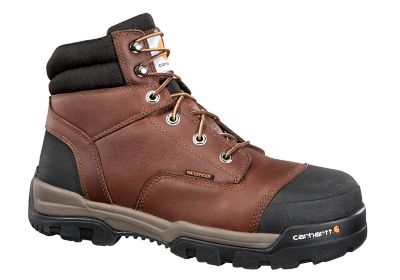
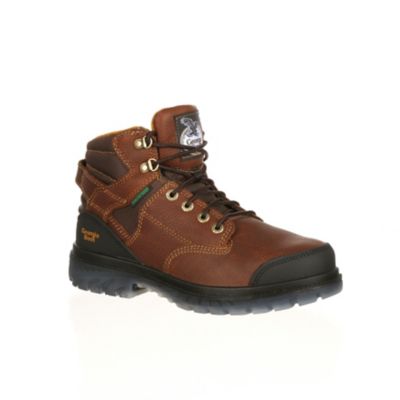
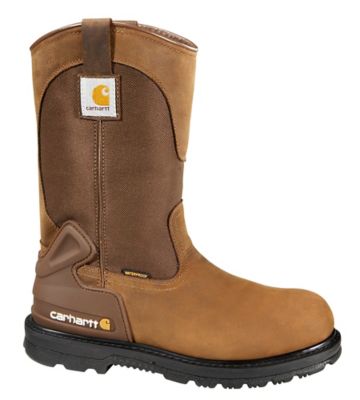
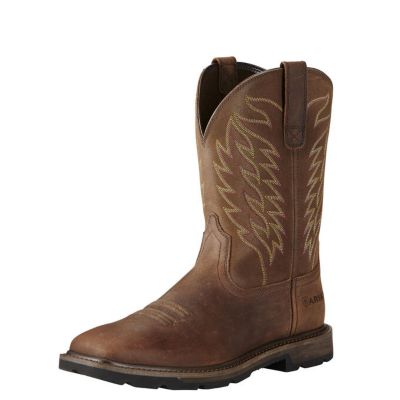
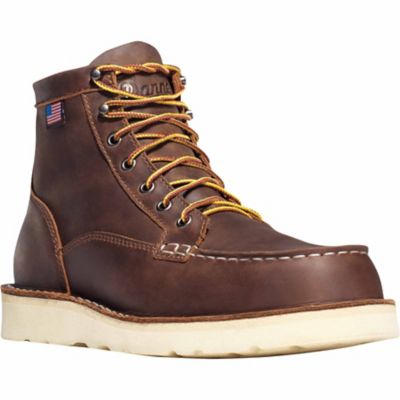
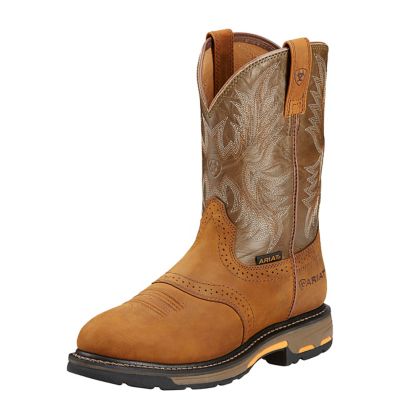
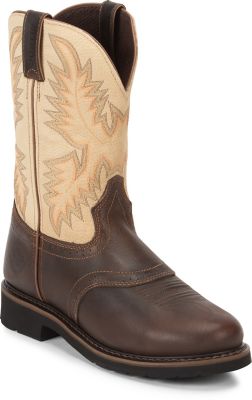
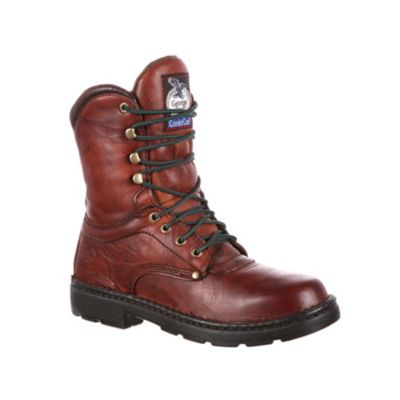
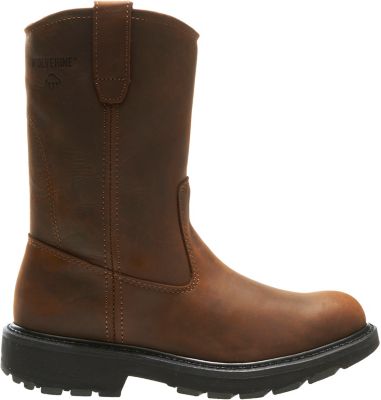
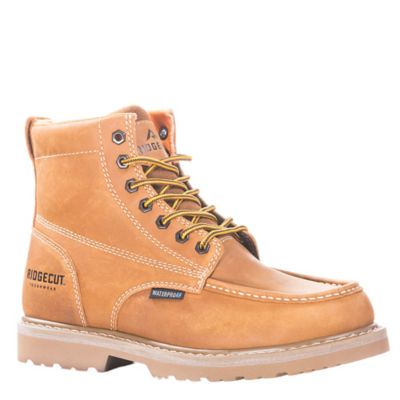
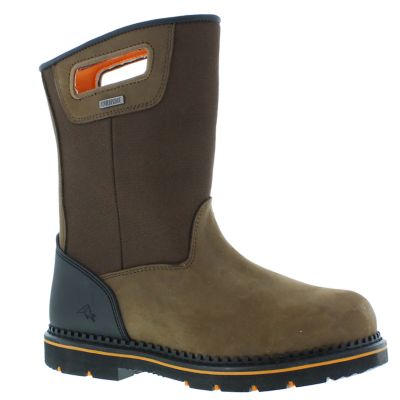
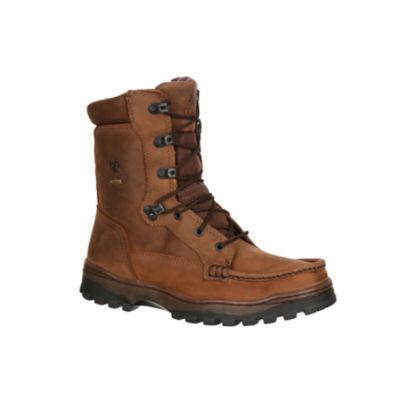
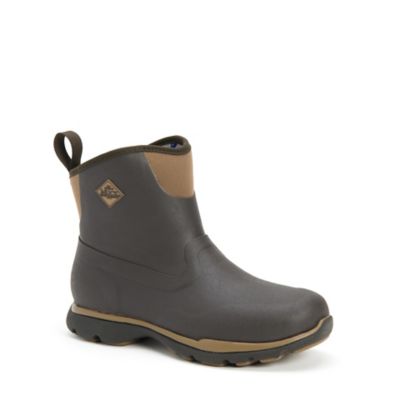
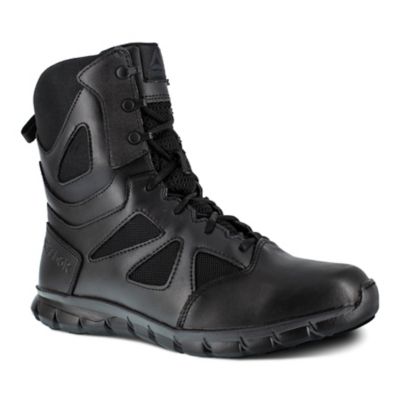
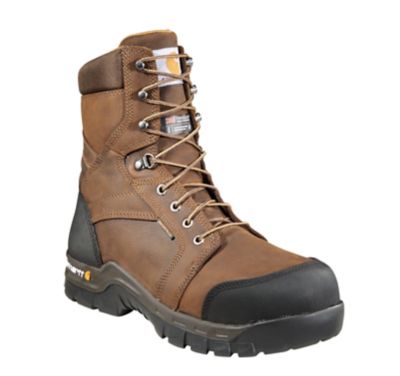
Men’s construction work boots are built for long days around lumber, concrete, gravel, ladders, equipment, and changing weather. Whether you’re framing a house, running a skid steer, working road construction, repairing fences, or handling maintenance around the farm, the right pair helps protect your feet while making hard work a little easier. Start with the hazards around your job and choose features to match them. A steel toe offers dependable impact and compression protection, while composite or carbon safety toes can provide similar certified protection with less weight and less cold transfer in cooler conditions. Look for boots labeled to meet applicable ASTM safety standards, and check the specific rating rather than assuming every safety toe offers the same protection. Electrical hazard-rated boots can provide secondary protection against contact with live electrical circuits, but they should never replace proper electrical safety practices. Puncture-resistant midsoles are worth considering when your work takes you through demolition areas, scrap, roofing debris, or rough ground where nails and other sharp objects may be hidden underfoot. For slick concrete, muddy paths, oily shop floors, and wet ladder rungs, slip- and oil-resistant rubber outsoles with a steady lug pattern can help you keep your footing. The goal is not simply to find the toughest-looking boot on the shelf. It is to match the boot’s safety features, sole design, height, and overall construction to the work you actually do from sunup until the tools are put away.
Fit matters just as much as protection. A boot that rubs your heel or squeezes your toes can turn a normal shift into a slow, painful trudge, especially when you spend hours standing on concrete or climbing in and out of machinery. Try boots on with the socks you normally wear for work, and leave enough room for your toes to move without letting your heel slide. Your feet may swell during a long shift, so a snug fit at the start of the day should not feel tight across the toe box. A cushioned EVA or polyurethane midsole can soften the hard feel of concrete, while a supportive footbed helps reduce fatigue through the arches and heels. Look for a stable heel and a sole that bends where your foot naturally bends, but avoid a boot that feels loose or folds in the middle when you need firm support on uneven ground. Lace-up work boots can offer a secure, adjustable fit, and taller shafts may provide extra ankle support in rough terrain. Waterproof construction, sealed seams, and breathable waterproof membranes are helpful when you are walking through wet grass, working in steady rain, or moving between outdoor jobs and damp buildings. During the cooler months, insulated boots can help hold in warmth on frozen ground and early-morning jobs. Heavier insulation is useful for extended exposure to cold, while a lighter, breathable lining may be more comfortable when you move between heated interiors and the outdoors. Keep in mind that waterproofing and insulation can affect flexibility and breathability, so balance warmth with the conditions and activity level of your workday.
Construction methods also play a role in how boots feel and how long they may serve. Cement-constructed boots are often flexible from the first wear and can feel comfortable when you spend a lot of time walking, kneeling, or climbing. Goodyear welt construction is known for a sturdy connection between the upper, welt, and sole, and some welted boots may be resoleable when the upper remains in good shape. Leather uppers can develop a comfortable fit with regular care, while synthetic materials may dry quickly and reduce weight. Whichever material you choose, clean off mud and concrete dust before they harden, let wet boots dry naturally away from direct heat, and use the care products recommended for the boot material. Rotate pairs when possible so each pair has time to air out between shifts, and replace boots when the tread is worn smooth, the safety toe is exposed or damaged, the midsole has lost its cushioning, or water and debris can enter through worn seams. Men’s construction work boots can make a practical gift for a contractor, carpenter, mechanic, utility worker, landscaper, farmer, or handy family member, particularly when you know his usual job-site conditions and preferred fit. For lighter-duty projects, shop work, or everyday wear with a work-ready look,
Men's Casual Work Boots may be a better match. For demanding job sites, compare toe protection, ASTM ratings, electrical hazard protection, puncture resistance, traction, waterproofing, insulation, and cushioning before choosing. A well-matched pair should feel steady on the first step across a gravel drive and dependable through the last chore of the day.