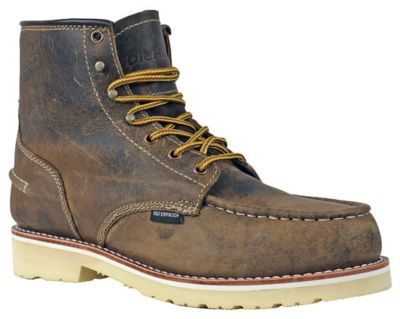
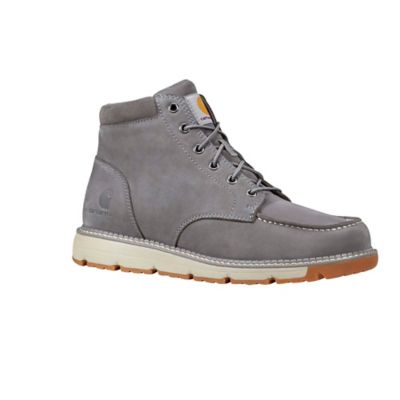
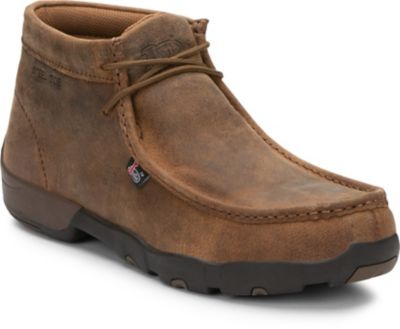
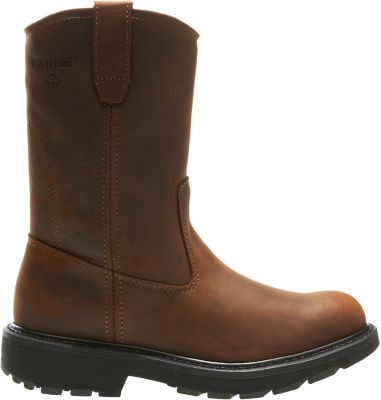
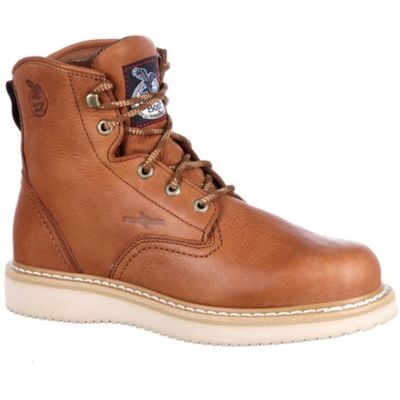
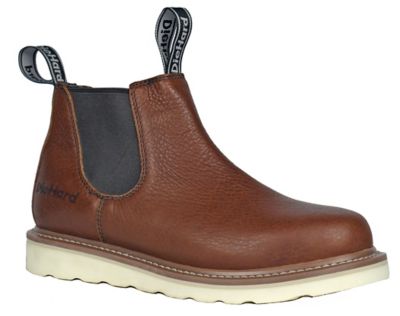
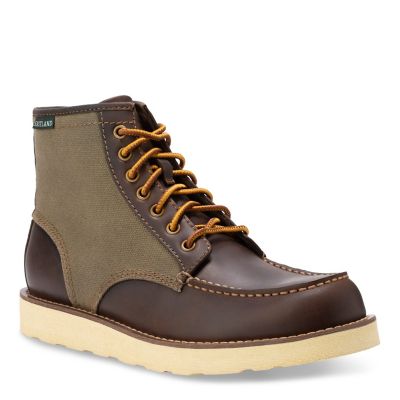
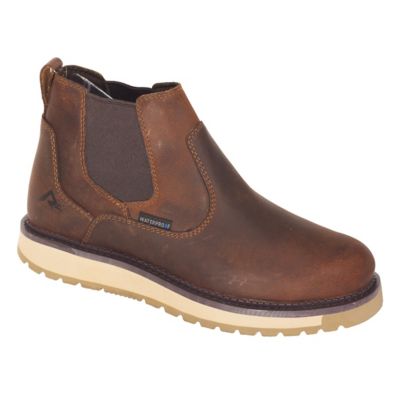
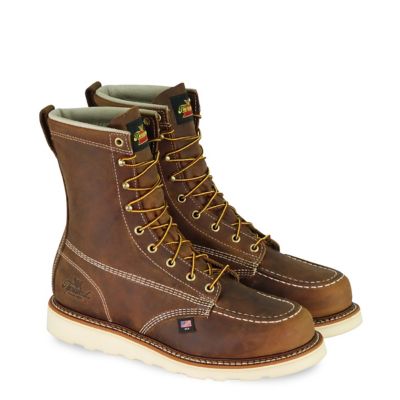
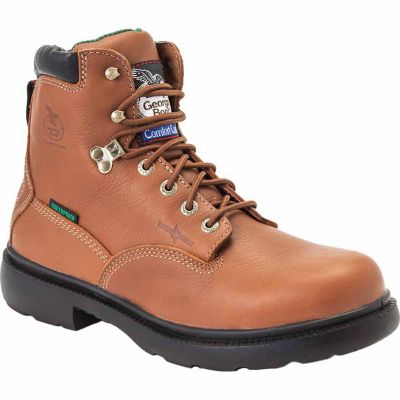
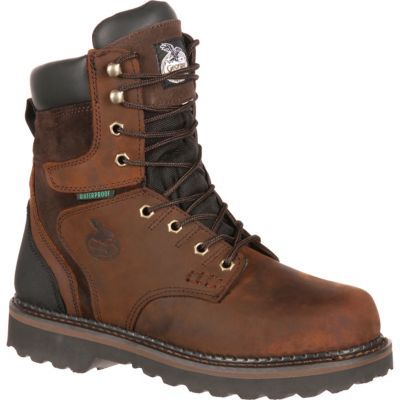
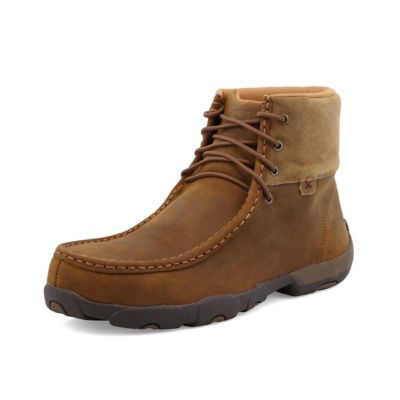
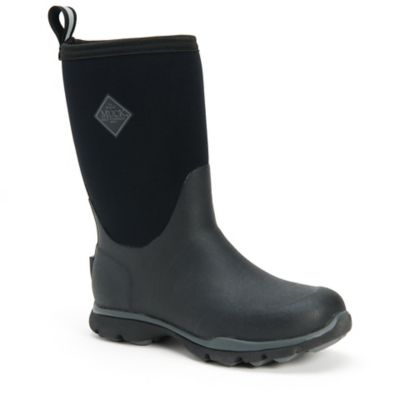
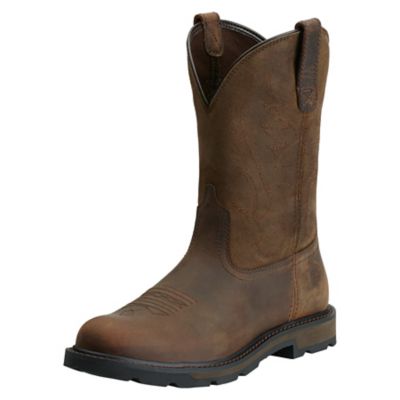
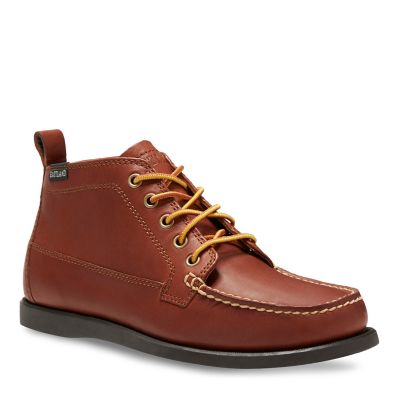
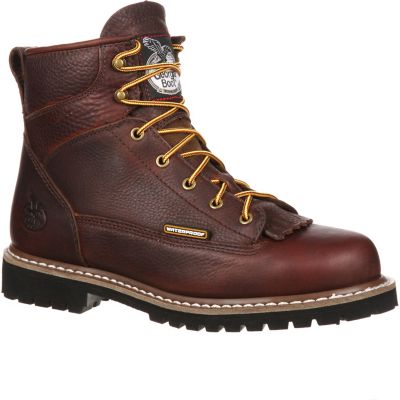
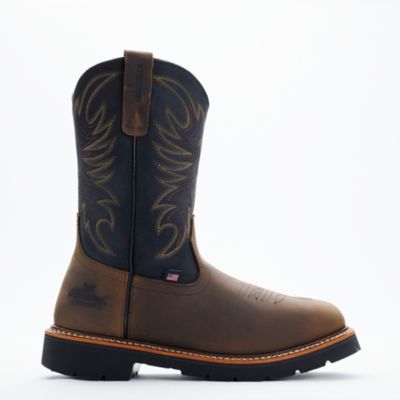
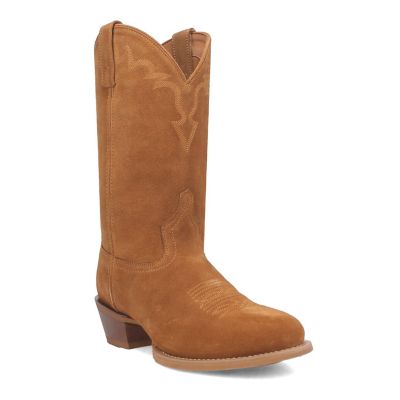
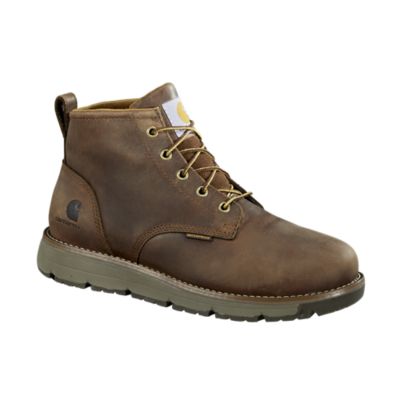
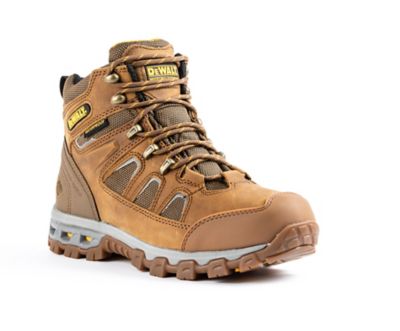
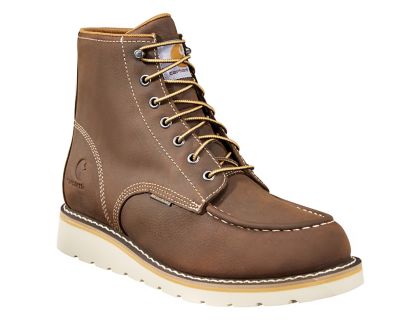
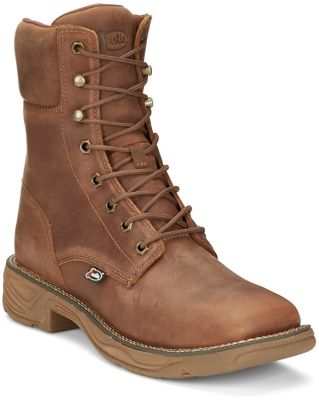
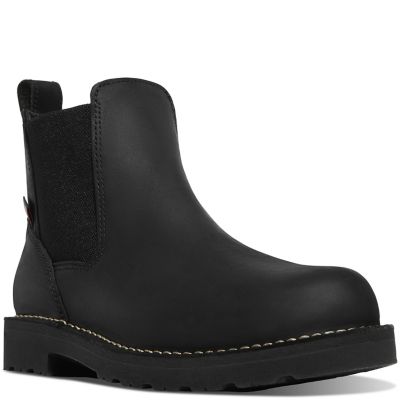
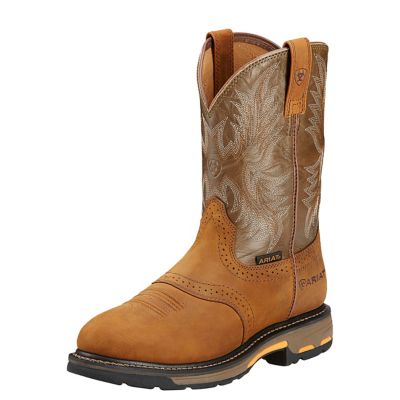
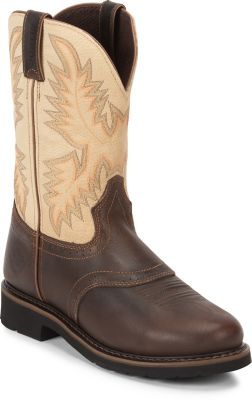
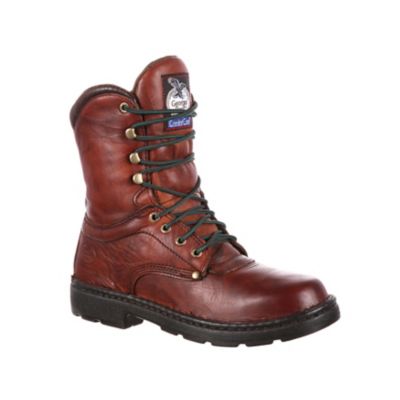
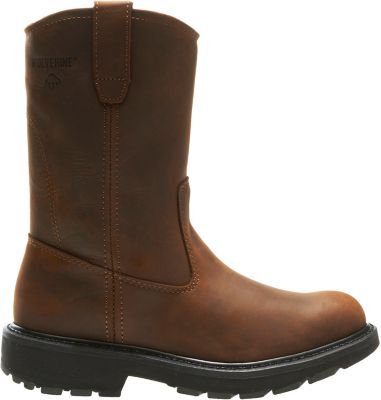
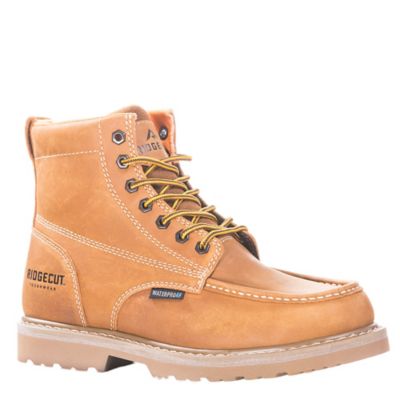
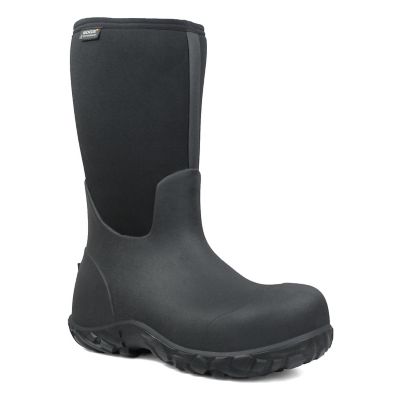
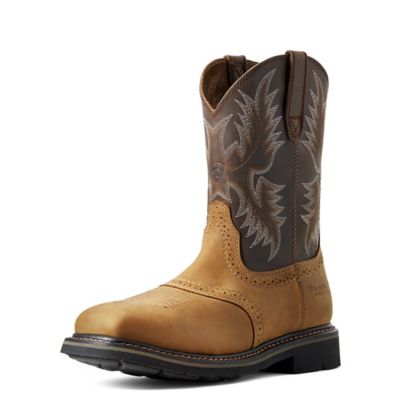
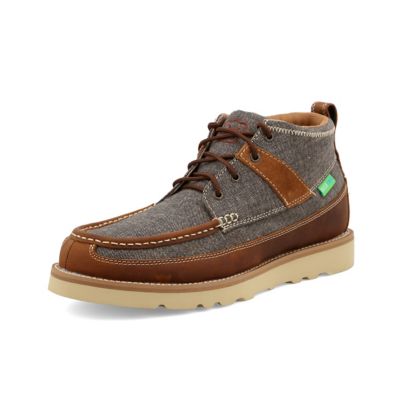
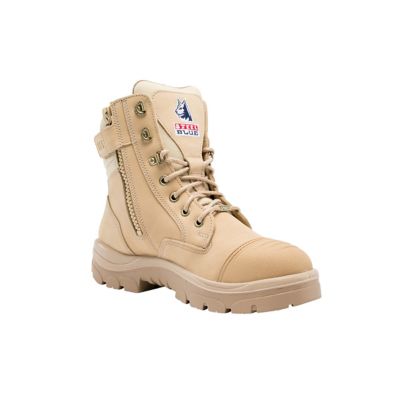
Men's casual work boots pair the sturdy build of work-inspired footwear with an easygoing look for everyday wear. They fit naturally into days that move between the shop, the feed store, a few chores around the property, and supper in town, provided their features match the task. Rather than looking strictly like jobsite gear, these boots often have straightforward uppers, familiar leather finishes, and shapes that look right with jeans or canvas work pants. Lace-up styles offer adjustment across the instep and ankle, while pull-on styles keep the profile simple and make getting out the door a little easier. Round toes tend to have a traditional look; moc-toe stitching adds definition across the forefoot. Neither shape alone determines how much room a boot provides, since the shape of the last—the form around which a boot is built—matters just as much. Full-grain leather brings a substantial feel and can develop character with wear, while suede and nubuck have softer-looking surfaces that call for different cleaning methods. Textile panels can add flexibility and reduce weight, depending on the rest of the construction. Underfoot, the balance between cushioning and firmness makes a noticeable difference: a lighter sole can feel less cumbersome on errands, while a firmer platform may suit someone who spends more time standing or walking across uneven ground. Deeper tread can help on loose surfaces, though it also tends to carry more dirt indoors. Lower-profile tread may be easier to clean after a walk through the yard. Construction matters over the long haul, too. Some welted boots can be resoled when the uppers remain sound, while bonded constructions may offer a lighter, more flexible feel. The right combination depends on whether the boots will spend most of their time on sidewalks, shop floors, gravel drives, or a little of each. A plain finish and restrained stitching also make these boots easy to wear without looking dressed up or dressed down.
Fit is where a pair of men's casual work boots earns its place in the daily routine. Enough room through the forefoot lets toes spread naturally, while a secure instep helps keep the foot from sliding forward with every step. Toes should not press against the front when walking down a slope, and the widest part of the foot should sit comfortably at the widest part of the boot. A little heel movement can occur in some new pull-on leather boots, but persistent slipping, rubbing, or pressure is not something to overlook. Leather can soften with wear; a boot that is too short will not gain the length needed for a comfortable fit. Trying boots with the socks intended for everyday wear gives a better sense of how they will feel through a full day. Anyone wearing orthotics also needs enough interior space to accommodate them without crowding the toes or lifting the heel too high. Removable footbeds can make that easier, although not every boot includes them. Cushioning, arch shape, ankle flexibility, and overall weight all influence comfort, especially when the day includes both walking and standing in one place. A padded collar can soften contact around the ankle, while a gusseted tongue can help limit the entry of small debris. Still, a casual appearance does not establish whether a boot belongs on a particular jobsite. Soft-toe boots do not provide the impact and compression protection of footwear that meets applicable safety-toe standards. Slip resistance, electrical hazard protection, and puncture resistance are separate features that need to match workplace requirements; none should be assumed from a rugged-looking sole. Oil resistance also does not mean a sole will prevent slipping. For work with defined footwear requirements,
Men's Boots for Work provides a broader category to consider alongside the protection a job calls for. Casual work boots make the most sense when their comfort, construction, and stated features line up with the actual demands of the day, rather than simply looking the part.
Regular care helps men's casual work boots keep their shape, finish, and usefulness through repeated wear. Loose dirt is easier to brush away before it settles into seams and creases, and a damp cloth can handle many everyday marks on smooth leather when the care directions permit it. Leather cleaner and conditioner should suit the material; too much conditioner can soften leather more than intended or change its appearance. Suede and nubuck generally need a suitable brush and products made for those surfaces rather than the same treatment given to smooth leather. After splashes or contact with damp ground, boots should dry naturally away from direct heat, which can stress leather and affect adhesives. Opening the boots and removing removable footbeds can help the interiors dry between outings. Water-resistant materials and waterproof construction are not interchangeable, either. A waterproof membrane, sealed seams, and the design of the boot all play a part in limiting water entry, while water can still enter over the top of the shaft. Any treatment applied at home needs to be compatible with the upper and lining, especially when a membrane is present. Keeping an eye on worn tread, separating soles, frayed laces, and damaged stitching helps identify when maintenance or replacement deserves attention. Those details matter whether the wearer spends weekdays at a counter, handles light upkeep around the place, or wants a pair that looks at home beside a barn as well as a restaurant booth. For a gift, the recipient's familiar boot size, preferred width, and usual fastening style are more useful starting points than appearance alone. Someone who likes a close lace-up fit may not enjoy a roomy pull-on, even in a similar size. A well-matched pair brings together a comfortable stride, materials suited to the routine, and a look that does not need much fuss—practical footwear for days with a little work and plenty of places to go.