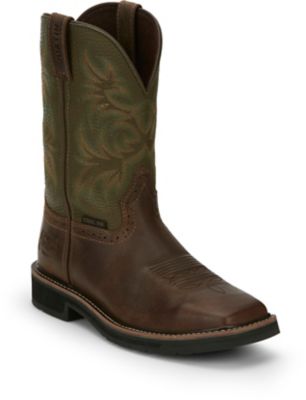
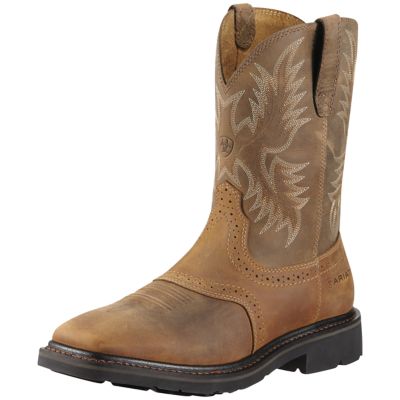
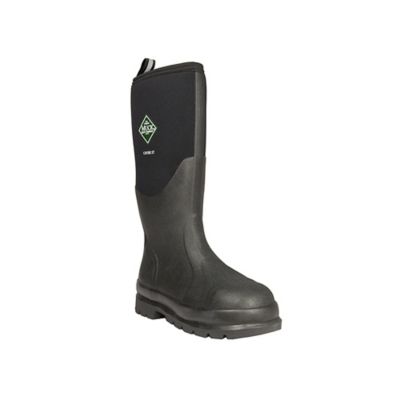
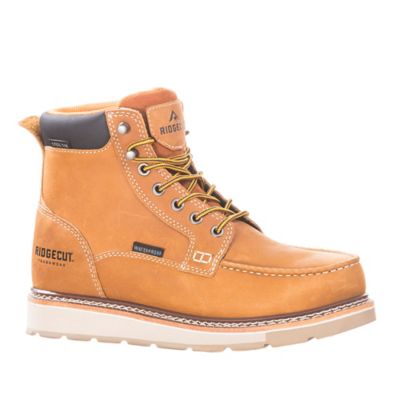
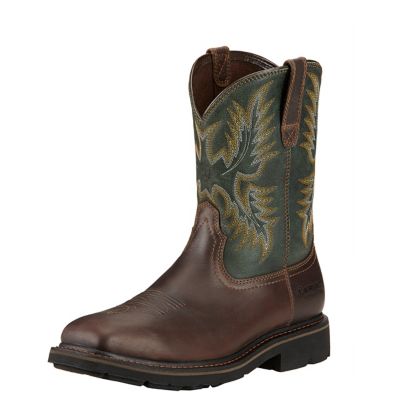
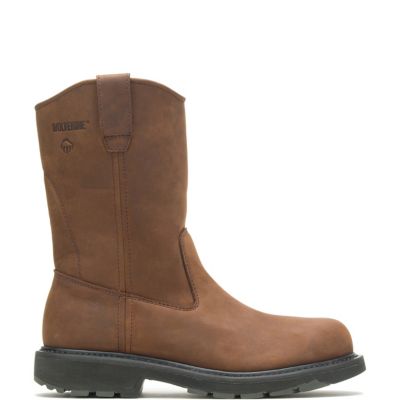
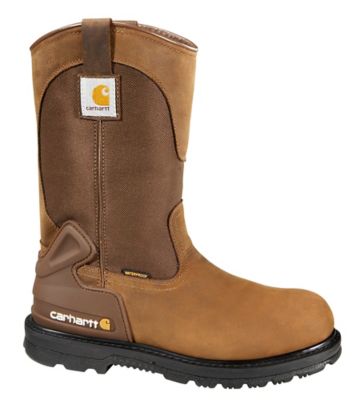
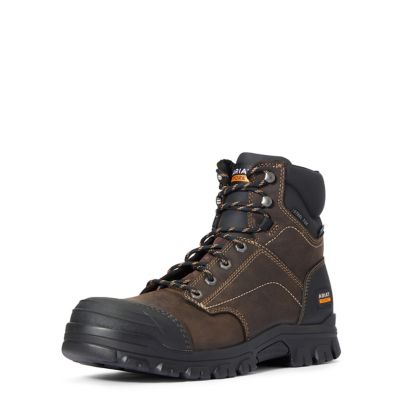
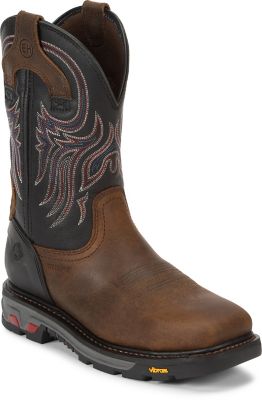
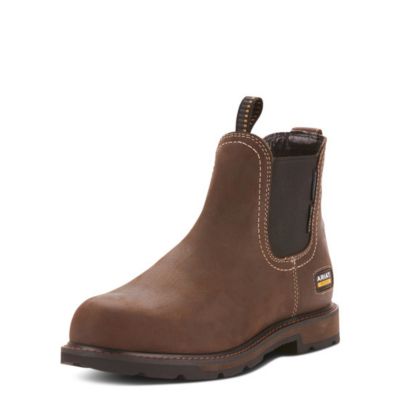
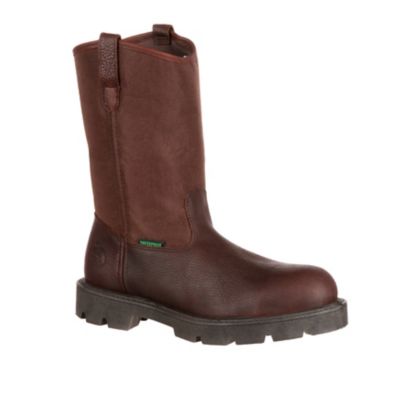
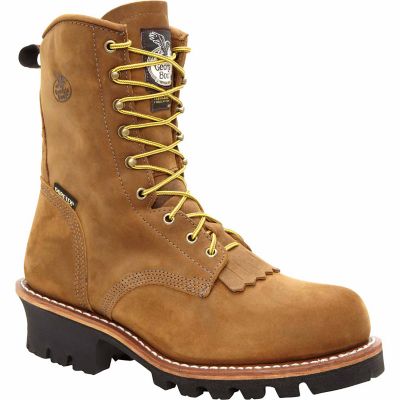
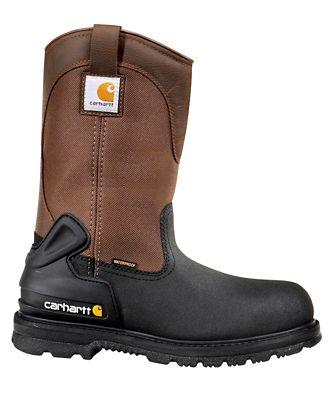
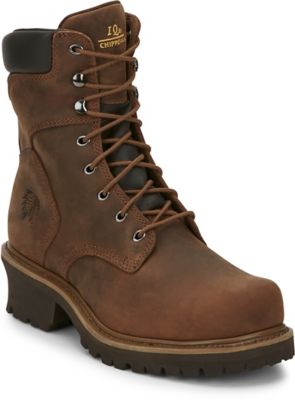
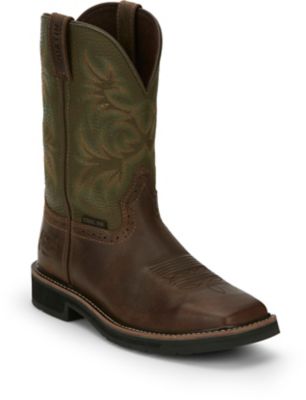
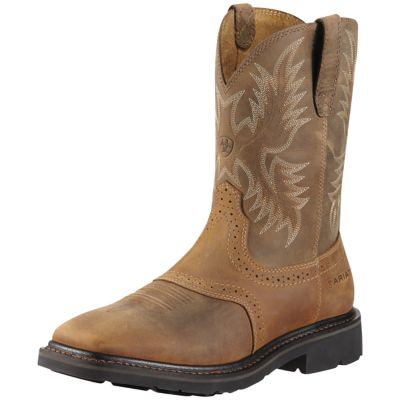
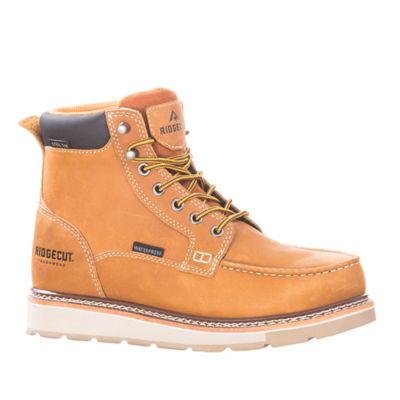
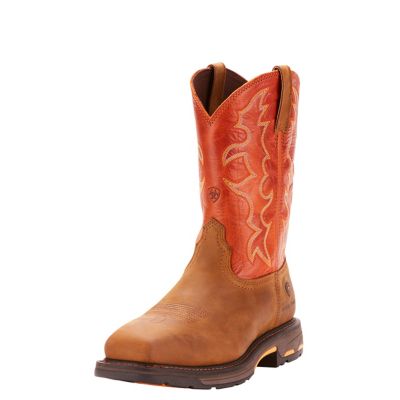
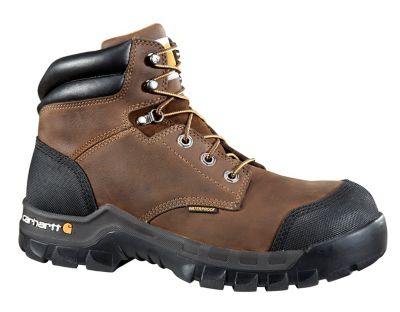
Steel toe work boots for men belong in the daily lineup when the job involves heavy materials, equipment, and plenty of time on your feet. From moving fence posts beside a trailer to handling parts at a shop bench, the right footwear brings together toe protection, steady footing, and a fit that stays comfortable through repeated bending, lifting, and walking. A steel safety cap sits inside the front of the boot and is designed to help protect toes against impact and compression when the footwear meets the applicable safety standard. That protection has limits, though, and a sturdy-looking boot is no substitute for checking the safety markings and the requirements for the job. When comparing
Men's Safety Toe Work Boots, the toe material is only one part of the decision. A steel cap does not automatically provide puncture resistance, protection across the top of the foot, or electrical hazard protection. Those features require their own construction and markings, and some workplaces call for additional equipment, such as metatarsal guards. Beyond the toe, the way a boot meets the ground makes a real difference. Broad, shallow tread patterns can suit long stretches on hard floors, while deeper lugs can provide bite on loose ground; the best match depends on the surface underfoot. Slip-resistant soles may help on certain work surfaces, but no sole removes every slipping hazard, especially around spilled oil or loose debris. Farmhands, equipment operators, mechanics, warehouse workers, and tradesmen can all have different needs, even when their boots share the same steel toe construction. Someone climbing equipment steps needs secure footing and a boot that bends comfortably, while someone standing at a workbench may put more emphasis on cushioning and underfoot support. The point is to match the whole boot to the work, rather than judging it by the protective cap alone.
Fit deserves just as much attention as the safety features, because a steel toe cap will not stretch to make room for crowded toes. There should be space to wiggle your toes without the front or sides of the cap pressing against them, and the ball of the foot should line up with the boot’s natural flex point. A boot that is too narrow can pinch during a squat or while kneeling beside a piece of equipment, while excess room can let the foot slide forward on a ramp. Trying on both boots with the socks normally worn for work gives a better sense of the fit than relying on a familiar size number alone. Feet can differ slightly in size, and boot shapes vary through the heel, instep, and toe box. The heel should feel held without painful pressure, with any movement consistent with the boot’s design rather than a loose, rubbing fit. Lace-up construction gives more control over tension across the foot and around the ankle, which can be handy for keeping the heel seated during frequent climbing and walking. Pull-on styles offer a straightforward option for folks who prefer fewer laces to manage, though getting the instep and heel fit right matters just as much. Shaft height changes how much of the lower leg is covered, but height alone does not establish ankle support or protection from twisting injuries. Inside the boot, cushioning helps soften repeated steps, while a supportive footbed and stable platform help keep the foot from feeling unsettled. Removable insoles can make cleaning and replacement easier, provided any replacement preserves the needed fit and follows the footwear maker’s recommendations. Boot weight matters, too. A substantial build may feel reassuring beside heavy equipment, but carrying extra weight on each foot can become noticeable after hours of walking. A comfortable pair balances protection and support without forcing an awkward stride.
Materials and construction shape how steel toe boots handle everyday wear, from scuffs against a workbench to repeated flexing at the ball of the foot. Leather uppers are common because they can soften with wear and respond well to regular care, while textile panels can reduce weight and change how the boot feels around the ankle. Reinforcement across the toe and heel can help limit abrasion in high-contact areas, especially for work that involves kneeling beside machinery or brushing against rough edges. Seams, eyelets, pull tabs, and the connection between the upper and outsole also deserve attention, since those areas take repeated strain. Welted construction may allow resoling when the boot’s design and condition permit, while other attachment methods can provide a lighter or more flexible feel. Neither approach tells the whole story without considering the materials and intended work. Routine care helps boots stay serviceable: loose dirt and grit should come off before they work into seams, and leather benefits from cleaning and conditioning products suited to its finish. Too much conditioner can leave leather overly soft, so following the maker’s directions matters more than applying a heavy coating. Letting boots air dry away from direct heat helps protect the leather and adhesives, and removing removable insoles gives the inside a chance to dry between wearings. A second pair in rotation can make that easier for someone wearing work boots every day. Regular checks should include worn tread, separating soles, damaged stitching, and any change around the toe cap after a hard impact. Boots that have taken a significant hit may need replacement even when the damage is not obvious. For a gift, knowing the recipient’s workplace requirements, preferred boot style, and fit is more useful than guessing from appearance. Whether the day centers on a repair shop, a feed room, or a construction site, well-matched steel toe boots should support the actual work and leave enough comfort for the walk back to the truck.