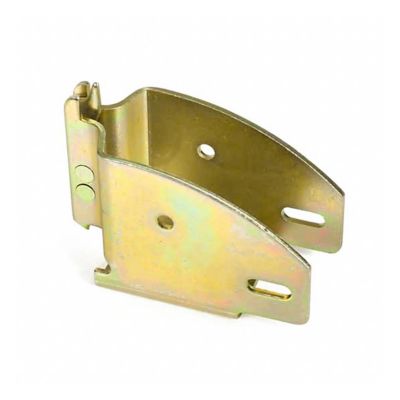
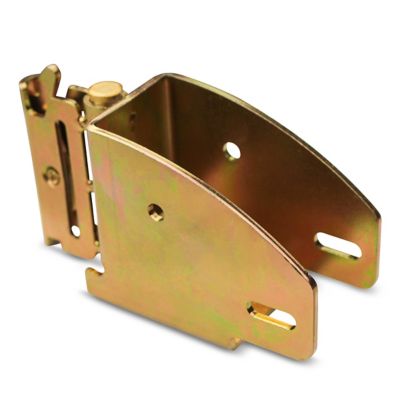
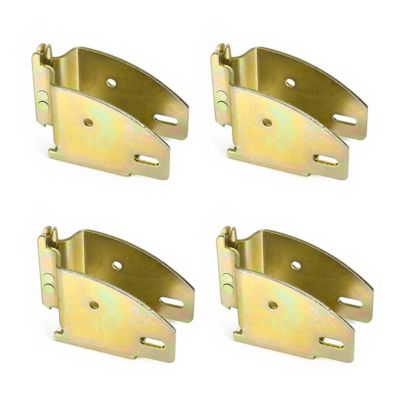
When you’re planning out a new deck, barn, or addition, beam hangers are the kind of hardware that can make or break your project—literally. These sturdy metal connectors are designed to hold up beams and joists, giving you the peace of mind that comes from knowing your structure is built to last. Whether you’re framing a porch to enjoy those long summer evenings, building a new hayloft before the busy harvest, or shoring up an old outbuilding, choosing the right beam hanger is key. There’s a wide range of options to fit just about any job: face-mount hangers are a go-to for connecting beams to headers or even masonry walls, while top-flange hangers rest right on top of your supporting beam, making them a favorite for quick installs where matching up heights isn’t as critical. If you’re after a cleaner look for exposed beams—say, in a rustic outdoor kitchen or a timber-framed pavilion—concealed flange hangers tuck the hardware out of sight, keeping things neat without sacrificing strength. For those trickier jobs where beams meet at an angle or need to fit into a tight space, skewed and sloped hangers or even hybrid designs give you the flexibility to get it just right, whether you’re working with standard lumber or engineered wood like i-beams or LVLs.
It’s worth taking a little time to think through what your project will need before picking out beam hangers. Start with the basics: what kind of load will the hanger need to support? Both the permanent weight of the structure (dead load) and anything that might get added over time (live load) should factor into your decision. If you’re hanging a heavy loft or supporting a big roof span, you’ll want a hanger rated for serious weight, and you might even beef up the strength with extra fasteners or a dab of construction adhesive to keep things solid and squeak-free as the wood settles. Matching the hanger to your beam material is just as important—an i beam hanger for engineered lumber won’t be the same as one for a solid 4x12. Always double-check the fit and make sure you’re using the right fasteners, since screws or bolts are usually required for these heavier-duty connections. As the weather warms and folks get busy with building projects, it’s a good season to tackle those upgrades or repairs you’ve been putting off. For the DIYer, a box of beam hangers makes a practical gift, especially for anyone who’s always sketching out their next barn or dreaming up a backyard deck. And if you’re looking to round out your hardware selection, don’t forget to check out
Bearing Flanges for projects that need reliable rotation and support.
Beam hangers might not be the flashiest part of a build, but anyone who’s ever watched a barn raising or spent a hot afternoon framing a deck knows that it’s the details that keep everything standing straight and true. With so many styles—face-mount, top-flange, concealed, skewed, and hybrid—there’s a solution for nearly every kind of connection you’ll run into, whether you’re tying together new lumber or reinforcing old joists in a farmhouse that’s seen a few generations. When you’re out in the shop or up on a ladder, having the right hanger handy means you can work faster and safer, knowing your beams are locked in tight. As summer rolls into early fall and building season stays in full swing, having reliable hardware on hand helps keep your projects moving, from big structural jobs to the little improvements that make your place feel more like home. Whether you’re a seasoned contractor or just getting started with your first big build, picking the right beam hangers is a smart investment in the strength and safety of your work—one that’ll pay off every time the wind picks up or the hayloft fills up for another season.