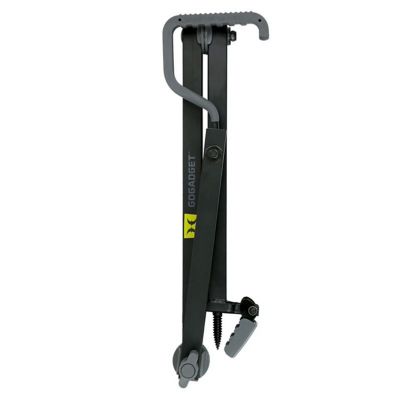
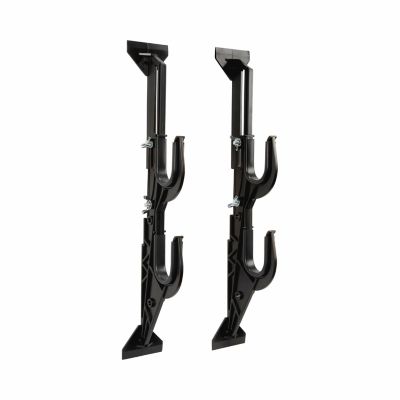
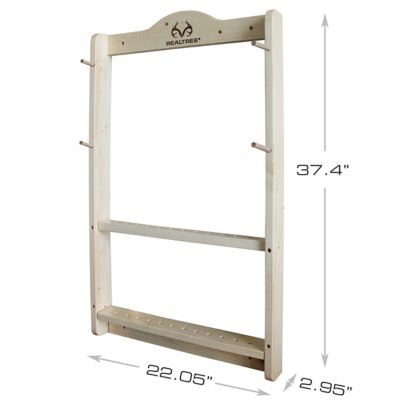
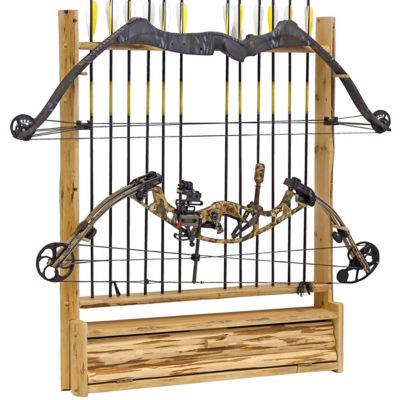
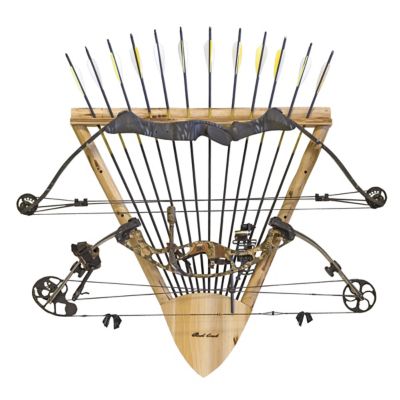
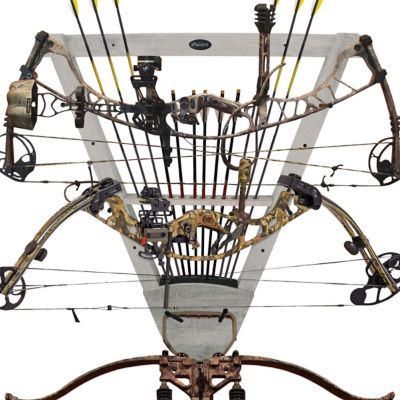
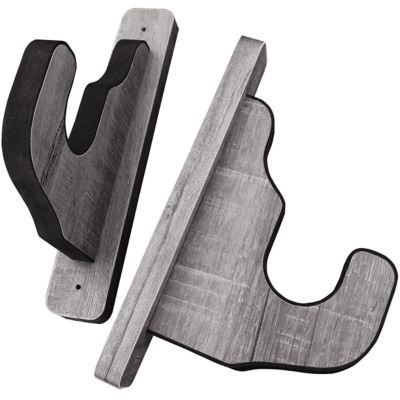
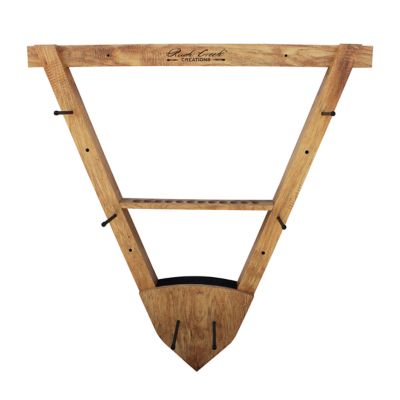
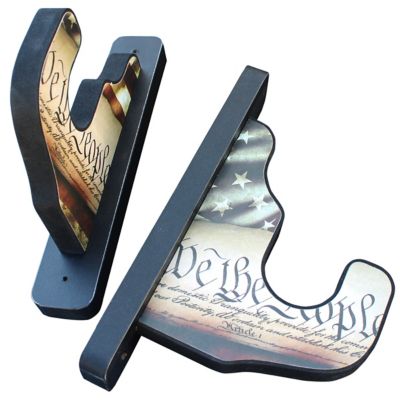
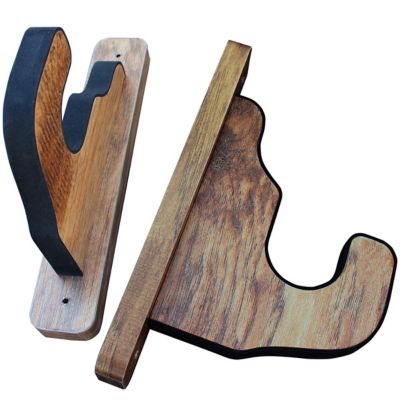
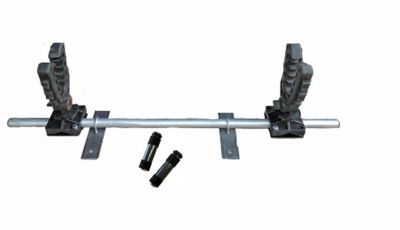
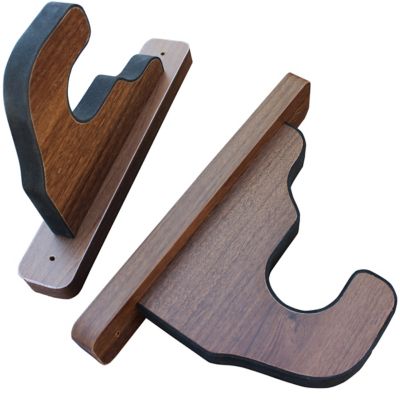
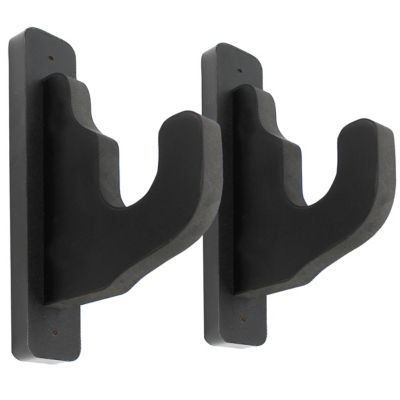
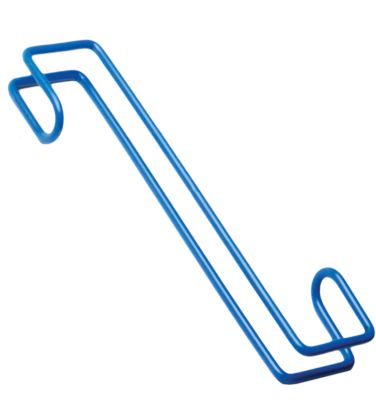
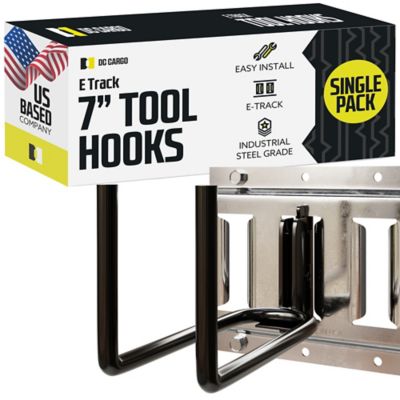
Bow hangers help keep archery gear off the floor, out of the way, and ready for the next trip to the range, woods, or backyard target. For hunters, target shooters, and families who enjoy archery together, a dependable place to hang a bow can make a big difference in how a gear room stays organized. Bows are carefully made tools, and leaning one in a corner or laying it across a workbench can leave it vulnerable to bumps, moisture, dirt, or an accidental step. A properly placed hanger gives the bow a dedicated home while helping protect limbs, strings, cams, sights, and other attached equipment from unnecessary wear. Bow hangers may be useful in a mudroom, garage, barn, cabin, workshop, or hunting camp, depending on where gear is stored and used. Many archers like keeping equipment near a workbench or cleaning station, while others prefer a spot by the back door so a bow can be picked up on the way out without digging through a crowded closet. During the warmer part of the year, a hanger can help keep gear organized after long afternoons outdoors, and as cooler weather settles in, it provides a handy place to store equipment between hunting trips or indoor practice sessions. Look for a hanger suited to the style and size of the bow being stored, along with a construction that can handle regular use. Padding or protective contact points are worth considering, especially where the hanger meets the bow. Smooth edges and a secure hold can help reduce scratches and keep the bow from sliding or tipping. It is also smart to consider the wall or surface where the hanger will be installed, since wood framing, masonry, and other materials may call for different mounting hardware. A solid installation matters more than a fancy setup; the hanger should stay firmly in place when the bow is lifted on and off.
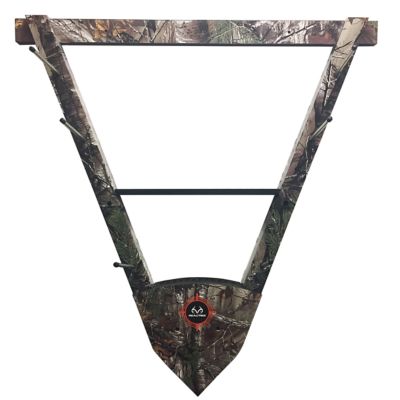
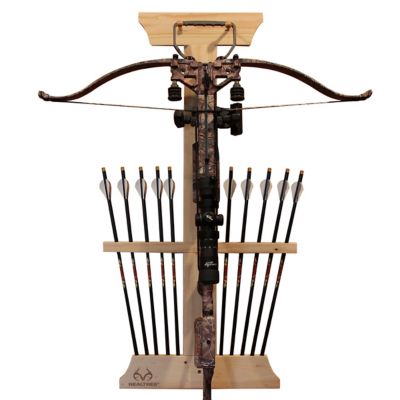
The best location is one that is easy to reach but safely out of the path of household traffic, pets, children, farm chores, and other busy activity. A garage wall near the workbench can be a good choice for a bow that gets tuned, wiped down, or restrung there, while a closet or spare room may better suit equipment that needs extra protection from dust and changing temperatures. Avoid placing a bow hanger where direct sunlight, leaking roofs, heavy condensation, or extreme heat could affect the bow and its accessories over time. Keeping the area reasonably dry and free of clutter makes it easier to notice loose hardware, frayed serving, worn strings, or other maintenance concerns before heading out. A hanging setup can also leave room below for arrows, cases, release aids, gloves, targets, and range tools, turning a small section of wall into a practical archery station. Some people use more than one hanger when several family members shoot different bows, or when a hunting bow and a target bow need separate storage. Spacing is important in those situations so cams, limbs, sights, and stabilizers do not knock against one another. Bow hangers can be especially useful for anyone who has outgrown a simple gear bin, including a new archer building a setup piece by piece, a seasoned hunter preparing equipment for the field, or a parent making a safe place for a young person’s bow. They also make a thoughtful gift for an archer who has plenty of equipment but not much organization. A hanger is practical, easy to appreciate, and useful long after the excitement of opening a present has passed. For broader organization needs around the home, garage, or outbuilding,
Storage Hangers can help create additional places for tools and everyday gear without taking up valuable floor space.
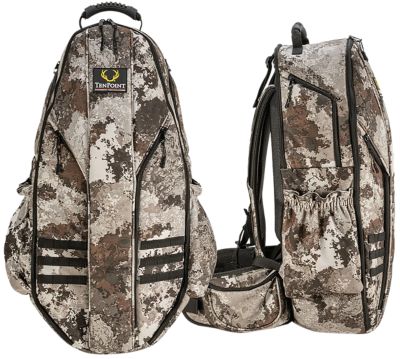
When choosing among bow hangers, pay attention to the details that fit the way the equipment is actually used. Measure the available wall space before buying, and think about whether the bow will be stored alone, inside a case, or with accessories attached. A compact hanger may work well in a tight room, while a larger arrangement can be useful for a family gear area or a dedicated hunting closet. Consider how often the bow will be removed, whether the hanger can be reached comfortably, and whether the design leaves enough clearance for the bow’s limbs and hardware. Weight capacity should be appropriate for the equipment, with a little room to spare rather than relying on the smallest possible limit. Installation instructions and compatible hardware are also worth reviewing, particularly for drywall or older walls where a stud, anchor, or reinforced mounting point may be needed. Keep bows unloaded and handled according to the manufacturer’s safety recommendations, and store arrows separately when children or visitors may be nearby. A tidy storage spot does more than improve the look of a garage or cabin. It helps prevent gear from getting buried under blankets and boxes, keeps an expensive hobby from turning into a daily search, and makes it easier to build a simple routine after every outing: bring the bow in, inspect it, wipe away dirt or moisture, and return it to its place. Whether the goal is a cleaner workshop, a safer family recreation area, or a dependable setup for the next hunt, bow hangers offer a straightforward way to keep archery equipment close at hand and cared for through changing seasons.