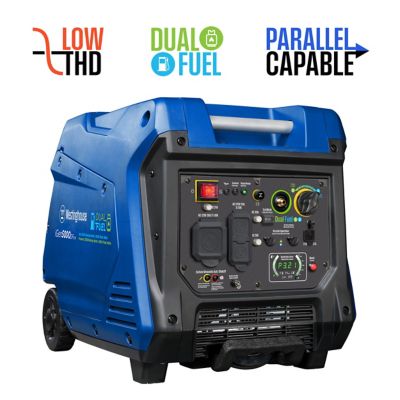
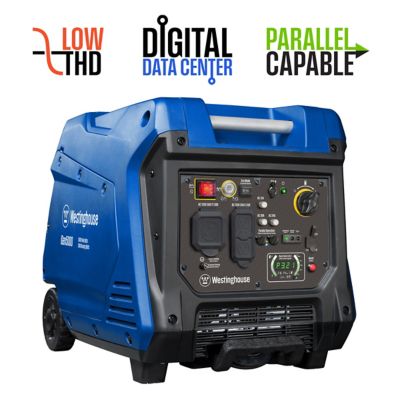
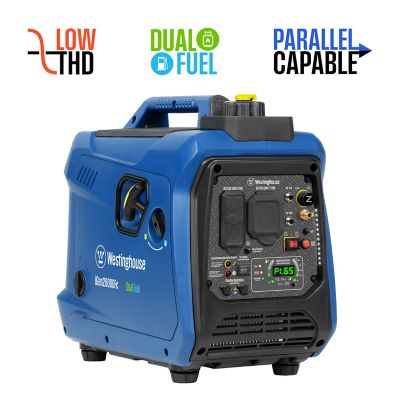
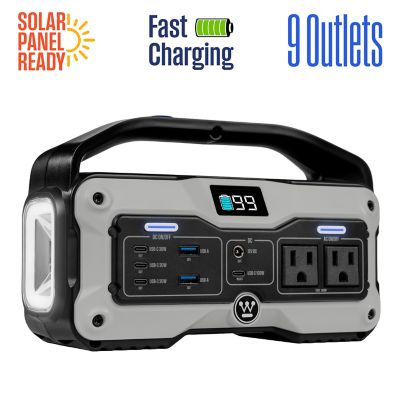
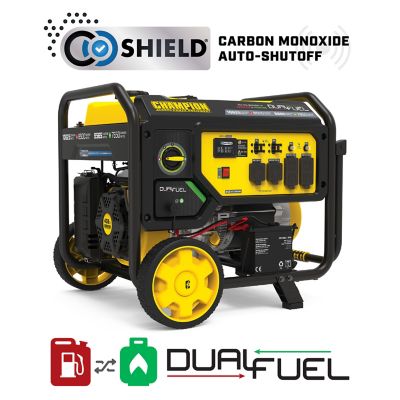
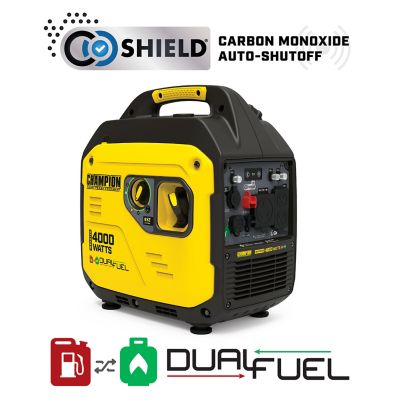
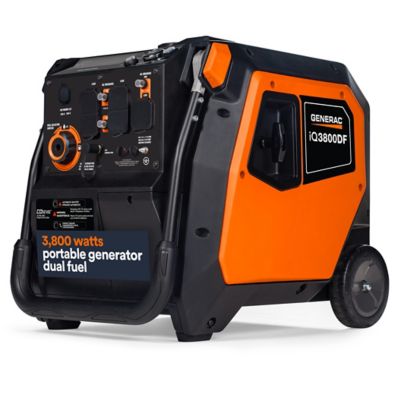
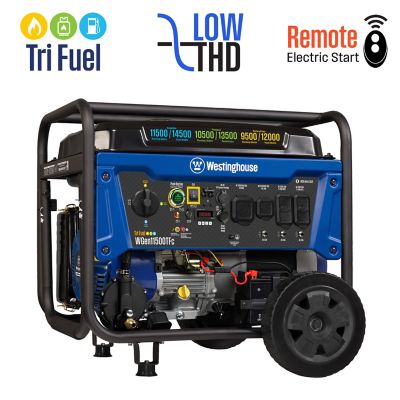
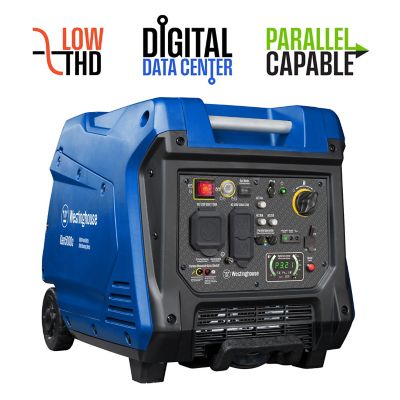
Portable electrical generators supply power where an outlet is out of reach or utility service is interrupted. Around a home, farm, campsite, or jobsite, that can mean keeping a refrigerator running, powering a compatible well pump, or running tools beside a fence line far from the shop. The main categories include conventional engine-driven generators, inverter generators, and battery-powered portable power stations. Conventional generators turn fuel into electricity and can support demanding equipment when their output matches the load. Inverter generators regulate electrical output through additional electronics and often offer lower sound levels and engine speeds that adjust with demand. Their electrical specifications, including total harmonic distortion, matter when laptops, communication equipment, or other sensitive electronics are part of the setup. Battery power stations store electricity rather than generate it through combustion. They can supply compatible devices without engine exhaust, though their output and stored energy limit what they can run and for how long. Some accept charging from compatible solar panels, with charging performance depending on the panel setup and sunlight. Across these categories, watts describe power output, while watt-hours describe stored energy in a battery. A high output rating does not automatically mean a long runtime. Fuel tank capacity, battery capacity, operating load, and equipment efficiency all affect how long power lasts. Running watts represent the power equipment needs during normal operation; starting watts account for the brief extra demand some motors require. Refrigerators, pumps, compressors, and certain power tools may need substantially more power at startup than they draw afterward. A generator that handles a few lights and phone chargers may not start a well pump or support several large appliances together. Matching both continuous output and motor-starting demand to the intended load helps narrow the selection without relying on the largest wattage number alone. Runtime ratings also need context, since a figure measured at a partial load will not describe operation near full output.
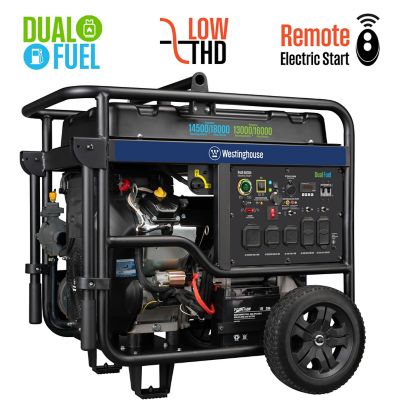
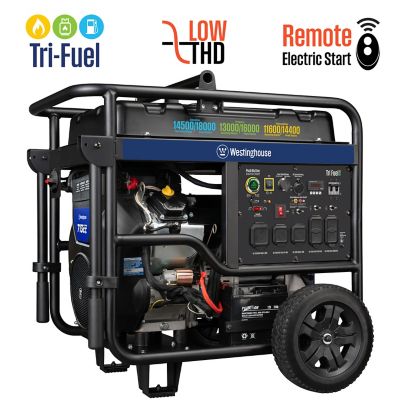
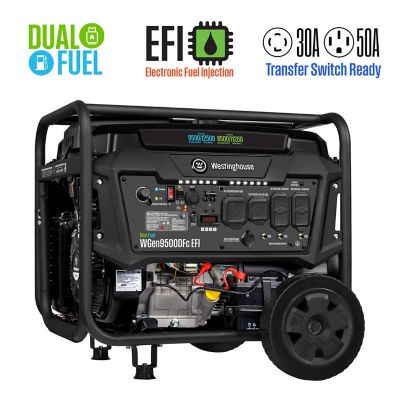
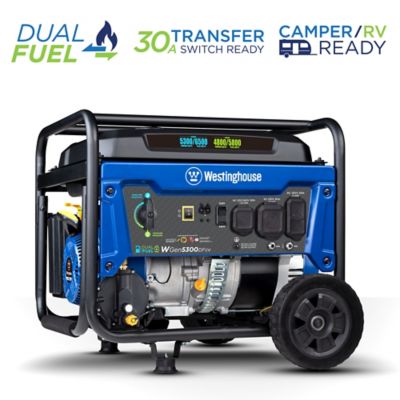
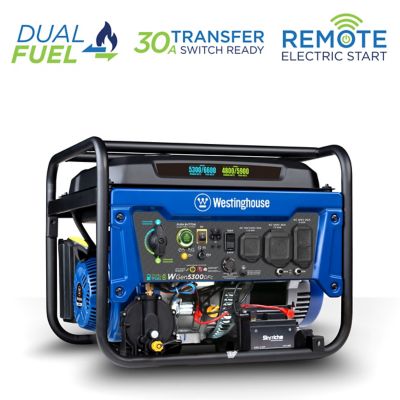
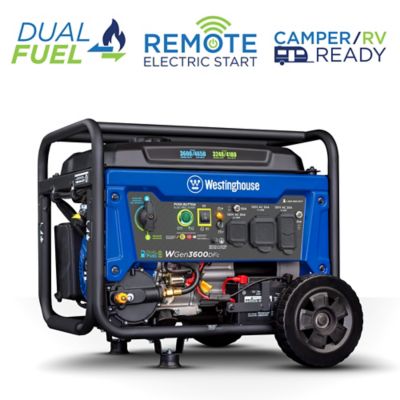
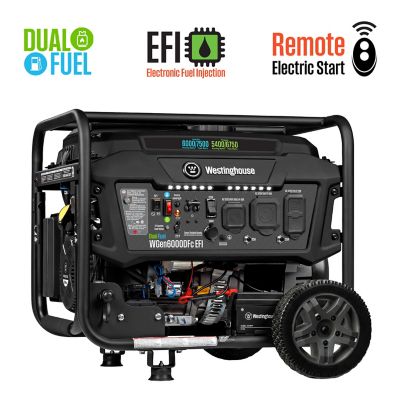
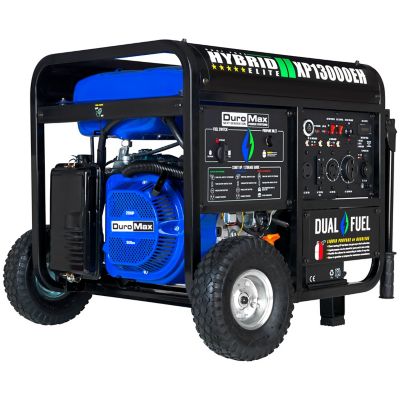
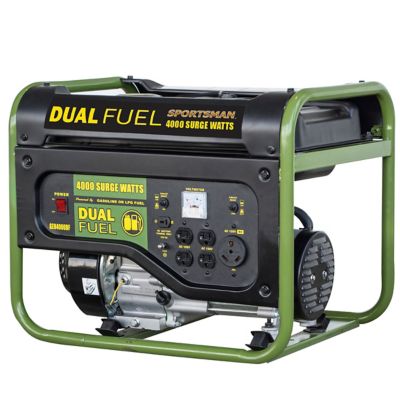
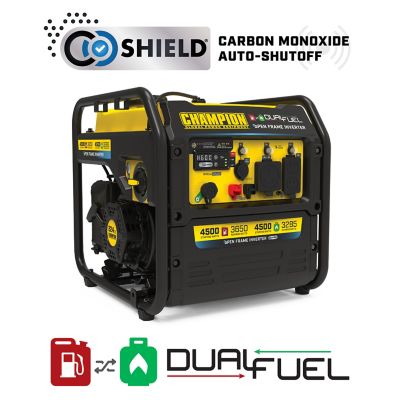
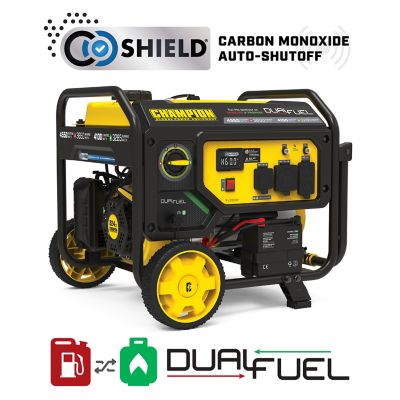
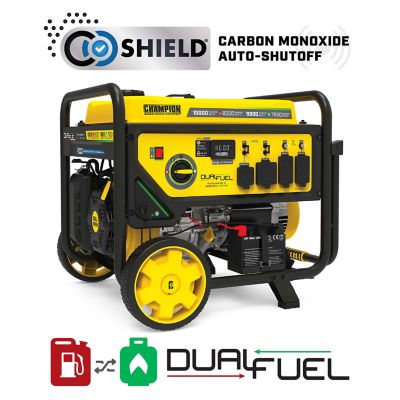
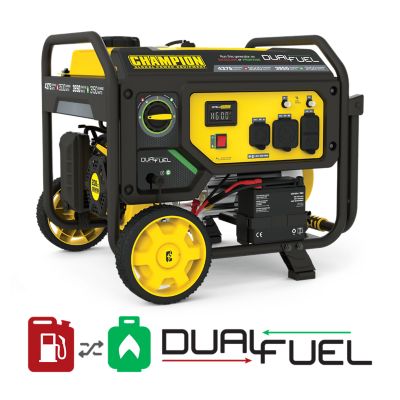
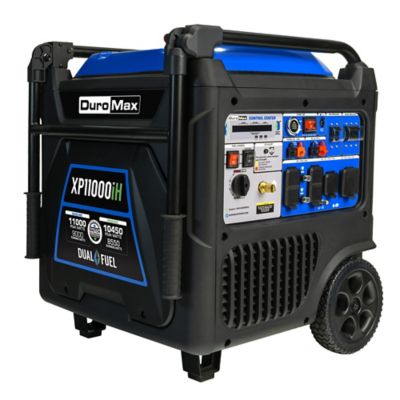
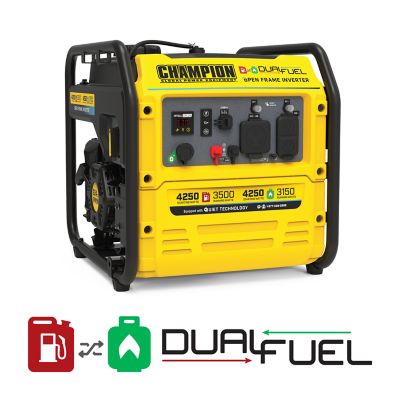
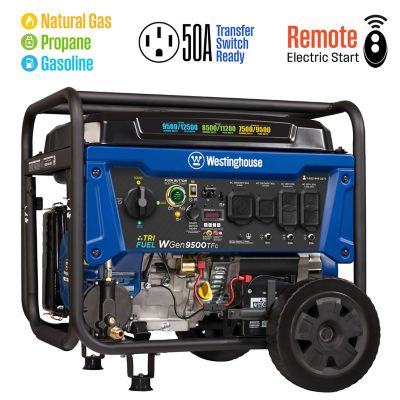
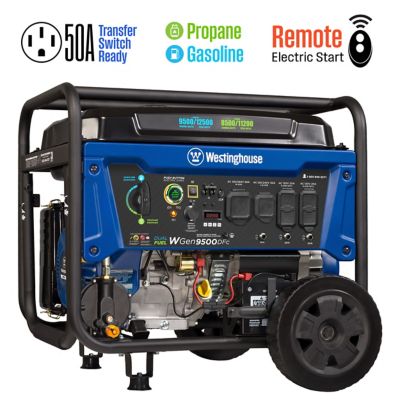
Fuel type, frame construction, and transport features shape how a portable generator fits everyday work. Gasoline-powered generators are a familiar choice for engine-driven portable power, while propane models connect to an appropriate cylinder or supply arrangement. Dual-fuel generators generally operate on gasoline or propane, and tri-fuel models may also accept natural gas through an approved connection. Output can differ by fuel, so the rating for the intended fuel matters as much as the headline wattage. For shoppers who prefer propane,
LPG Portable Generators focus on equipment that runs on liquefied petroleum gas. Propane avoids the gasoline-related carburetor deposits that can develop during storage, but cylinders still need proper handling, secure connections, and storage that follows applicable safety requirements. Natural gas operation requires a compatible supply with sufficient pressure and flow; it is not simply a matter of attaching any available hose. Beyond fuel, an open steel frame can provide convenient lifting points and access for service, while an enclosed housing may help reduce operating sound. Wheels, folding handles, and overall weight make a difference when moving equipment from a storage area to a designated outdoor operating spot. Portability is relative: some generators are manageable for one person, while others require assistance or loading equipment. Dimensions matter for storage and hauling, and weight figures may not include fuel or a separate propane cylinder. Electric starting can simplify startup, although the starting battery needs attention between jobs. Recoil starting avoids dependence on an electric starter but takes physical effort. Outlet types, breaker protection, readable controls, and access to oil and filters all affect day-to-day convenience. A carpenter moving between work areas, a livestock owner powering compatible equipment, and a household setting aside backup power may need very different combinations of these features. Sound ratings deserve a close look, too, because comparisons are most meaningful when the testing distance and operating load are similar.
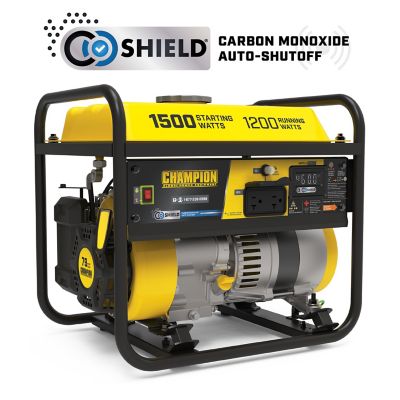
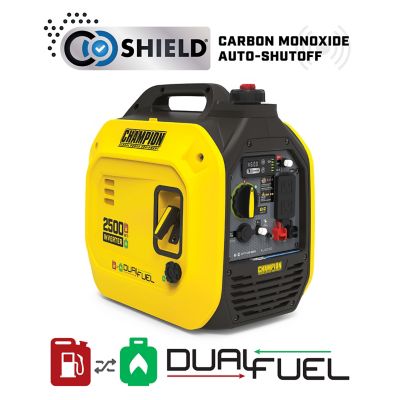
Safe placement and proper connections are just as important as power output. Every fuel-burning portable generator produces carbon monoxide, an invisible, odorless gas that can be deadly. Operation belongs outdoors, at least 20 feet from homes and other occupied buildings, with exhaust directed away from doors, windows, vents, and people. Garages, barns, sheds, crawl spaces, and partially enclosed areas are not safe operating locations, even with doors open. Automatic carbon monoxide shutoff adds a safeguard but does not replace correct placement or working carbon monoxide alarms inside occupied buildings. Battery power stations do not produce combustion exhaust during discharge and may be suitable for indoor operation when their instructions permit it, with ventilation and clearance maintained as directed. Electrical connections also need to match the equipment and the job. Grounded extension cords should have the proper wire gauge, length, and electrical rating for the load, with intact plugs and insulation. Household circuits require an approved transfer switch or other code-compliant transfer equipment installed by a qualified electrician. Plugging a generator into a wall outlet can send electricity back onto utility lines and endanger utility workers and others. Equipment that needs 240-volt service also requires a generator with the correct voltage, outlet, and capacity; an adapter cannot create output the generator does not provide. Grounding and bonding requirements depend on the generator and connection method, making the manual and applicable electrical codes essential references. Routine care helps keep portable power equipment ready for its next job. Engine-driven models need oil checks, filter service, and maintenance at the specified intervals. Engines must be shut down and allowed to cool before refueling, and fuel storage requires approved containers and suitable locations. Battery systems need charging and storage practices that follow their instructions. Keeping controls clean, inspecting cords and hoses, and maintaining clear service access make ownership more straightforward. For a household managing an interruption or a crew working beyond the nearest outlet, the right portable power setup starts with a clear match between the electrical load, operating location, and equipment specifications.