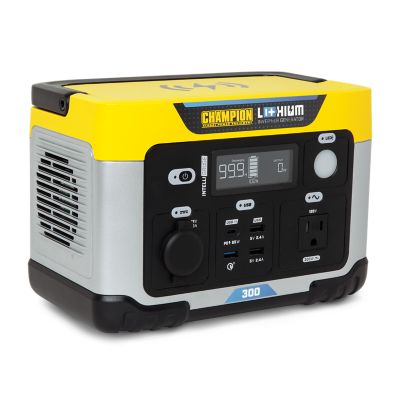
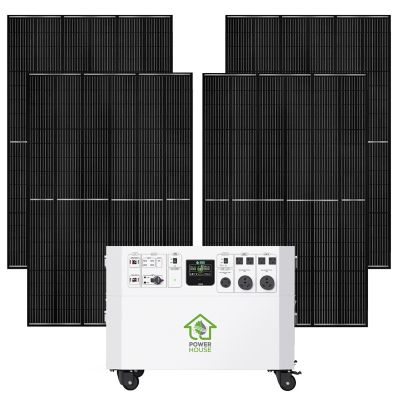
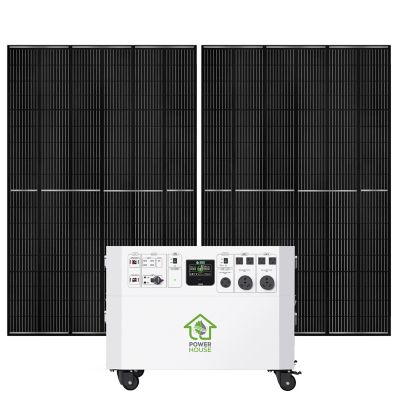
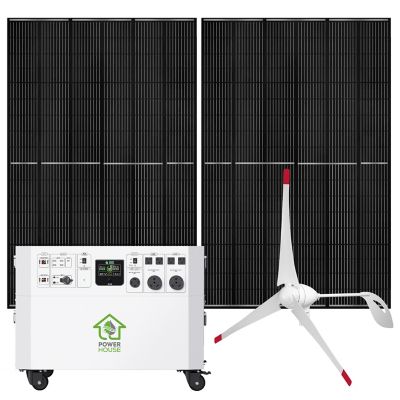
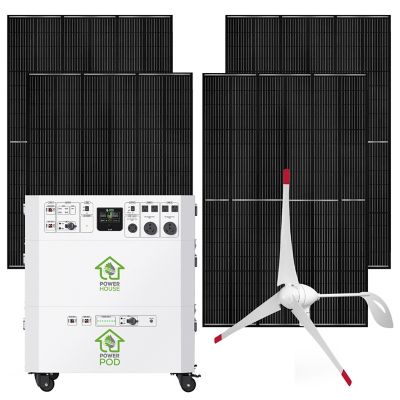
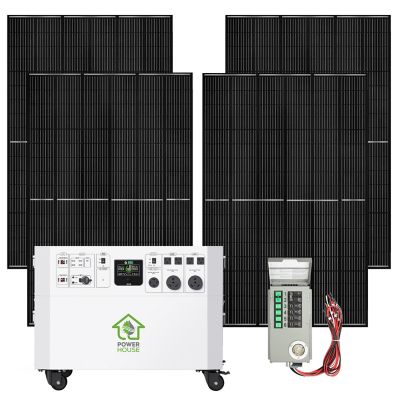
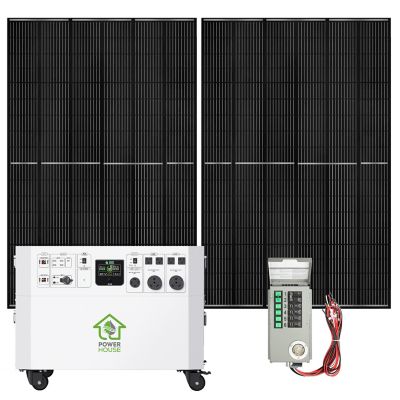
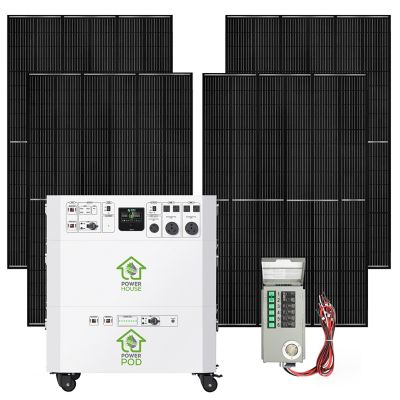
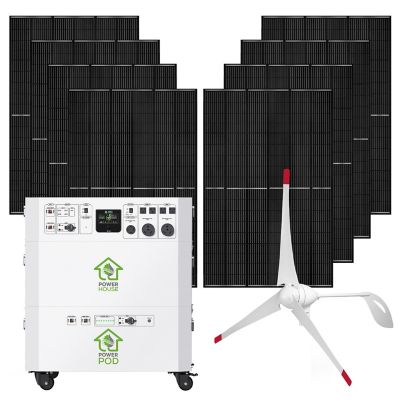
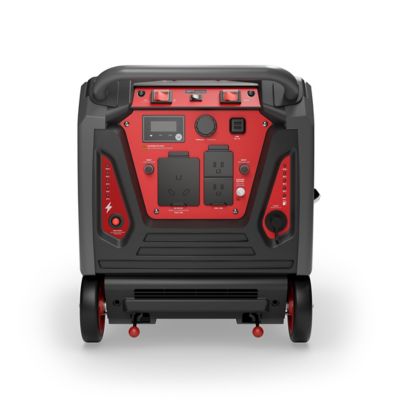
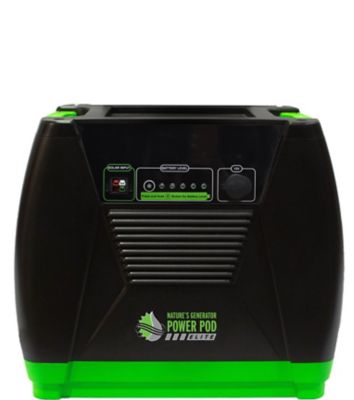
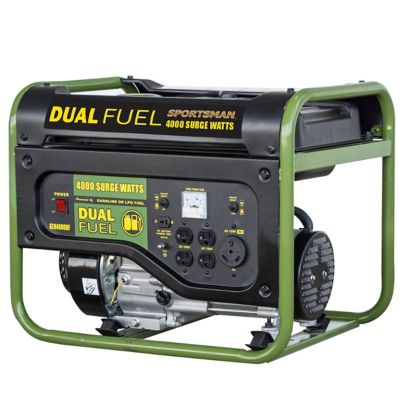
Lithium battery generators bring portable electricity to places where an outlet isn’t close by, from a campsite picnic table to a workbench out by the barn. Also called portable power stations, they store electricity in rechargeable lithium batteries and deliver it through outlets and charging ports. Unlike a fuel-burning generator, a battery power station doesn’t make electricity with an engine. It supplies stored energy until it needs recharging, with no gasoline, oil changes, or engine exhaust during normal operation. That makes these units a practical fit for powering compatible electronics indoors or keeping smaller equipment running away from a building. They’re generally quiet, though cooling fans can still be heard when the unit is charging or carrying a heavier load. Two ratings tell much of the story: watt-hours describe stored energy, while watts describe how much power the unit can deliver at one time. A larger watt-hour rating generally means longer runtime for the same load, not necessarily the ability to operate a bigger appliance. Continuous output needs to cover the combined demand of connected equipment, and surge output matters for motors and compressors that draw extra power when starting. A refrigerator, for example, may need a brief burst of power beyond its normal running demand. As a simple reference, a 1,000-watt-hour battery supplying a steady 100-watt load has a theoretical runtime of 10 hours. Actual runtime will be shorter because of inverter losses, the station’s own power needs, and other operating factors. Appliances that cycle on and off require a different estimate than equipment drawing steady power. For a household keeping a few lights, phones, and a router running through an outage, the right balance may look quite different from a camper powering a portable refrigerator. Electric cooking equipment, space heaters, and other high-draw appliances can drain a battery quickly, even when the station has enough output to start them. Matching the battery’s energy storage and output to the job matters more than choosing by size alone.
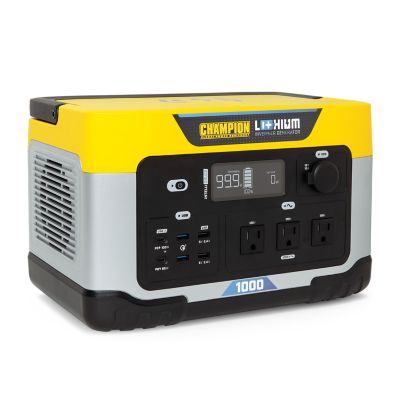
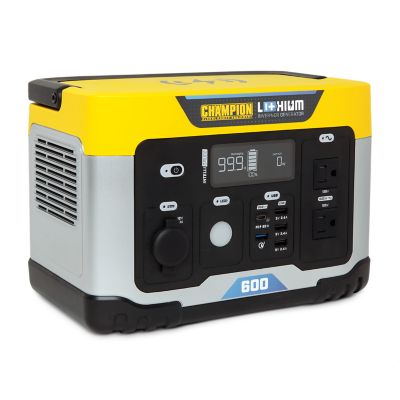
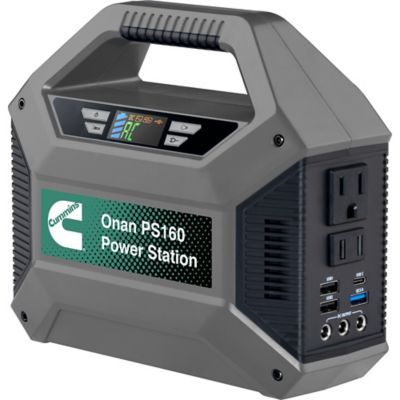
The battery chemistry, housing, controls, and outlet layout all affect how a lithium battery generator fits into everyday work and travel. Lithium iron phosphate, often labeled LiFePO4 or LFP, is one type of lithium battery chemistry commonly associated with a long cycle life. Other lithium-ion chemistries can offer more energy for a given weight, which may matter when carrying a station from the truck to a fishing spot or upstairs during an outage. Published cycle ratings usually describe how many charge and discharge cycles a battery can complete before reaching a stated percentage of its original capacity; they don’t mean the battery suddenly stops working at that point. A battery management system monitors conditions such as voltage, current, and cell temperature, with protection features varying by model. For the outer build, housing materials, reinforced corners, handle placement, and protected connections deserve attention when a unit will ride alongside camping gear or travel between outbuildings. A sturdy-looking case doesn’t automatically mean the station can handle water, dust, or a hard drop, so manufacturer ratings matter. Weight and dimensions also make a difference beyond transport. The unit needs a stable resting place with room around its vents, and plugs should remain easy to reach without bending cords sharply against a wall or cabinet. AC outlets serve compatible household equipment, while USB-A, USB-C, and DC connections support different charging needs. USB-C power ratings vary, so a port suited to a phone may not provide the output a laptop needs. Pure sine wave AC output is another feature worth checking for equipment that calls for that type of electrical supply. Displays that show charge level, incoming power, and outgoing power help make the station’s workload easier to understand at a glance. The broader category of
Battery Powered Generators includes different capacity ranges and connection layouts, making physical fit and electrical compatibility just as important as the number of outlets.
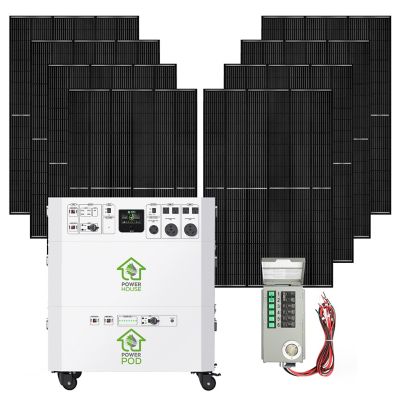
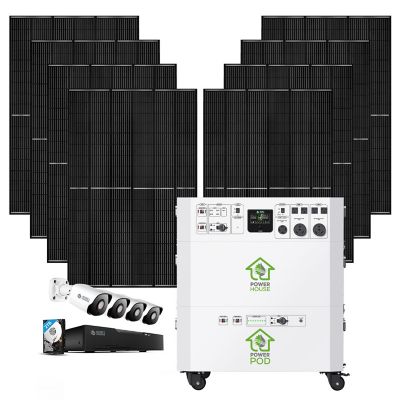
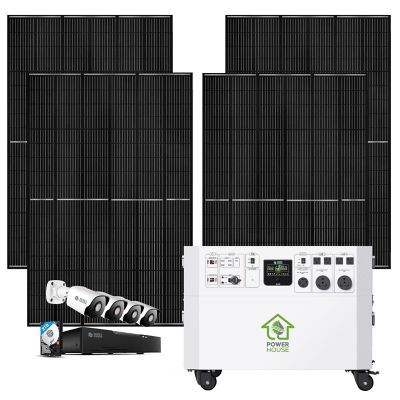
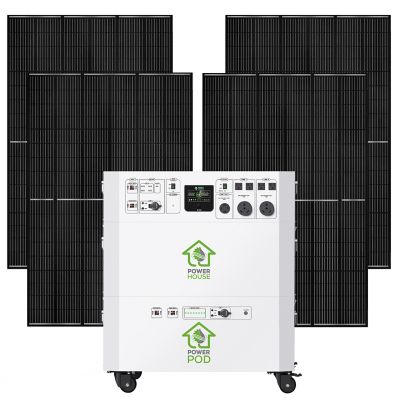
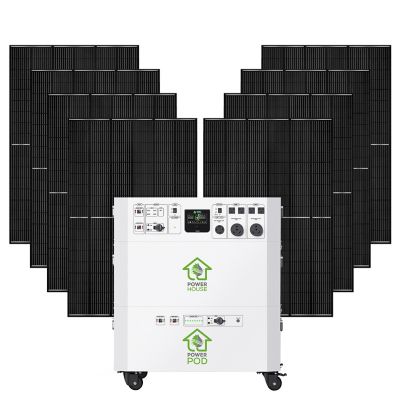
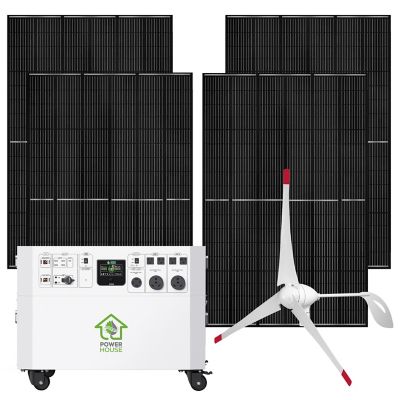
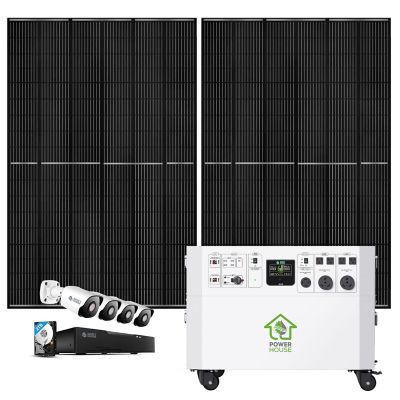
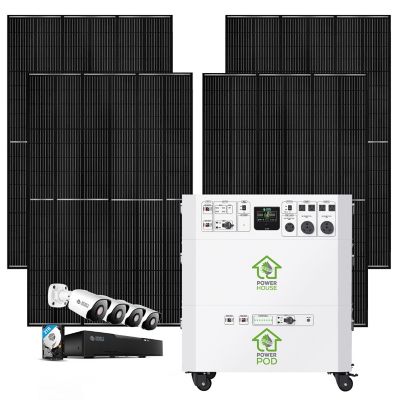
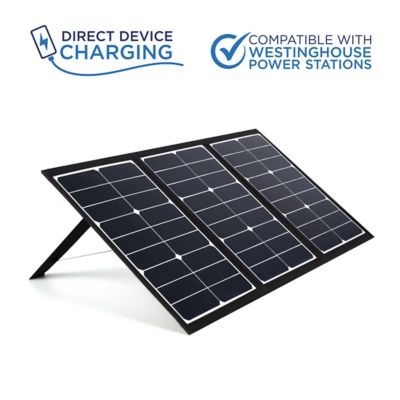
Recharging options help determine where a lithium battery generator can earn its keep. Wall charging is convenient before a trip or between jobs, while vehicle charging can replenish supported units on the road with the proper connection. Charging speed depends on the station’s input limit and the power source, so a fast wall-charge rating doesn’t mean the same charging time from a vehicle outlet. Solar-compatible power stations can accept electricity from suitable panels, but panel voltage, current, connectors, and the station’s solar input limits must match. The term solar generator generally describes a battery power station paired with solar panels, rather than a battery that recharges itself. Actual solar charging varies with panel placement, shading, and sunlight, and panels may be separate from the station. For someone spending a few days at a campsite, that setup can support modest daily loads without running an engine nearby. Around the homestead, a portable station may keep a laptop and task light going in a shed without permanent electrical service, or charge compatible cordless-tool batteries near a repair job. It isn’t automatically a substitute for a generator intended to run large shop equipment, a well pump, or an entire house. Home-circuit backup requires equipment designed for that purpose and a properly installed transfer arrangement; a portable station must never feed household wiring through a wall receptacle. Medical equipment also calls for checking device requirements and manufacturer compatibility rather than assuming any AC outlet will do. Routine care is straightforward but still important: keep the housing and ports clean and dry, leave ventilation openings clear, and follow the manufacturer’s storage and charging directions. Inspect cords and connections before plugging in, and stop operating a unit with a damaged case or battery. Periodic charge checks help keep stored equipment ready for its next job. For campers, property owners, and households wanting backup power for a few essentials, a well-matched lithium battery generator offers a manageable way to bring electricity along without fuel cans or engine upkeep.