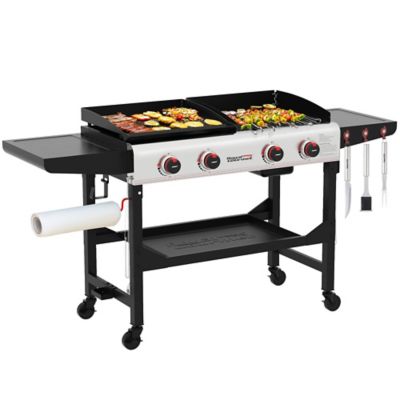
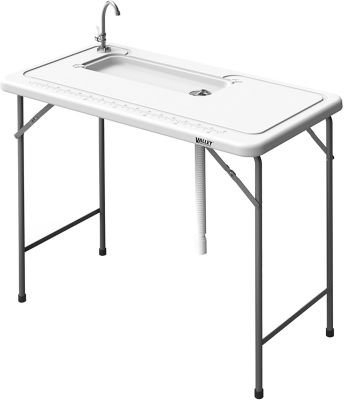
Fourth Of July Sale On Backyard Grill And Prep Station
Get your backyard ready for the big celebration with our Backyard Grill And Prep Station Fourth Of July Sale. Whether you're planning a family cookout or a neighborhood gathering, you’ll find everything you need to fire up the grill and serve up summer favorites. Stock up on essentials for outdoor cooking and entertaining, all at prices that make it easy to kick back and enjoy the holiday. Make this Fourth of July one to remember with deals that help you savor every moment outside.
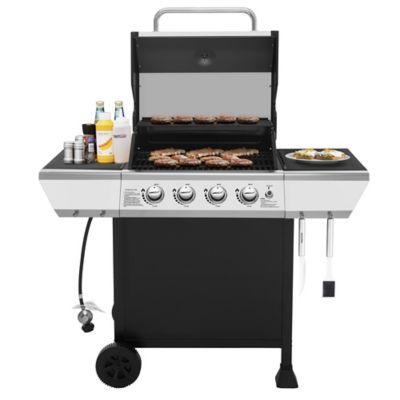
$219
.99
Sale Was $244.99 Save $25.00 (10%)
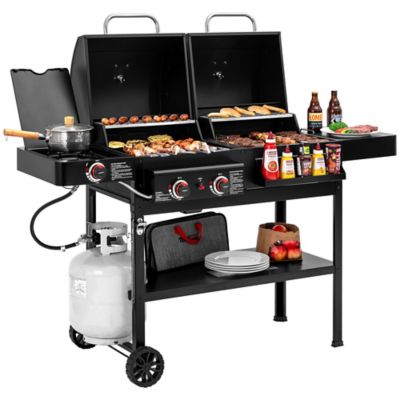
$289
.99
Sale Was $329.99 Save $40.00 (12%)


$94
.99
Sale Was $99.99 Save $5.00 (5%)

$199
.99
Sale Was $229.99 Save $30.00 (13%)
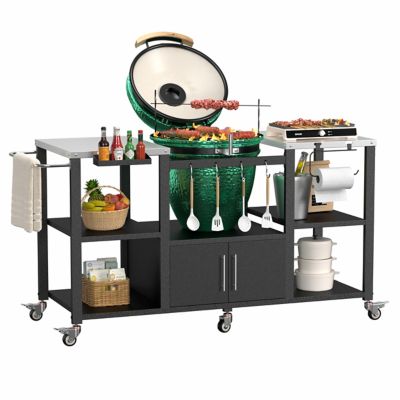
$149
.99
Sale Was $279.99 Save $130.00 (46%)
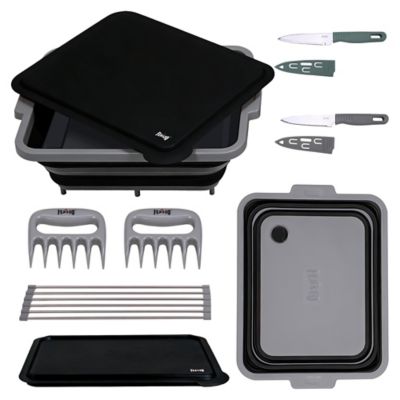
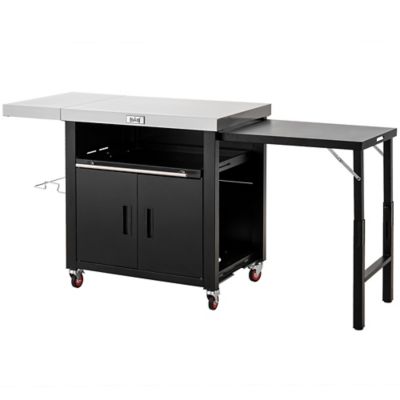
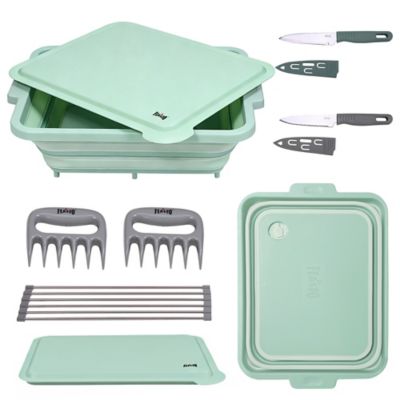
$799
.00
Sale Was $899.00 Save $100.00 (11%)
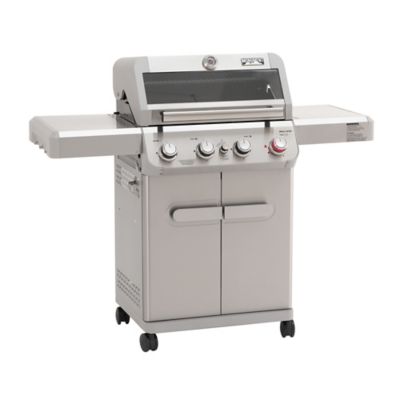
$390
.99
Sale Was $459.99 Save $69.00 (15%)
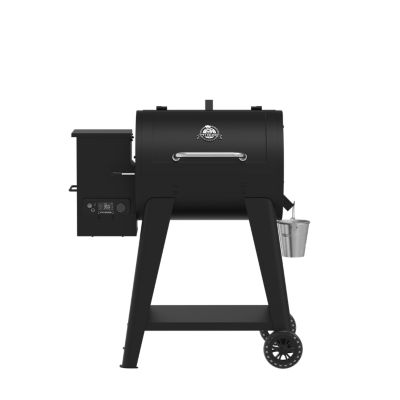
$399
.99
Sale Was $449.99 Save $50.00 (11%)
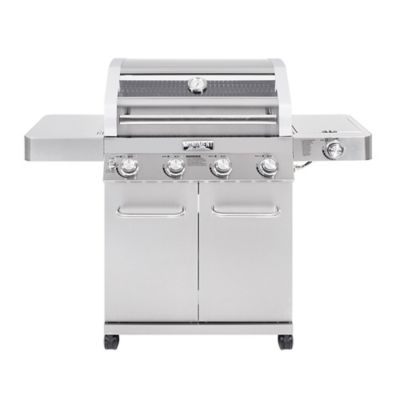
$494
.99
Sale Was $549.99 Save $55.00 (10%)
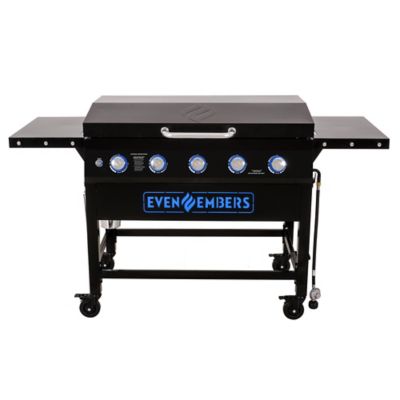
$299
.99
Sale Was $399.99 Save $100.00 (25%)
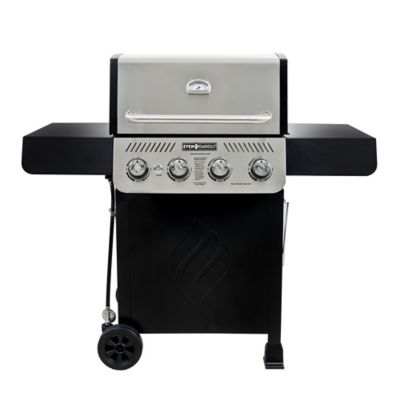
$219
.99
Sale Was $249.99 Save $30.00 (12%)
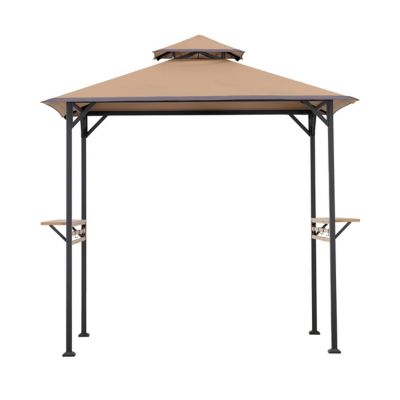
$163
.99
Sale Was $217.99 Save $54.00 (25%)
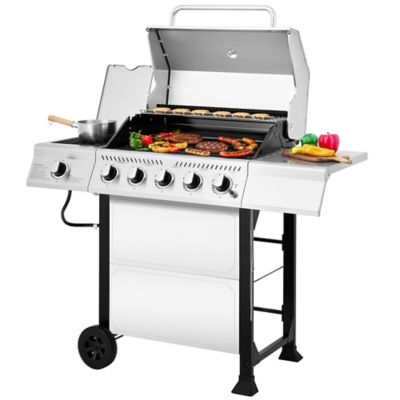
$280
.99
Sale Was $329.99 Save $49.00 (15%)
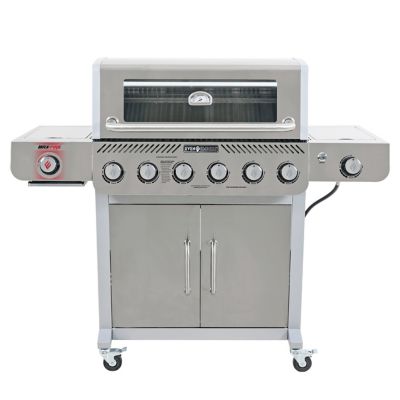
$499
.99
Sale Was $549.99 Save $50.00 (9%)
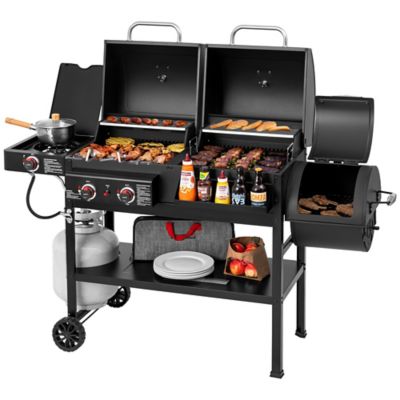
$339
.99
Sale Was $379.99 Save $40.00 (11%)
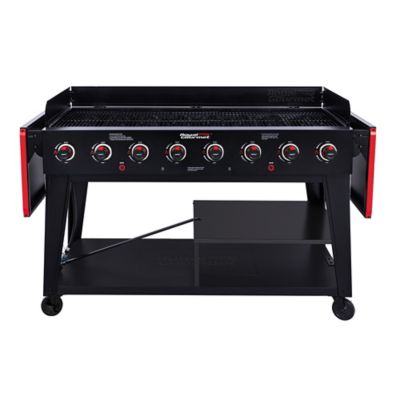
$489
.99
Sale Was $549.99 Save $60.00 (11%)
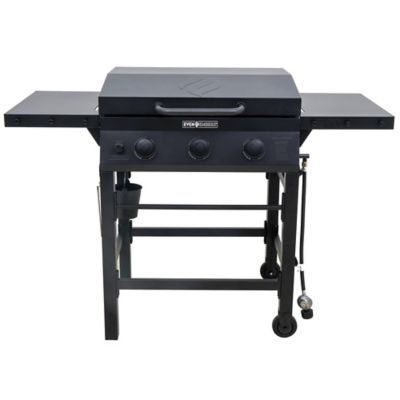
Best Of FAQ
What features should I look for in a backyard grill for summer gatherings?
When choosing a backyard grill for summer events like the Fourth of July, consider features such as cooking surface area, fuel type (charcoal, gas, or pellet), temperature control options, side burners, and built-in prep stations. These features can enhance your grilling experience and make entertaining guests easier.
How can a prep station improve my outdoor grilling experience?
A prep station provides convenient space for food preparation, utensil storage, and serving. It helps keep ingredients organized and within reach, reducing trips to the kitchen and allowing you to focus on grilling and entertaining your guests.
Are there grills designed specifically for outdoor parties or large gatherings?
Yes, many grills are designed with larger cooking surfaces and additional features like multiple burners or warming racks to accommodate bigger groups. Some models also include integrated prep stations or shelves to help manage food and tools during large gatherings.
What maintenance is required to keep my backyard grill in good condition?
Regular maintenance includes cleaning the grates after each cookout, emptying ash or grease trays, checking burners for blockages (for gas grills), and covering the grill when not in use. Periodic deep cleaning and inspection of parts will help extend the life of your grill.
Can I enjoy a backyard grill year-round or is it just for summer holidays?
Backyard grills are versatile and can bring great results throughout the year. While they are popular during summer holidays like the Fourth of July, many people enjoy grilling in all seasons. Just ensure proper care and storage during colder months to maintain performance.
Best Sellers
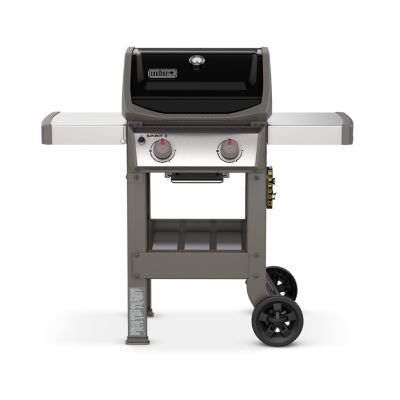
-
"Wasn’t sure if I wanted to commit to only having a flat top grill, this is the best of both worlds"
-
"It starts easy, love that it’s on 4 wheels for easy moving, see through window while cooking, they put"
-
"It starts easy, love that it’s on 4 wheels for easy moving, see through window while cooking, they put"
-
"Bought for my husband for Christmas when it was on sale & it's great, however, it came with a picture"
-
"Cooks evenly, heats quickly, great for searing as well as low and slow cooking"