Backyard BBQ Prep Station Cart Fourth Of July Sale
Fire up the grill and get ready to celebrate with the Backyard BBQ Prep Station Cart Fourth Of July Sale. Whether you're hosting the whole neighborhood or just hanging out with family, having a solid prep station cart makes it easy to keep all your grilling essentials close at hand. Stock up now and make sure your backyard cookouts go off without a hitch, all while taking advantage of some great holiday deals.
$229
.99
Sale Was $259.99 Save $30.00 (12%)
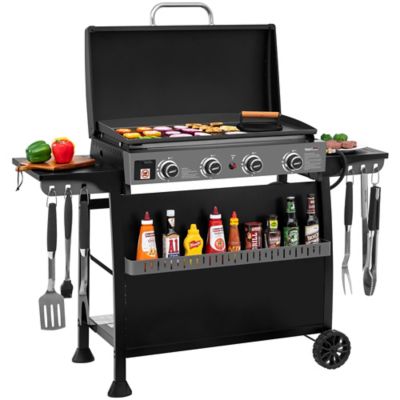
$239
.99
Sale Was $269.99 Save $30.00 (11%)
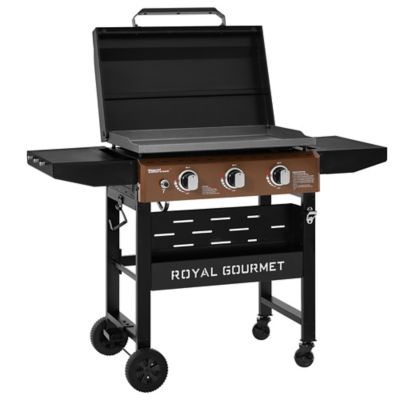
$229
.99
Sale Was $259.99 Save $30.00 (12%)
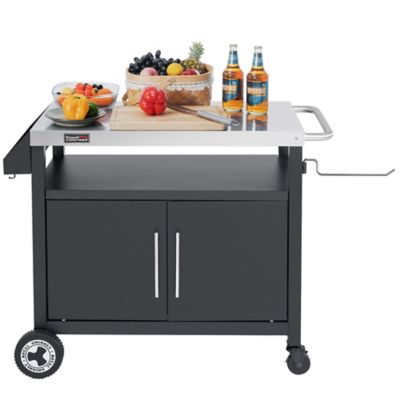
$159
.99
Sale Was $179.99 Save $20.00 (11%)
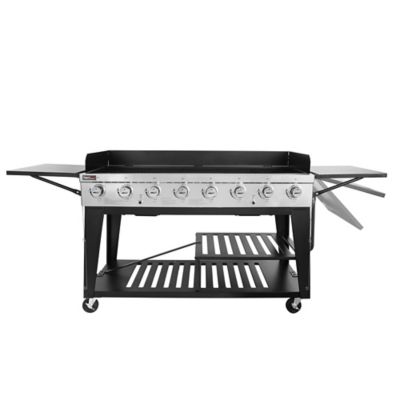
$497
.99
Sale Was $559.99 Save $62.00 (11%)
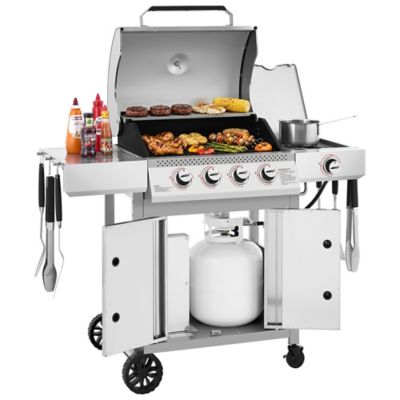
$359
.99
Sale Was $399.99 Save $40.00 (10%)
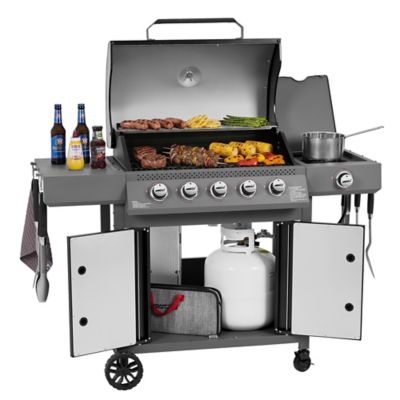
$379
.99
Sale Was $419.99 Save $40.00 (10%)
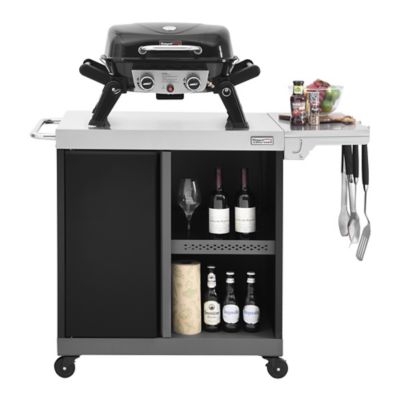
$149
.99
Sale Was $169.99 Save $20.00 (12%)
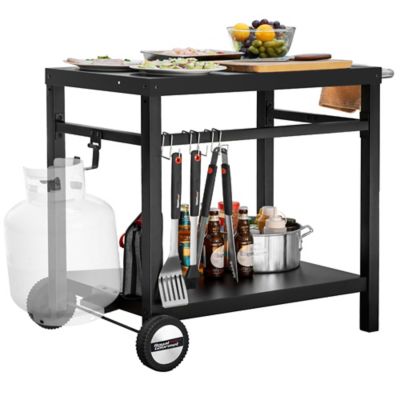
$116
.99
Sale Was $129.99 Save $13.00 (10%)
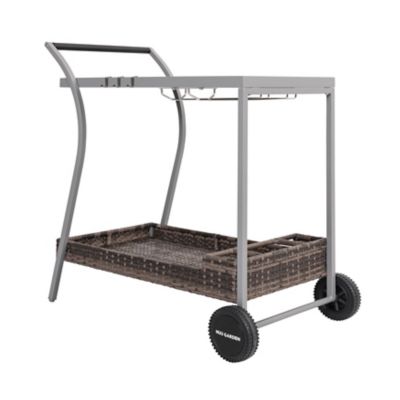
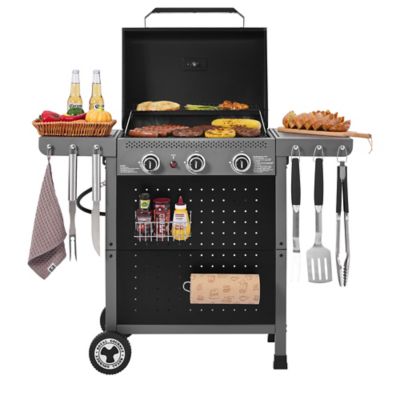
$179
.99
Sale Was $199.99 Save $20.00 (10%)
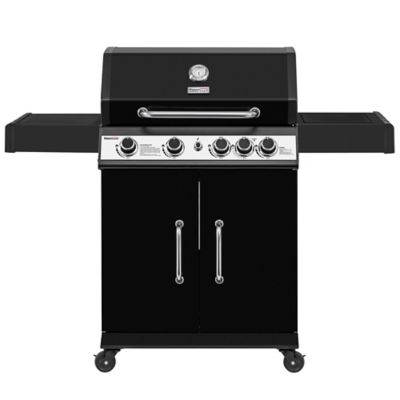
$289
.99
Sale Was $329.99 Save $40.00 (12%)
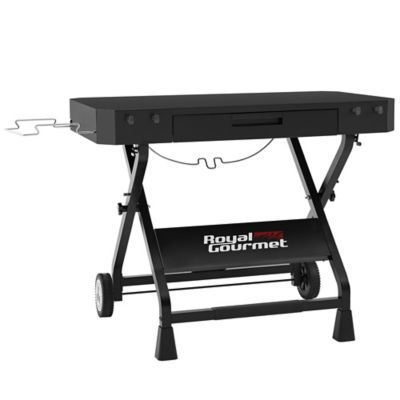
$129
.99
Sale Was $144.99 Save $15.00 (10%)
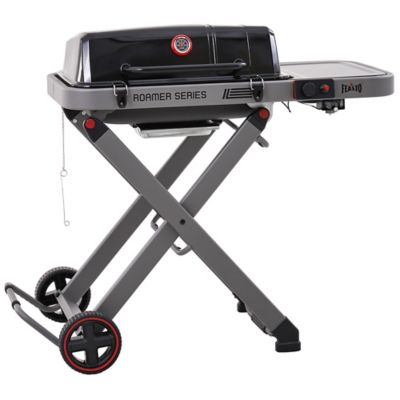
$249
.99
Sale Was $399.99 Save $150.00 (38%)
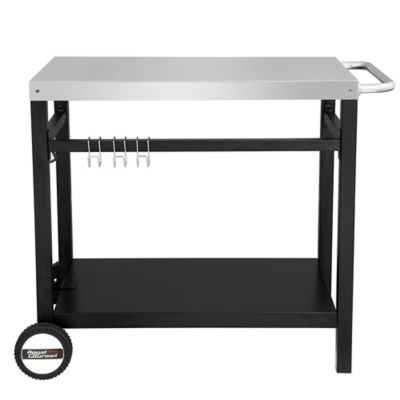
$116
.99
Sale Was $129.99 Save $13.00 (10%)
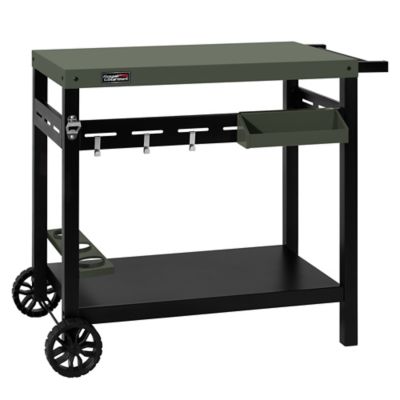
$79
.99
Sale Was $89.99 Save $10.00 (11%)
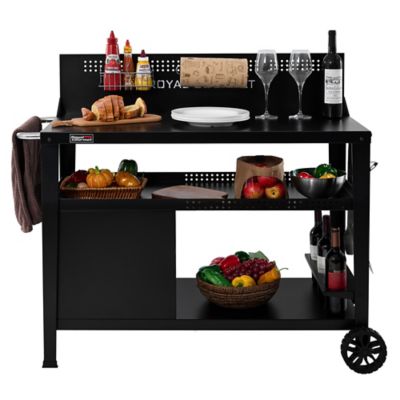
$139
.99
Sale Was $169.99 Save $30.00 (18%)
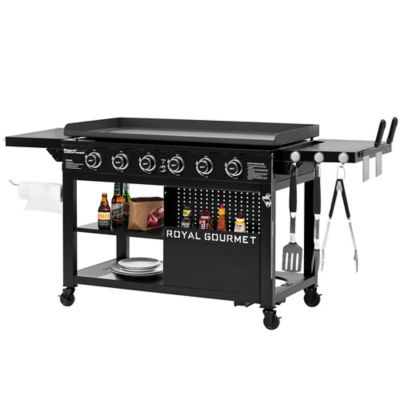
$557
.99
Sale Was $619.99 Save $62.00 (10%)

$324
.99
Sale Was $359.99 Save $35.00 (10%)
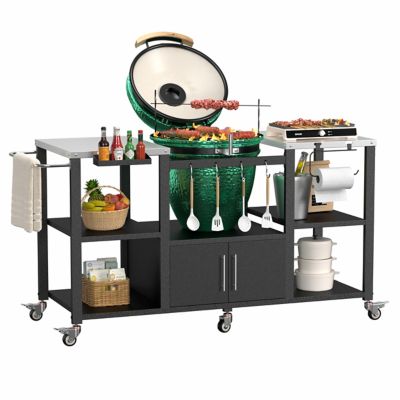
$149
.99
Sale Was $279.99 Save $130.00 (46%)
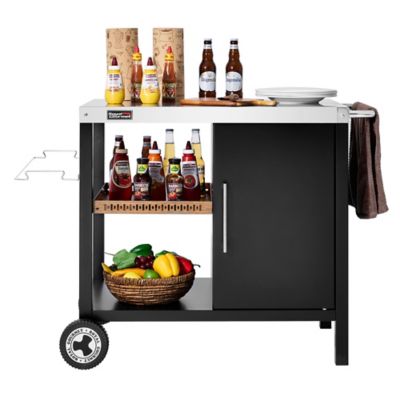
$109
.99
Sale Was $124.99 Save $15.00 (12%)

$269
.99
Sale Was $299.99 Save $30.00 (10%)

$209
.99
Sale Was $239.99 Save $30.00 (13%)
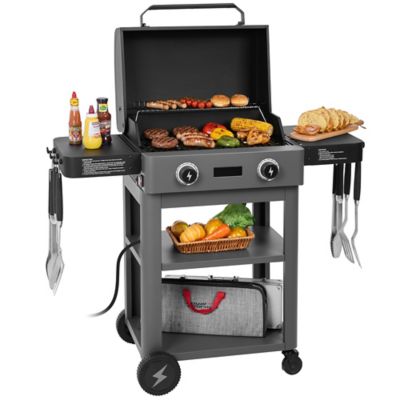
$229
.99
Sale Was $319.99 Save $90.00 (28%)
Best Of FAQ
What features should I look for in a backyard BBQ prep station cart?
When choosing a backyard BBQ prep station cart, consider features like ample counter space, built-in storage shelves or cabinets, hooks for utensils, easy-to-clean surfaces, and wheels for mobility. Some carts also offer integrated cutting boards or spice racks for added convenience.
How can a BBQ prep station cart enhance my Fourth of July cookout?
A BBQ prep station cart helps keep your grilling area organized by providing dedicated space for prepping food, storing utensils, and holding condiments. This allows you to spend more time enjoying the festivities and less time searching for supplies during your Fourth of July celebration.
Are BBQ prep station carts suitable for both small and large gatherings?
Yes, BBQ prep station carts are versatile and work well for gatherings of any size. They help streamline meal preparation and serving whether you're hosting an intimate family barbecue or a large Fourth of July party.
Can I repurpose a BBQ prep station cart for activities other than grilling?
Absolutely! While designed for outdoor cooking, these carts are also great as beverage stations, snack bars, or even gardening workstations when not serving as barbecue prep areas.
How do I maintain my backyard BBQ prep station cart throughout the summer?
To keep your BBQ prep station cart in top shape, regularly wipe down surfaces after use, store it under cover or indoors when not in use to protect from weather, and check wheels and hardware periodically to ensure everything stays secure and functional.
Best Sellers
-
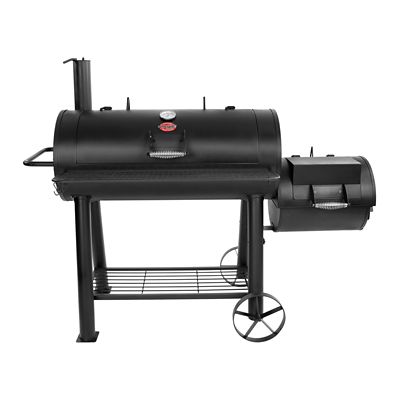
"I've had mine since 2015,best smoker I ever had.I love the offset for smoking brisket chicken and salmon"
-
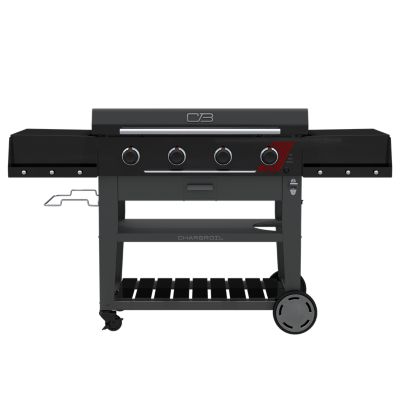
"Super easy to clean and definitely a great grill by a great brand"
-
"Large workspace and the shelves are great and perfect for storing tools for grill the door on other side"
-
"I never use my grill and this does a great job and works best with my needs"
-
"The quality is great. It is sleek and modern with clean lines and is very solid and sturdy"