4th Of July Sale On Backyard Family Cookout Essentials
Fire up the grill and gather your crew, because the 4th of July sale on backyard family cookout essentials is here at Tractor Supply! Whether you’re planning a big bash or just a laid-back evening with friends and family, we’ve got everything you need to make your celebration easy and fun. From outdoor cooking must-haves to yard games and comfy seating, you’ll find deals that’ll help you throw a star-spangled get-together without breaking the bank. Let’s make this Independence Day one to remember!
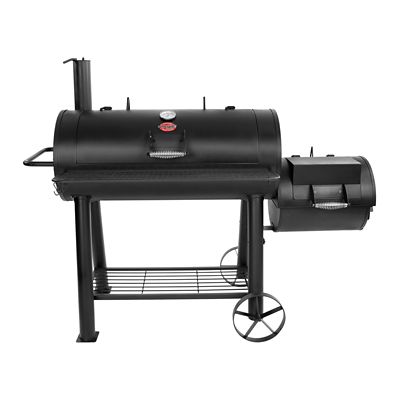
$329
.99
Sale Was $399.99 Save $70.00 (18%)
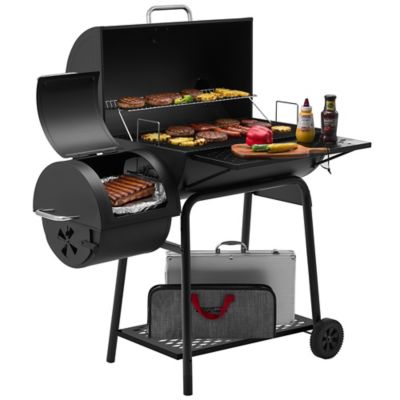
$299
.99
Sale Was $399.99 Save $100.00 (25%)
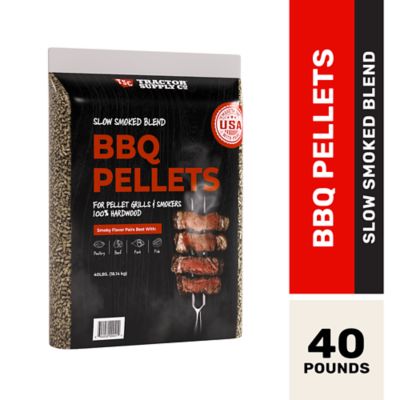
$119
.99
Sale Was $134.99 Save $15.00 (11%)
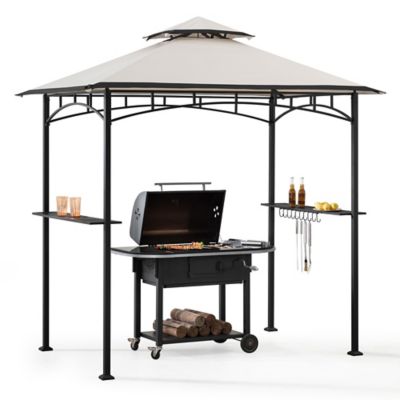
$109
.99
Sale Was $200.99 Save $91.00 (45%)
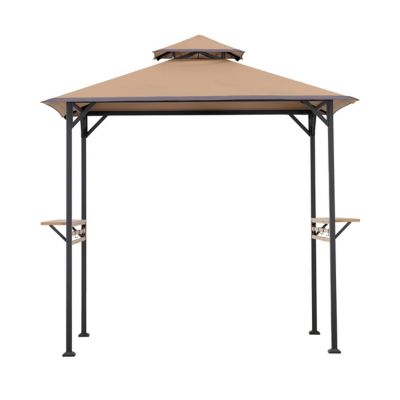
$163
.99
Sale Was $217.99 Save $54.00 (25%)
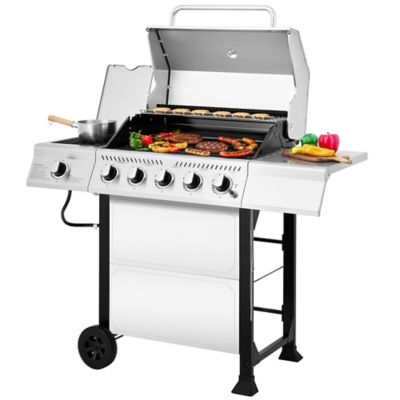
$280
.99
Sale Was $329.99 Save $49.00 (15%)

$263
.99
Sale Was $329.99 Save $66.00 (20%)
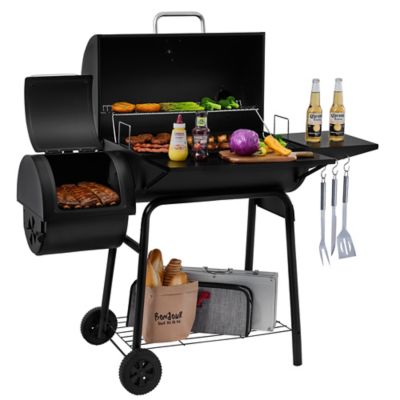
$149
.99
Sale Was $169.99 Save $20.00 (12%)
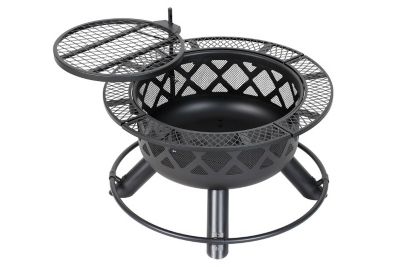
$143
.99
Sale Was $179.99 Save $36.00 (20%)
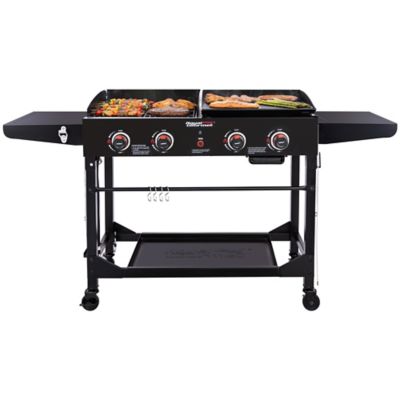
$269
.99
Sale Was $299.99 Save $30.00 (10%)
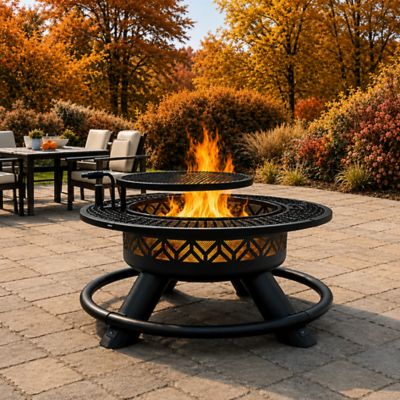
$263
.99
Sale Was $329.99 Save $66.00 (20%)
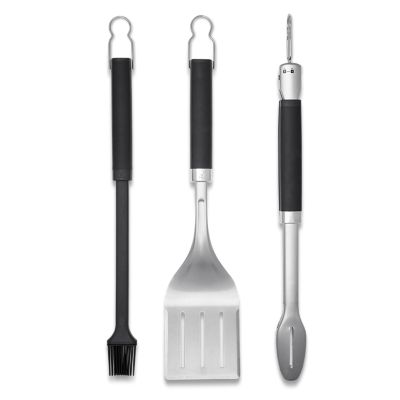
$23
.99
Sale Was $39.99 Save $16.00 (40%)
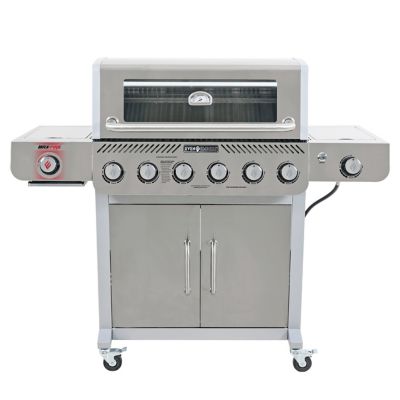
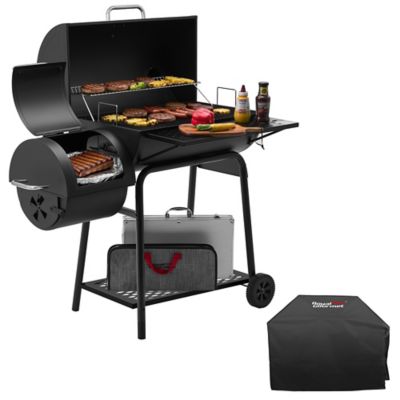
$139
.99
Sale Was $159.99 Save $20.00 (13%)
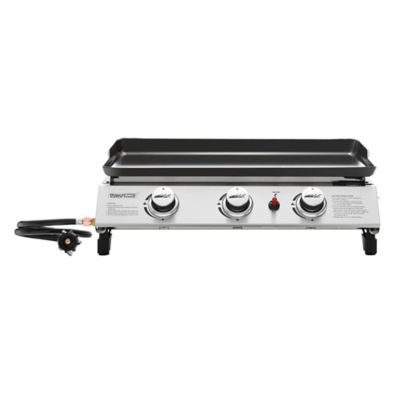
$89
.99
Sale Was $99.99 Save $10.00 (10%)
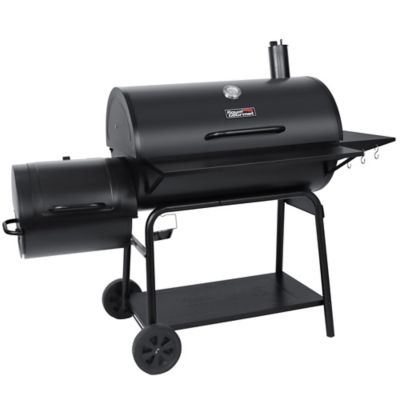
$209
.99
Sale Was $229.99 Save $20.00 (9%)
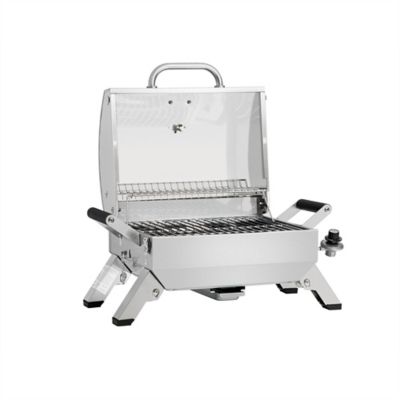
$119
.99
Sale Was $134.99 Save $15.00 (11%)
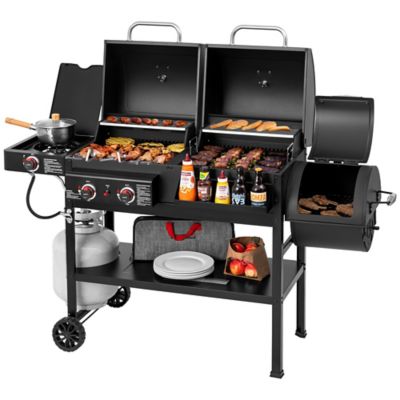
$339
.99
Sale Was $379.99 Save $40.00 (11%)
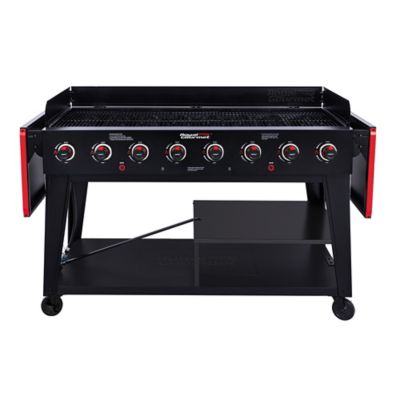
$489
.99
Sale Was $549.99 Save $60.00 (11%)
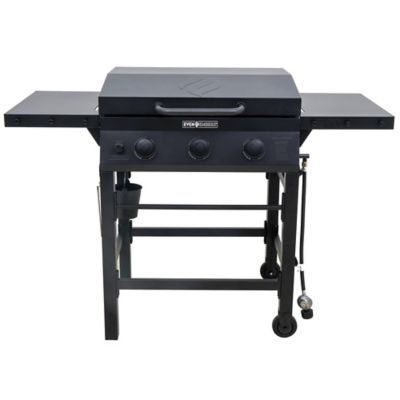
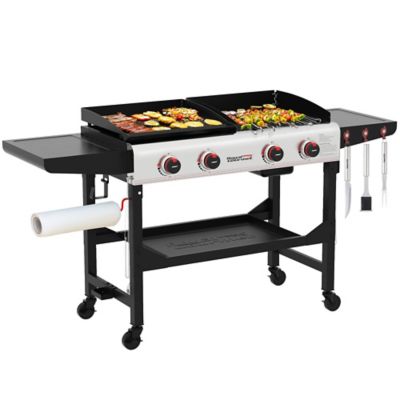
$229
.99
Sale Was $259.99 Save $30.00 (12%)
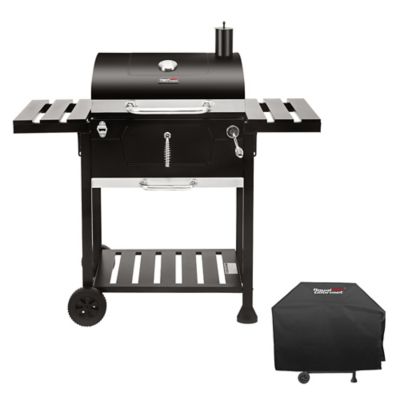
$139
.99
Sale Was $149.99 Save $10.00 (7%)
Best Of FAQ
What are some must-have items for a backyard family cookout?
Essential items for a backyard family cookout include grills or smokers, charcoal or propane, grilling tools, outdoor seating, coolers for beverages, serving platters, and outdoor lighting. Don't forget extras like picnic tables, shade umbrellas, and insect repellents to keep everyone comfortable.
How can I create a festive atmosphere for a Fourth of July cookout?
To create a festive atmosphere, decorate with patriotic colors using tablecloths, banners, and string lights. Add themed dinnerware and napkins, play upbeat music, and set up lawn games like cornhole or horseshoes to keep guests entertained.
What types of grills are best for backyard cookouts?
Popular grill options include charcoal grills for smoky flavor, gas grills for convenience and quick heating, and pellet grills for precise temperature control. The best choice depends on your cooking preferences and the size of your gatherings.
Which accessories can make outdoor cooking easier during a family gathering?
Helpful accessories include grill tool sets, meat thermometers, grill mats or baskets for delicate foods, heat-resistant gloves, and food tents to protect dishes from insects. Serving carts and portable tables also help organize food and supplies.
How can I keep food and drinks cold during an outdoor cookout?
Use insulated coolers filled with ice packs or ice to store perishable foods and beverages. Consider separate coolers for drinks and food to minimize opening frequency. Placing coolers in shaded areas will help maintain lower temperatures throughout your event.
Best Sellers
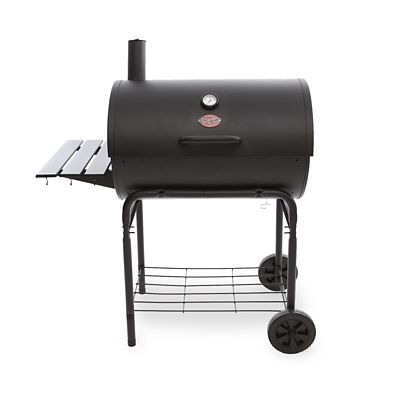
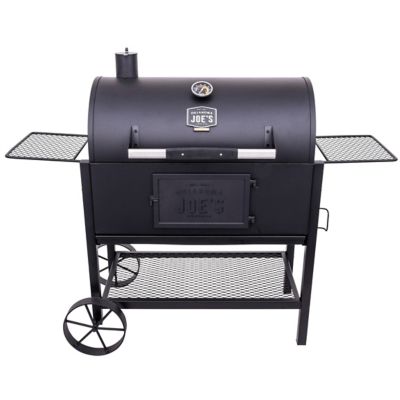
-
"I never use my grill and this does a great job and works best with my needs"
-
"looks and Price best deal in town"
-
"This is great to use year round. I love the top grill part. It works great for grilling hot dogs"
-
"My dogs love this!! This is the best food, different size pieces"
-
"such a great firepit. We purchased this for our dtrs. first home"