


Backyard BBQ Party Essentials Fourth Of July Sale
Fire up the grill and get ready to celebrate with everything you need for a star-spangled cookout at the Backyard BBQ Party Essentials Fourth Of July Sale. Whether you're hosting family, friends, or the whole neighborhood, we've got all the must-haves to make your backyard bash a hit. From grilling gear and outdoor seating to festive décor and more, it's easy to stock up and save while making memories that last all summer long.
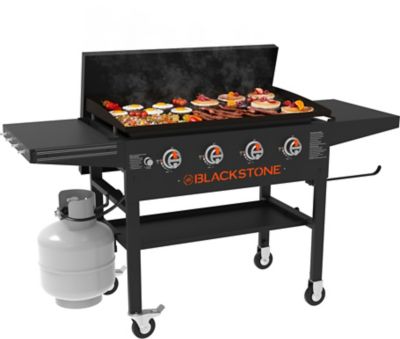
$349
.99
Sale Was $399.99 Save $50.00 (13%)
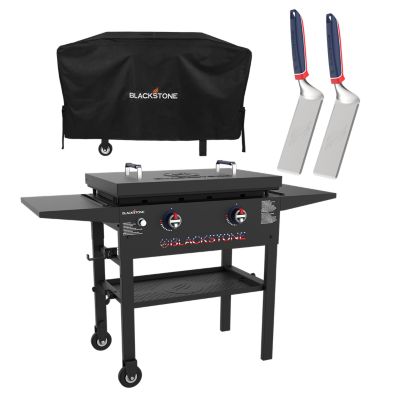
$329
.99
Sale Was $399.99 Save $70.00 (18%)
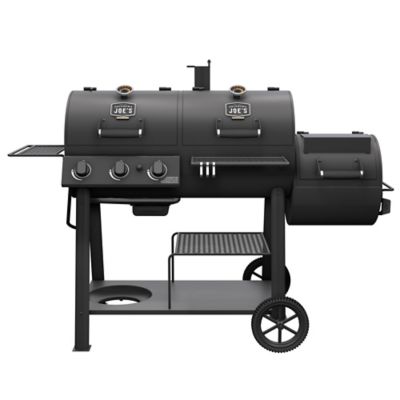
$529
.99
Sale Was $599.99 Save $70.00 (12%)
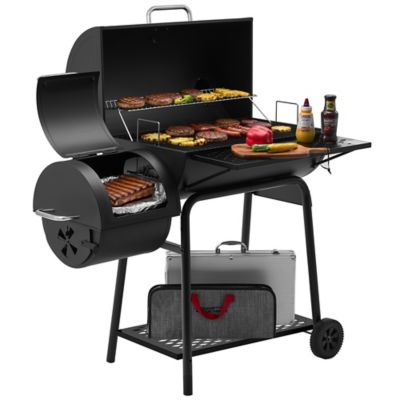
$119
.99
Sale Was $134.99 Save $15.00 (11%)
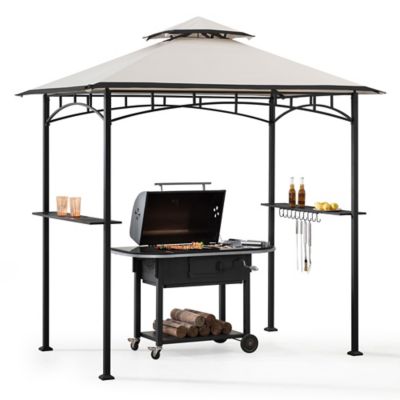
$109
.99
Sale Was $200.99 Save $91.00 (45%)
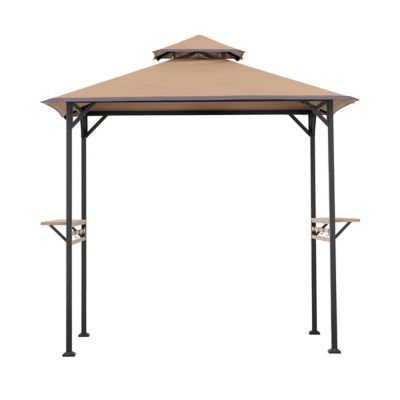
$163
.99
Sale Was $217.99 Save $54.00 (25%)
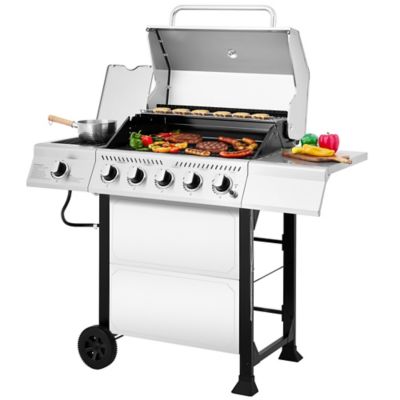
$280
.99
Sale Was $329.99 Save $49.00 (15%)

$263
.99
Sale Was $329.99 Save $66.00 (20%)
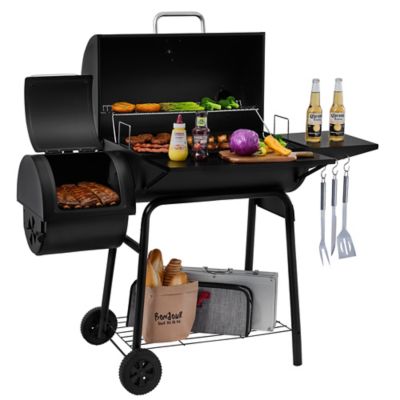
$149
.99
Sale Was $169.99 Save $20.00 (12%)
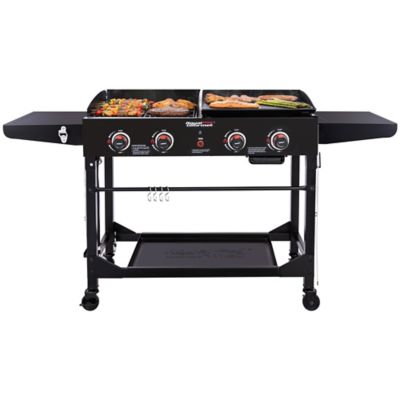
$269
.99
Sale Was $299.99 Save $30.00 (10%)
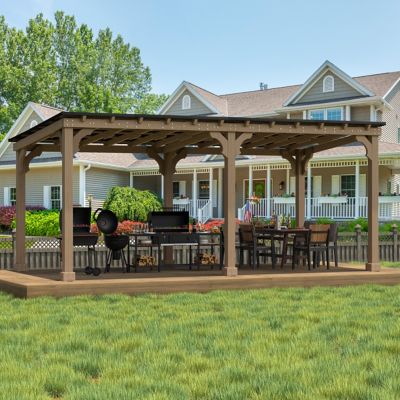
$1,399
.99
Sale Was $1,499.99 Save $100.00 (7%)
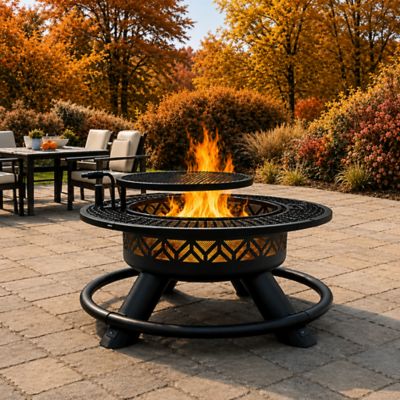
$263
.99
Sale Was $329.99 Save $66.00 (20%)
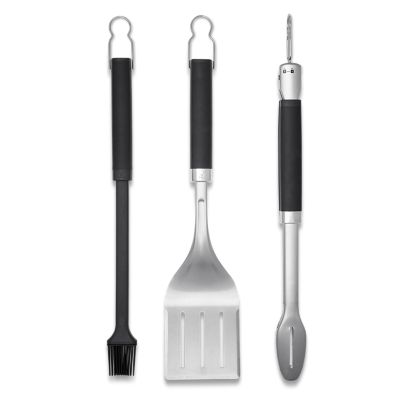
$23
.99
Sale Was $39.99 Save $16.00 (40%)
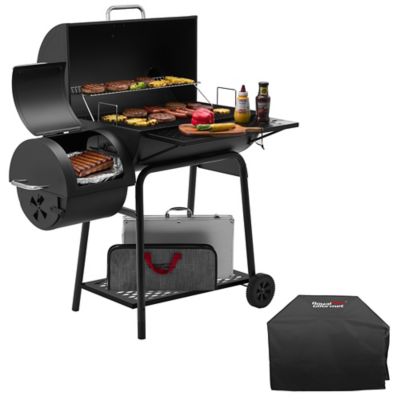
$139
.99
Sale Was $159.99 Save $20.00 (13%)
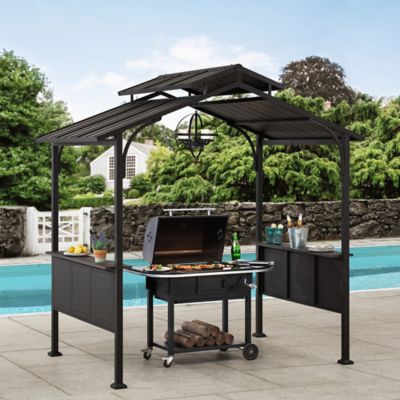
$499
.99
Sale Was $899.99 Save $400.00 (44%)
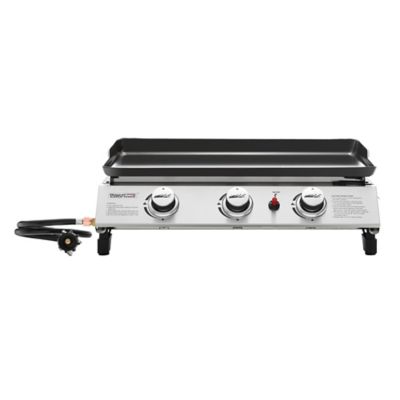
$89
.99
Sale Was $99.99 Save $10.00 (10%)
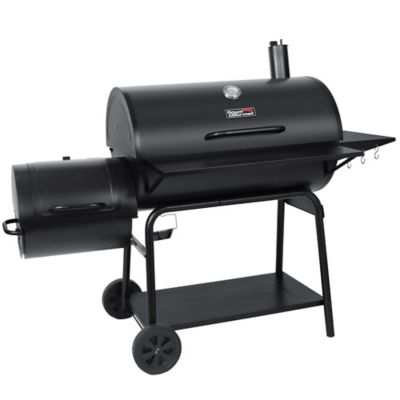
$209
.99
Sale Was $229.99 Save $20.00 (9%)
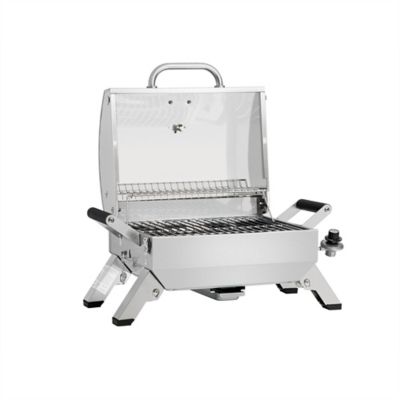
$119
.99
Sale Was $134.99 Save $15.00 (11%)
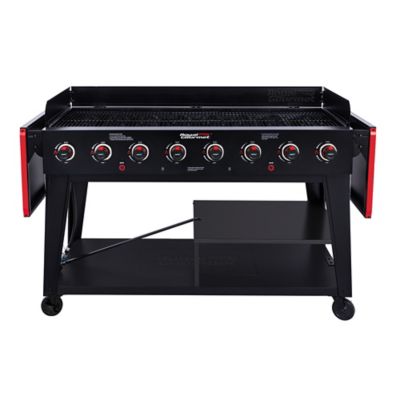
$489
.99
Sale Was $549.99 Save $60.00 (11%)
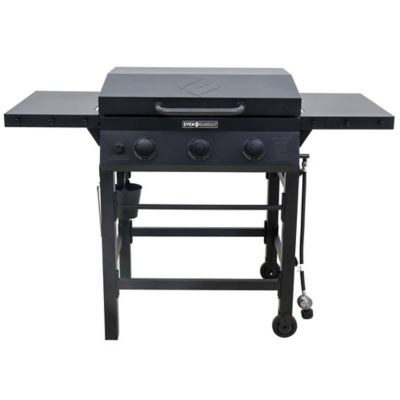
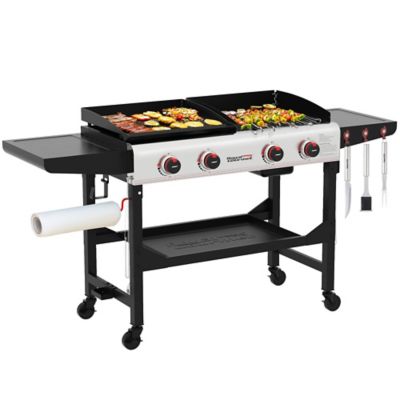
$229
.99
Sale Was $259.99 Save $30.00 (12%)
$159
.99
Sale Was $169.99 Save $10.00 (6%)
$29
.99
Sale Was $49.99 Save $20.00 (40%)
$95
.99
Sale Was $159.99 Save $64.00 (40%)
Best Of FAQ
What are some must-have essentials for hosting a backyard BBQ party?
Must-have essentials for a backyard BBQ party include a dependable grill, grilling tools, charcoal or propane, outdoor seating, coolers for drinks, serving trays, and disposable plates and utensils. Don't forget decorations and lighting to set the festive mood!
How can I create a festive Fourth of July atmosphere for my BBQ?
To create a festive Fourth of July atmosphere, use patriotic-themed decorations like flags, banners, tablecloths, and string lights. Incorporate red, white, and blue colors in your tableware and serve classic American dishes to enhance the celebration.
What types of grills are popular for backyard BBQs?
Popular types of grills for backyard BBQs include gas grills for convenience, charcoal grills for smoky flavor, and pellet grills for versatility. Each type offers different benefits depending on your cooking preferences and party size.
What accessories can make grilling easier during a BBQ party?
Helpful grilling accessories include grill brushes for cleaning, meat thermometers for perfect doneness, grill baskets for vegetables, skewers for kabobs, and heat-resistant gloves. These tools help ensure a smooth and enjoyable grilling experience.
How can I keep food and drinks cool during an outdoor BBQ event?
Use insulated coolers filled with ice or ice packs to keep beverages cold. For food items that need to stay chilled, consider using serving trays with ice compartments or placing dishes over bowls of ice to maintain freshness throughout the event.
Best Sellers
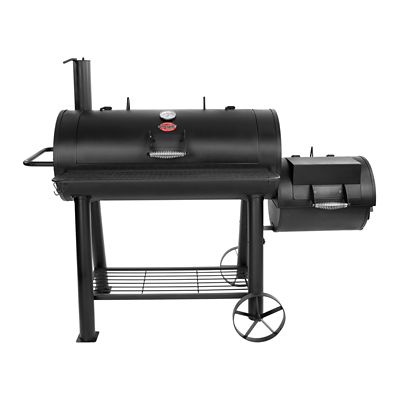
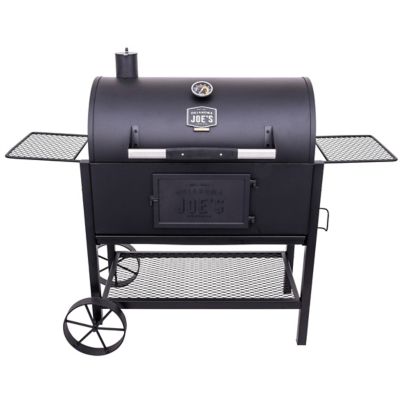
-
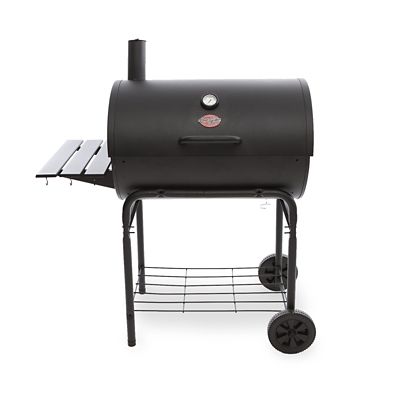
"I've had mine since 2015,best smoker I ever had.I love the offset for smoking brisket chicken and salmon"
-
"Great investment! Love the new griddle"
-
"Love it!!! Perfect size and looks really great. We didn��t use it as a grill Gazebo"
-
"I never use my grill and this does a great job and works best with my needs"
-
"Great new grill. Quality it great, and love all the features"