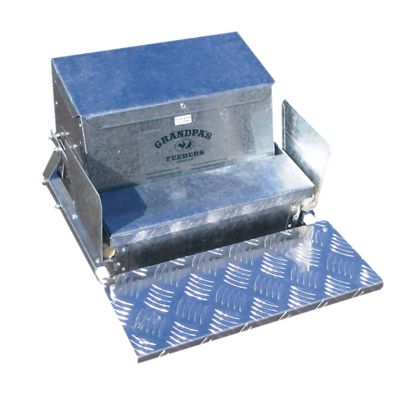
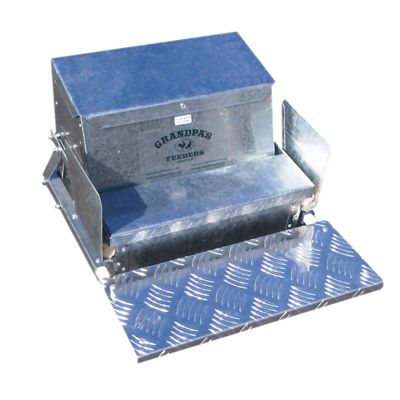
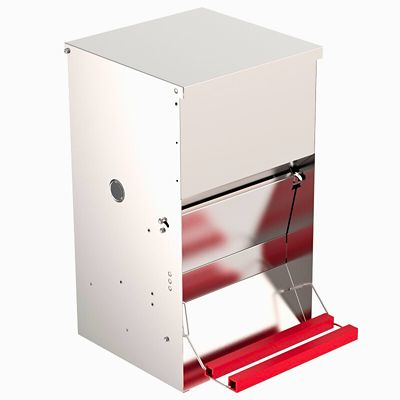
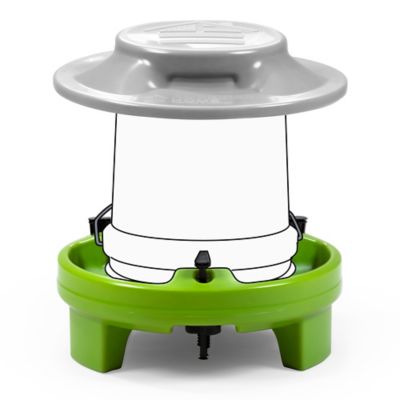
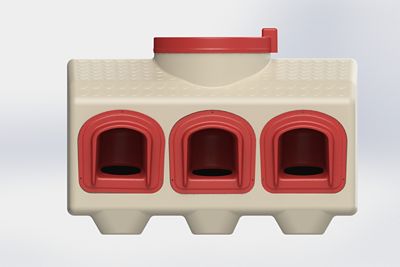
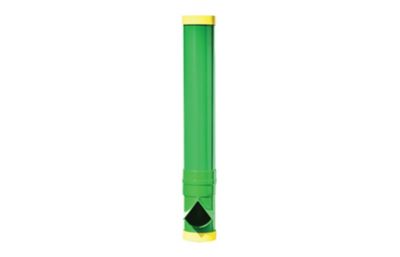
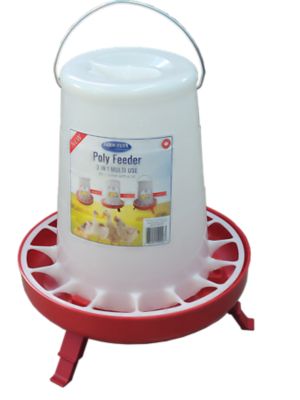
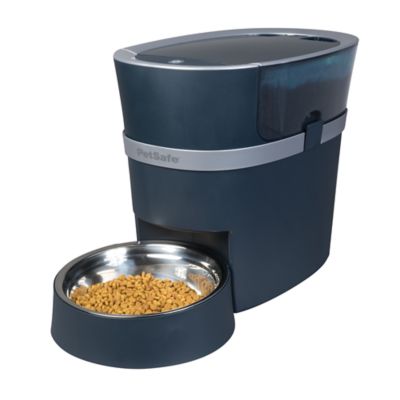
An automatic chicken feeder holds feed in a hopper and makes it available without someone having to scoop a fresh serving every time the tray runs low. A gravity feeder lets pellets or crumbles drop into a tray or feeding ports as the birds eat. It has no pedal for the flock to figure out and no timer to set, which makes it a straightforward fit for a backyard coop. An open gravity tray also leaves feed within reach of anything else that can get to it. A treadle feeder takes a different approach: The weight of a hen on a footplate opens a lid, and the lid closes when she steps off. That can cut down on visits from wild birds and mice, though a closed feeder won’t do much about the pellets scattered in the bedding beneath it. Timed feeders release feed at set intervals rather than keeping it in reach all day, so they fit a different feeding routine. The shape of the feeding area matters at least as much as the way feed gets there. A deep tray with an inward lip can catch some of the feed a hen flicks aside with her beak, while recessed ports give her less room to rake a whole mouthful onto the floor. A snug hopper lid and a cover over the feeding opening help keep feed dry and clear of kicked-up litter. It’s worth matching the feeder to what goes in it, too. Pellets and crumbles don’t always move through the same opening equally well, and fine mash can pack together in a hopper that wasn’t made for it. A bin that looks full from the top doesn’t help much if feed has stopped moving farther down. Whatever the design, an automatic feeder is there to take some scooping out of the daily routine, not to take the place of a look at what the birds are actually eating.
A good fit depends on the size of the birds, the number of spots where they can eat and the room the feeder takes up once everybody crowds around. Hopper capacity tells how much feed the bin holds, not how many hens can get their heads in at once. A tall hopper with a single opening might hold plenty for a small flock, but that won’t matter much to a timid pullet if the boss hen spends breakfast planted in front of it. Several ports with room between them, or a second feeding spot out of the way of the first, can give lower-ranking birds a chance to eat without squeezing past the rest. For a treadle feeder, the smallest bird that needs to eat matters more than the weight of the biggest hen. A bantam or a young bird may not be heavy enough to open a lid meant for full-grown layers, and chicks generally need a lower feeding setup sized for them. Stable footing at the pedal helps birds step on squarely, and a lid that swings up needs room to open without bumping a wall or roost. Gravity feeders have their own fit details: A tray close to the floor can collect shavings from scratching feet, while a port mounted too high may be out of reach of smaller birds. A freestanding feeder needs a steady base, especially as the hopper empties and loses the weight that helped hold it down. A wall-mounted style can free up floor space in a narrow coop, provided there’s room above it to lift the lid and pour feed without hitting a shelf. Little things like that make a difference when the feeder sits behind a door that only opens partway or when refilling means carrying a scoop past a row of curious hens. For a wider look at feeding setups,
Poultry Feeders brings together styles for flocks that eat from open trays, hanging feeders or covered feeding ports.
Materials and moving parts make a difference when a feeder gets filled, bumped and scrubbed day after day. Galvanized steel adds weight, which can help a freestanding feeder stay put when birds lean against it. Rolled edges, a lid that seats squarely and hinges that move without binding are details worth noticing on a metal feeder. Molded plastic is generally lighter to lift for cleaning, and smooth, rounded corners give feed dust fewer places to lodge. On a plastic feeder, the latch and the lip around the feeding opening are worth a close look, since those parts get handled or bumped often. A treadle adds a hinge and pedal to care for, while a powered dispenser adds a drive mechanism and needs a source of power. A gravity feeder has fewer moving parts, but it can still leave a bare tray beneath a full hopper if a clump blocks the outlet. Removable trays and wide fill openings make it easier to see what’s left in the corners instead of pouring fresh feed over old fines. If a feeder is washed, it needs to dry fully before it’s refilled so the next scoop doesn’t stick to damp surfaces. Sweeping up spills and keeping extra feed in a closed container go hand in hand with a covered feeder when rodents are a concern. For someone tending a small flock before heading to work, a hopper that’s easy to check at a glance can matter more than one that holds the most feed. In a bigger coop, feeding space and room to carry the feeder out for a scrub may count for more. The best fit is one the birds can reach without crowding, that keeps feed where it belongs and that’s easy to check while the coop door is open and the rest of the chores are waiting.