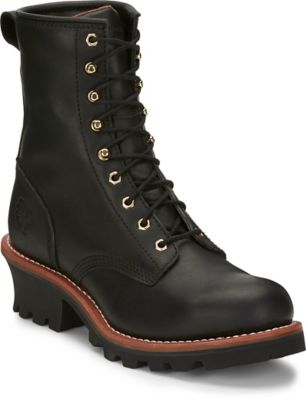
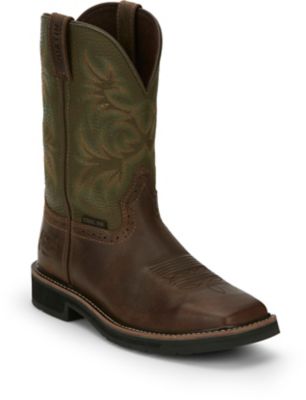
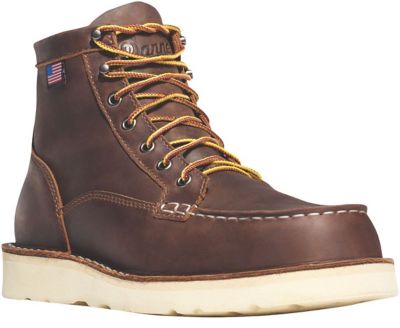
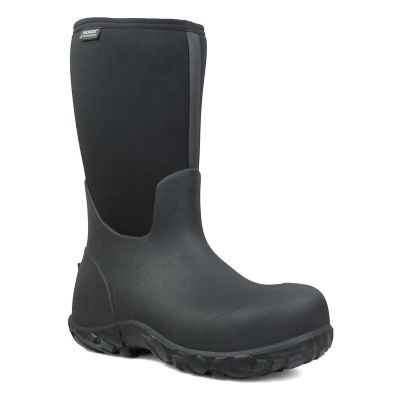
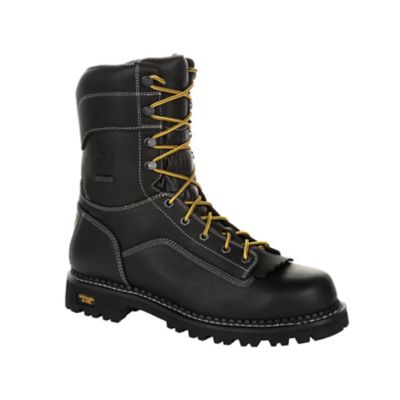
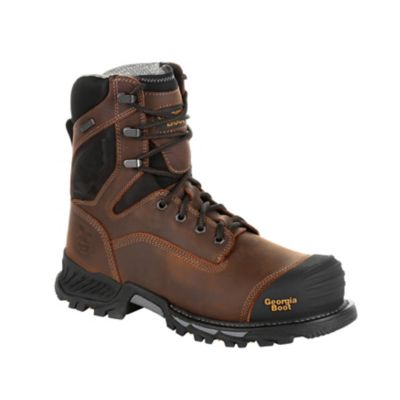
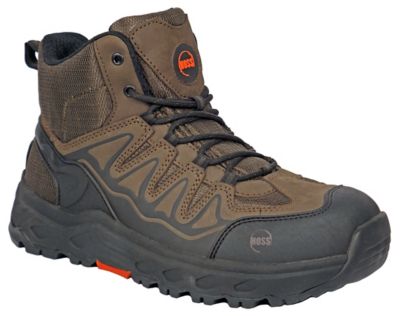
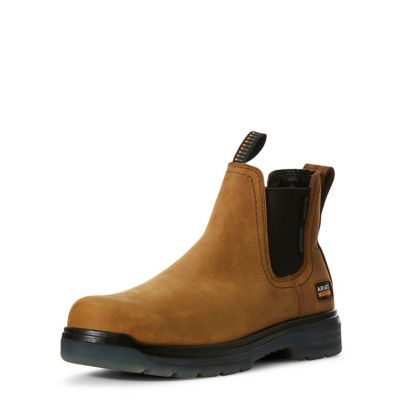
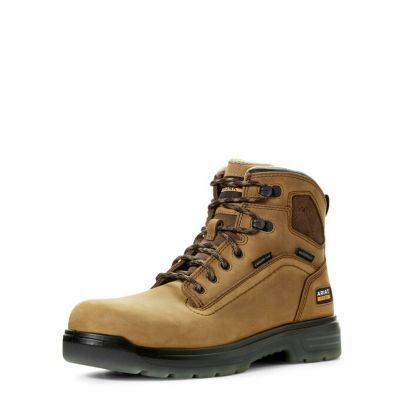
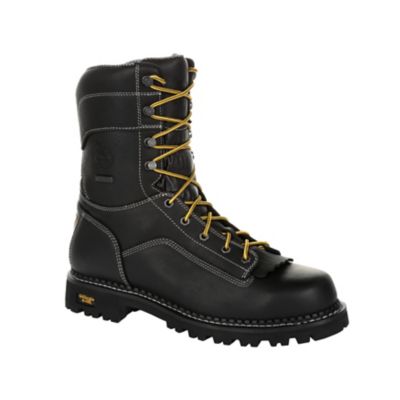
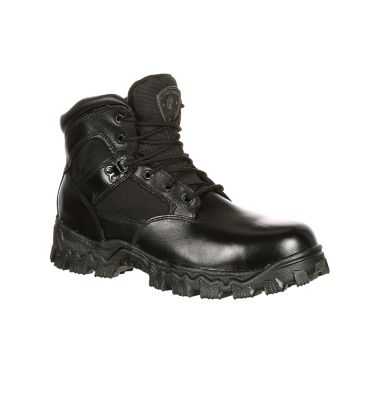
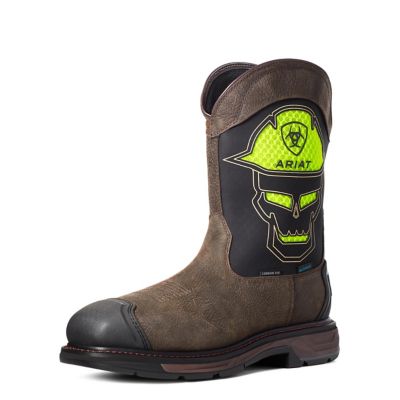
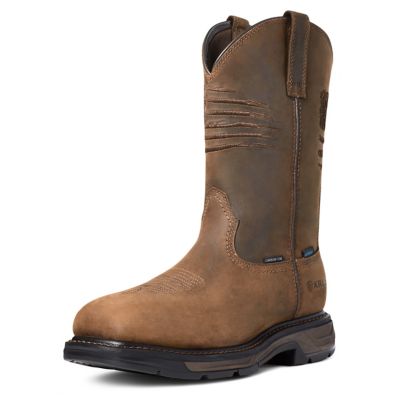
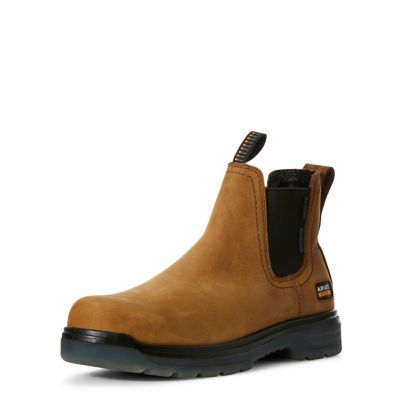
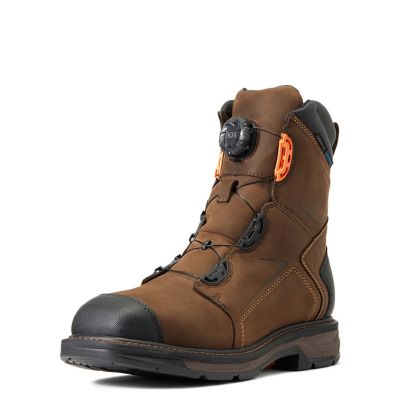
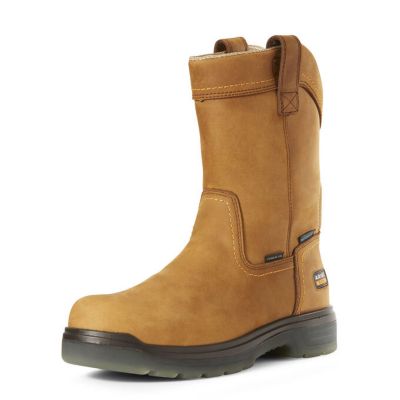
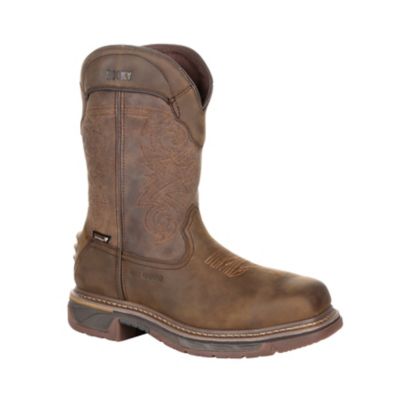
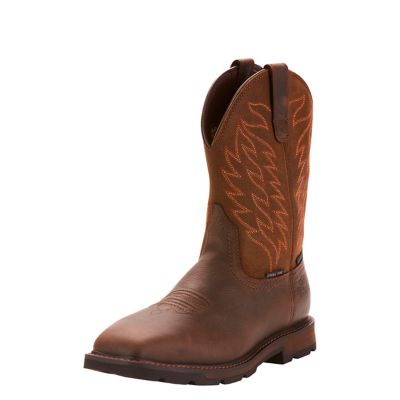
Electrician boots are built for people who spend long days around wiring, panels, conduit, jobsite tools, ladders, and hard flooring. They can be a solid choice for electricians, electrical apprentices, utility workers, maintenance crews, remodelers, HVAC technicians, solar installers, and handy homeowners who want dependable work footwear for demanding projects. A good pair should feel steady from the first step across a concrete slab to the last trip up a ladder, with enough room for natural foot movement and enough support to help reduce fatigue over a full shift. When shopping for electrician boots, start by checking the safety markings rather than relying on a product name or appearance. Footwear marked with an ASTM F2413 Electrical Hazard, or EH, rating is designed to provide secondary protection against contact with electrically energized conductors under dry conditions. This rating does not replace proper lockout procedures, insulated tools, training, or other jobsite safety practices, and it should never be treated as protection for wet environments or live electrical work. If the work calls for a safety toe, look closely at whether the boot uses a non-metallic composite toe or another approved toe design. Composite toes can reduce metal contact and often feel lighter, while also staying warmer in cold weather than traditional steel. A soft toe may be more comfortable for lower-risk tasks, but it does not provide the same protection from falling or rolling objects. Consider the kind of ground you cover, too. Flat wedge outsoles spread your weight across the foot and can feel especially comfortable on shop floors, warehouse concrete, and finished slabs. Boots with a defined heel and a stable ladder-friendly tread may suit workers who spend more time on steps, scaffolding, rooftops, or uneven outdoor ground. Look for slip-resistant traction, a firm heel counter, and a sole that bends where your foot naturally flexes without feeling flimsy. Waterproofing can be useful for service calls, crawl spaces, and outdoor work during damp weather, though breathable materials may be preferable when temperatures rise. Full-grain leather offers a familiar balance of durability and protection, while lighter synthetic panels can help with flexibility and airflow. Whatever the upper material, stitching, toe construction, and sole bonding deserve a careful look because these details often determine how well boots hold up around gravel, sawdust, metal edges, and repeated kneeling.
Fit matters just as much as safety features, especially when boots are worn eight, ten, or twelve hours at a time. Try them on with the work socks you normally wear, preferably later in the day when feet have naturally expanded. Your toes should have room to spread and wiggle without sliding forward, while your heel should stay mostly in place after the laces or closure are adjusted. A little break-in movement is normal with leather, but sharp pressure across the instep, rubbing at the heel, or cramped toes are signs that a different size or shape may serve you better. Wide and extra-wide options can make a noticeable difference for workers with broader feet, bunions, swelling, or high-volume feet, and a roomy toe box is especially useful when choosing a composite safety toe. Insoles with arch support, cushioning, or anti-fatigue construction can help take the sting out of hard commercial floors, but they should not make the boot feel tight. If you use custom orthotics, check that the footbed can be removed and that the boot still gives your ankle a secure fit. Taller shafts may offer more ankle support and help keep out dirt and debris, while shorter work boots can feel easier to move in when climbing, driving, or working in finished interiors. Fastening systems range from traditional laces to pull-on designs and dial closures. Laces allow careful adjustment around the ankle and instep, pull-on boots are handy when getting ready in a hurry, and glove-friendly closures can be useful when your hands are dirty or you are wearing work gloves. Pay attention to the tongue, collar, and seams as well; padded areas can help prevent chafing, while a gusseted tongue can keep small stones and jobsite dust from finding their way inside. During the warmer stretch of the year, moisture-wicking socks and breathable linings can help keep feet more comfortable. As the weather cools, room for thicker socks and a sole with dependable grip becomes more important, particularly when walking between the truck, the shop, and outdoor service areas. A quality pair of
Work Boots can also serve well beyond electrical tasks, but an electrician-focused pair should still match the hazards and surfaces you face most often.
Electrician boots make a practical gift for someone starting an apprenticeship, moving into a maintenance role, or replacing a worn-out pair before the busy season. They are also useful for a spouse, parent, friend, or family member who spends weekends wiring a barn, repairing equipment, building a workshop, or tackling home improvement projects. Before giving boots as a gift, it helps to know the recipient’s usual size, width, preferred height, and whether their job requires a safety toe or a particular employer-approved rating. A gift receipt or easy exchange option can be worthwhile because fit varies from one foot shape to another, even when the marked size is the same. For everyday care, brush off dirt after each shift, allow damp boots to dry naturally away from direct heat, and use a conditioner suited to the boot’s leather when needed. Stuffing the shafts with paper or using a boot tree can help maintain shape, while rotating between two pairs gives each pair more time to dry and recover. Inspect the outsole for worn tread, check for separated layers or damaged stitching, and replace footwear when the sole is badly worn, the upper is cracked, or the EH and safety construction may no longer be reliable. Keep in mind that no boot can make an unsafe electrical task safe. Follow workplace rules, use the required protective equipment, keep boots clean and dry, and choose footwear based on the actual conditions of the job. With the right combination of electrical hazard protection, toe protection when needed, steady traction, supportive cushioning, and a comfortable fit, electrician boots can help you stay sure-footed through long hours, changing weather, and the everyday wear that comes with honest work.