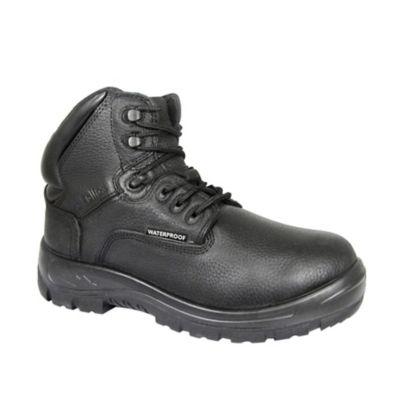
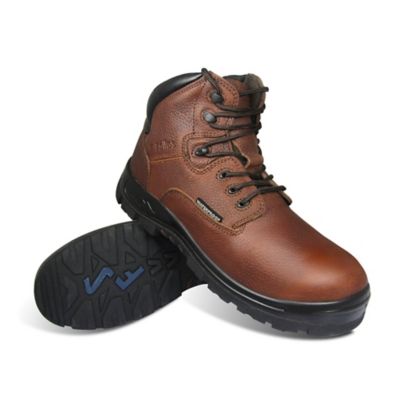
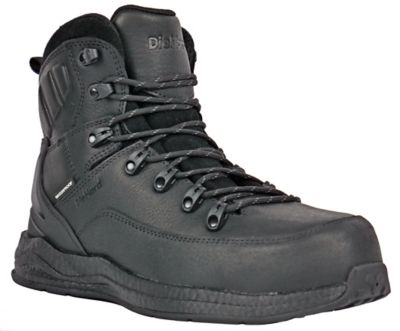
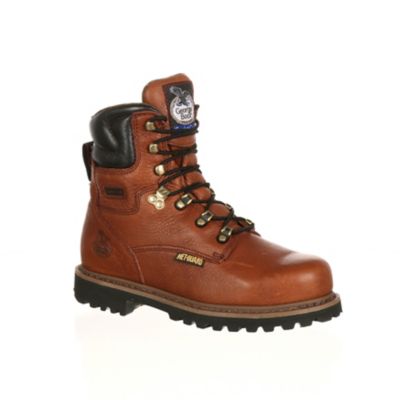
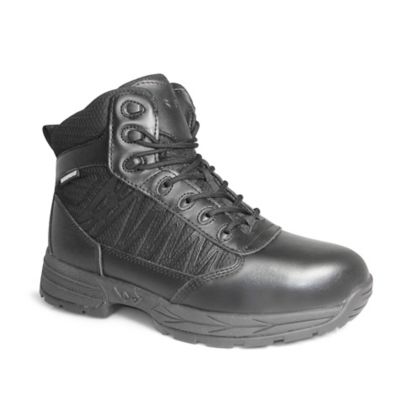
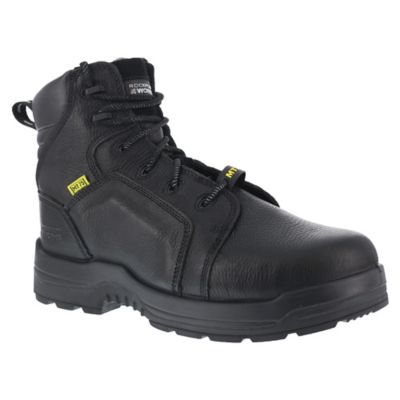
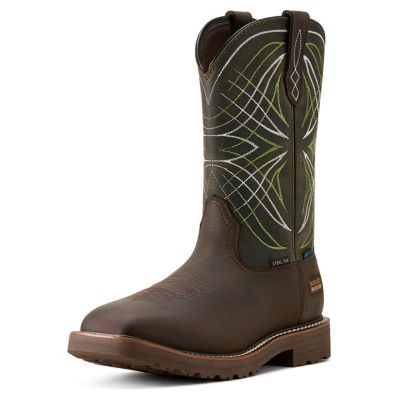
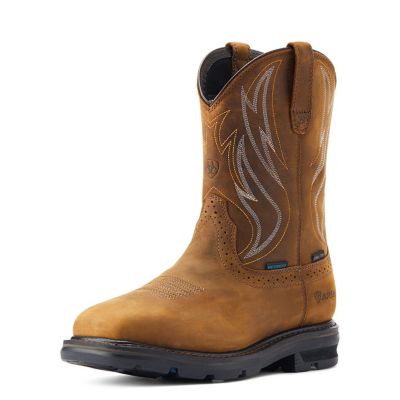
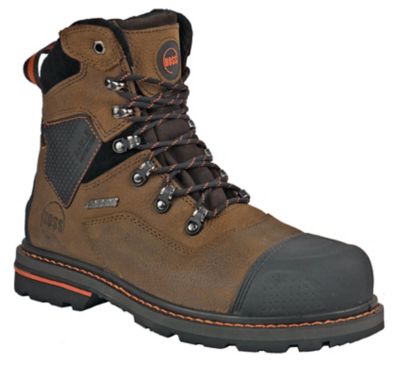
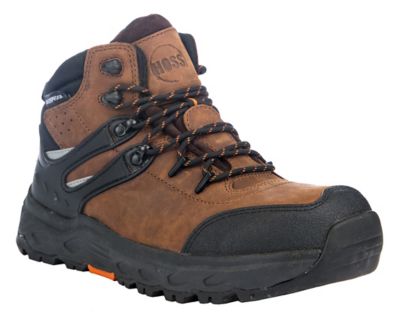
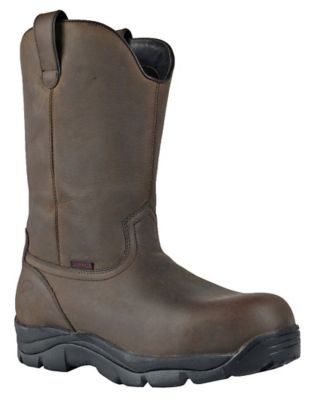
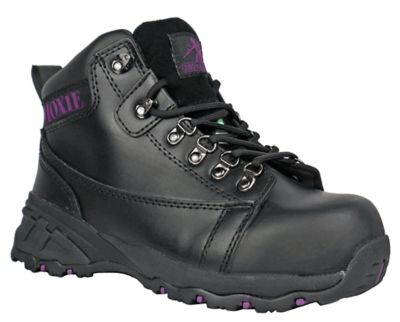
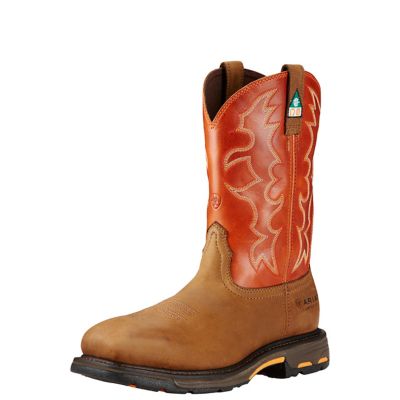
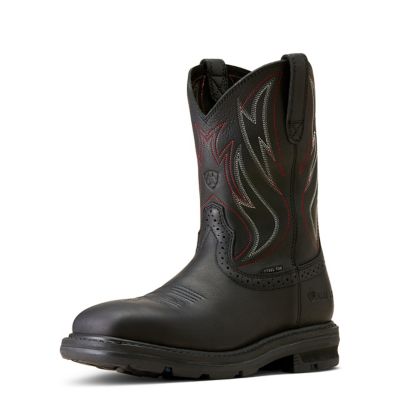
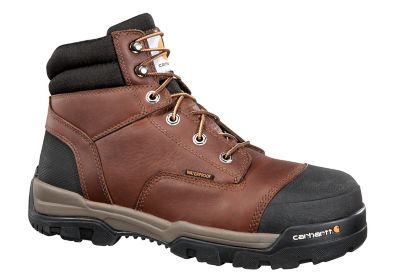
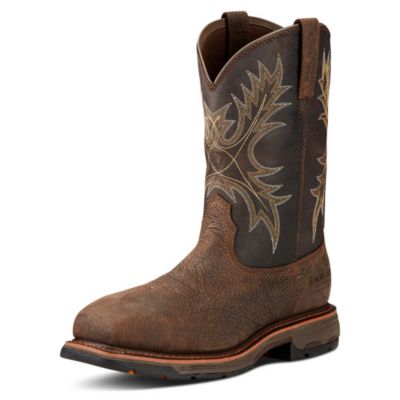
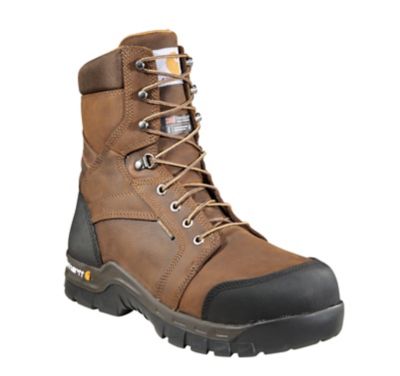
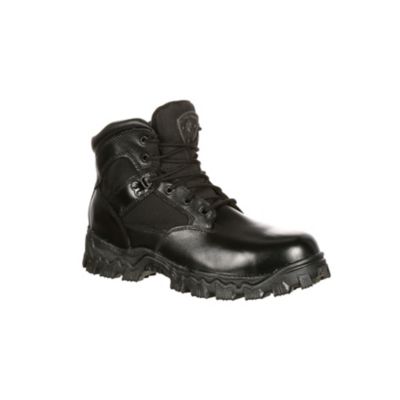
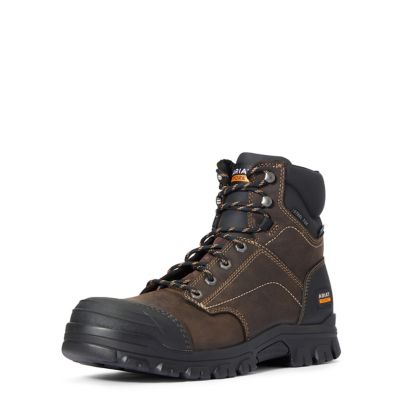
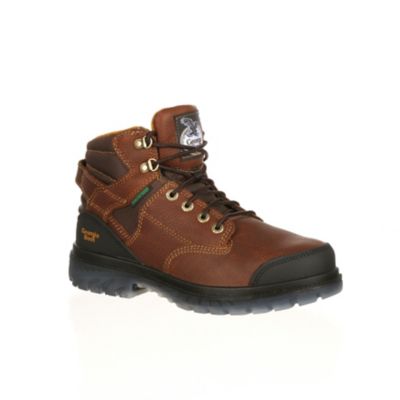
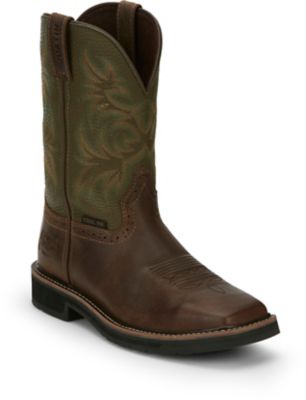
ASTM F2413 safety boots are protective work boots that meet minimum performance requirements for toe impact and compression under the ASTM F2413 standard. Published by ASTM International, the standard gives employers and workers a common reference for protective footwear, whether the job involves moving feed pallets, handling building materials, repairing equipment, or working around heavy parts. Required toe-protection testing includes an impact energy of 75 foot-pounds and a compression load of 2,500 pounds. Those figures describe laboratory tests, not a guarantee against every dropped object or crushing hazard on a jobsite. ASTM F2413 is a performance standard rather than a particular boot style, so compliant footwear can include lace-up work boots, pull-on designs, and other constructions suited to different tasks. The marking inside the boot identifies the standard and any additional protection the footwear meets. That distinction matters because a protective toe does not automatically mean a boot also offers electrical hazard protection, puncture resistance, or metatarsal protection over the top of the foot. Electrical hazard footwear, often marked EH, provides secondary protection against accidental contact with certain electrical hazards under dry conditions; it does not replace electrical safety procedures or specialized protective equipment. Puncture-resistant footwear addresses hazards beneath the foot, while metatarsal protection addresses impacts above the toes. Slip resistance and waterproof construction are separate features to check in the footwear specifications, rather than assumptions to make from an ASTM F2413 marking alone. For farmhands, warehouse crews, construction workers, mechanics, and maintenance staff, the right combination starts with the hazards of the actual job and the employer’s footwear requirements. A boot for carrying lumber across a building site may need a different sole and upper than one for standing at a packing station. Matching those details helps narrow the selection to boots built for the work ahead, without treating every safety boot as interchangeable.
Materials and fit make a big difference once the required protection is settled. Steel, aluminum, and composite safety toes can meet the same ASTM F2413 toe-protection requirements, though the weight, shape, and room inside the toe box vary by design. Steel toes often have a relatively slim profile, while composite caps may need more space to provide their protection. Overall boot weight depends on much more than the toe cap, including the outsole, shaft, midsole, and other components. For shoppers comparing nonmetallic toe protection,
ASTM F2413 Composite Toe Boots offer another way to narrow the selection. A composite toe does not automatically make the entire boot metal-free or establish an electrical protection rating, so the complete specifications still matter. Leather uppers bring a substantial feel and can soften with regular wear and proper care, while textile panels can add flexibility and reduce weight in some constructions. Reinforced toes and heels help shield high-contact areas from abrasion when kneeling beside equipment or brushing against rough surfaces. Inside, cushioning, arch support, and lining materials influence how a boot feels across a full shift. There should be room to move the toes without the foot sliding forward into the protective cap, and the heel should stay secure without rubbing. Safety toe caps do not stretch to create extra room, making width and toe-box shape especially important. Trying boots with the socks and any approved insoles intended for the job gives a better sense of the working fit. Lace-up designs allow adjustment across the instep and ankle, while pull-on boots depend more on the match between the foot, instep, and shaft. A comfortable fit should support walking, bending, and climbing without pinching across the forefoot or letting the heel move excessively. Room for the toes and a secure heel both matter, especially when the day includes plenty of steps.
Underfoot construction deserves just as much attention as the upper. Concrete shop floors, gravel equipment yards, loading areas, and barn aisles each put different demands on a work boot. Broad contact areas can suit long stretches on firm floors, while deeper tread can help on loose ground; neither tread pattern removes the need for careful footing. Slip-resistant outsoles are intended to improve traction under specified conditions, but performance still depends on the floor surface, contaminants, tread wear, and maintenance. Oil resistance describes how a sole material responds to oil exposure and does not, by itself, establish slip resistance on an oily floor. A defined heel may suit certain climbing tasks when permitted by workplace rules, while a flatter sole can feel more natural for some walking and standing jobs. Waterproof construction can be useful around washdown areas and other wet work, although water can still enter over the boot opening. Stitching, sole attachment, abrasion protection, and the condition of the leather all affect how well boots hold up through repeated wear. Routine care helps protect those parts: brush away packed dirt, wipe off residue using methods approved for the material, and let boots dry naturally away from direct heat. Leather conditioners and waterproofing treatments should match the manufacturer’s recommendations, since the wrong treatment can affect materials or performance. Removable insoles can be aired out when the boot design allows, and worn laces are worth replacing before they fail during a shift. Regular checks should include the tread, seams, sole separation, exposed protective components, and changes in fit. A boot that has taken a substantial impact or crushing load may need replacement even when the outside looks sound, because damage to protective parts is not always visible. Following the manufacturer’s replacement guidance and workplace rules keeps protection at the center of the decision. For anyone spending the day hauling supplies, tending equipment, or moving between the shop and yard, ASTM F2413 safety boots belong in the same conversation as task-appropriate gloves, eye protection, and the rest of the gear the job calls for.