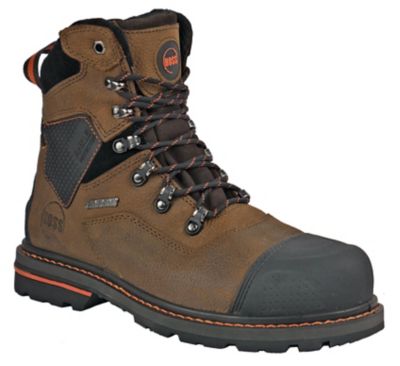
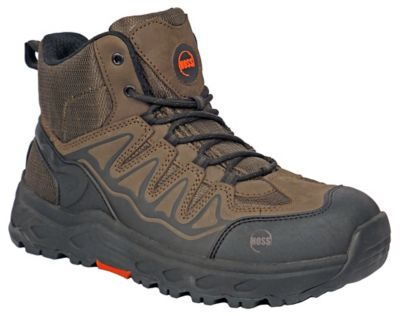
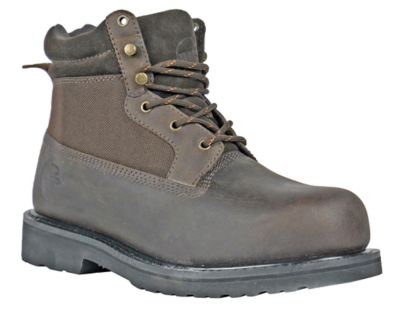
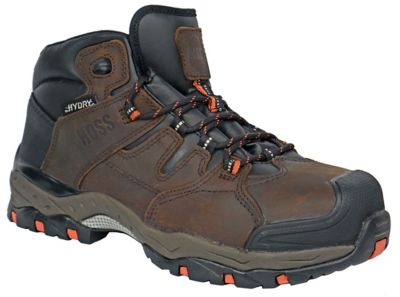
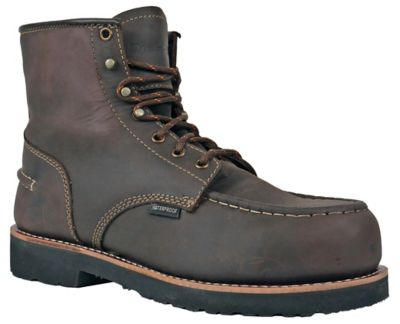
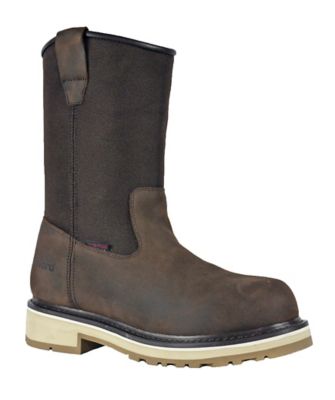
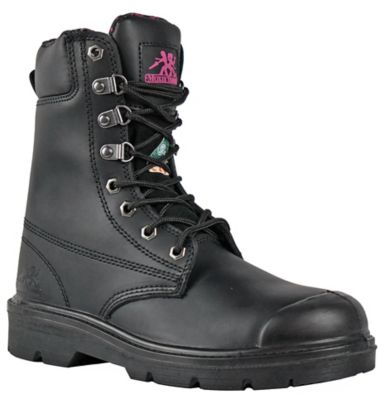
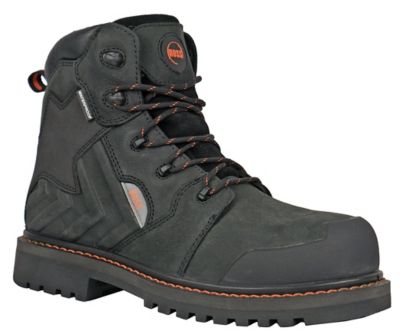
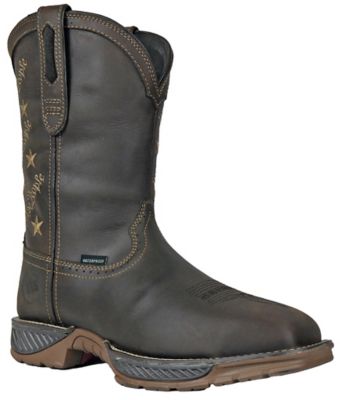
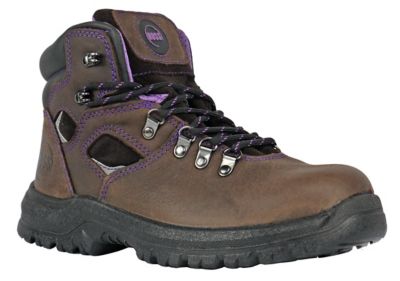
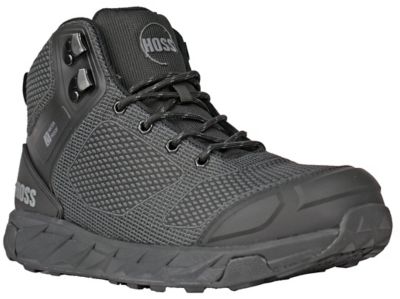
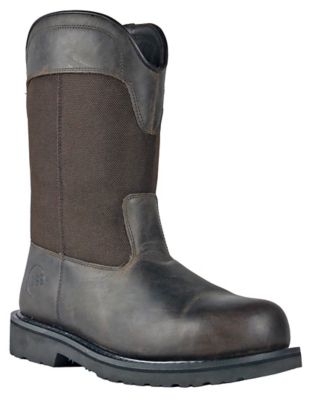
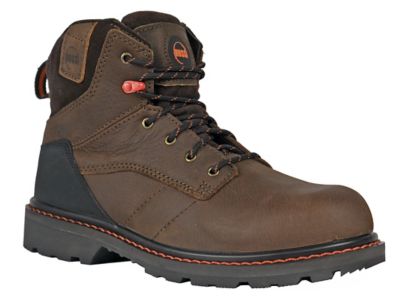
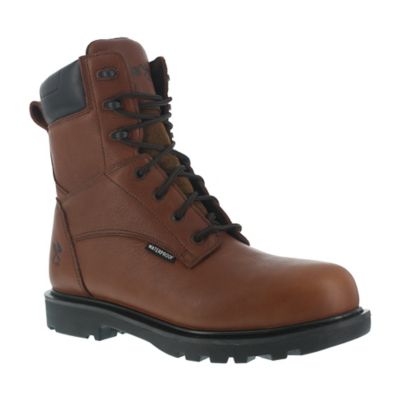
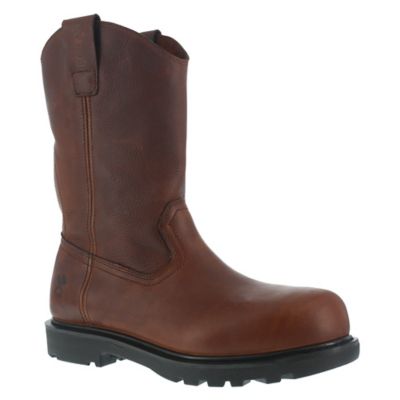
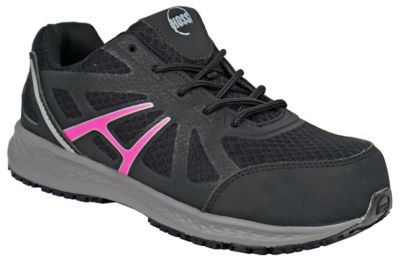
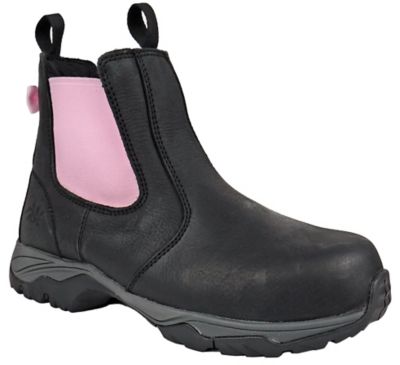
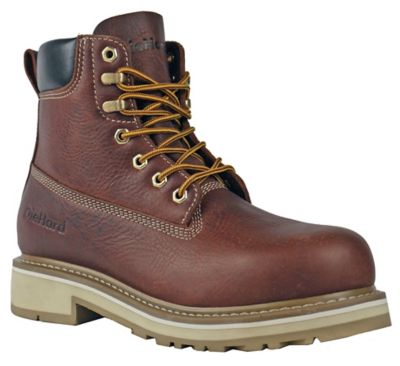
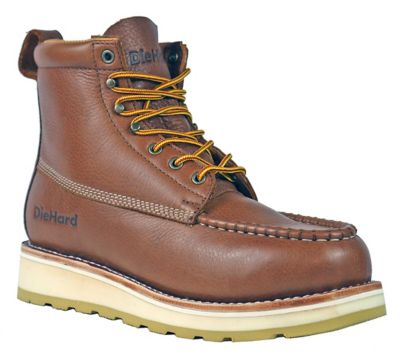
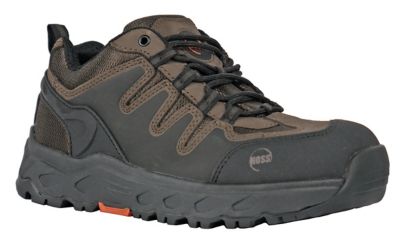
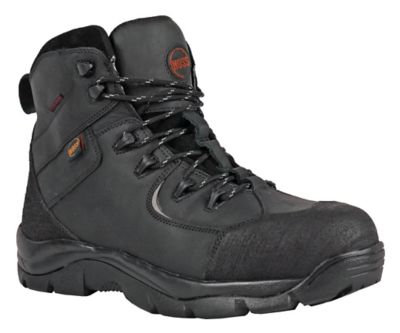
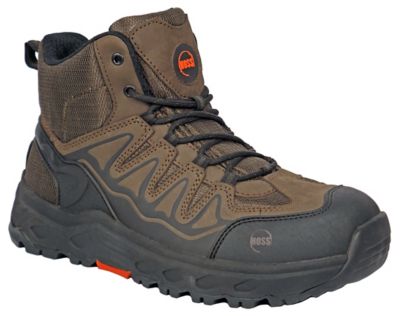
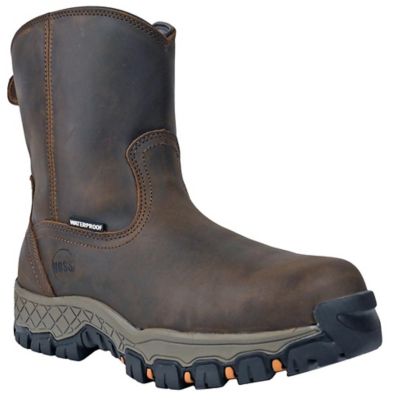
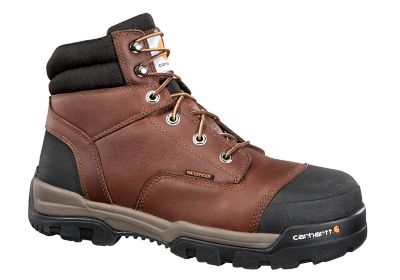
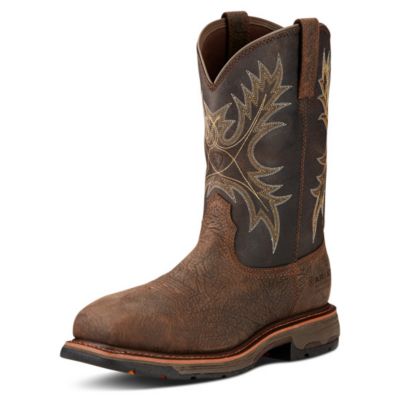
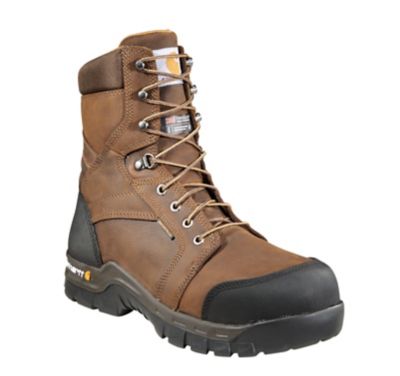
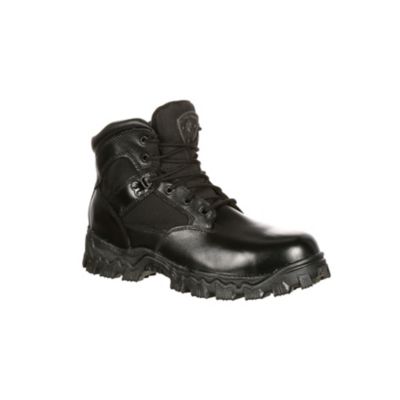
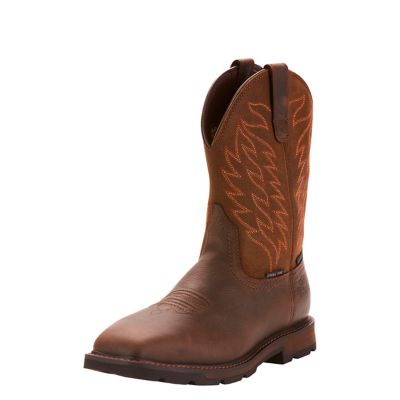
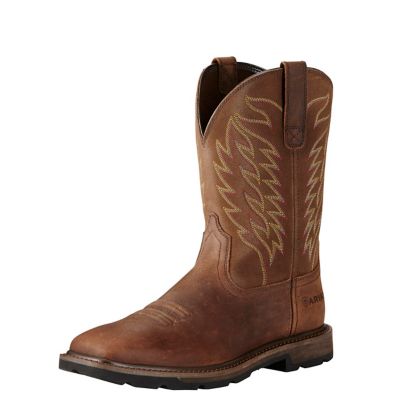
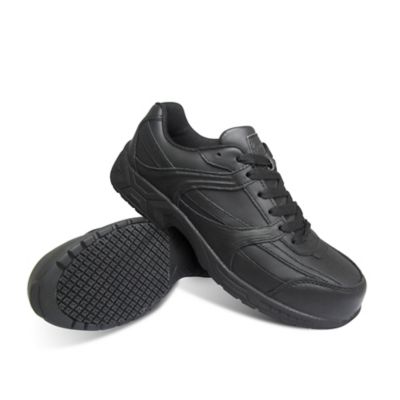
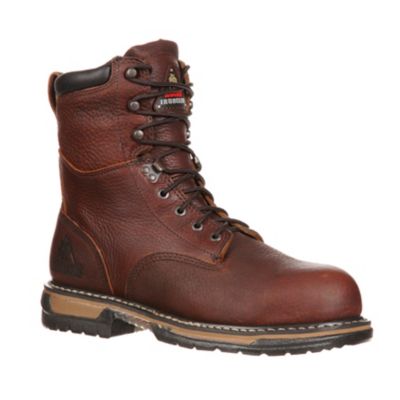
EH-rated safety boots are built for people who spend long days around wiring, machinery, panels, tools, and other electrical hazards. Their soles and heels use non-conductive materials and are designed to provide a secondary layer of protection against electrical shock or open circuits when the boot is used under the conditions described by its safety standard. Many EH-rated styles are tested to ASTM F2413 requirements and may be made with steel, composite, or alloy safety toes, so you can choose the toe protection that fits the job without changing the meaning of the EH rating. Steel toes are well known for their strong impact and compression protection, composite toes can feel lighter and do not conduct cold as readily, and alloy toes offer a roomy fit with a thinner profile in some designs. The toe cap and electrical hazard rating serve different purposes: the toe helps protect against falling or rolling objects, while the EH construction helps limit the boot’s ability to complete an electrical path to the ground. That makes these boots a practical choice for electricians, utility and maintenance crews, construction workers, equipment operators, farm and ranch hands, and do-it-yourselfers working in shops or around outbuildings. They can also make a thoughtful gift for someone who spends more time in a barn, garage, jobsite, or tractor cab than in the house, especially when a dependable pair of everyday work boots is already worn down from dust, gravel, mud, and long hours on hard floors. When shopping, look closely at the boot’s safety markings, toe type, fit, height, sole pattern, and overall construction. A taller boot can help keep out dirt, brush, and shallow puddles, while a shorter style may be easier to pull on and more comfortable for lighter-duty chores. A deep, durable tread can help on packed soil, loose gravel, ramps, and slick shop floors, but the tread should still flex naturally enough for climbing steps or working a clutch pedal. Cushioning, arch support, a roomy toe box, breathable lining, and a secure heel can make a real difference by the end of a long shift. If you are comparing
Work Boots, think about the ground and tasks the wearer faces most often instead of choosing by appearance alone. A boot that feels steady while carrying feed, repairing fence, checking livestock, or walking across a concrete floor is more likely to become the pair that gets pulled on day after day.
EH-rated footwear is secondary protection, not a substitute for turning off power, following lockout and tagout procedures, using properly rated tools, or wearing the protective equipment required for a particular job. The electrical hazard feature is generally intended for dry conditions, and moisture can create a path around the boot’s insulating protection. Wet grass, standing water, soaked socks, heavy rain, mud packed around the sole, or sweat trapped inside the boot can all change the conditions in which the footwear performs. EH-rated boots should not be treated as waterproof electrical protection, and they are not designed to replace specialized footwear or equipment for high-voltage work. Check the manufacturer’s care and safety information before using them near energized equipment, and follow workplace rules whenever they are stricter. Inspect the boots often, especially after a busy stretch of fence work, construction, or equipment repair. Look for cuts, deep gouges, separation at the sole, cracked rubber, exposed stitching, crushed toe areas, or metal shavings and other conductive debris stuck in the tread. Heavy wear, sharp damage, or embedded metal can compromise the boot’s intended resistance. Keep the soles clean, let the boots dry naturally away from direct heat, and replace footwear that no longer has sound soles and uppers. Fit matters just as much as the rating. Try boots on with the socks normally worn for work, leave enough room to move the toes, and make sure the heel stays in place without rubbing. Feet often swell during a long day, so a pair that feels snug for five minutes in the morning may become uncomfortable after hours of walking or standing. Consider seasonal use as well: during warmer weather, moisture-managing lining and ventilation can help, while cooler months may call for room for thicker socks without squeezing the toes. EH should also not be confused with ESD footwear. EH boots are designed to help insulate the wearer from electrical hazards, while ESD footwear is made to dissipate static electricity; those functions work in opposite directions and are selected for different work environments. With the right fit, regular inspection, and sensible safety practices, EH-rated safety boots can offer steady everyday support for work around the farm, shop, jobsite, or home property.