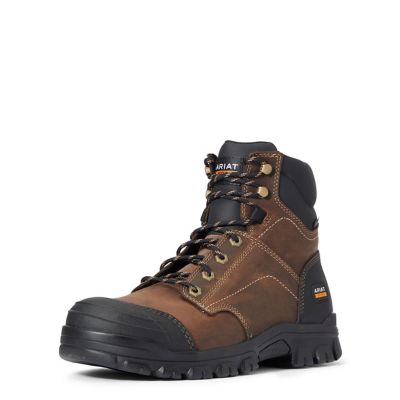
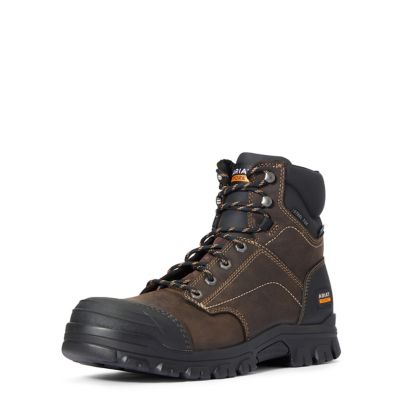
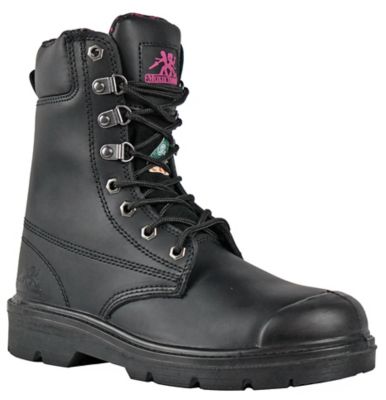
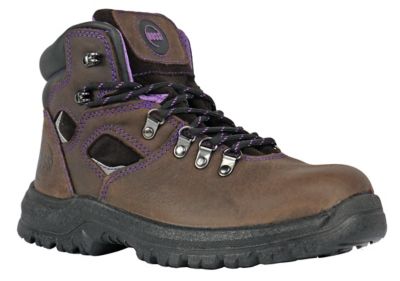
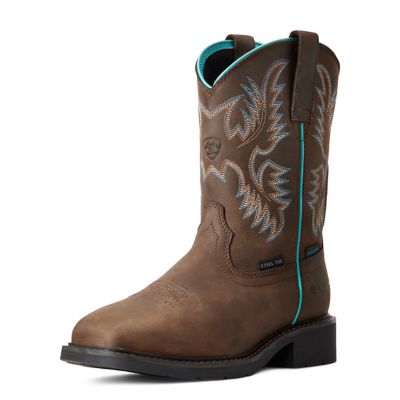
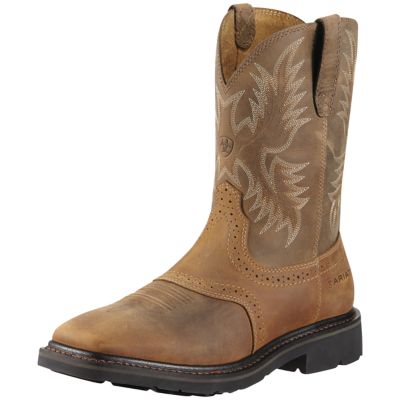
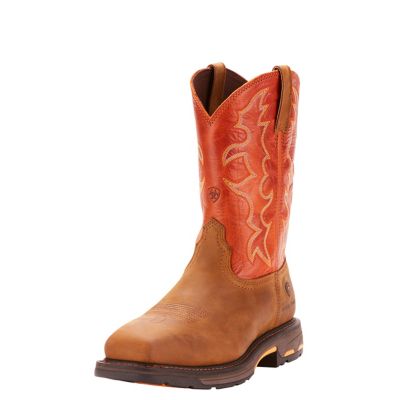
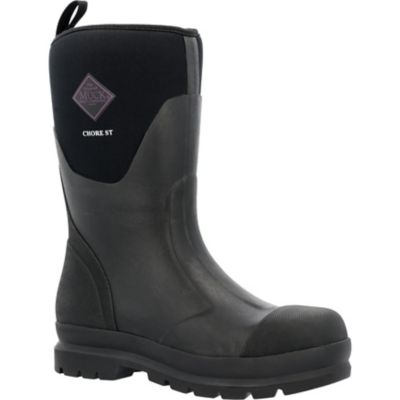
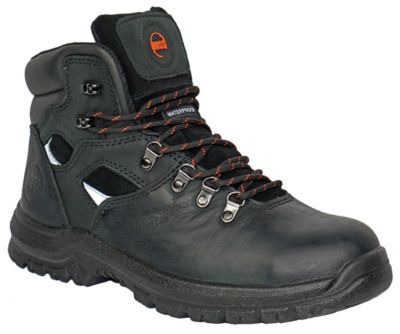
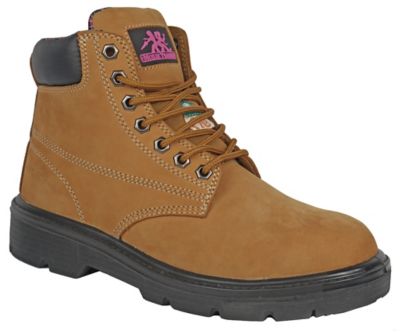
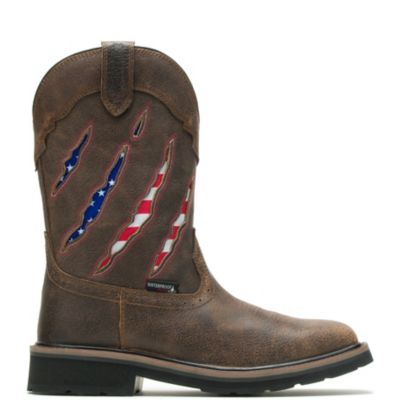
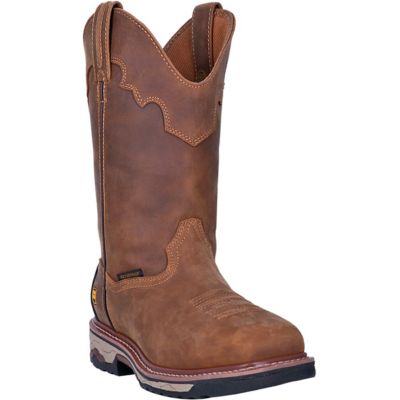
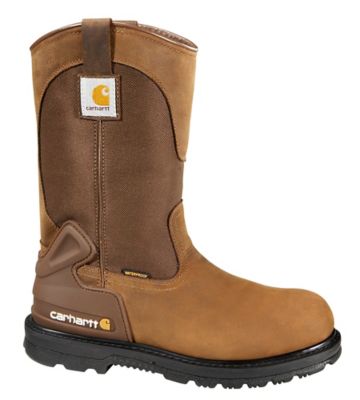
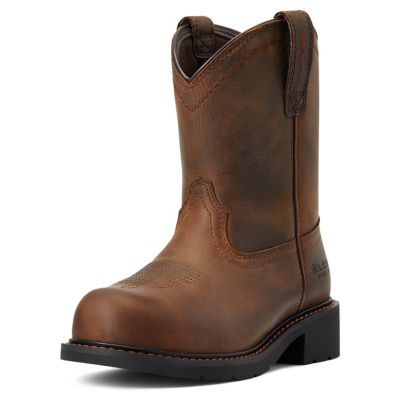
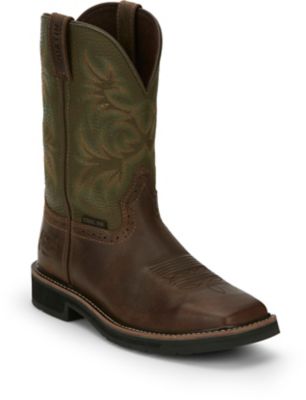
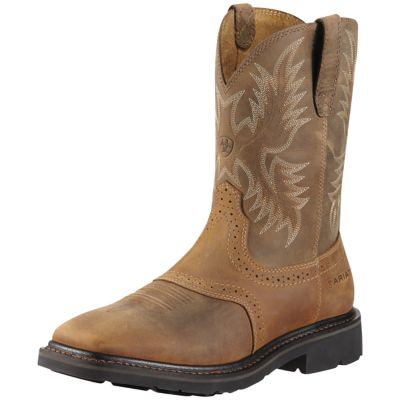
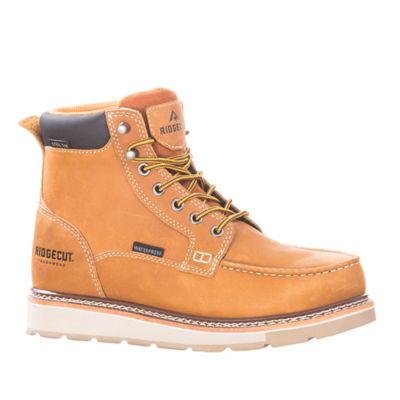
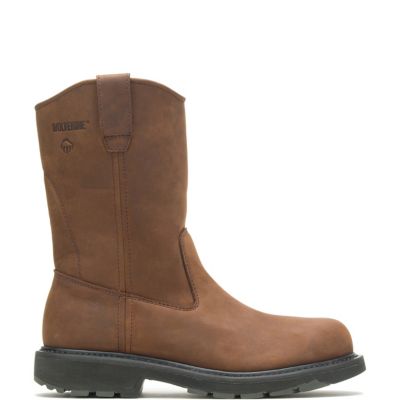
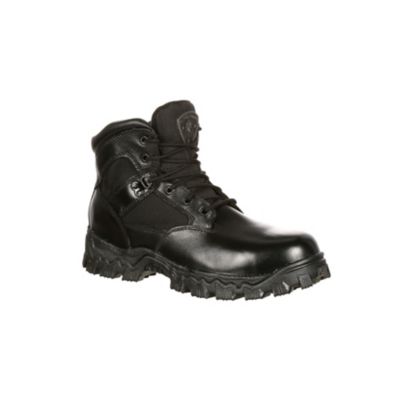
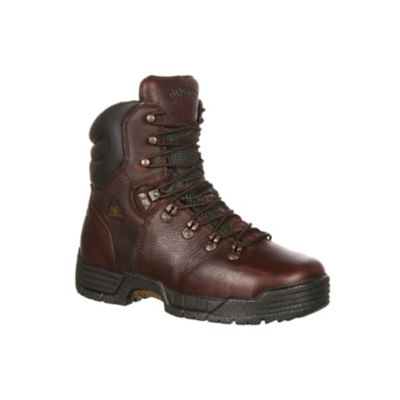
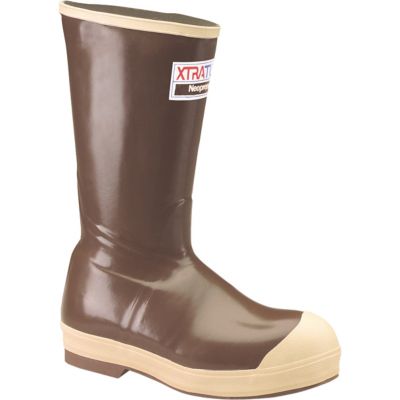
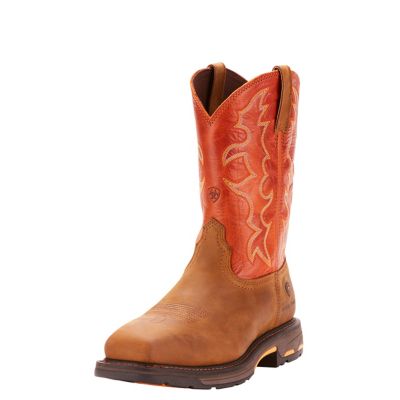
ASTM F2413-18 steel toe boots are work boots with protective toe caps that meet the applicable performance requirements in ASTM International’s safety footwear standard. For impact and compression protection, the standard calls for testing at 75 foot-pounds of impact energy and 2,500 pounds of compression force. Those measurements describe controlled laboratory tests, not the weight of an object that can safely land on a foot in every situation. The “18” refers to the 2018 edition of the standard, and ASTM International publishes the requirements rather than certifying individual boots itself. For someone moving feed pallets, handling equipment parts, working around building materials or spending a shift on a warehouse floor, this rating provides a meaningful starting point for choosing foot protection. A steel cap helps shield the toes from certain falling objects and crushing hazards, but it does not protect the entire foot or make every task safe. Additional protection depends on the markings for the particular footwear. Electrical hazard protection, marked EH, is a separate feature; its laboratory test involves 18,000 volts for one minute under dry conditions. That test is not permission to work on live circuits, and EH footwear provides secondary protection rather than a replacement for electrical safety practices and other required protective equipment. Puncture resistance, marked PR, is another separate designation intended to address sharp objects penetrating through the bottom of the footwear. Neither feature follows automatically from having a steel toe. Metatarsal protection may also matter where heavy objects could strike the top of the foot behind the toe cap. The safety marking, often found inside the boot or on the tongue, matters more than a rugged appearance. A ranch hand unloading supplies, a mechanic moving a heavy assembly and a construction worker stepping around jobsite debris may need different combinations of protection. Employer requirements and the hazards of the actual job should drive that choice, including whether ASTM F2413-18 is the required edition.
The rest of the boot matters just as much once the workday gets rolling. Leather uppers are common in steel toe work boots because they provide substantial coverage and can hold up to repeated bending, scuffing and contact with rough surfaces. Full-grain leather, treated leather and combinations of leather and textile each bring a different feel, weight and care routine. Waterproof construction can help with wet work areas, washdown tasks and muddy ground around livestock facilities, while a moisture-managing lining can help handle perspiration inside the boot. Waterproofing and lining features are separate from the safety toe rating, so they deserve their own look. Rubber and polyurethane outsole constructions also vary in weight, flexibility and resistance to wear. Tread that works well on loose gravel may feel different on smooth concrete, and a slip-resistant description does not mean a sole will prevent every slip on oil, water or loose material. For work around fuels, cleaners or other chemicals, the manufacturer’s stated material resistance is worth checking rather than guessing from the outsole’s appearance. Lace-up boots offer adjustment through the instep and ankle, which can help keep the foot from shifting while climbing equipment steps or walking uneven ground. Pull-on styles offer a straightforward fit without laces, though the heel and instep still need to hold the foot securely. Taller shafts provide more lower-leg coverage, while shorter work boots may feel less restrictive during frequent kneeling or bending. Fit should leave room for the toes without allowing the foot to slide forward into the steel cap. The cap will not stretch to correct a cramped toe box. Trying boots with the socks and any approved inserts intended for work gives a better picture of how they will feel through a full shift. A few steps on a flat floor are only part of the story; standing, crouching and walking an incline can reveal heel movement or pressure that is easy to miss at first.
Long days on concrete, trips between the shop and the barn, and repeated climbs onto equipment put different demands on cushioning and support. A cushioned footbed can soften the feel underfoot, while a supportive midsole and stable platform can help the boot feel planted beneath a load. More padding is not always the answer, especially if it crowds the foot or changes how the heel sits. Weight matters, too: steel toe construction can add heft, but the finished boot’s weight also depends on its upper, outsole, shaft height and other components. For a different toe-cap material,
ASTM F2413 Composite Toe Boots offer another option to consider alongside workplace requirements. Both steel and composite safety footwear must meet the applicable marked requirements; toe material alone does not establish electrical hazard protection, puncture resistance or overall comfort. Regular care helps preserve the fit and condition of either type. Brushing off dried dirt, wiping away grime and removing stones from the tread keeps buildup from hiding damage or interfering with footing. Leather care should match the manufacturer’s recommendations, since the wrong treatment can affect the upper or its finish. Boots need a chance to dry between demanding shifts, away from direct heat that can damage leather, adhesives or other components. Checking seams, soles, laces and the area around the toe cap can catch trouble before another full day of work. A separating outsole, exposed cap or badly worn tread deserves attention, and a significant impact or crushing event can call for replacement even when the outside looks fine. Changes to insoles or other parts should follow the manufacturer’s guidance so fit and protective performance are not compromised. For someone starting a trade, taking on more farm work or replacing worn-out work footwear, steel toe boots can make a practical gift when sizing, preferred style and required safety markings are known. The best match is the pair that meets the job’s requirements and fits comfortably enough for the wearer to keep it on throughout the workday.