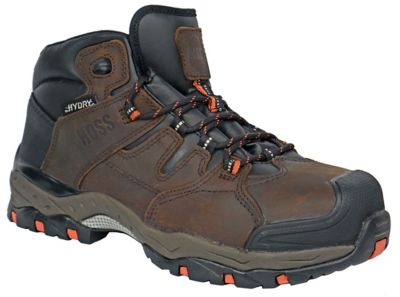
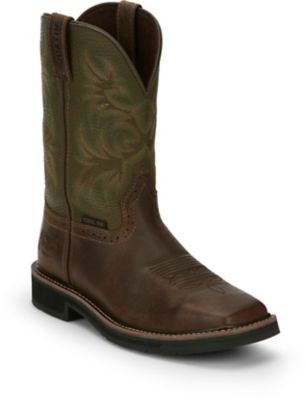
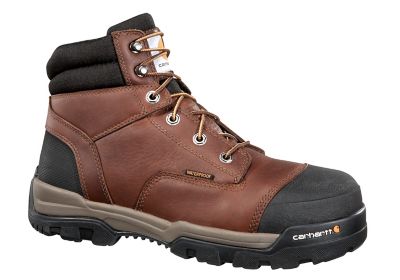
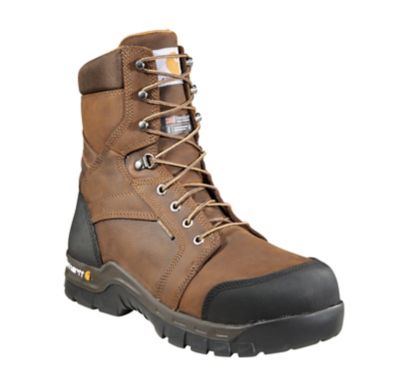
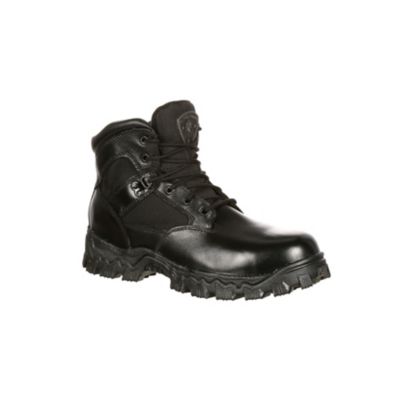
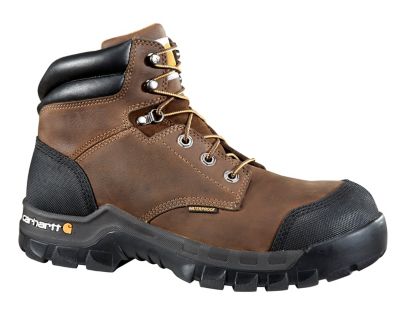
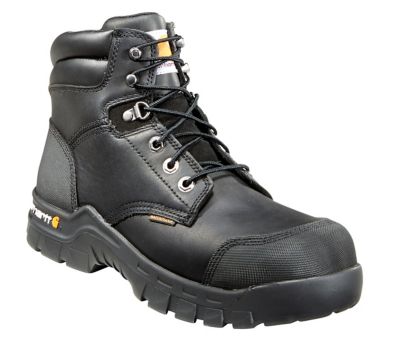
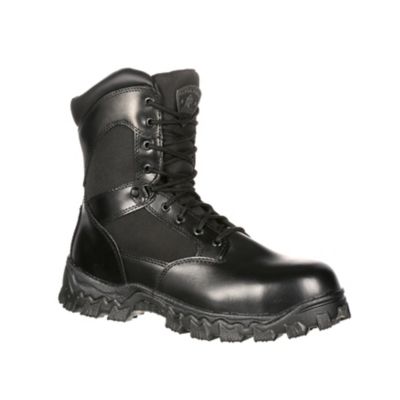
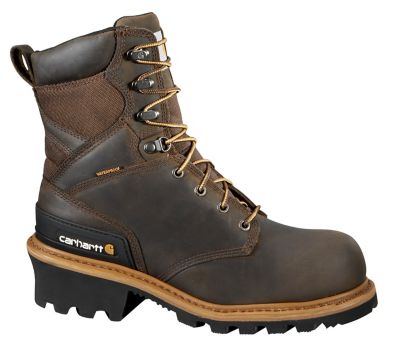
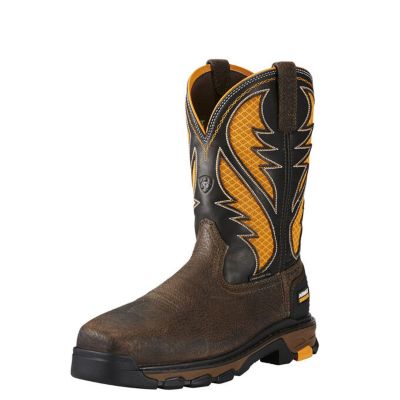
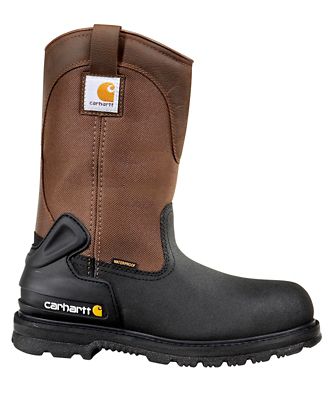
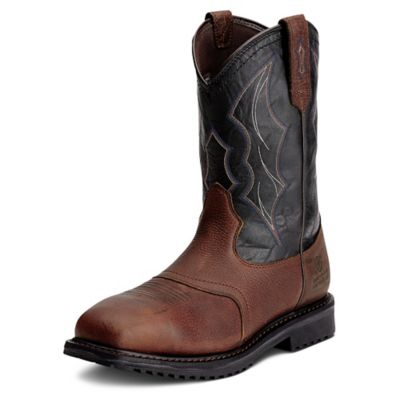
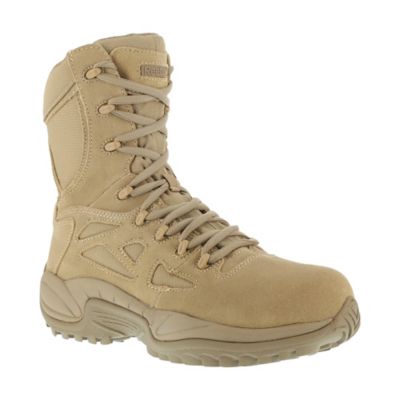
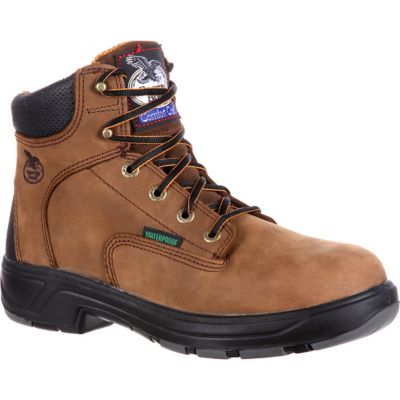
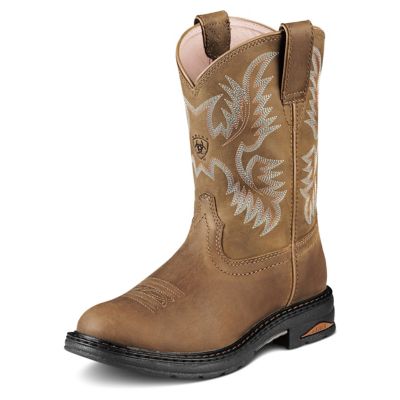
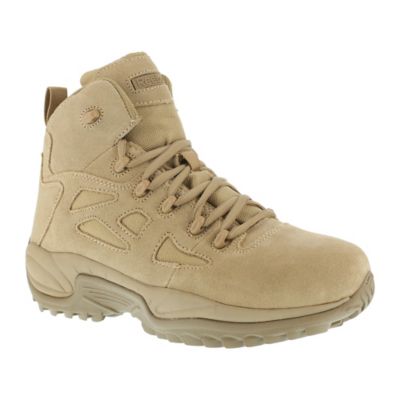
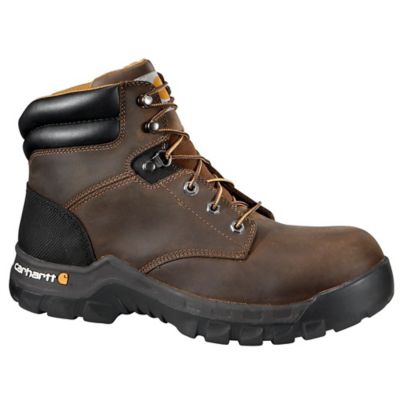
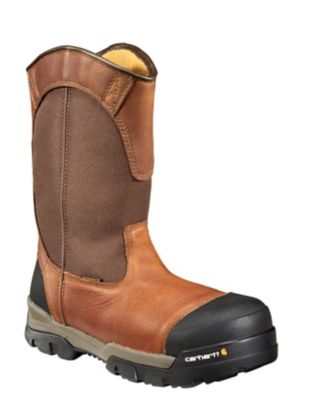
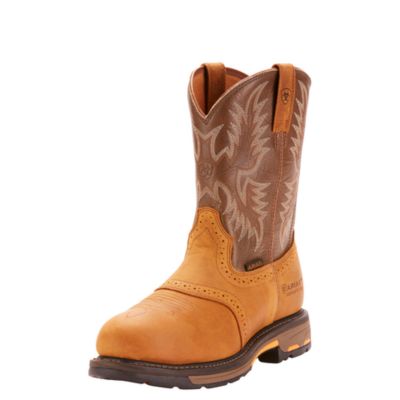
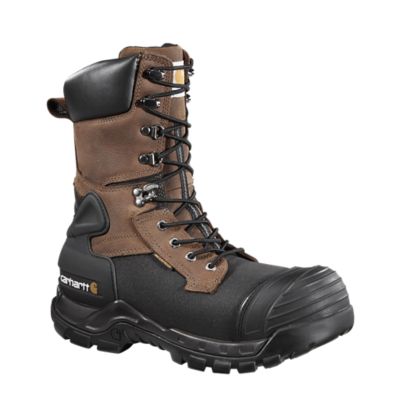
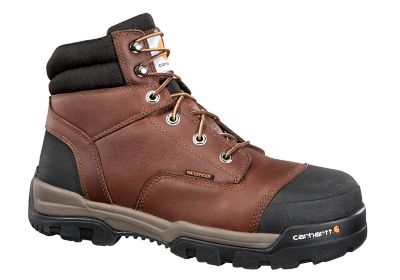
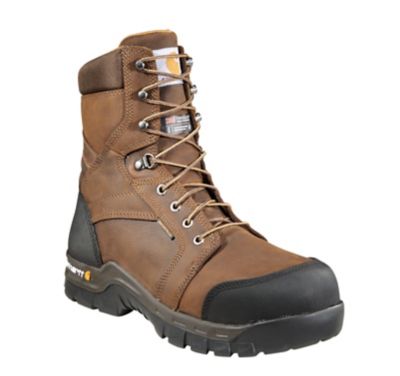
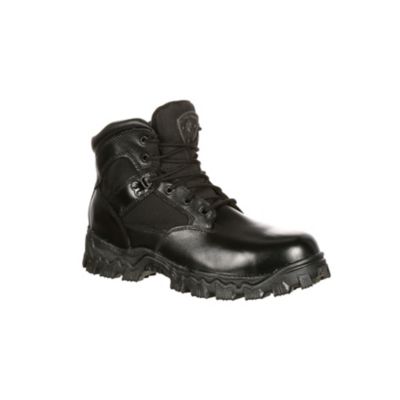
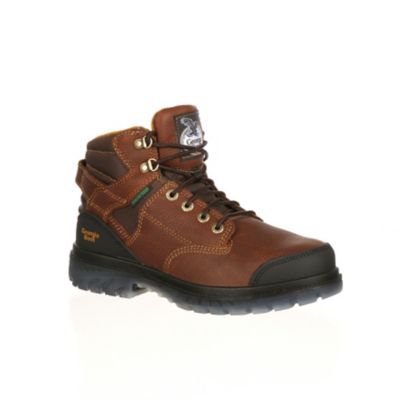
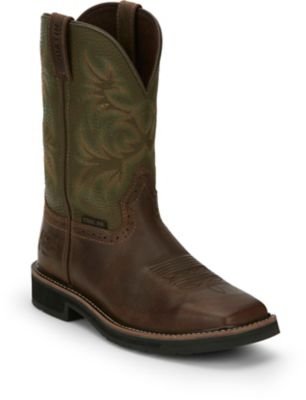
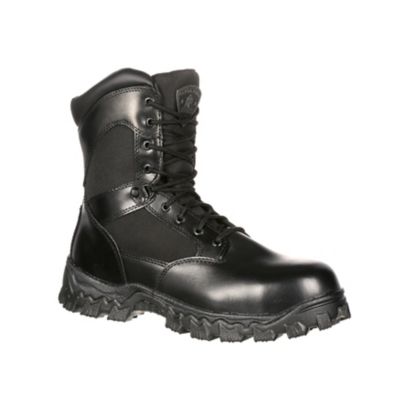
ASTM F2413 composite toe boots combine a nonmetallic safety toe with work-boot construction built for demanding days on your feet. The toe cap typically contains materials such as fiberglass, carbon fiber, or other reinforced composites rather than steel. ASTM F2413 sets performance requirements for protective safety-toe footwear, including resistance to impact and compression under controlled testing conditions. For footwear marked I/75 and C/75, those tests involve a 75-foot-pound impact and a compression load of 2,500 pounds. Those numbers describe laboratory testing, not a promise that a boot can prevent every injury from a dropped load, rolling equipment, or a crushing accident. The marking inside the boot and the manufacturer’s specifications are the places to check its protection ratings and the applicable standard revision. A reference to ASTM F2413-18 identifies the 2018 edition of the standard; workplace requirements determine which markings and additional protections are appropriate. For folks handling lumber, stacking feed, maintaining equipment, or working around pallets, that distinction matters more than the appearance of a sturdy toe. Composite caps often weigh less than steel caps, although the outsole, upper, insulation, and overall construction also affect how heavy a pair feels by quitting time. Composite material transfers heat and cold less readily than steel, but warmth still depends on insulation, socks, moisture management, and the weather. A composite toe also does not automatically mean the entire boot is metal-free: shanks, eyelets, hooks, and other components may contain metal. Anyone passing through workplace security should check the full construction rather than counting on the toe material alone. For a comparison with another safety-toe material,
ASTM F2413 18 Steel Toe Boots provide a related category to consider against the same job requirements. Toe material alone does not establish which boot offers greater protection; the marked ratings and suitability for the work are what count.
Beyond the toe cap, the right combination of upper, lining, and outsole depends on where the day takes you. Leather uppers can provide abrasion resistance and gradually soften with wear, while textile panels may reduce weight and help release heat. Reinforced areas around the toe and heel can limit wear where boots rub against rough boards, gravel, or equipment steps. Waterproof construction is worth considering for wet grass, muddy livestock pens, and jobs that involve moving between a shop and an outdoor work area. Water resistance and waterproofing are not interchangeable, and water can still enter over the top of a boot. Breathable linings and moisture-managing socks help address sweat from the inside, especially when the morning starts cold but the afternoon brings steady physical work. Insulation may suit long stretches outdoors during the cooler months, while an uninsulated pair may feel better in a heated warehouse or during chores that keep you moving. Underfoot, deeper lugs can help grip loose ground, while shallower tread may carry less mud onto a shop floor. Slip resistance depends on the outsole, the surface, and whatever is on it; an oil-resistant sole is not necessarily slip-resistant, and no tread makes ice or greasy concrete risk-free. Cushioning can ease the feel of long hours on hard floors, while a supportive midsole and shank can help a boot feel steadier on uneven terrain. Additional safety markings deserve their own attention. Electrical hazard footwear provides secondary protection against accidental electrical contact under specified dry conditions; it is not a substitute for electrical safe-work practices or equipment required for energized work. Static-dissipative footwear serves a different purpose by helping manage static buildup, and it should not be treated as interchangeable with electrical hazard protection. Puncture resistance requires a separate protective feature and rating, and a safety toe alone does not protect the sole from nails or sharp scrap. Metatarsal protection is another separate consideration for jobs where the top of the foot faces impact hazards.
Fit makes a real difference when a short chore turns into a full day. ASTM F2413 composite toe boots should hold the heel securely without squeezing the forefoot, and the toes need room to move without pressing against the protective cap. Unlike leather around the ankle, the toe cap will not stretch to make extra space. Trying boots on with the socks intended for work, preferably later in the day when feet may be slightly larger, gives a better sense of everyday fit. Walk, bend, and check how the boot feels on an incline so the toes do not strike the front and the heel does not slide excessively. Width matters as much as length, particularly with thicker socks or prescribed orthotics. Removable footbeds can make cleaning and drying easier, but replacement inserts should follow the manufacturer’s guidance, especially when they could affect fit or electrical properties. Lace-up construction allows adjustment across the instep and ankle, while pull-on styles offer a straightforward option for moving between the house, barn, and shop. Neither style should feel loose enough to interfere with secure footing. For ranch hands, warehouse crews, construction workers, and maintenance staff, the best match comes from balancing required protection with the surfaces, weather, and movements that fill the day. Care helps preserve that fit and function. Brush away grit, clean off mud and manure with methods appropriate for the upper, and allow wet boots to dry naturally away from a heater or open flame. Excessive heat can damage leather, adhesives, and other components. Leather conditioner or waterproofing treatments should match the manufacturer’s recommendations rather than coat every material indiscriminately. Check tread depth, seams, laces, and the bond between the upper and sole, especially after hard wear. A boot that takes a substantial impact or crushing load may have hidden damage even when the outside looks sound; follow the manufacturer’s replacement guidance instead of judging protection by appearance alone. Keeping boots clean, dry, and regularly inspected helps them stay ready for the next shift or round of chores.