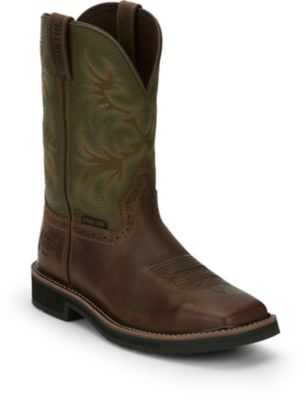
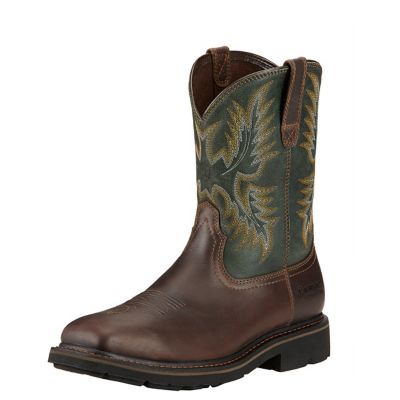
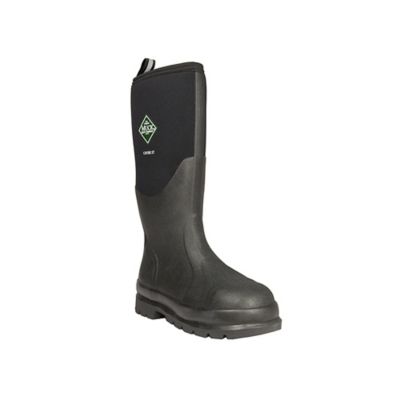
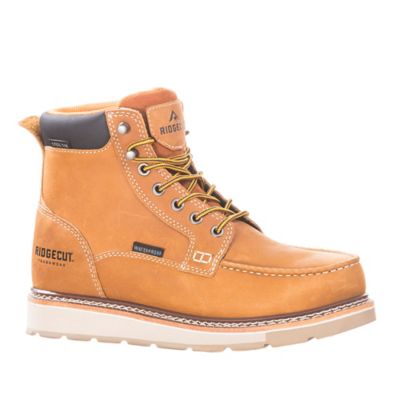
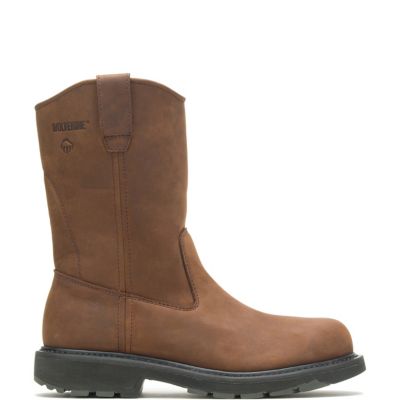
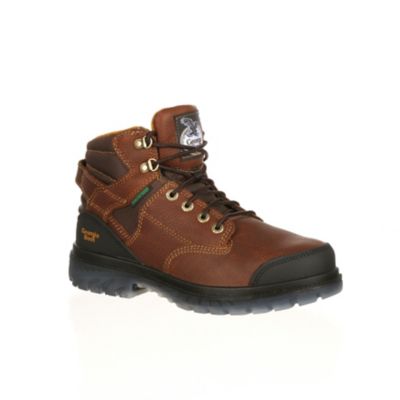
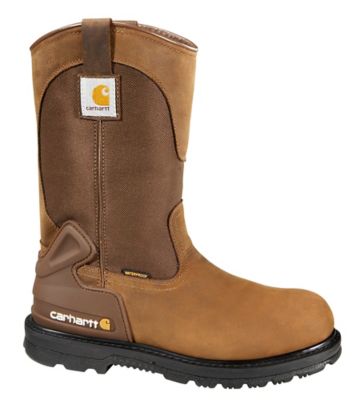
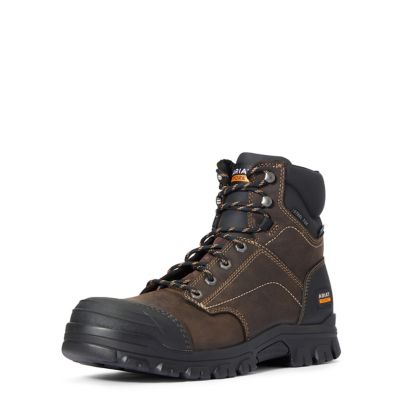
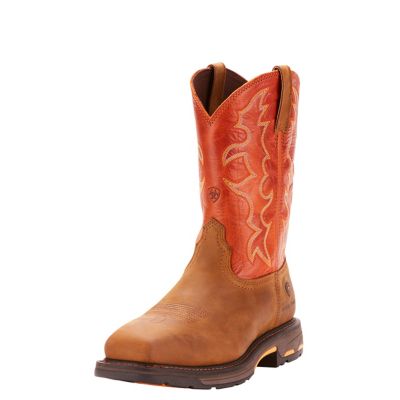
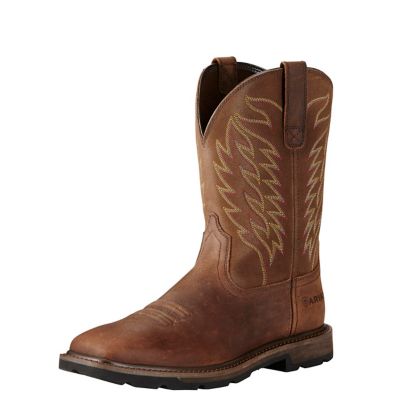
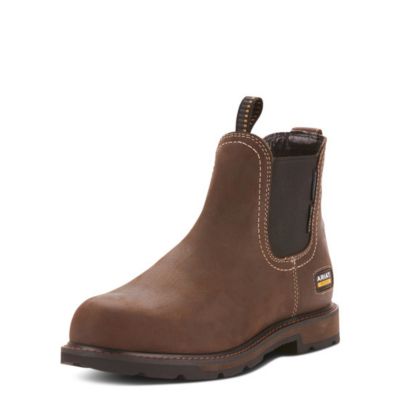
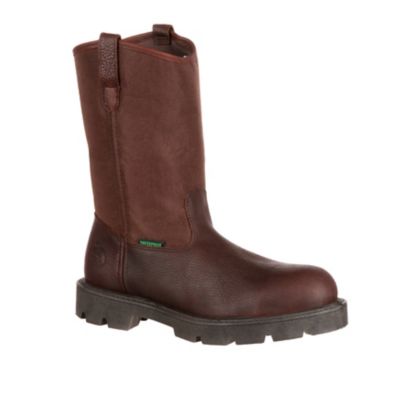
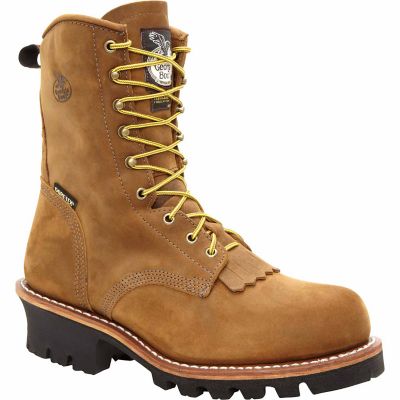
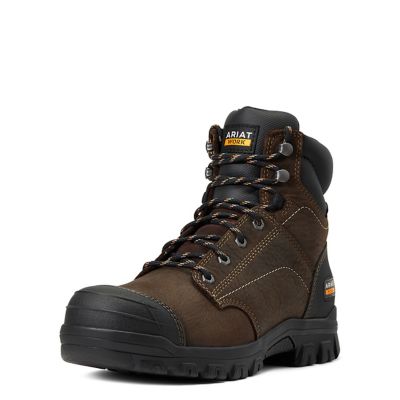
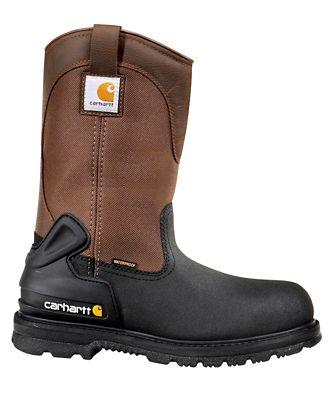
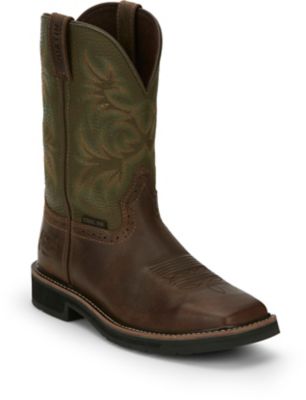
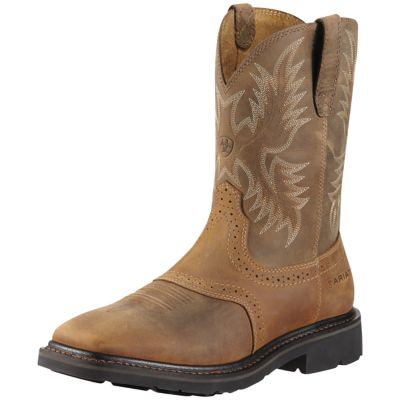
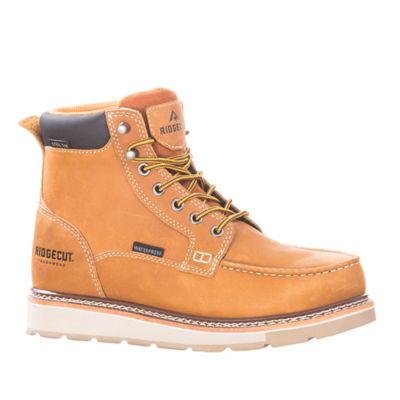
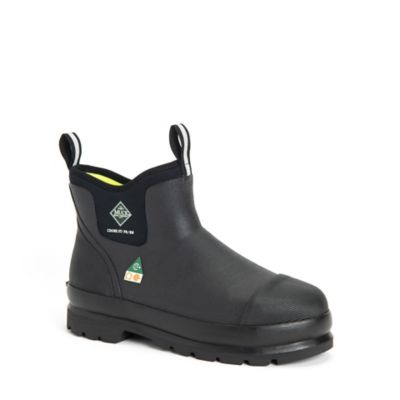
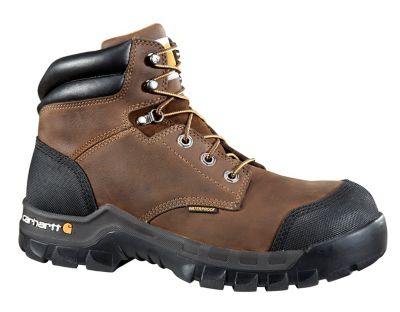
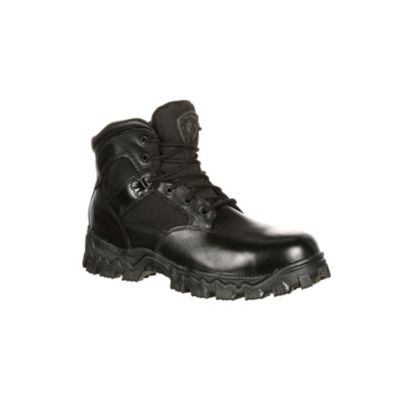
Steel toe work boots have a place anywhere the day involves heavy materials, moving equipment and plenty of time on your feet. From stacking lumber in a shop to handling feed around the barn or walking a warehouse floor, these boots combine a protective toe cap with the support and traction needed for demanding work. The steel cap sits inside the front of the boot and helps protect toes against impact and compression when the footwear meets the appropriate safety standard. The rest of the construction matters just as much to how a pair feels through a full shift. Leather uppers offer a substantial feel and can soften with wear, while designs with fabric panels may provide more flexibility and airflow. Reinforced stitching and abrasion-resistant areas can help boots stand up to repeated contact with rough surfaces, tools and equipment. Lace-up styles let you adjust the fit through the instep and ankle, which comes in handy when the job involves frequent walking or changes in footing. Pull-on work boots skip the laces and offer a straightforward option for folks who move between the house, shop and outbuildings throughout the day. Shaft height affects coverage and feel, whether you prefer a shorter boot that leaves the lower leg freer or a taller style that covers more of it. Underfoot, outsole shape should suit the ground you cover most. Broad wedge soles offer substantial contact on flatter surfaces, while defined heels and deeper tread patterns serve different needs on uneven terrain. Slip-resistant outsoles can help with footing, but no tread eliminates the risk of slipping on every surface. Oil, loose gravel, packed dirt and smooth concrete each present different challenges. For a mechanic moving around a service bay or a farmhand crossing a gravel yard, the best match depends on more than the toe cap alone. Overall boot weight, flexibility and how securely the heel sits all contribute to a pair that feels ready for the work ahead.
A good fit leaves room for your toes without allowing your foot to slide around inside the boot. Steel toe caps do not stretch the way leather uppers can, so pressure against the cap is not something to count on breaking in. Trying boots with the socks normally worn for work gives a better sense of how much room is there, especially across the forefoot and over the instep. Your toes should have space to move without striking the front when you walk down an incline, and your heel should feel secure without rubbing. Width matters as much as length; sizing up to make a narrow boot feel wider can leave too much movement elsewhere. Removable footbeds are worth considering for workers who need room for an appropriate replacement insole or prescribed orthotic, though any change must preserve the boot’s fit and follow the manufacturer’s guidance. Cushioning can take some of the harsh feel out of long stretches on concrete, while a supportive midsole and shank help give the boot structure. Comfort features do not replace the need to match safety markings to the job. ASTM designations identify tested protection, and workplace requirements may call for features beyond an impact- and compression-rated toe. Electrical-hazard protection, puncture resistance and metatarsal protection are separate considerations, not automatic benefits of steel toe construction. A toe cap also does not protect every part of the foot. Anyone working around energized equipment, sharp objects underfoot or materials that could strike the top of the foot should follow the employer’s footwear requirements rather than judge protection by appearance. Where job rules allow a choice of safety-toe materials,
men's composite toe work boots offer another option to compare, with attention to each pair’s listed ratings and overall construction. Waterproof designs may also make sense around wash areas or wet ground, though moisture management inside the boot still depends on socks, lining and enough drying time between wears.
Construction and everyday care play a big part in how long steel toe work boots stay comfortable and ready for service. Welted construction may allow resoling, depending on the boot and the condition of its upper, while cemented construction can provide a flexible feel without the same repair options. Neither construction method tells the whole story by itself; leather thickness, stitching, outsole material and the demands of the job all affect wear. A pair worn around welding sparks faces a different workload than one worn for stocking shelves or tending livestock, so materials and coverage should fit the task. Cleaning off mud and grit keeps abrasive buildup from settling into seams and tread, and removing small stones from the outsole helps keep the tread clear. Leather care products should match the manufacturer’s recommendations, since some treatments can change the finish or affect other materials in the boot. Fabric panels and waterproof linings may need different care than plain leather. After a long day, loosening the laces and taking out removable footbeds, where recommended, can help the inside dry more thoroughly. Let boots air-dry away from direct heat rather than placing them against a heater, which can damage leather, adhesives and other components. Regular checks are worthwhile: worn-smooth tread, opening seams, separated soles and damaged uppers can all signal that a pair needs attention or replacement. Boots that have taken a substantial impact or compression event should be assessed according to the manufacturer’s guidance, even when damage is not obvious. For someone starting a trade, joining a farm crew or replacing a well-worn work pair, steel toe boots can also be a practical gift when the recipient’s size, fit preferences and job requirements are known. The most useful pair is one that matches the person’s daily ground, required protection and way of working, with room for a comfortable stride from the first chore to the last walk back to the truck.