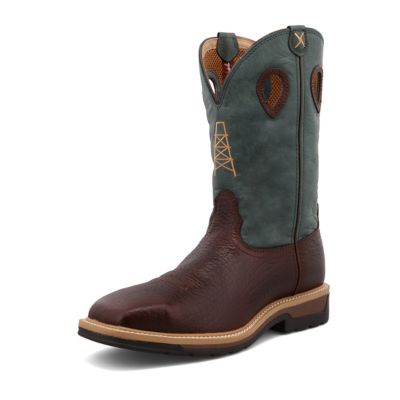
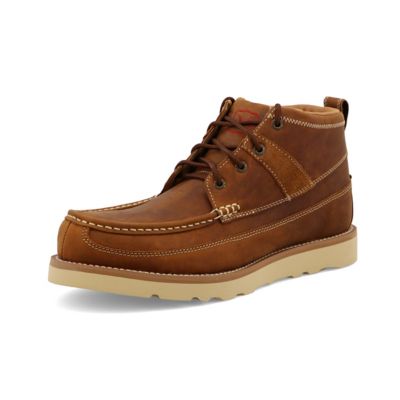
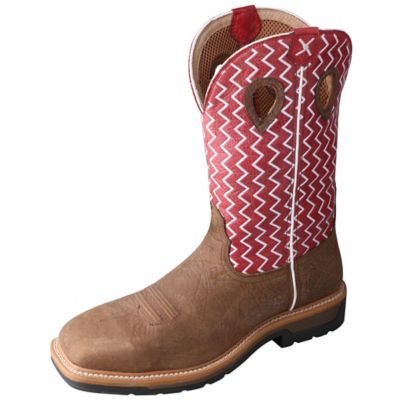
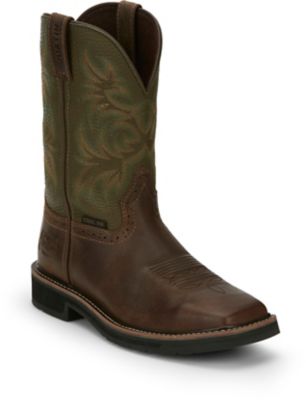
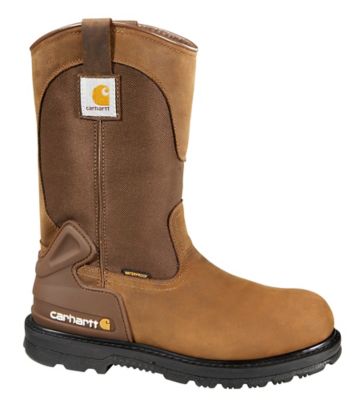
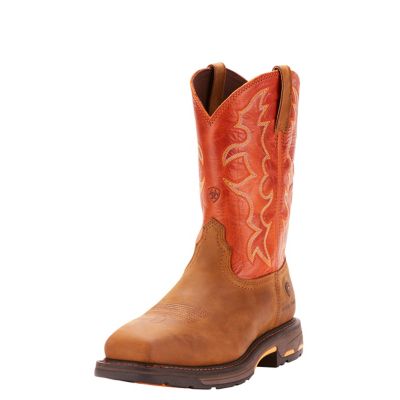
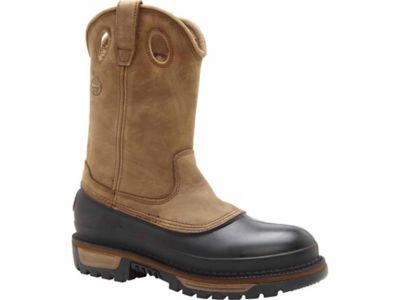
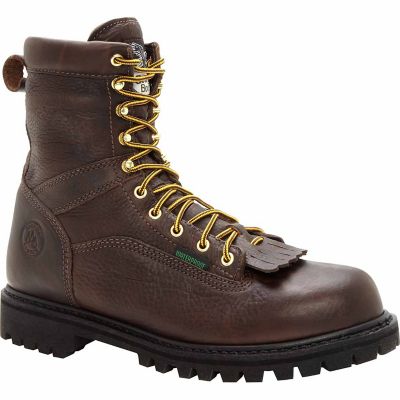
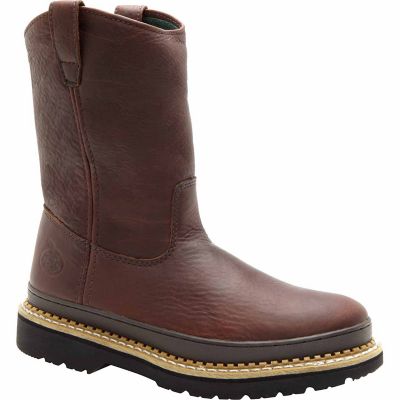
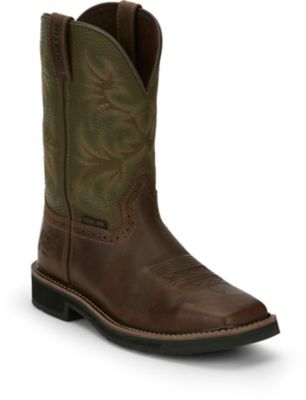
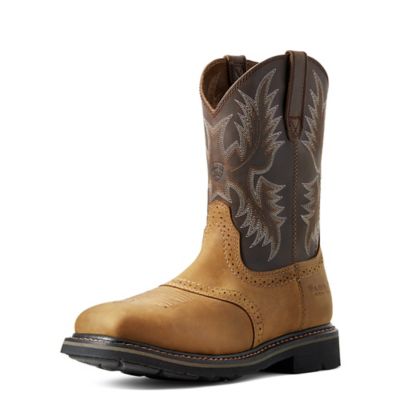
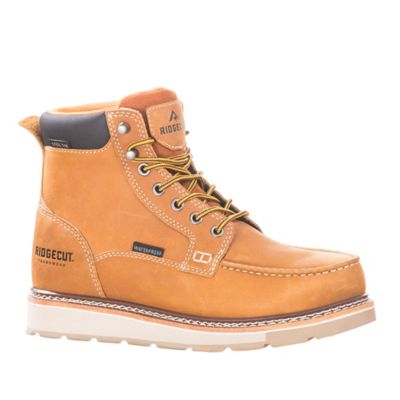
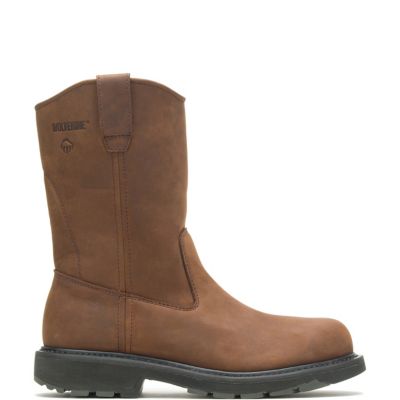
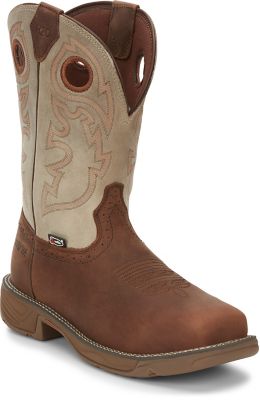
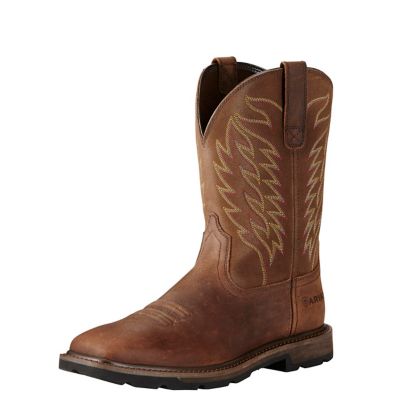
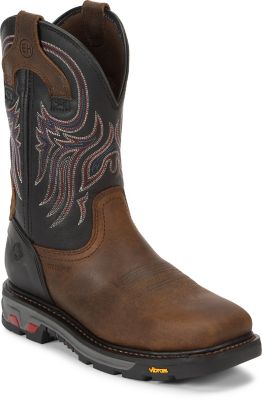
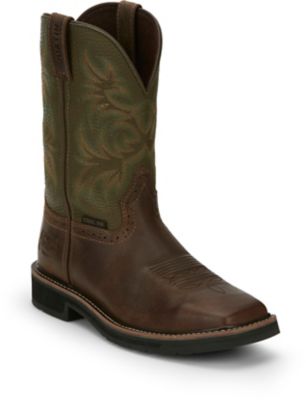
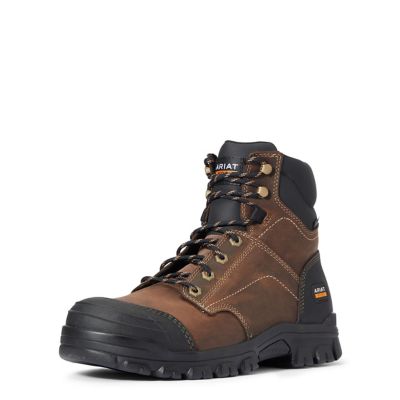
ANSI steel toe boots remain a common search term for work footwear, even though today’s safety standards have moved on from the older ANSI Z41 system. In 2005, ASTM standards replaced ANSI Z41 for modern protective footwear, so shoppers comparing steel toe boots should look for an ASTM F2413 label. This standard covers key areas of impact and compression protection, helping workers match their footwear to the demands of a job site. The marking I/75 refers to impact protection from a heavy object falling onto the toe, while C/75 refers to compression protection from rolling equipment or heavy pressure. Some boots also carry an EH rating, which indicates protection against contact with live electrical circuits under specific conditions. These ratings do not replace safe work practices, but they give shoppers a clear starting point when sorting through footwear for construction, farm work, warehouse tasks, road crews, machine shops and other hands-on jobs. A steel toe boot can bring peace of mind when a day includes rough ground, stacked materials, tools underfoot and equipment moving nearby. For shoppers who want to learn more about domestic manufacturing options, browse
USA Made Steel Toe Boots.
Start with the hazards around the job, then choose the boot shape and materials that fit the working conditions. Lace-up styles offer a close fit around the ankle and can help keep the foot steady while walking across uneven ground, climbing ladders or stepping in and out of a tractor cab. Pull-on styles make quick changes easier and may suit muddy yards, wet fields and work areas where removing footwear often is part of the day. For rain, slush and standing water, look for waterproof construction or a tall rubber or PVC design that helps keep feet dry. Wet socks can turn a long shift into a miserable one, especially when the temperature drops and the ground stays cold from dawn to dusk. Slip-resistant outsoles can provide better traction on smooth concrete, packed soil, gravel, wet decking and slick shop floors, though no sole can prevent every slip. Pay attention to tread depth, heel shape and the way the outsole bends as you walk. Electrical work calls for footwear marked for electrical hazard protection, while chemical-heavy workplaces may require materials specifically suited to the substances handled on site. Check workplace rules before buying, since some jobs call for particular ratings, toe styles, sole materials or height requirements. A boot that fits the hazard but pinches the toes or rubs the heel will not be a good match for a full shift, so leave enough room for natural toe movement and the socks you normally wear.
Comfort matters just as much as protection when boots spend ten or twelve hours on your feet. Look for supportive footbeds, steady ankle structure, cushioning under the heel and a lining that feels comfortable against work socks. Try boots on late in the day when feet are more likely to swell, and check that the heel stays in place without squeezing the sides of the foot. Steel toes should leave room for your toes to move without pressing against the protective cap. Break in new boots gradually before taking them to a long shift; a few shorter walks around the barn, shop or yard can help you spot pressure points early. Keep laces snug, pull-on shafts properly positioned and the tread free of packed mud or gravel. During the cooler months, thicker socks may change the fit, so account for that before heading into a cold morning of chores. Steel toe boots can make a thoughtful gift for a ranch hand, mechanic, contractor, delivery worker, grounds crew member or family member starting a new job, especially when you know the work setting and size. If the boots are meant for someone else, check their current footwear size and workplace requirements first. The right pair should suit the job, fit the foot and provide the protection called for by the work environment, whether the day brings wet grass, dusty gravel, concrete floors or heavy equipment.