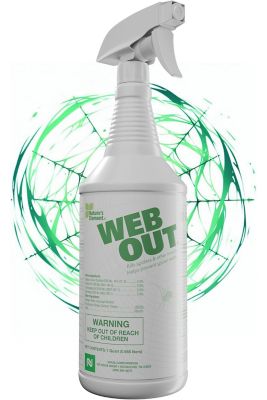
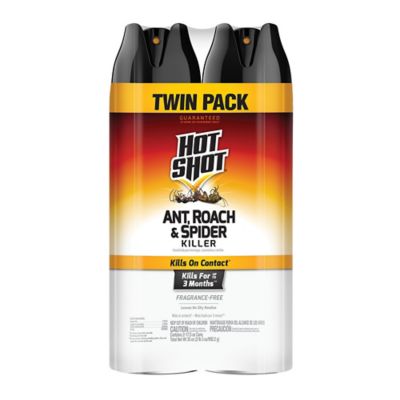
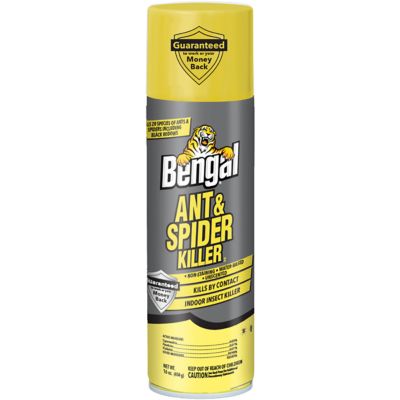
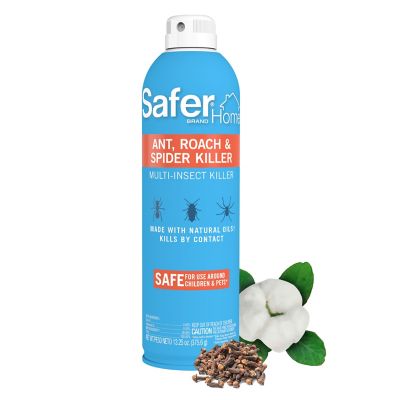
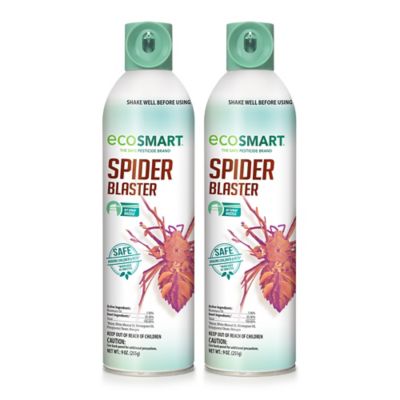
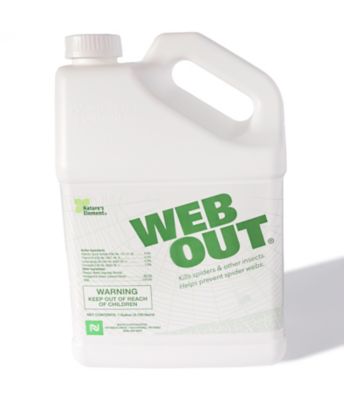
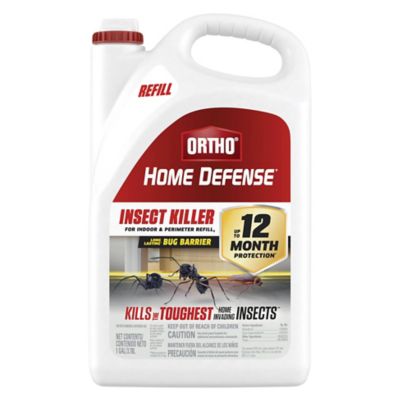
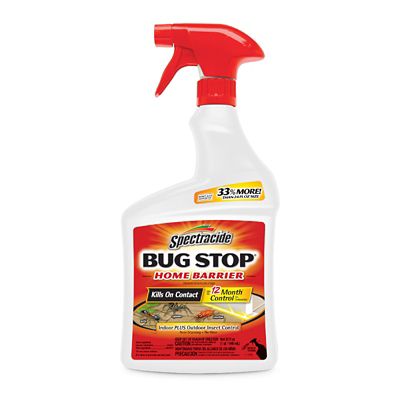
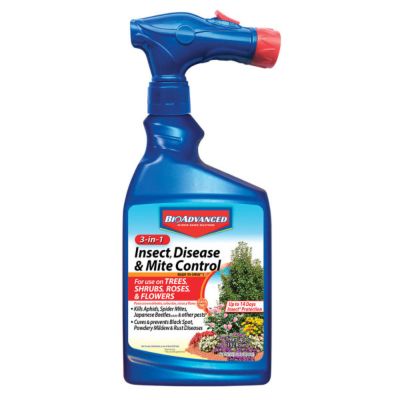
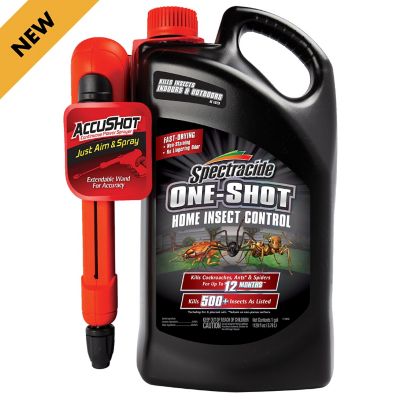
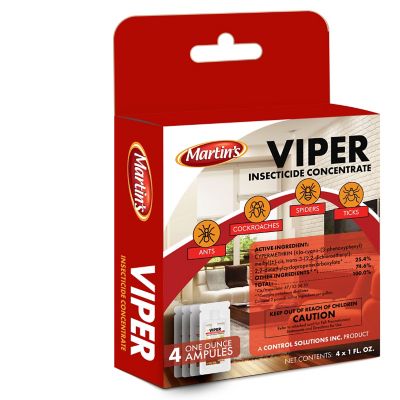
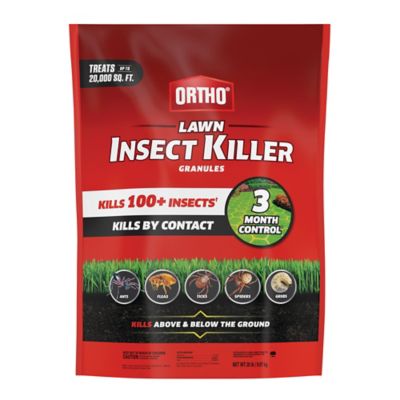
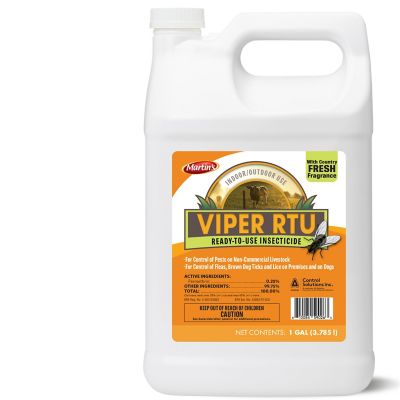
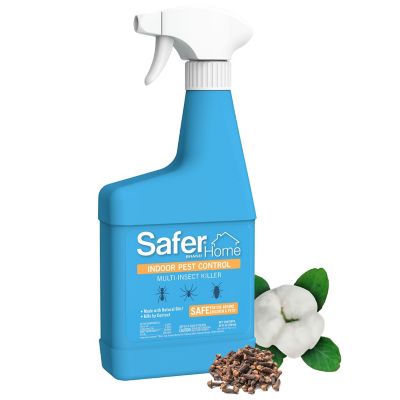
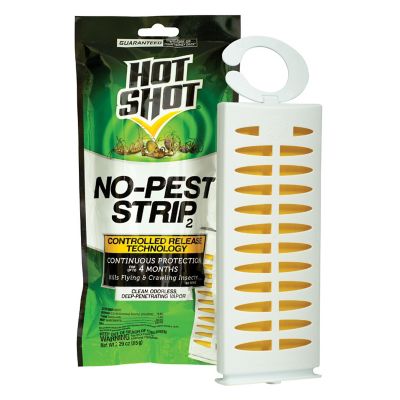
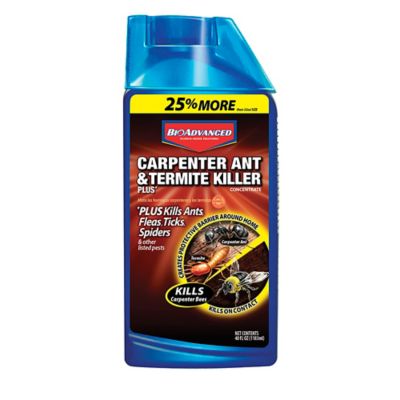
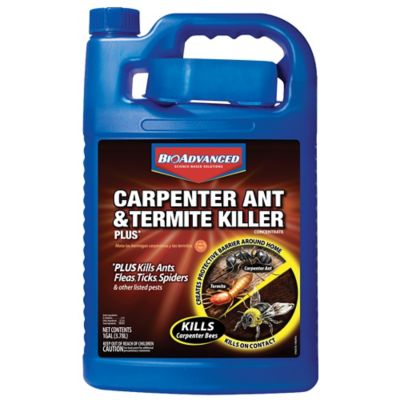
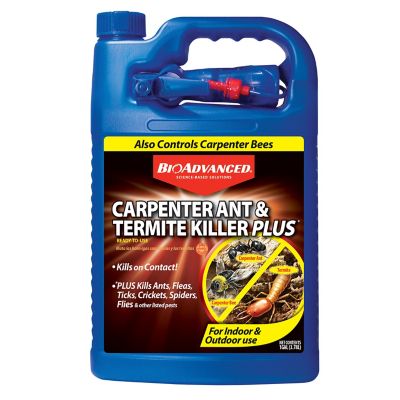
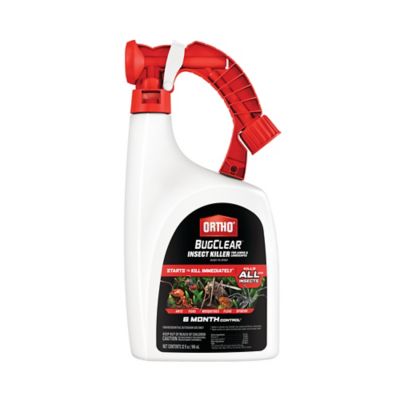
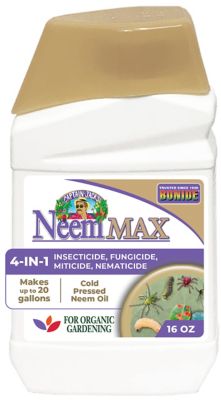
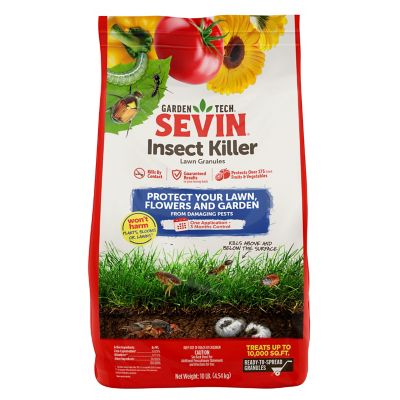
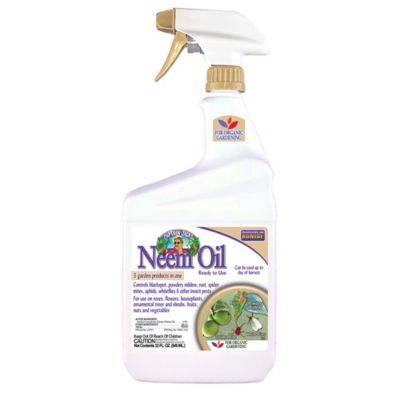
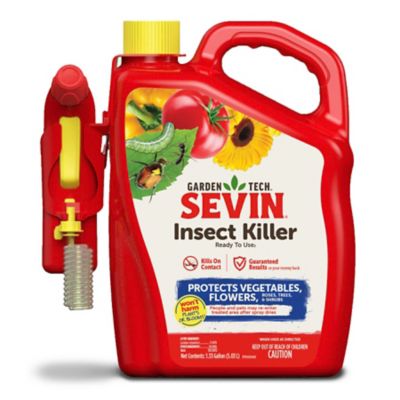
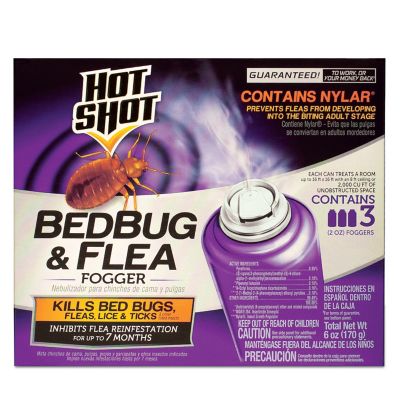
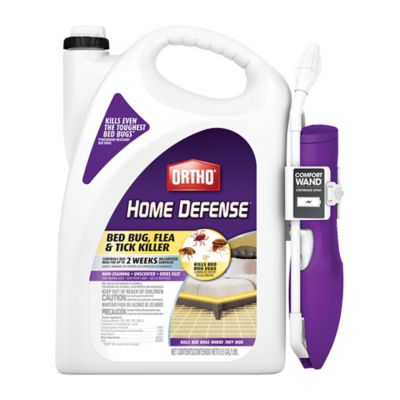
Spider control products can help manage unwanted webs and spiders around the house, barn, garage, shed, porch and other places where people, pets and livestock spend time. During the cooler months, spiders and the insects they feed on may move toward warmer, sheltered spaces, showing up along baseboards, in corners, near windows, beneath furniture or around stored boxes. Outdoors, they often settle around lights, doorways, eaves, woodpiles, fences and foundation cracks where insects gather. The best choice depends on the size and location of the problem, how often spiders appear and whether the goal is quick knockdown, ongoing prevention or a combination of both. Ready-to-use sprays are convenient for treating visible webs, cracks, entry points and other labeled areas without mixing, while concentrated formulas can be a practical choice for larger homes, outbuildings and properties that need repeated perimeter treatment. Always read the product label before use, including directions for dilution, approved surfaces, application frequency and required drying time. Products registered for pest control have been evaluated for their labeled uses, but safe handling still matters: keep people and animals away from treated areas as directed, avoid spraying food or animal feed, and store containers securely away from children, heat and moisture. A handheld sprayer, dust applicator or bait station can make application easier, especially when reaching foundation lines, rafters, crawl spaces and the gaps around utility penetrations. For a broader selection of solutions for spiders and other common household or property pests, browse
Pest Control Supplies and compare application methods, coverage and safety details before adding items to your cart.
When shopping for spider control products, consider whether treatment will take place indoors, outdoors or in both settings. Indoor sprays and repellents are often made for use around baseboards, window frames, door thresholds, closets, porches and other non-food-contact areas, while outdoor treatments may be designed for foundations, siding, patios, barns, kennels and the perimeter around a home. Glue traps can be useful for monitoring activity in quiet, low-traffic spots such as behind appliances, in closets, along garage walls and near storage areas. They help show where spiders are traveling and may be especially handy when you want a low-odor option without spraying an entire room. Dusts and drying powders can be suited to cracks, crevices and sheltered spaces, where they work by reducing moisture on the bodies of crawling pests; use them only as directed and avoid creating airborne dust around people, pets, livestock or ventilation openings. Plant-based repellents and formulas made with aromatic oils may appeal to shoppers looking for a different approach, but “natural” does not automatically mean harmless. Essential oils and concentrated botanical ingredients can still irritate skin, eyes and breathing passages, and some may be unsafe for cats, dogs, birds or other animals. Check the label for pet restrictions, ventilation instructions and approved application sites, and never apply a household product to an animal unless the label specifically says it is intended for that use. Households with babies, young children, pets or indoor livestock may prefer targeted applications, traps placed out of reach and products with clear directions for occupied spaces. In rural homes, it also helps to think beyond the living room: barns, tack rooms, feed storage areas and workshops may need separate products or application plans, since hay, bedding, livestock feed and equipment can be affected by overspray or loose dust.
Good spider management usually works best as a steady property-care routine rather than a single treatment. Sweep down webs around porches, windows, rafters and outbuildings, then inspect the spots where spiders keep returning. Sealing gaps around doors, screens, siding, pipes and foundation joints can reduce easy entry, while moving firewood, lumber, brush and unused equipment farther from the house may remove some of the sheltered places spiders favor. Outdoor lighting can attract flying insects, which in turn can attract spiders, so keeping lights, doorways and eaves clean may help reduce activity near entrances. Traps and monitors can provide useful clues about where treatment is needed, while sprays, repellents or perimeter products may help protect the labeled areas around the structure. Follow-up applications should match the directions on the package and the conditions on your property; damp weather, heavy vegetation, open barns and frequent foot traffic can all affect how long a treatment lasts. A homeowner may want a simple ready-to-use option for occasional sightings, while a landowner, property manager or small-farm operator may look for larger coverage, refillable equipment and a formula suited to recurring outdoor work. Spider control supplies can also make a practical housewarming gift for someone moving into an older farmhouse, settling into a new workshop or getting a garage ready for cooler weather, especially when paired with gloves, a flashlight and basic sealing supplies. Keep expectations realistic: products can reduce spider activity where they are properly applied, but they work best alongside cleanup, exclusion and attention to the insects that serve as a food source. With the right combination of product type, placement and regular upkeep, it is easier to keep living areas, workspaces and outbuildings feeling cleaner and more comfortable through changing seasons.