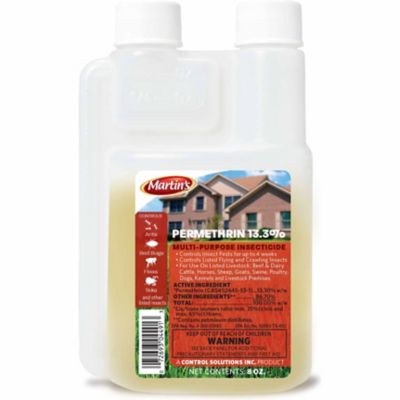
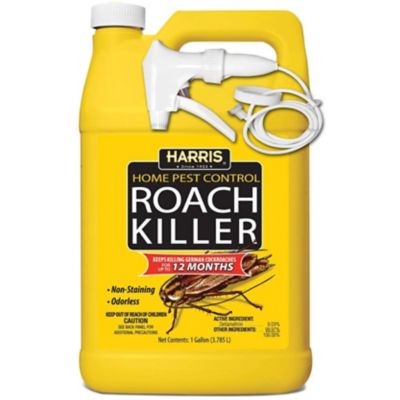
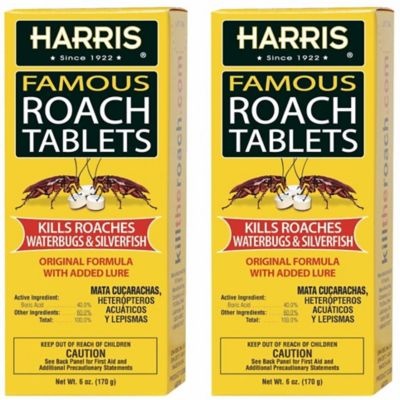
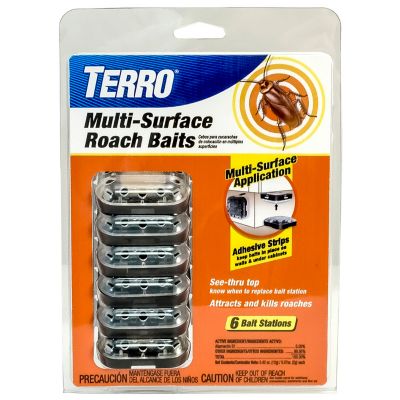
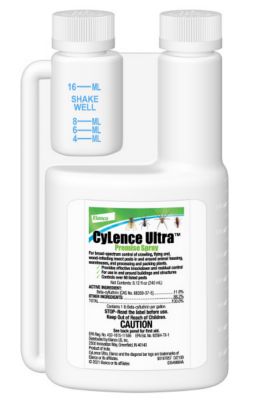
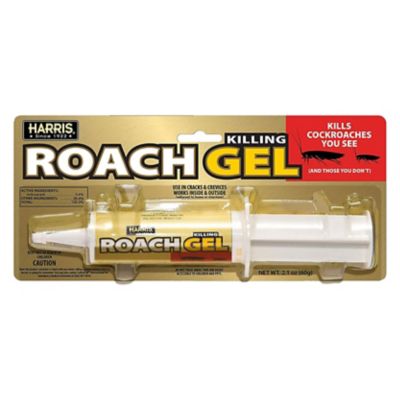
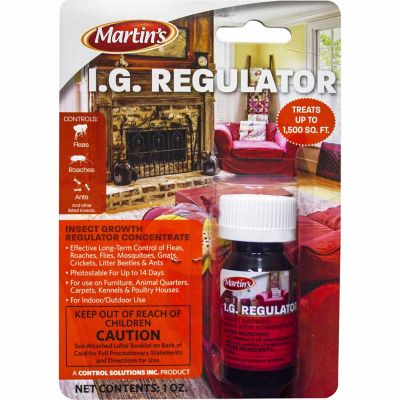
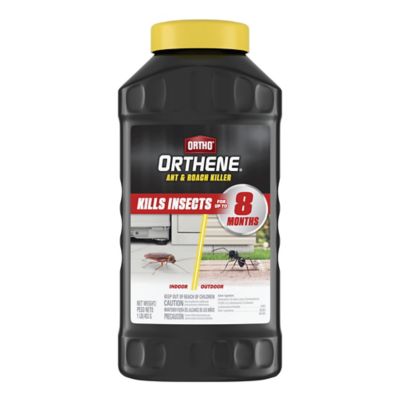
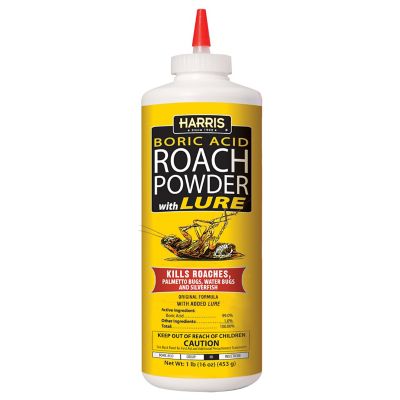
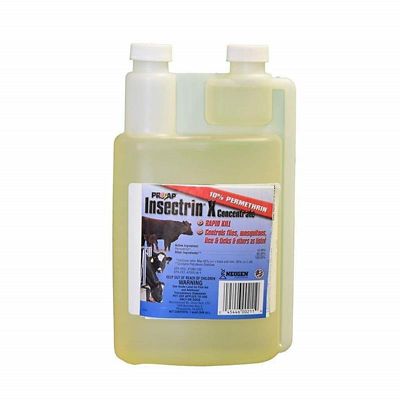
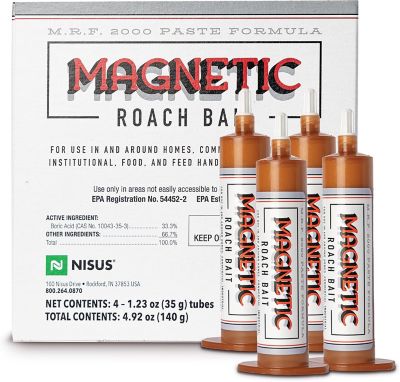
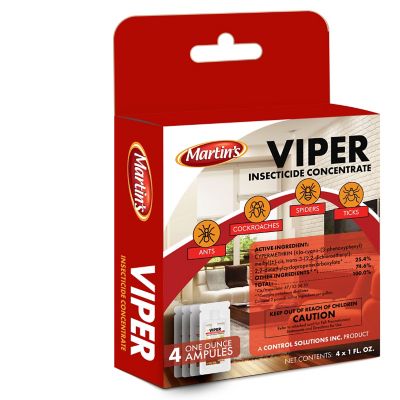
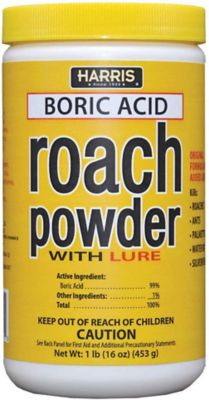
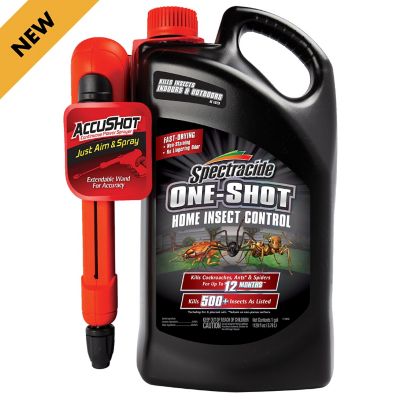
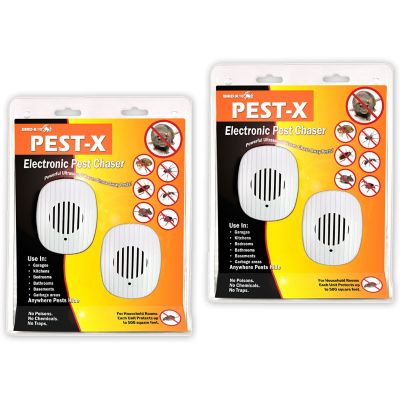
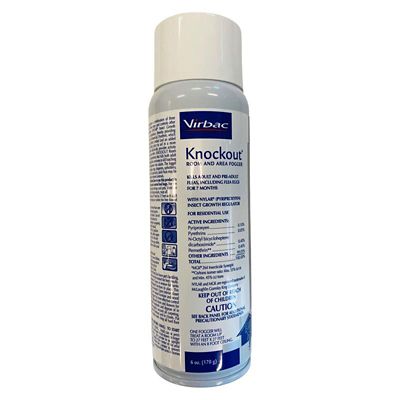
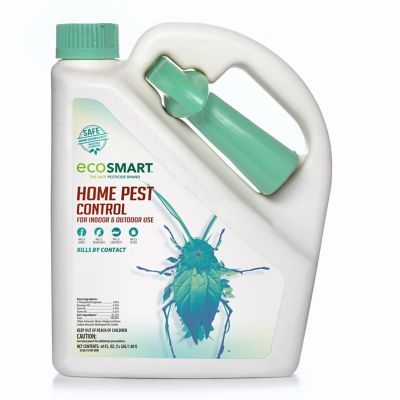
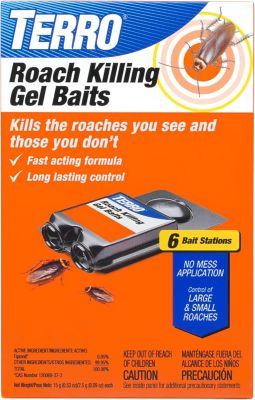
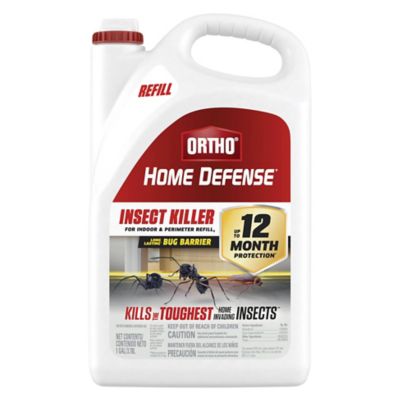
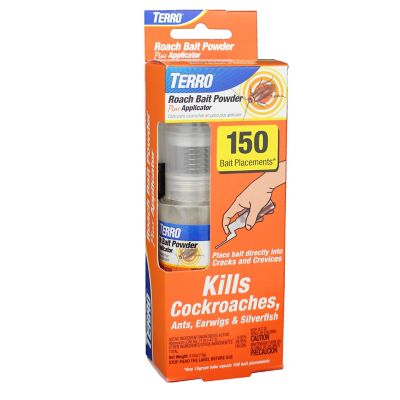
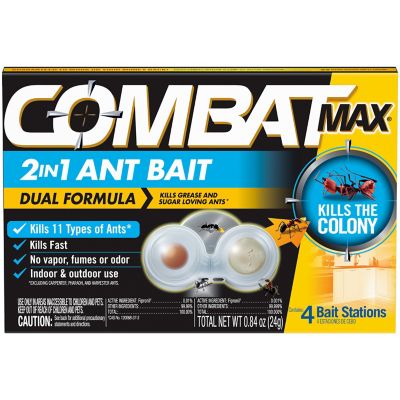
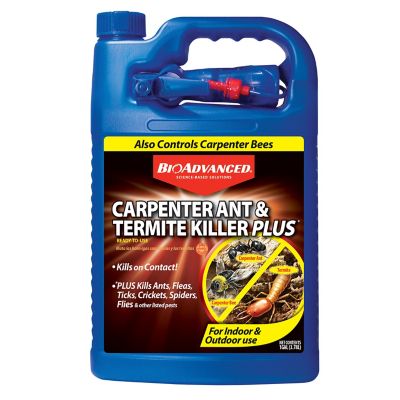
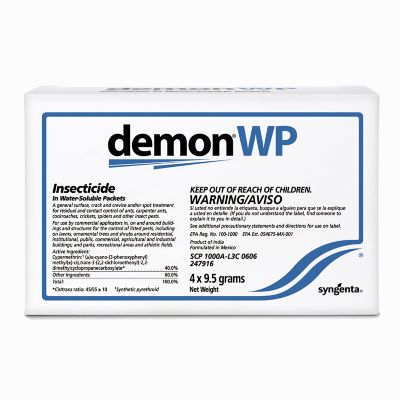
Roach control products can help homeowners, renters, landlords, cabin owners and small-business operators deal with unwanted crawling pests in kitchens, bathrooms, utility rooms and other tucked-away places. Roaches tend to favor warm, dark areas with easy access to food and moisture, so activity may show up around sinks, dishwashers, refrigerators, pet-feeding areas, floor drains, cabinets and wall openings. As the weather warms, they may become more noticeable indoors and around outbuildings, while cooler weather can drive them toward heated spaces in search of shelter. A good product choice starts with the kind of activity you are seeing and the area that needs attention. Bait gels are useful for placing small amounts into cracks, corners and other hidden spots where roaches travel. Bait stations offer a contained option for areas where a ready-to-use format is preferred, and many are designed to help keep the bait enclosed. Glue traps do not usually solve a larger infestation by themselves, but they can show where roaches are moving and help you keep an eye on activity after treatment. Insect growth regulators, often called IGRs, work differently by interfering with the development of young roaches and their ability to reproduce, making them a helpful part of a broader control plan. Residual sprays and concentrates can be used on approved surfaces such as cracks, crevices, baseboards and other labeled areas, but they should always be applied exactly as directed. Products made with drying powders may also help in dry, protected voids, though dust should never be left where children, pets, livestock or food could come into contact with it. Always read the label before purchase and use, since application sites, ventilation needs, reentry instructions and precautions can vary from one formula to another.
For many homes, the most dependable approach combines the right product with a little housekeeping and close attention to entry points. Place baits or traps along walls, behind appliances and near the edges of cabinets rather than in the middle of an open room, since roaches commonly follow edges as they move through the house. Keep bait away from competing food sources by wiping up crumbs, storing feed and pantry goods in sealed containers, emptying indoor trash regularly and cleaning grease from cooking areas. Repair dripping faucets, dry damp cabinet corners and use covers on floor drains where appropriate to reduce the water that attracts pests. Before using a spray near bait, check the label and product directions; spraying over or around bait can make it less appealing and may work against the control method. Insect growth regulators and residual treatments can take time to show their full effect, while traps and visual inspections can provide useful signs of where activity is concentrated. If you see roaches during the day, find droppings that look like pepper flakes, notice an oily odor or spot several sizes of roaches together, the problem may be more established than a single stray insect. In that case, follow-up treatment and professional pest control may be worthwhile, especially in multi-unit housing, food-handling spaces or homes with persistent moisture problems. Keep every pesticide in its original container, use only the amount listed on the label and store it securely away from children, pets, animal feed and household supplies. For other crawling pests that may turn up around doors, windows, sheds or porches, visit
Spider Control Products for additional options.
Roach control supplies are a practical addition to a rental-property maintenance kit, cabin-care tote or homeowner’s cleaning and repair shelf. They can also make a thoughtful housewarming gift for someone moving into an older home, taking over a rental, opening a farm office or getting a seasonal place ready for visitors, although the recipient should choose products based on the building, the pest and the label directions. Before buying, consider whether you need a discreet bait, an enclosed station, a monitoring trap, a treatment for hidden cracks or a product intended to interrupt the pest life cycle. Check the size of the area, the presence of children or pets, and whether the product is approved for indoor, outdoor or agricultural-use locations. Never place roach bait in livestock feed, near hay or grain, or in any location not listed on the label, and do not use a household pesticide on animals unless it is specifically labeled for that purpose. A tidy, targeted setup often works better than spreading product everywhere: inspect first, seal gaps around pipes and doors, place control products where roaches actually travel, and revisit those spots according to the directions. During the cooler months, pay special attention to warm appliances, plumbing penetrations and storage areas, while warmer conditions call for a look around exterior doors, garages and other places pests may enter. With the right combination of monitoring, sanitation, moisture control and labeled treatment, you can make the home less inviting and keep unwanted roach activity from settling in.