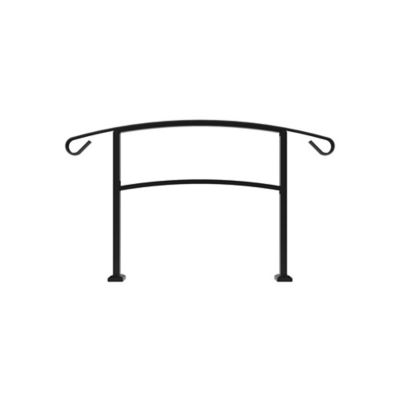
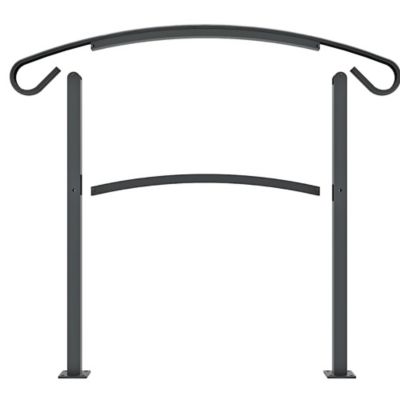
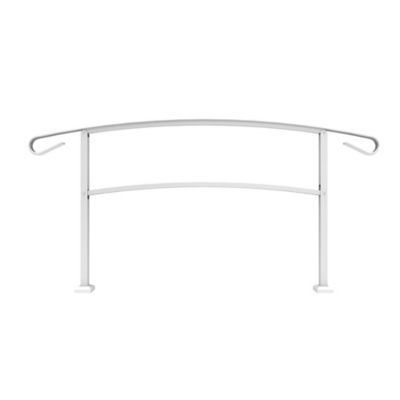
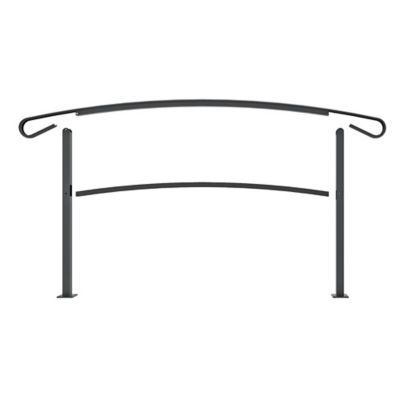
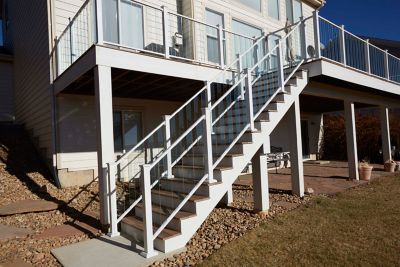
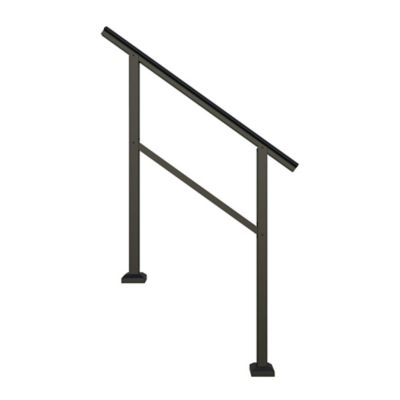
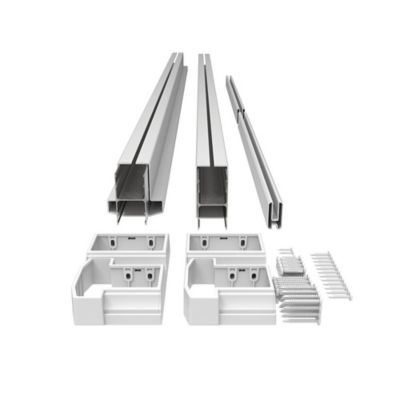
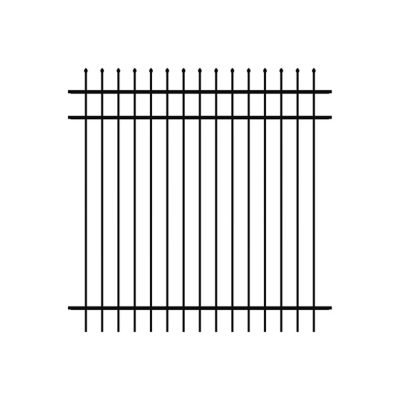
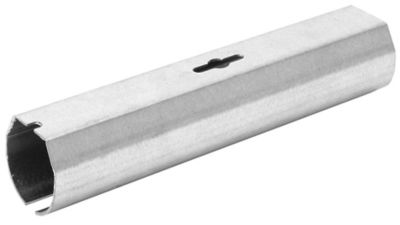
Aluminum railings for porches define the edge of a raised gathering space without closing off the view of the yard, driveway, or pasture beyond. A properly selected and installed railing system can serve as a protective guard while giving the porch a finished look that fits the house. Aluminum’s relatively light weight makes sections easier to handle than many heavier metal alternatives, although the strength of the finished assembly depends on its design, connections, and mounting surface. Slim vertical pickets suit everything from a farmhouse entry to a broad wraparound porch, leaving room for the siding, columns, and front door to stand out. Dark finishes tend to frame the view, while lighter finishes can blend with painted trim and porch posts. Powder-coated surfaces provide a finished layer over the metal, with care requirements that differ from those of painted wood. The right style also depends on how the porch gets lived in. A front stoop needs an unobstructed path to the door; a porch with rocking chairs needs enough space behind the seating; and a busy side entrance benefits from a layout that keeps bags, boots, and carried loads from catching on projecting ends. Top-rail profiles range from narrow shapes to broader surfaces, but a wide rail should not be treated as a seat or climbing surface. Straight railing sections, stair sections, posts, and connection hardware perform different jobs within an assembly, so matching appearances alone do not establish compatibility. Aluminum porch railing kits may group some of these components together, but package contents and system requirements can differ. For homeowners refreshing an entry, property owners maintaining a rental, or contractors finishing a new porch, the most useful comparison is between complete systems that suit the structure, the layout, and the intended use. A railing that looks right from the driveway still needs to work comfortably at the doorway, around corners, and beside the steps.
Fit starts with the porch itself, not just the distance between two posts. Section length, finished guard height, post dimensions, corner angles, and stair pitch all affect how the parts come together. A long front edge may need intermediate posts, while a short return beside the door can call for different brackets or a different post position. Published maximum spans matter because an unsupported run cannot simply be stretched to fill a gap. Some systems permit field trimming, while others have limits on where a section can be cut or how much material can be removed. Stair railing sections also need the correct slope range; a level section is not automatically suitable for steps. Mounting deserves just as much attention as the rails. Surface-mounted posts transfer force through their base plates and fasteners into the structure below, which means porch boards alone may not provide the necessary support. Wood framing may need blocking, and concrete attachments depend on sound material, appropriate anchors, and required spacing from edges. Brick veneer, thin caps, and loose paving surfaces are not substitutes for a verified structural attachment. Existing roof-support posts also should not be treated as suitable railing attachment points without checking their construction and the railing system’s requirements. Building rules add another layer to the fit. For many one- and two-family homes, a required porch guard must be at least 36 inches tall, and openings generally must prevent a 4-inch sphere from passing through; other building types and local rules may call for different dimensions. Stair guards and graspable handrails have additional requirements, and a broad top rail may not count as a handrail. Local building officials and qualified installers can clarify those details before components are selected. Where a gate is part of the layout, its swing, latch, hinges, and connection to the guard system need consideration too. A porch railing is not automatically a pet enclosure, and code-compliant spacing may still leave room for a small animal to slip through. Keeping furniture and other climbable objects away from the edge helps preserve the purpose of the guard.
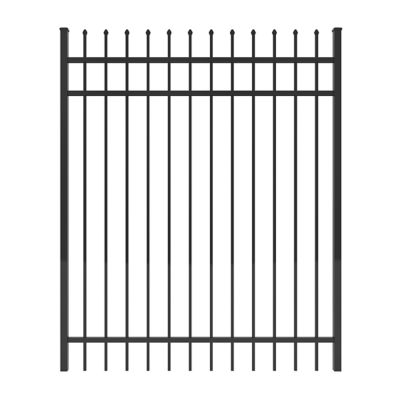
Care and long-term performance depend on more than the aluminum alone. Aluminum does not develop the red rust associated with iron, but it can still corrode where incompatible metals, trapped moisture, or certain chemicals are involved. Compatible fasteners, manufacturer-specified brackets, and any required isolation between different materials help protect the connections. Contact with treated lumber may also require a barrier or specified hardware, depending on the railing system and treatment chemistry. Powder coating can simplify routine upkeep, but it is not immune to scratches, abrasion, or harsh cleaners. Mild soap, water, and a soft cloth are often suitable for everyday cleaning when consistent with the manufacturer’s directions. Grit around post bases, residue near connections, and buildup under the top rail deserve attention rather than a hard scrub with an abrasive pad. Any touch-up coating should match the system’s care instructions, especially around field cuts or damaged finish. Routine checks for loose fasteners, movement at posts, missing caps, and wear around gates can help identify problems before the porch gets busy with visitors. A railing that moves at the base needs attention to its attachment, not just another coat of finish. Details such as closed rail ends, snug brackets, and smooth transitions also make a difference when someone carries a laundry basket through a narrow entry or trails a hand along the steps. For a coordinated look beyond the porch,
Aluminum Fencing can carry a similar metal-and-picket style around the yard, though fencing and porch guards serve different purposes and are not interchangeable. The best match for a porch brings together an appropriate finish, manageable care, compatible components, and attachment details suited to the building. That leaves the porch ready for everyday foot traffic, a quiet seat after chores, and a clear path from the steps to the front door.