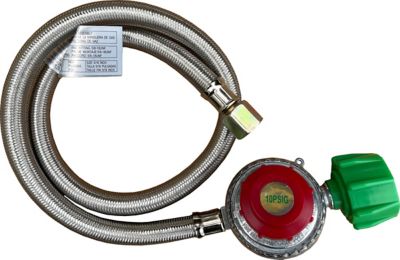
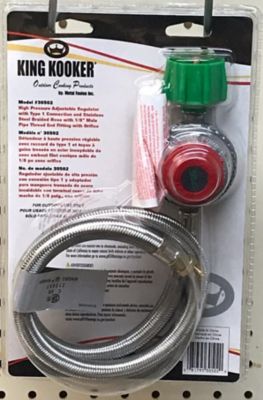
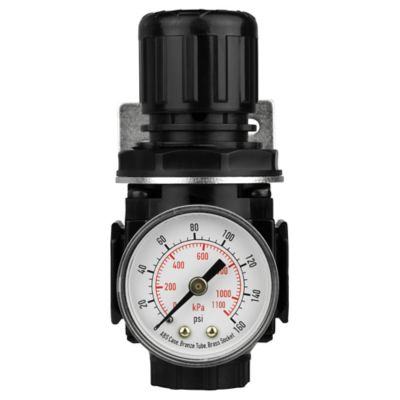
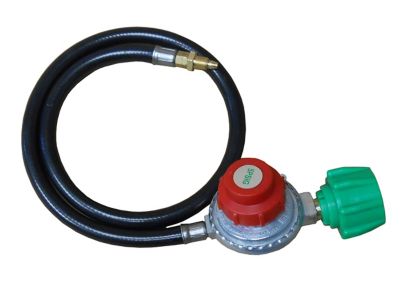
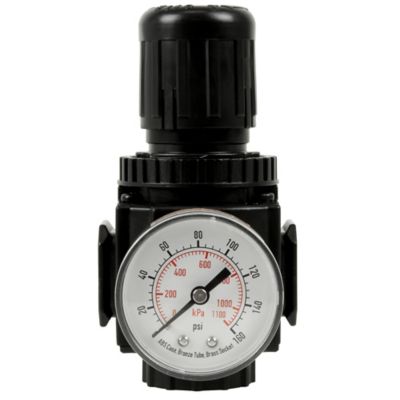
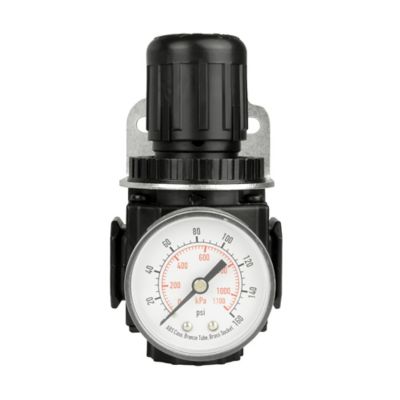
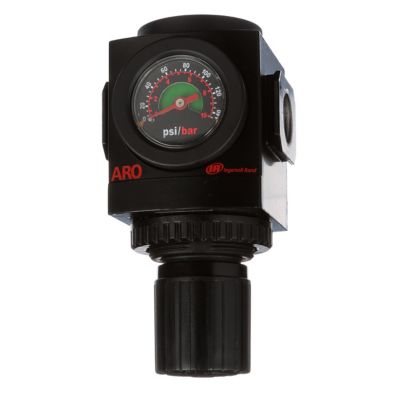
An adjustable pressure regulator reduces higher inlet pressure and controls downstream water, air, or gas pressure at a selected setting within its rated range. The right design helps keep the pressure supplied to connected equipment near the level that equipment calls for, rather than sending full supply pressure down the line. Around a farm, home, or workshop, that can mean controlling water pressure going to an RV, supplying a drip irrigation zone, or setting compressed-air pressure for a tool at the workbench. Each application calls for a regulator built for that particular service; a water regulator and an air regulator are not interchangeable just because their fittings look alike. Adjustable models let you change the outlet setting with a knob, screw, or other adjustment mechanism, making them useful when equipment requirements differ or a system needs a setting that a fixed-pressure model cannot provide. The adjustment range matters as much as the highest number on the gauge. A regulator should cover the equipment’s required operating pressure, accept the incoming supply pressure, and pass enough flow for the job. Water flow ratings often appear in gallons per minute, while compressed-air ratings may appear in standard cubic feet per minute. Those ratings help distinguish a regulator suited to a small line from one intended to serve equipment with a greater demand. Pressure and flow are related, but they are not the same thing: a regulator cannot make up for an undersized supply line or raise pressure above what the source provides. A gauge reading with every outlet closed can also differ from the reading while water is running or an air tool is working. For a barn water line, camper connection, or shop air station, the useful setting is the one that matches the connected equipment’s requirements under its expected operating conditions. Adequate flow capacity helps avoid a setup that looks fine at rest but falls short when the work starts.
Materials, seals, and connections help determine where an adjustable pressure regulator belongs. Brass bodies are common in water and compressed-air applications, stainless steel can suit certain applications where corrosion resistance matters, and engineered plastic bodies may fit irrigation or other water-service needs. The body material alone does not establish compatibility, though. Internal components, diaphragm construction, seal material, and the manufacturer’s service ratings all matter, especially where a line carries something other than clean water or ordinary compressed air. Drinking-water connections call for components specifically rated for potable-water service and compliance with applicable lead-content requirements. Fuel gas, oxygen, and other specialty gases require regulators expressly designed and approved for the particular gas and system, with installation handled according to applicable codes and manufacturer directions by a qualified professional. For everyday water and air connections, fit starts with more than matching the apparent diameter of two openings. Nominal pipe size, male or female threads, and the connection standard must all line up. National Pipe Thread connections and garden hose threads are different standards, even when the fittings seem close in size. Inlet and outlet markings establish flow direction, while gauge ports may have their own connection size and placement requirements. A compact regulator can be handy beside a crowded compressor manifold, but there still needs to be room to read the gauge, reach the adjustment, and service nearby components. On a camper water hookup, the regulator’s position should follow the equipment maker’s directions and protect the components that need pressure control. Along a barn wall or beside a workbench, supported piping helps keep the regulator from carrying the weight of a long hose or taking a hard tug whenever someone moves equipment. These practical fit details can make a bigger difference in daily use than a large adjustment knob or an oversized gauge face.
The broader
Pressure Regulators category includes different operating designs, so it pays to look beyond the pressure range when comparing adjustable models. Some compressed-air regulators have a relieving design that can vent downstream air when the setting is lowered; nonrelieving designs do not release trapped downstream pressure in the same way. Neither design should be assumed to behave like a water regulator or a regulator intended for fuel gas. A pressure-reducing regulator also does not replace a required pressure-relief valve, backflow preventer, or shutoff valve. Features such as a locking adjustment, a clearly marked gauge, and accessible service parts can be worthwhile in a busy shop or around farm equipment, where settings need to stay put and readings need to be easy to check. Care is usually less about constant tinkering and more about keeping the system clean and noticing changes. Depending on the application, an upstream strainer or filter can help keep grit, pipe debris, or other contaminants from reaching internal seats and seals. Any filtration needs to match the medium, required flow, and manufacturer’s recommendations. Leaks around fittings, a damaged gauge, an adjustment that no longer responds normally, or outlet pressure that climbs unexpectedly deserve attention rather than another turn of the knob. Service work calls for isolating the supply and safely releasing pressure as directed by the manufacturer; taking apart a pressurized regulator can cause injury. Where repair is permitted, replacement parts need to match the regulator’s specifications. For farmers managing water lines, RV owners protecting onboard plumbing, and folks running tools in a home shop, a well-matched adjustable pressure regulator helps bring the supply and the equipment’s needs into line. The best fit comes from the approved application, pressure range, flow capacity, connections, and room for upkeep—not simply the highest pressure rating on the label.