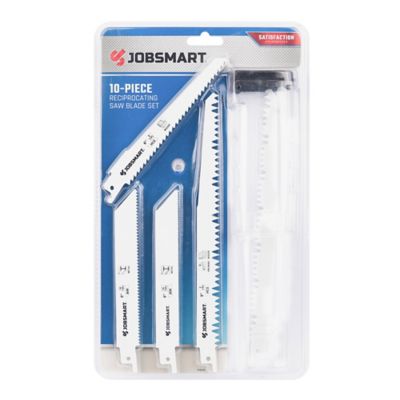
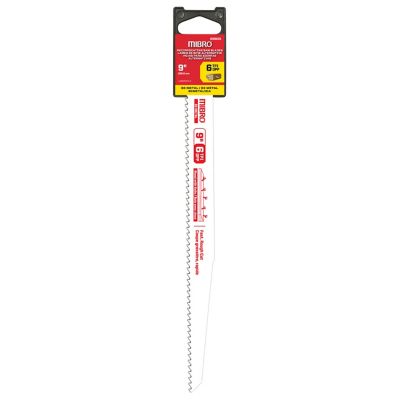
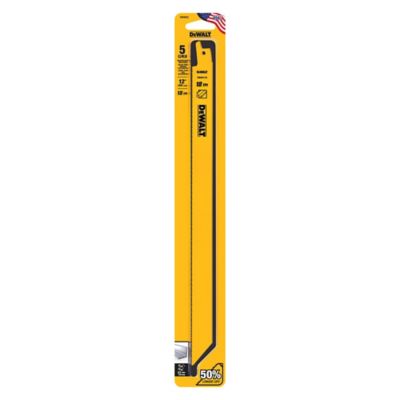
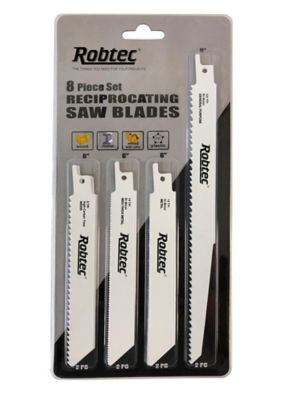
Accessories for reciprocating saws expand what a compatible saw can do, from cutting framing lumber and metal pipe to scraping residue, removing grout, and preparing rough surfaces. The main accessory groups include replacement cutting blades, scraper attachments, grout-removal attachments, powered brush heads, and rasp or file attachments. Each puts the saw’s back-and-forth motion to work a little differently, and each needs to match both the tool and the material. Around a farm shop, garage, or property, that can mean cutting through a nail-filled board during a stall repair, separating a damaged section of pipe, or lifting stubborn flooring adhesive from a suitable subfloor. Cutting blades remain the everyday choice for demolition and repair work, with tooth patterns and blade materials suited to wood, metal, or mixed materials. Scraper attachments replace a toothed cutting edge with a broad working edge that gets beneath certain coatings and bonded materials. Specialty grout attachments concentrate abrasive action along a narrow joint, while compatible brushes and rasps tackle particular cleaning and shaping tasks. These accessories are practical additions for farmers, maintenance crews, remodelers, and homeowners who handle their own repairs, especially when several kinds of work share the same tool bench. They can also make a useful gift for someone who already owns a reciprocating saw, provided the tool model and the recipient’s regular projects are known. A good match matters more than a large assortment: someone repairing wooden gates has different needs from someone taking apart metal shelving or lifting old floor covering. Accessory descriptions should identify the intended material, connection type, operating limits, and any restrictions on the saw’s settings. The familiar blade clamp does not mean every attachment belongs on every saw. Shank dimensions, clearance around the shoe, and the manufacturer’s approval all matter, particularly with wider scraping heads or attachments that reach beyond the usual blade profile. Together, those details help separate an accessory suited to a regular chore from one meant for a narrower repair task.
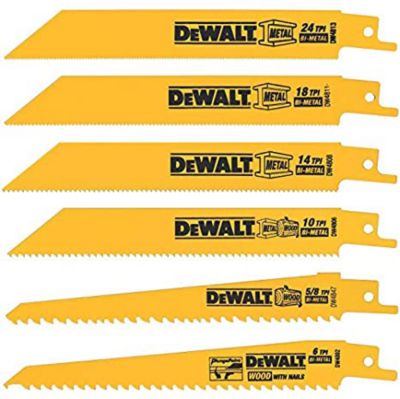
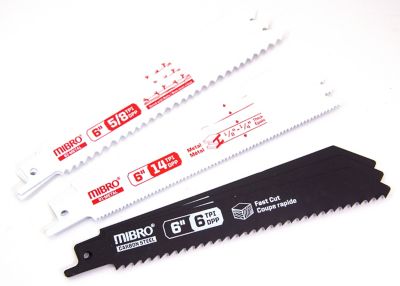
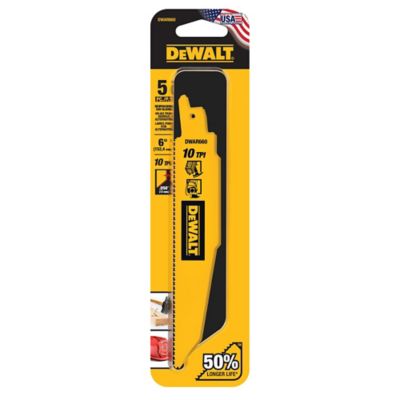
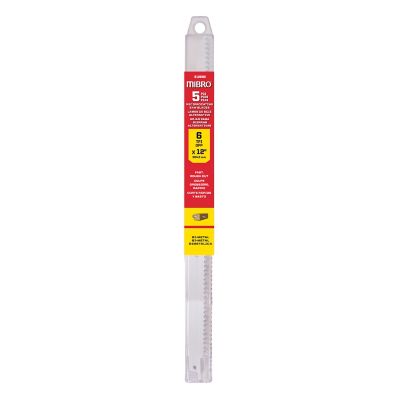
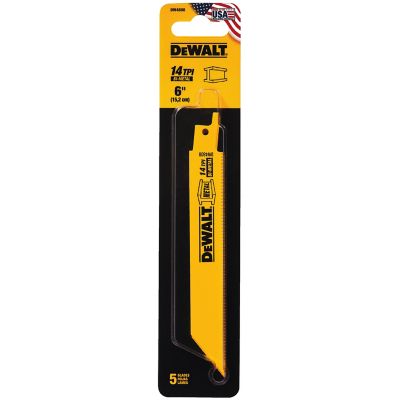
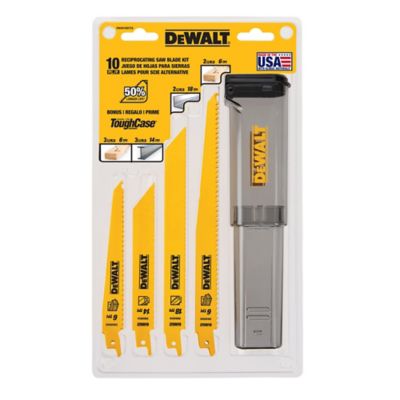
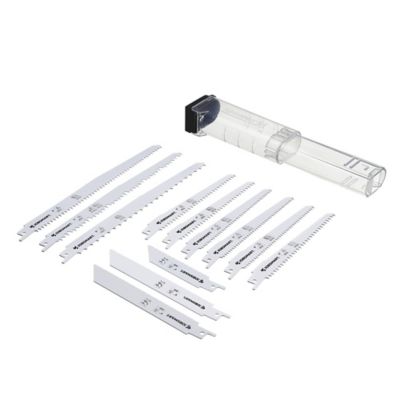
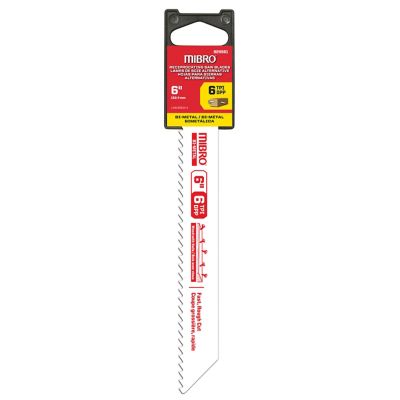
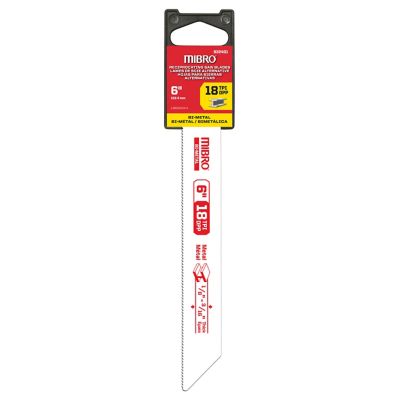
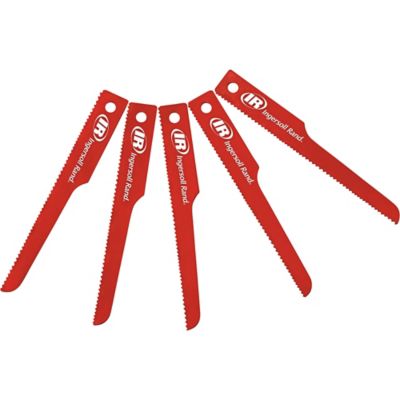
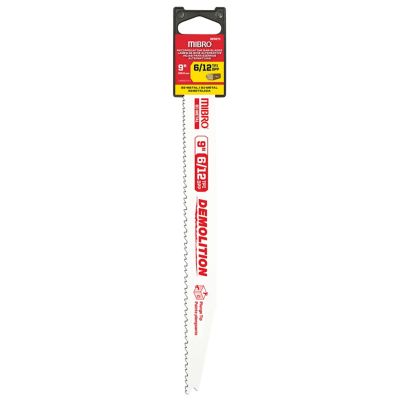
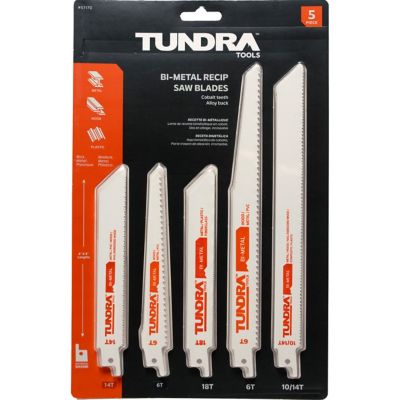
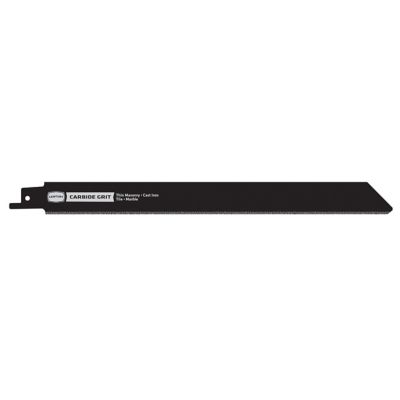
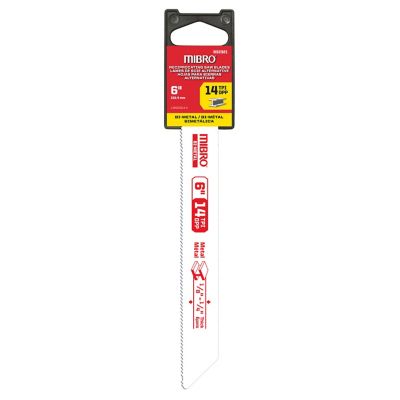
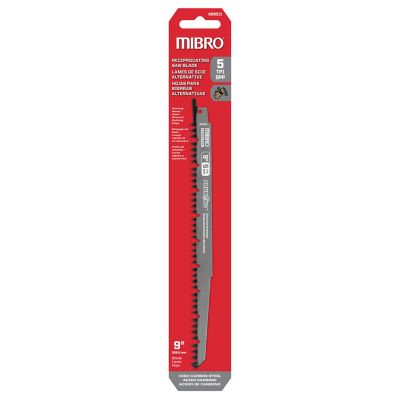
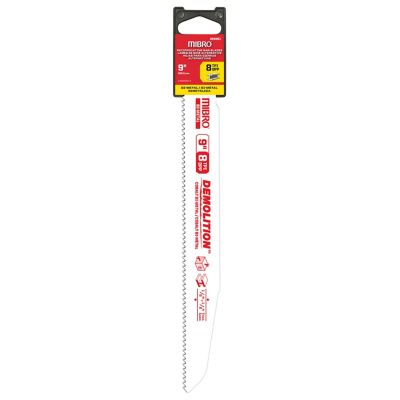
Blade construction has a direct bearing on cutting performance and service life. High-carbon steel blades are often intended for wood and other softer materials, while bi-metal blades combine a flexible body with a harder cutting edge for applications that may include metal or nail-embedded wood. Carbide-tipped blades target demanding materials according to their stated ratings, and carbide-grit edges work by abrasion rather than by the slicing action of conventional teeth. Tooth count, commonly listed as teeth per inch, helps describe how a blade handles a cut. Lower tooth counts generally favor faster progress through suitable wood, while finer teeth are often a better match for thinner metal sections. Enough teeth need to stay engaged in the material to limit snagging, so a blade for a heavy timber is not automatically a sensible choice for thin-wall tubing. For lumber-focused repairs and tear-out work,
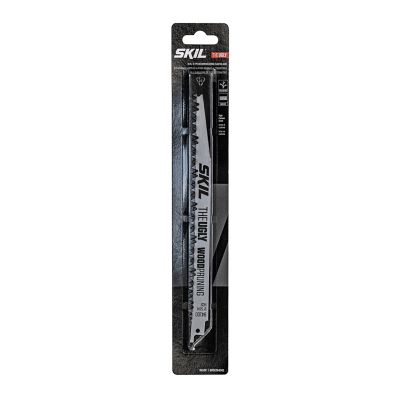
reciprocating saw blades for wood offer a closer look at that cutting category. Within any blade group, length, width, and thickness affect reach and handling. A longer blade can span a larger workpiece, but extra length also leaves more blade exposed to bending and vibration. The blade needs enough reach to remain beyond the far side of the material throughout the stroke, without striking anything behind it. Wider bodies generally resist sideways movement, while narrower profiles can provide more maneuverability where the application allows. Thicker demolition blades can offer greater resistance to bending, though no blade should serve as a pry bar. For a fence repair with concealed nails or a workbench teardown with screws still in the boards, the material rating deserves close attention. A wood-only blade and a blade rated for embedded fasteners are not interchangeable simply because their teeth look similar. The saw’s stroke length, speed range, and orbital settings also affect compatibility and results. Checking those requirements helps keep an accessory matched to the work instead of asking its cutting edge to handle a material or motion it was never built for.
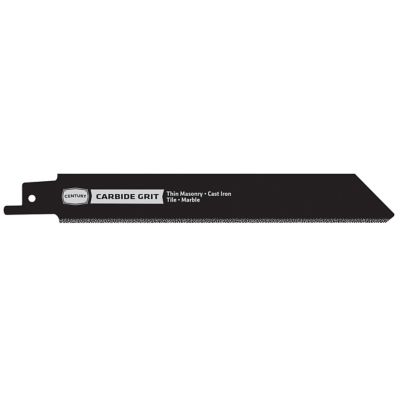
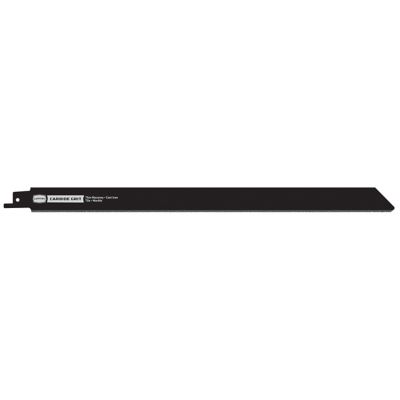
Beyond cutting, specialty reciprocating saw attachments can take on some of the repetitive work involved in removal and surface preparation. Steel scraper heads may suit flooring adhesive, resilient floor covering, or other bonded material when the attachment is rated for that application. Head width influences access and load: a narrow edge concentrates force in a smaller area, while a broad edge covers more surface but may demand more from the saw. The working angle and the underlying surface matter just as much, since an aggressive edge can gouge wood or damage a substrate that needs to remain intact. Grout-removal attachments often feature carbide grit or another specified abrasive edge for working along tile joints. Their width must fit the joint, with room to avoid striking tile edges; a reciprocating saw attachment is not the right choice for every grout line or tile installation. Purpose-built brush attachments may help remove loose rust, scale, or residue from approved surfaces, while rated rasp and file attachments can shape or smooth certain materials after rough removal. Bristle material, abrasive type, and attachment shape determine where those options belong, so a steel brush intended for metal cleanup should not be treated like a gentler nylon brush. None of these attachment types should be assumed compatible without checking the saw and accessory instructions. Care is straightforward but worth keeping up with: disconnect the power source before changing or inspecting accessories, clear away debris as directed, and keep shanks and working surfaces clean. Blades with cracks, missing teeth, severe bends, or damaged connections need replacement, and brush heads need inspection for loose or broken components. Separate storage compartments or blade sleeves help protect edges and keep sharp parts from rattling loose in a toolbox. Firmly supported work, eye protection, and any additional protection specified for the task belong alongside the attachment choice. Older coatings, flooring, and adhesives can also contain hazardous materials that need assessment before disturbance. With the right fit, sensible care, and a clear material rating, reciprocating saw accessories earn their place beside the tools that keep repairs moving.