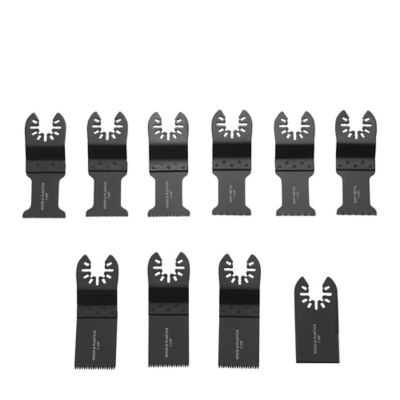
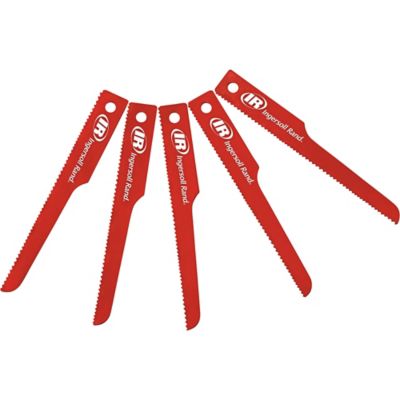
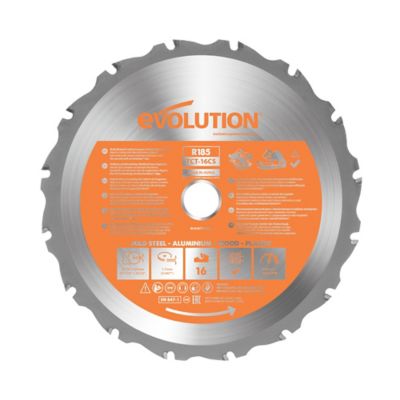
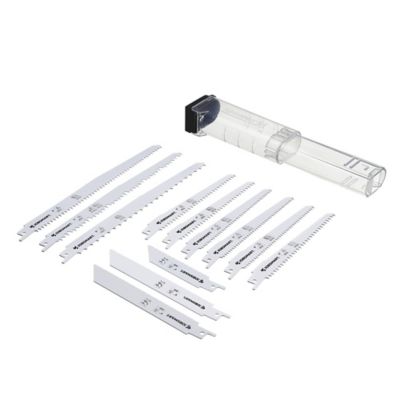
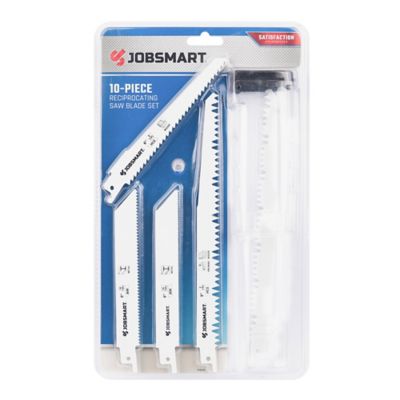
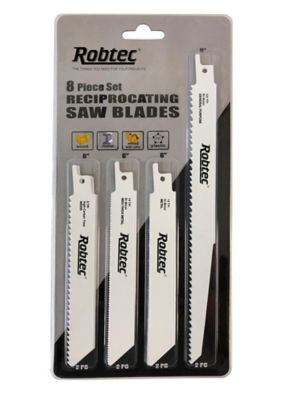
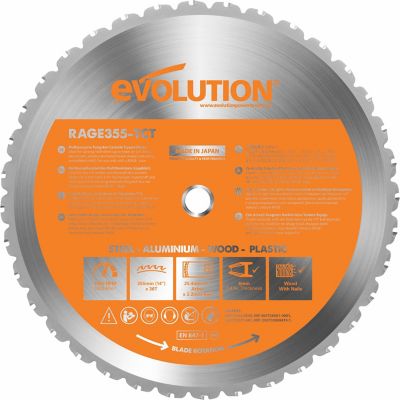
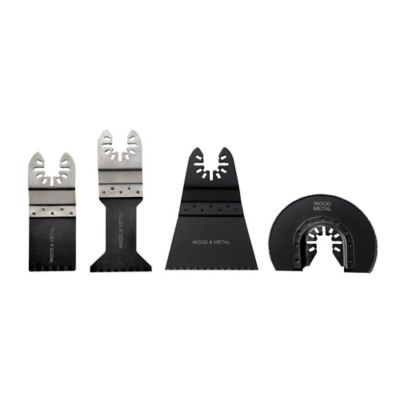
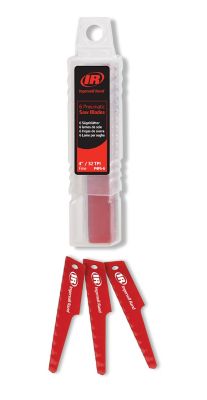
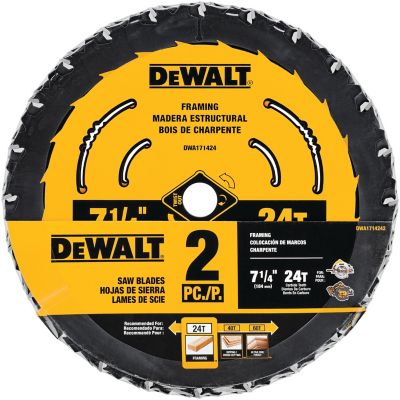
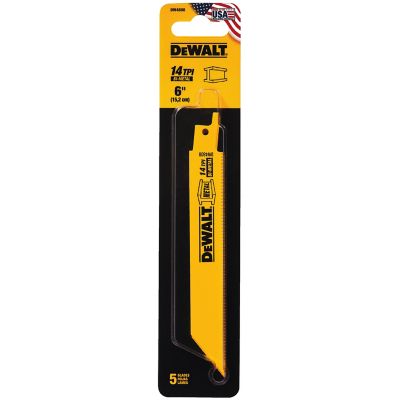
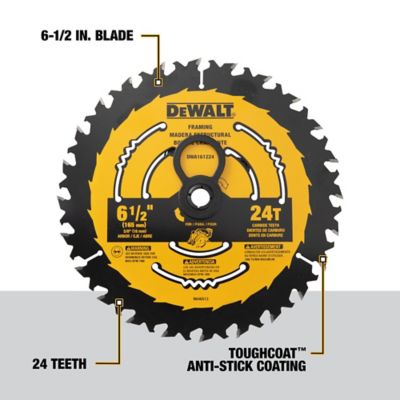
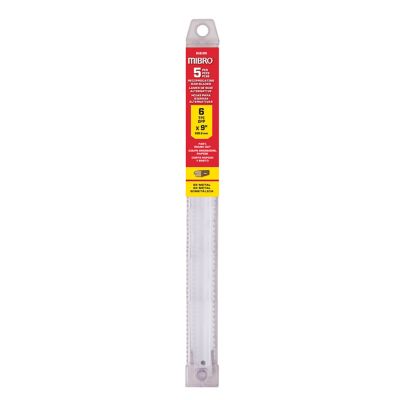
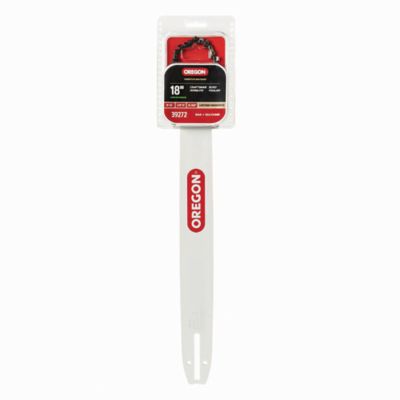
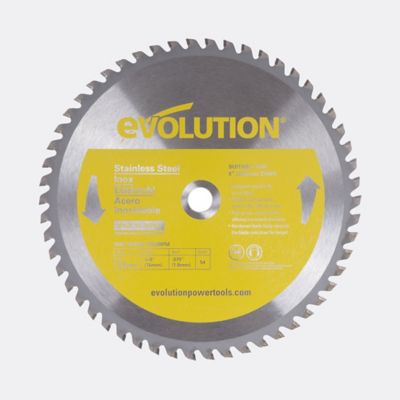
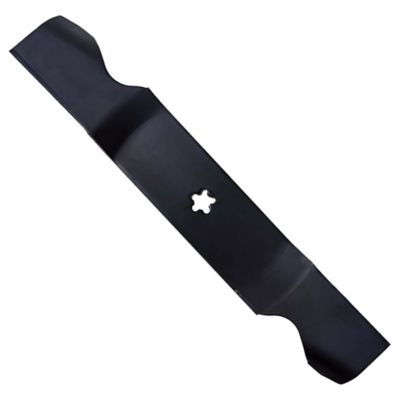
Saw accessories are blades, guides, supports, clamps, and related attachments that help a compatible saw handle different materials and cutting jobs with better control. The right match depends on the saw, the material, and the finish the job calls for. Cutting fence boards behind the barn puts different demands on a setup than trimming cabinet panels or taking apart an old workbench. Blades do much of that work, with tooth shape, tooth spacing, cutting-edge material, and blade thickness affecting how the cut goes. For wood, fewer teeth generally allow faster cutting and more room for chips, while more teeth often produce a smoother edge when paired with the right feed rate and cutting direction. Metal-cutting blades require tooth spacing suited to the material’s thickness so the teeth stay engaged rather than snagging. High-speed steel, bi-metal construction, carbide teeth, and diamond cutting surfaces serve different purposes; the blade’s listed applications matter more than its appearance. Fit goes beyond whether an accessory can attach to a tool. Circular and table saw blades need the correct diameter, arbor opening, kerf, and speed rating for the equipment. On table saws, blade kerf and body thickness also need to work with the riving knife as directed by the saw manufacturer. Reciprocating saw and jigsaw blades have their own shank requirements, and band saw blades must match the machine’s specified length and width range. Blade length matters, too: a reciprocating saw blade needs enough reach throughout its stroke, while extra length can make control harder in tight spaces. These details matter to contractors working through a cut list, landowners keeping up with repairs, and folks building a sturdy shelf for the feed room. Matching the accessory to the actual work helps prevent rough edges, unnecessary strain, and wasted material. A clean cut starts with a cutting edge built for the job, not simply the largest blade or the highest tooth count.
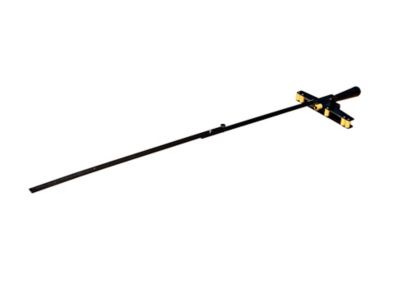
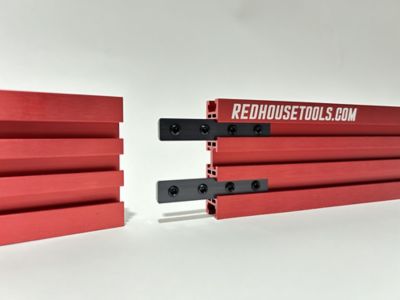
Guides, fences, clamps, and work supports help turn that cutting ability into a setup that feels steady and manageable. A straight guide gives a circular saw a reference along a sheet of plywood, while a compatible rip fence helps maintain a consistent width along the edge of a board. Miter gauges and other angle-setting attachments support repeat cuts where pieces need to meet neatly. For long, straight cuts,
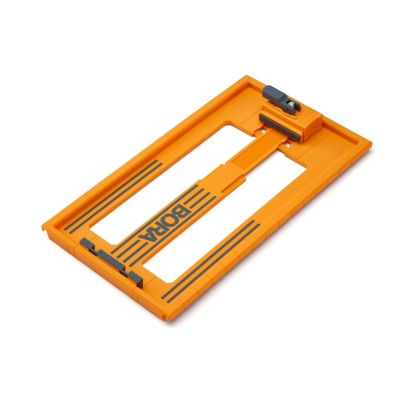
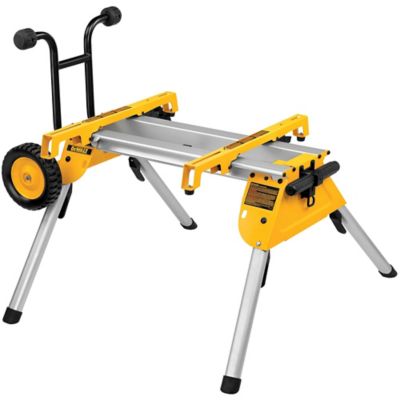
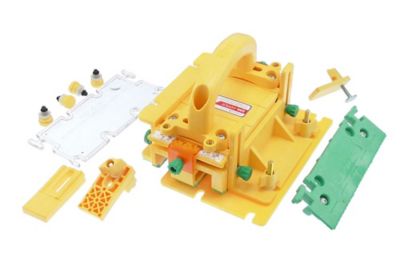
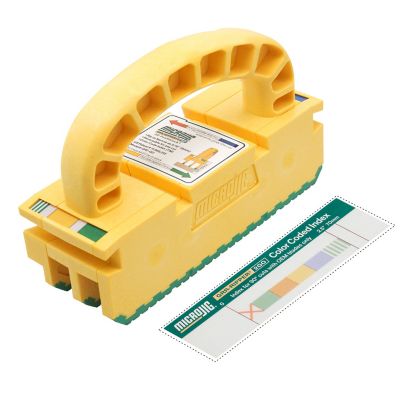
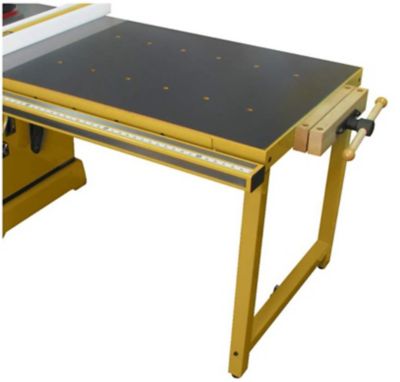
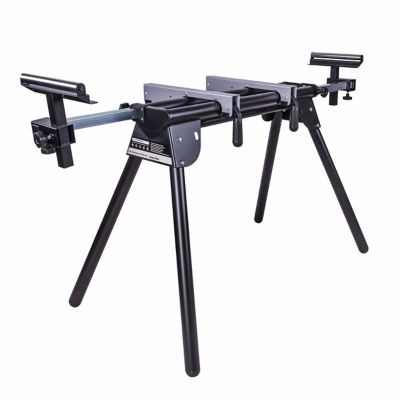
Saw Guides provide a closer look at accessories built around keeping the saw on its intended path. Guide length, attachment style, and compatibility with the saw’s base are worth comparing, especially when a project includes both short crosscuts and full-length panels. Some setups call for clamps that stay clear of the motor housing and blade path; others need a guide that allows room for bevel adjustments. A guide should support the cut without interfering with the saw’s guards or normal movement. Workpiece support deserves the same attention. Long boards can tip as they move beyond a table, and sheet material can sag when too little of it rests on a stable surface. Stands, extension supports, and roller supports help manage that extra length when their height, load rating, and placement suit the tool and material. Portability matters for anyone carrying equipment between a garage, shed, and jobsite, while a stationary shop may benefit more from a broad stance and generous working room. Clamping accessories help keep material from shifting, but their jaw opening, reach, and contact surfaces need to suit the piece without denting a finished face. On table saws, compatible push sticks, push blocks, and featherboards can help keep hands farther from the blade and support controlled feeding when applied as the manufacturer directs. These accessories belong alongside the saw’s required guards and safety features, not in place of them.
Care, storage, and everyday handling help saw accessories keep working as intended. Cutting edges face friction, vibration, resin, dust, and occasional contact with hidden fasteners, so wear resistance depends on both construction and the job. Carbide teeth can hold an edge well in suitable applications, but they can chip after an impact. Flexible bi-metal blades can handle demanding reciprocating cuts, yet bent blades and missing teeth still call for attention. A blade that starts burning wood, wandering, or leaving a rougher edge may need cleaning, sharpening where appropriate, or replacement; forcing the saw is not a fix. Cleaning methods should follow the accessory maker’s directions, since harsh chemicals and aggressive scrubbing can harm certain surfaces. Dry storage and protected cutting edges help limit corrosion and damage, especially in a busy shop where blades share space with wrenches and fasteners. Cases, racks, and organizers also make it easier to keep different sizes and material ratings straight instead of sorting through loose blades at the bottom of a toolbox. Dust ports, collection adapters, and replacement bags can help manage debris when they fit the saw and collection equipment properly. Hose diameter, port shape, and clearance around moving parts all affect that connection. Collection equipment must also suit the material being cut; a setup intended for wood dust may not be appropriate for metal chips or sparks. Dust collection does not replace eye protection, hearing protection, or respiratory protection appropriate to the work. Power should be disconnected, or the battery removed, before accessory changes and maintenance, following the tool’s instructions. For a practical gift, compatible saw accessories make sense for a woodworker, farm owner, or home repair enthusiast whose equipment and projects are familiar. Checking the saw model and the recipient’s usual materials keeps the choice useful. Whether the work is a stack of repeated cuts or a small repair before chores, well-matched accessories help keep the setup organized, the material supported, and attention on the cut.