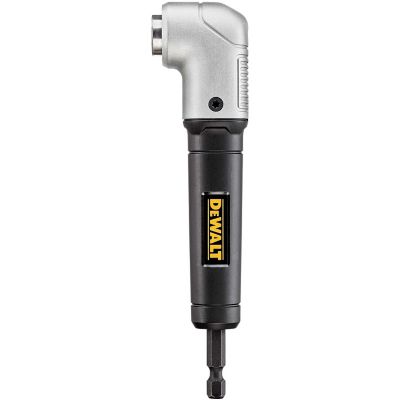
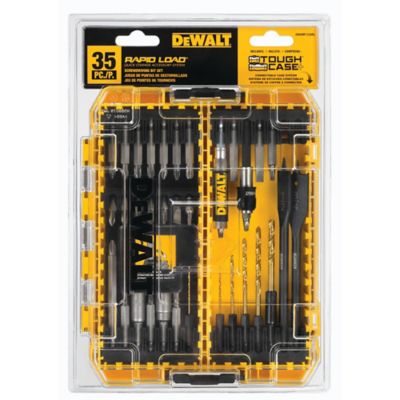
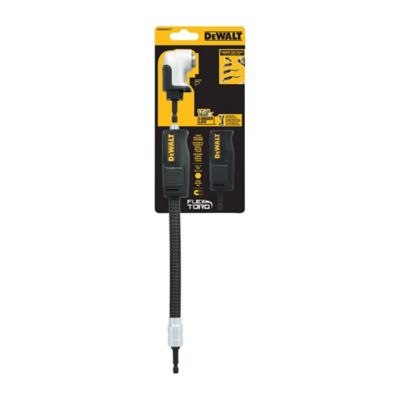
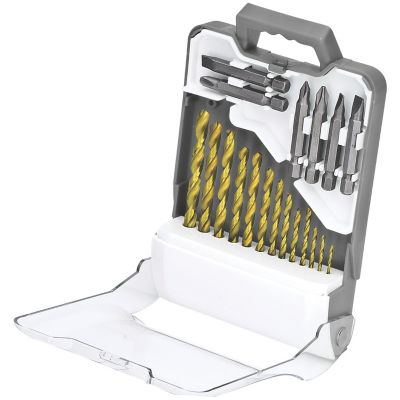
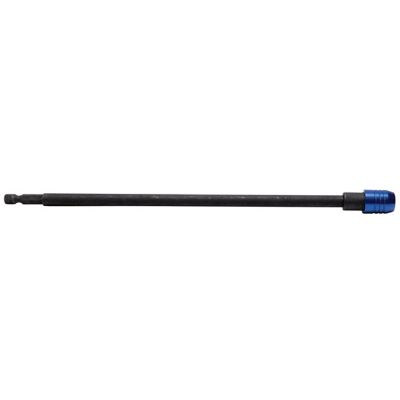
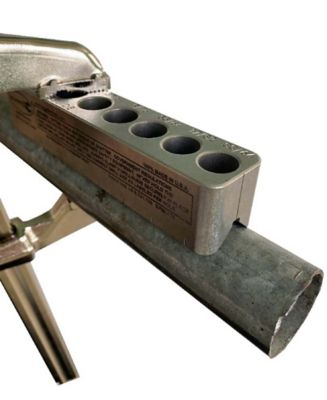
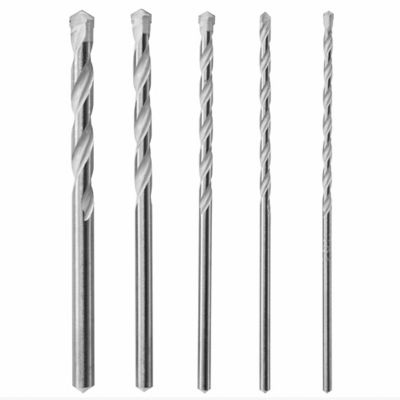
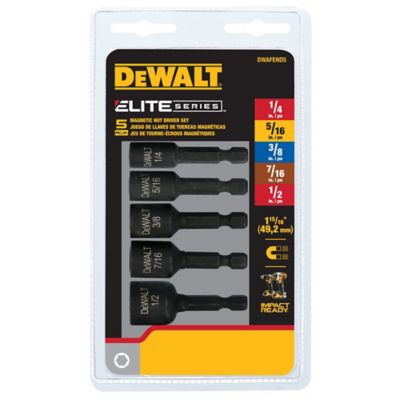
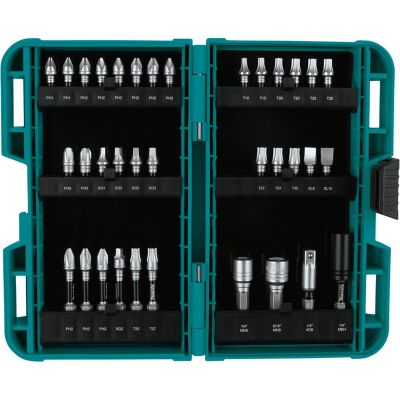
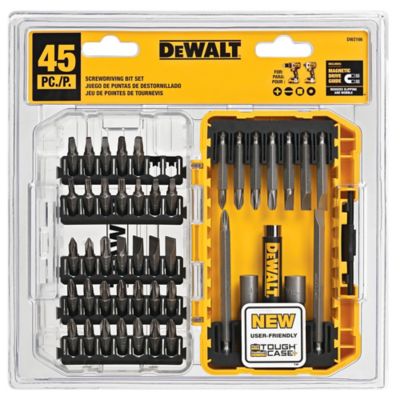
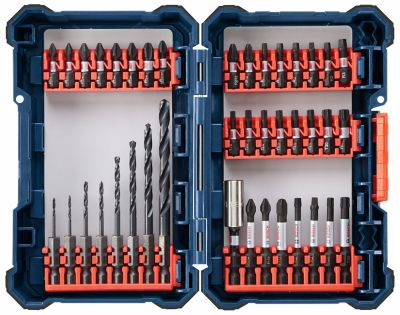
Drill accessories are bits, holders, extensions and task-specific attachments that help a compatible power drill bore holes, drive fasteners and handle certain surface-preparation jobs. They give a drill more ways to earn its place on the workbench, whether the job involves hanging a gate latch, building feed-room shelves or fastening a steel bracket to a wooden post. The right match starts with the work itself: the material, the hole diameter or fastener type, and the space around the repair. A short bit can be easier to control inside a cabinet, while a longer bit may provide the reach needed through thicker lumber. Bit holders and extensions help reach recessed screws, and right-angle attachments can make room for fastening between closely spaced framing members. Each attachment also adds length or changes how force reaches the work, so reach needs to be balanced with control. Compatibility matters just as much as the task. Chuck capacity, shank shape and the accessory’s operating limits all affect the match between tool and attachment. Common drill chucks accept a range of round and hex shanks, but an accessory’s shank still needs to fit within the chuck’s stated capacity and seat securely. Rotary hammer shanks, including SDS styles, require the matching tool or an expressly approved setup; they are not interchangeable with ordinary drill shanks simply because the cutting end looks similar. A drill, hammer drill and impact driver also put different demands on accessories. Impact-rated driving accessories are built for the repeated blows of an impact driver, while hammer-drilling accessories need ratings suited to that action. Maximum speed, torque limits and any restrictions from the tool or accessory manufacturer remain important, especially with larger attachments. For chores around a farm shop, garage or house, choosing by task and tool fit makes more sense than judging an accessory by its size alone. A compact attachment that fits the space and the drill can be more useful than a larger one that leaves little room to work.
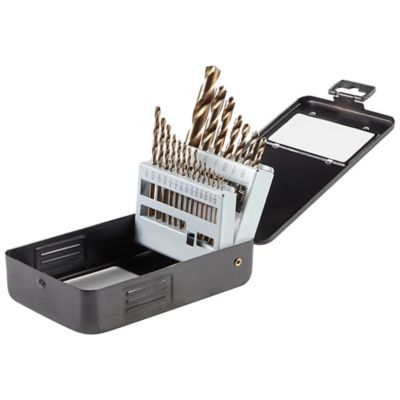
Material ratings help separate drill accessories that look alike but serve different purposes. High-speed steel bits are common for general drilling, with suitability depending on the bit’s design and the material being drilled. Cobalt-bearing steel offers greater resistance to heat during demanding metal work, while carbide-tipped masonry bits are intended for materials such as brick and concrete when paired with the appropriate drilling mode. Specialized cutting edges for tile or glass need their own material ratings; a masonry rating does not automatically make a bit suitable for a glazed surface. Woodworking accessories bring another set of choices. Brad-point designs help locate a hole in wood, spade bits suit many larger openings, and auger designs help carry chips out of deeper holes. Hole saws cut around the edge of an opening rather than removing the entire center, which makes them useful for larger passages through compatible materials. Their arbor, pilot bit, cutting diameter and drilling-depth capacity all affect the setup. The thickness of a gate brace or workbench top matters just as much as the diameter marked on the cutter. When comparing
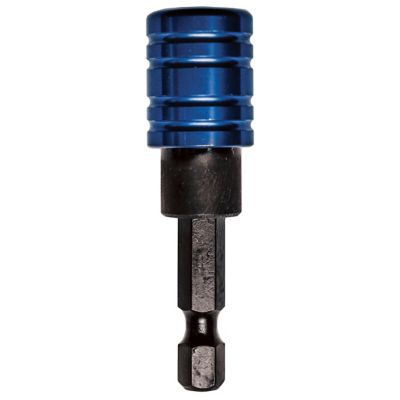
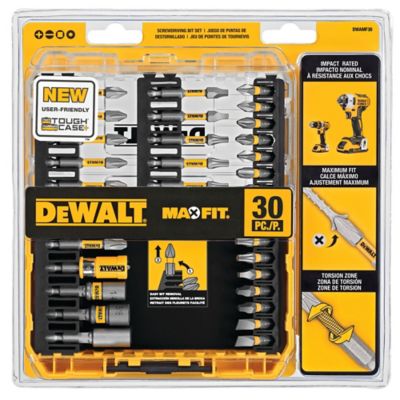
Universal Drill Bits, the listed material range and tool requirements still deserve a close look. “Universal” does not mean every bit suits every material, drilling mode or chuck. Driving accessories have their own fit considerations: the tip needs to match both the fastener’s drive pattern and its size. A tip that sits loosely in a screw head can slip and damage the recess, particularly when driving longer screws into framing lumber. Magnetic holders can help keep compatible steel fasteners in position, while locking holders help retain bits during repeated work. Nut setters and socket adapters extend fastening options, subject to their drive-size and load ratings. For surface work, drill-mounted brushes and sanding attachments offer different contact shapes and abrasive actions. Their suitability depends on the surface and the attachment’s speed rating; a brush intended for bare metal may be too aggressive for a painted panel or a finished piece of wood.
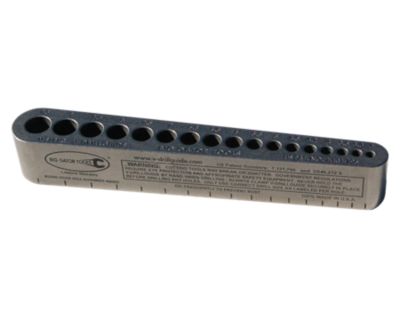
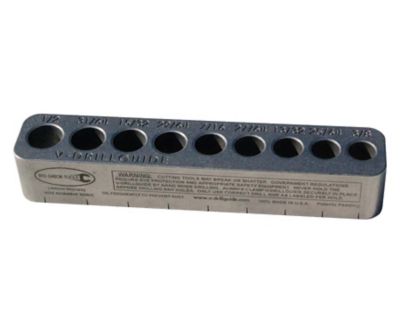
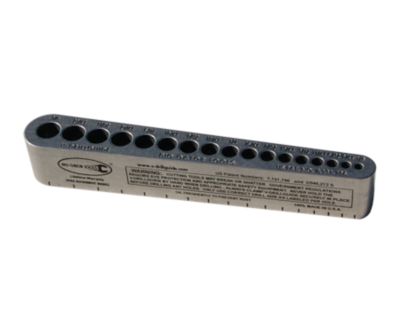
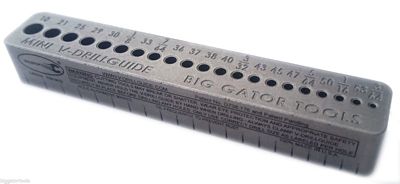
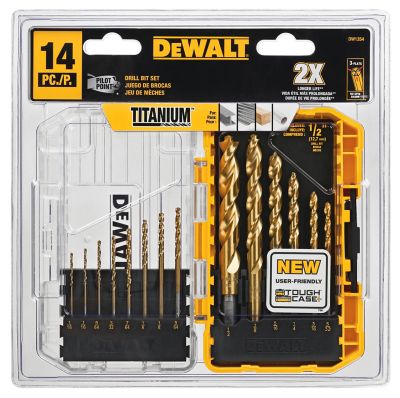
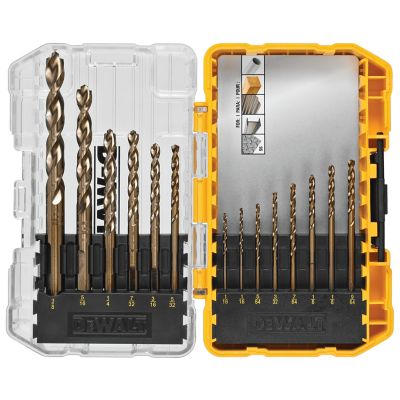
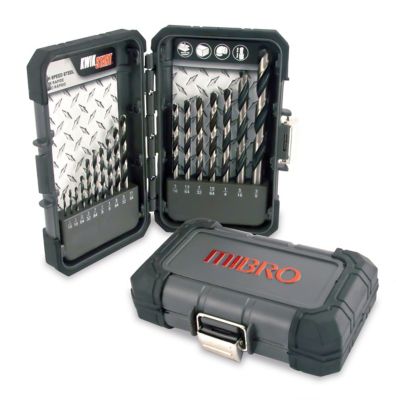
Construction, care and storage all play a part in how drill accessories hold up through repeated jobs. Cutting-edge material, shaft straightness, connection fit and the strength of moving parts matter more than a shiny finish. Coatings may help manage friction or wear on certain bits, but they do not make one cutting design right for every task. Larger cutters and attachments can place greater loads on a drill, so the tool’s capacity remains part of the decision. Around a busy shop, a case with marked slots makes it easier to find the right diameter and keeps cutting edges from knocking against loose hardware. Separate compartments also help distinguish masonry bits from wood and metal bits at a glance. Accessories benefit from having chips, dust and residue cleared away after the job, along with storage that limits exposure to moisture. Any protective oil or cleaning method needs to suit the accessory and its manufacturer’s directions. Worn driving tips, chipped cutters, bent shanks and loose attachment parts are signs that an accessory needs attention before another job. Good visibility, a secured workpiece and eye protection belong alongside the tool, and power should be disconnected before accessories are changed or adjusted. These considerations matter whether a drill comes out for occasional repairs or spends much of the day on a bench. Farm owners may value a selection that covers wood framing, metal brackets and gate hardware, while homeowners may need a narrower range for shelves, hinges and household repairs. Woodworkers, maintenance crews and folks setting up a first shop each have different needs for reach, hole size and fastening work. Drill accessories can also make a practical gift when the recipient’s tool type and regular projects are known. A well-matched assortment leaves less guesswork at the bench and helps keep attention on the job, from lining up hinge holes on a barn door to fastening the last shelf support in the garage.