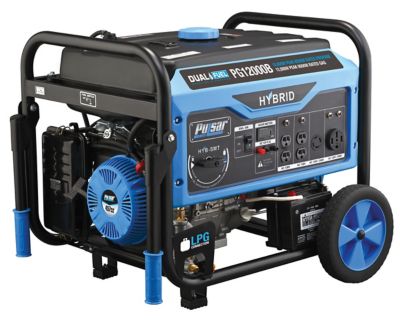
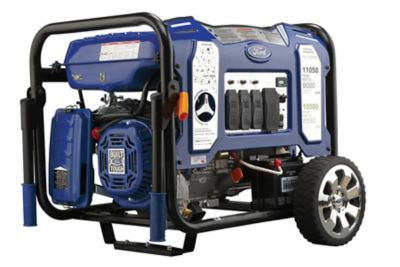
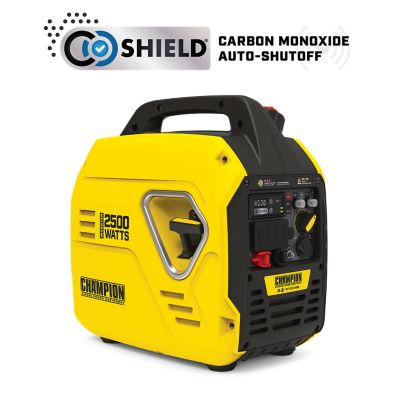
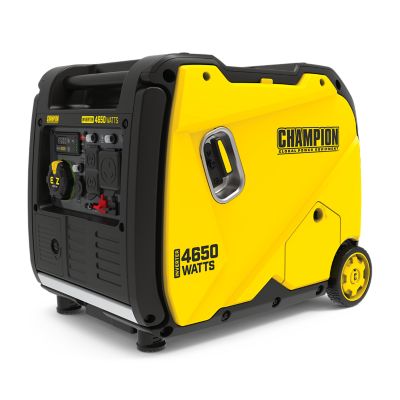
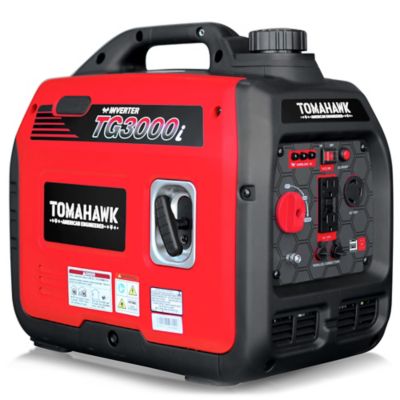
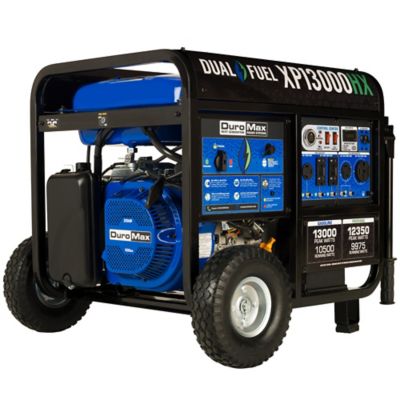
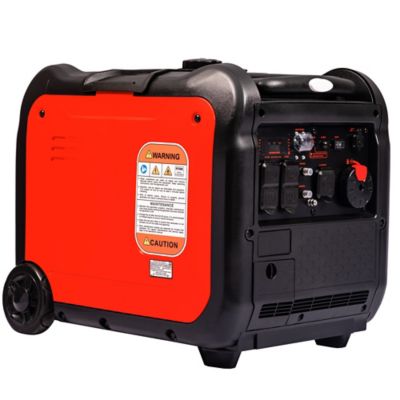
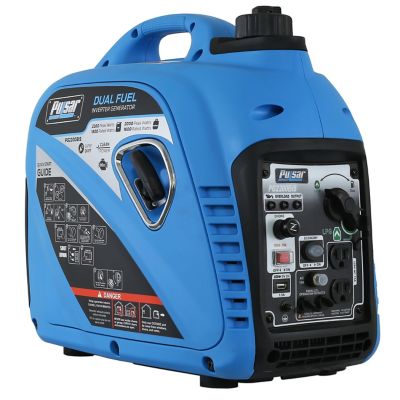
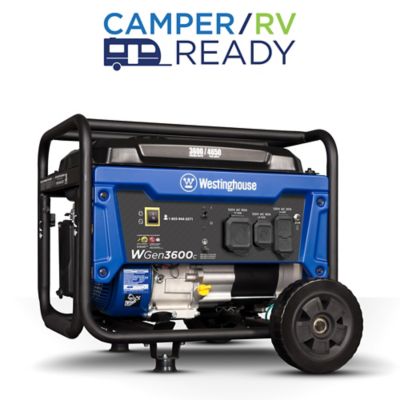
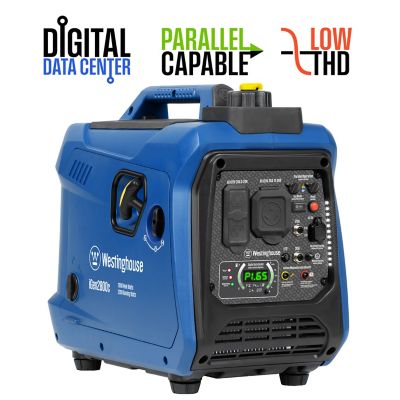
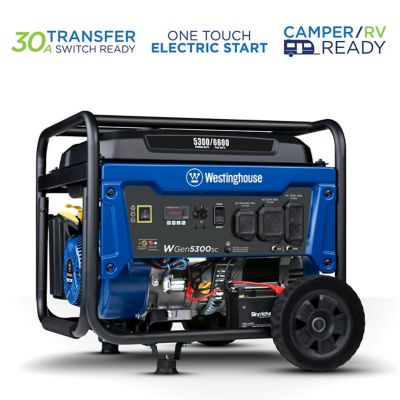
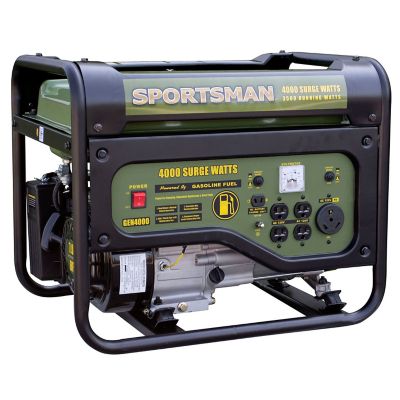
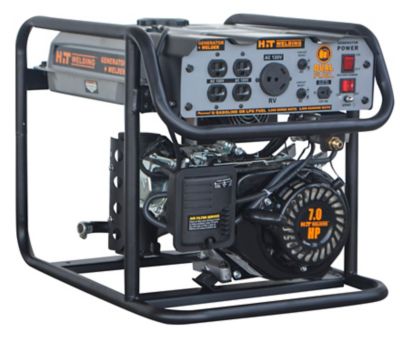
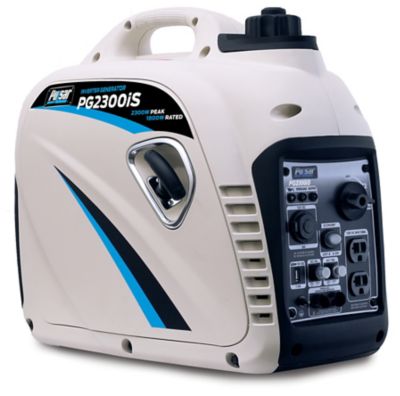
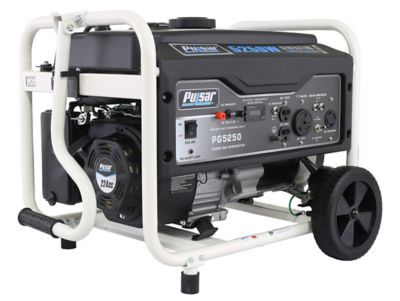
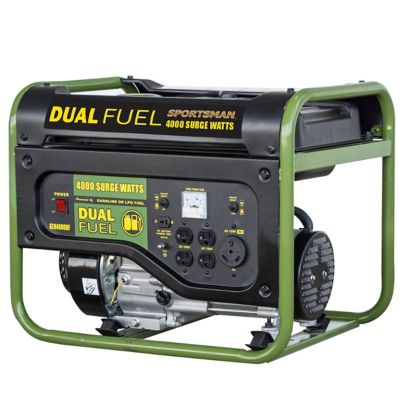
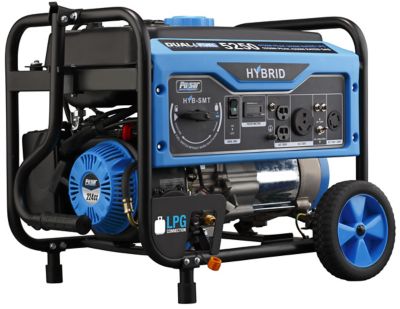
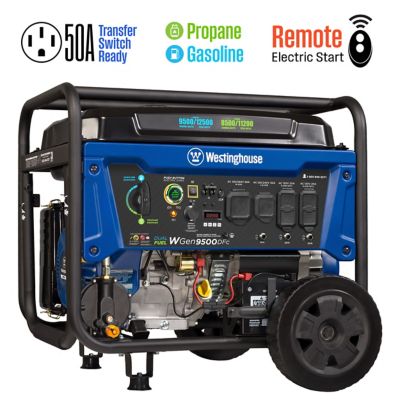
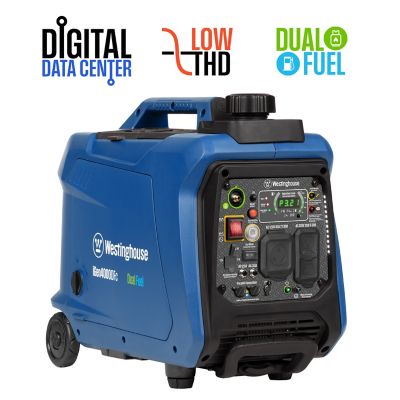
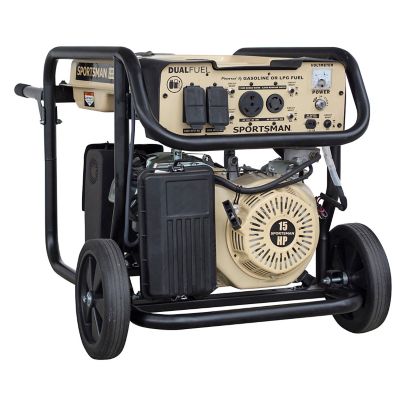
120V generators provide the kind of everyday backup power many homes, barns, campsites and workshops need when the electrical service goes out or a remote job site has no outlet nearby. They produce standard household voltage for common essentials such as lamps, phone chargers, Wi-Fi equipment, televisions, small fans, refrigerators, freezers and select power tools. A compact 120V inverter generator can be handy for camping, tailgating, hunting camp or keeping a few essentials running during a short outage, while a larger portable model may offer more outlets and additional wattage for several light-duty loads at once. When comparing generators, look beyond the voltage and check both running watts and starting, or surge, watts. Motors in refrigerators, freezers, pumps and some tools can draw extra power for a few seconds when they start, so a generator needs enough surge capacity to handle that initial demand. Add up the running watts of the equipment you plan to use, then leave some room for startup loads and anything you may need to plug in later. A generator rated at 120 volts is designed for 120V equipment and is not a substitute for a 240V generator. It generally cannot run central air conditioning, electric ranges, large electric water heaters, many well pumps or other heavy appliances that require 240 volts. Check the voltage and wattage listed on each appliance before making a choice, and remember that some equipment may need more power than its everyday operating label suggests. For smaller electronics, an inverter generator can provide cleaner, steadier power and often runs more quietly, which is useful around a campsite, near a porch or beside a livestock building. Traditional open-frame models may be a practical fit when higher output, rugged construction or job-site use matters more than a quieter operating sound. Portable generators can also make thoughtful gifts for new homeowners, campers, rural property owners, workshop regulars and anyone who likes to be prepared for changing weather and unexpected outages. The best match depends on the recipient’s usual equipment, available storage space, fuel preferences and comfort with routine maintenance.
Safe setup matters just as much as choosing the right generator. Operate any fuel-burning portable generator outdoors in a well-ventilated area, well away from doors, windows, crawl spaces, garages, barns with attached living areas and other openings where carbon monoxide could collect. Never run one inside a home, garage, shed, basement or enclosed porch, even when doors or windows are open. Place it on a dry, level surface where rain and standing water cannot reach the outlets, and use heavy-duty outdoor-rated extension cords that are sized for the load. Keep the generator away from dry grass, hay, bedding, fuel cans and other items that could catch fire, and allow the engine and muffler to cool before refueling. Follow the owner’s manual for oil, fuel, starting, shutdown and maintenance instructions; keeping fresh fuel on hand, checking oil and running the unit occasionally can help it perform when the lights go out during the cooler months or after a summer storm. A properly sized unit can keep a refrigerator cold, preserve food in a freezer, charge phones, power a router and provide lighting while crews restore service, but it should not be overloaded by plugging in every appliance at once. Use the generator’s built-in breakers and shut off one load before adding another when needed. Do not connect a portable generator directly to a household wall outlet or “backfeed” a home through an improvised cord. If you want to supply selected circuits through a home electrical panel, have a qualified electrician install an approved transfer switch or other equipment designed for that purpose. Any 120V-only setup must be kept separate from 240V circuits, and the generator should never be used to energize equipment beyond its rating. For a lighter-duty option sized around common small appliances, lights and electronics, browse
1800w Generators as another place to compare available power. With sensible load planning, safe placement and a little seasonal upkeep, a 120V generator can be a dependable part of a storm kit, camping setup, farm toolbox or workshop-ready power plan.