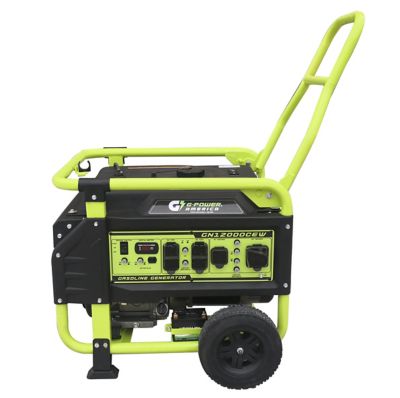
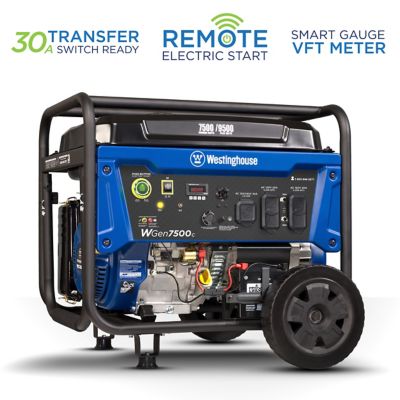
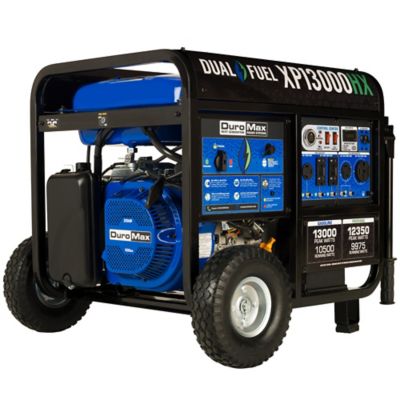
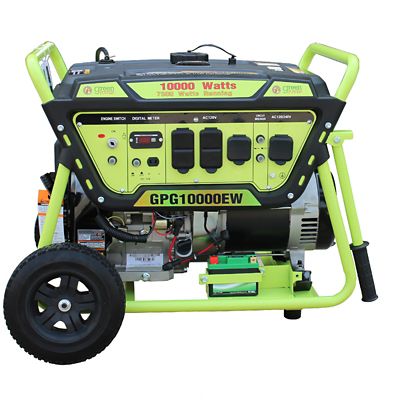
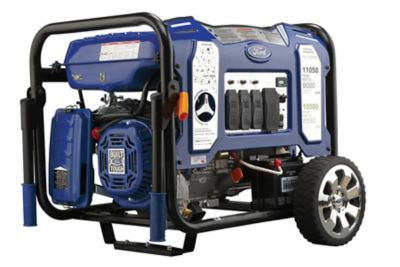
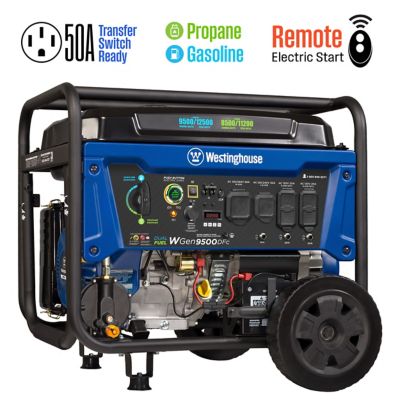
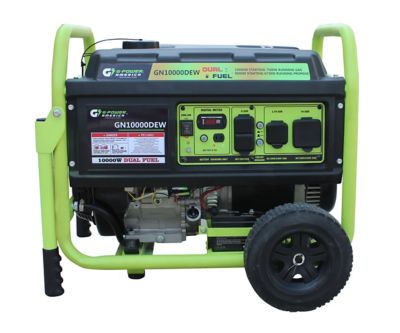
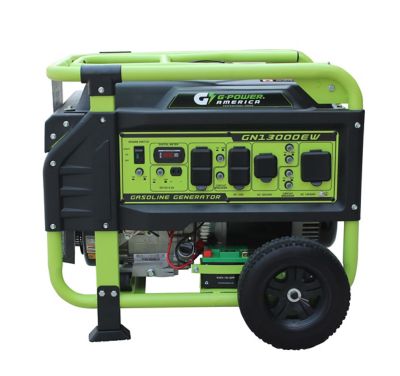
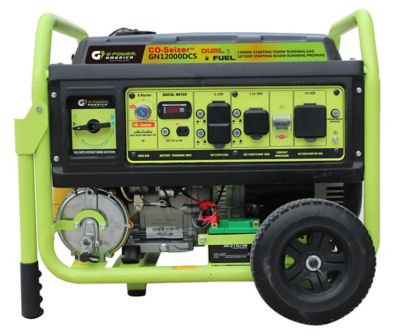
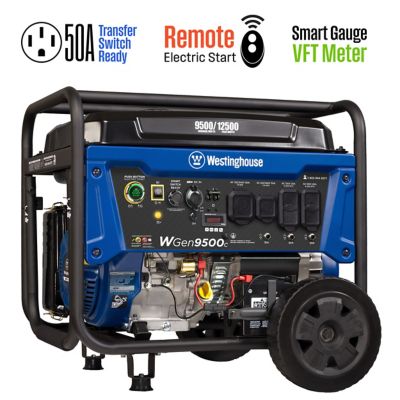
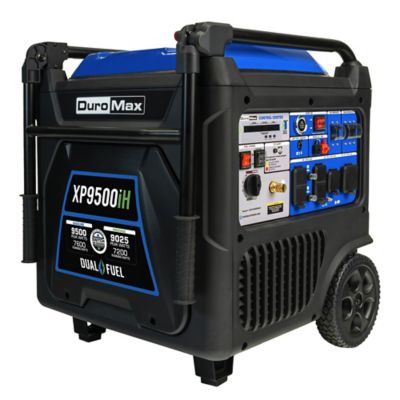
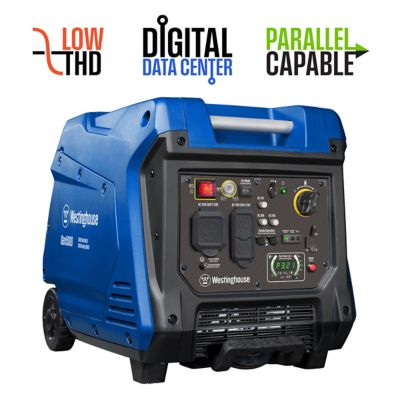
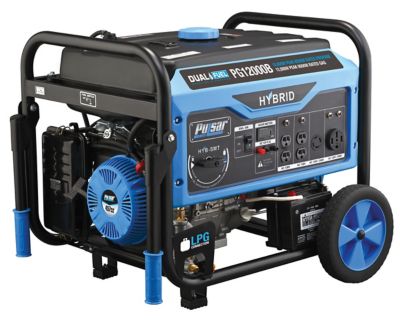
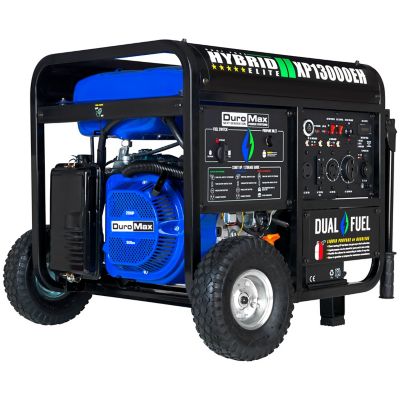
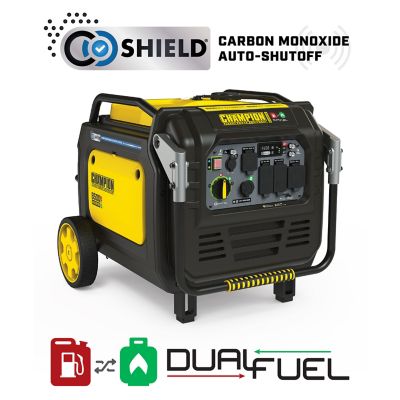
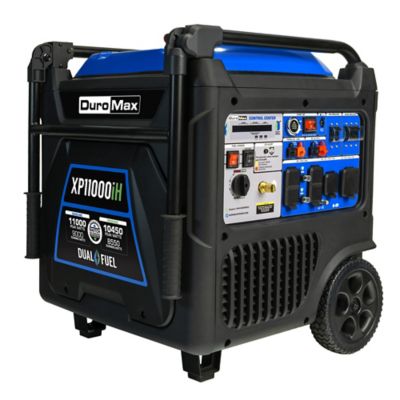
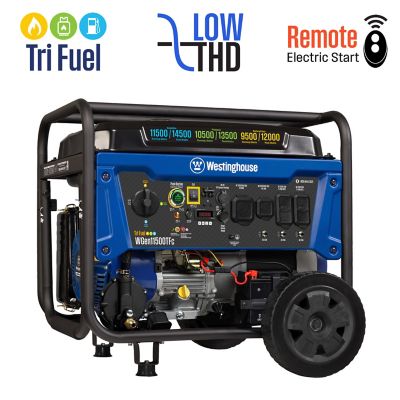
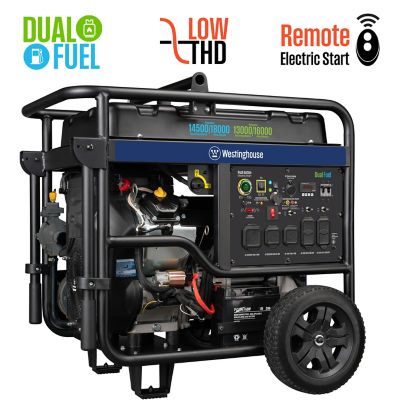
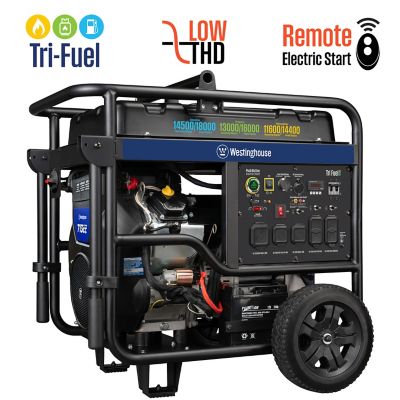
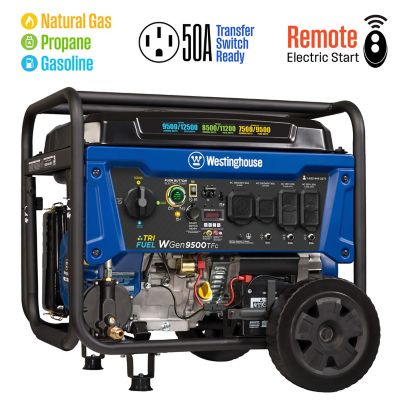
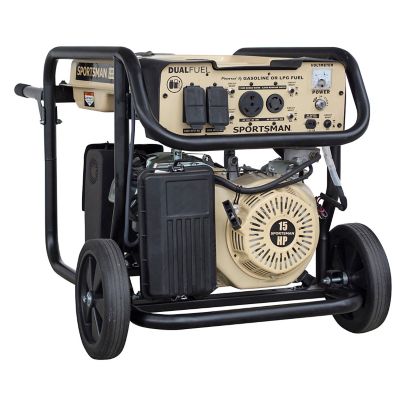
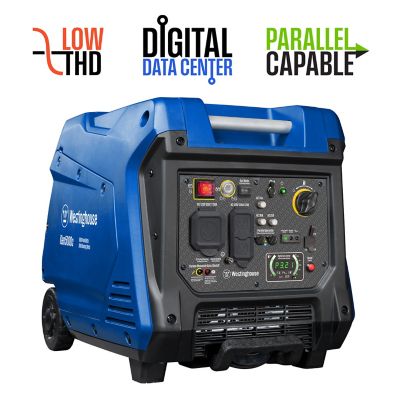
9500 watt generators are built for the kind of power needs that go beyond a few lights and a small appliance. With enough output to support many household essentials, these portable generators can help keep a refrigerator, freezer, sump pump, well pump, furnace blower, lights, and selected kitchen appliances running during an outage, depending on each appliance’s starting and running requirements. They also fit right in on a farm, acreage, workshop, or job site where corded tools and equipment need power away from a wall outlet. When shopping, pay close attention to running watts and starting watts. Running watts describe the power a generator can provide on an ongoing basis, while starting watts cover the brief surge required when motors kick on. A generator may offer around 9,500 running watts and as much as 12,500 peak watts, though ratings vary by model and fuel. Add up the running watts for the appliances or tools you plan to operate, then allow extra room for startup demands from pumps, compressors, freezers, and other motor-driven equipment. A simple list taped inside the utility room can make planning easier: note each item’s wattage, decide which ones need to run together, and keep the total below the generator’s rated output. For lighter power needs, shoppers may also want to compare
5000 Watt Generators before settling on a larger size.
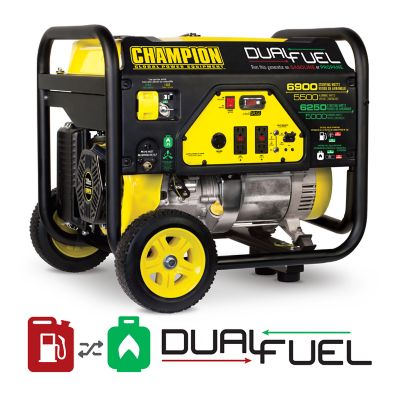
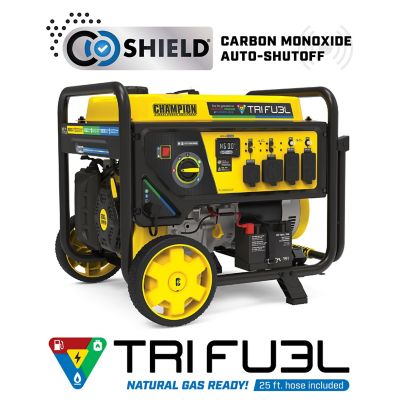
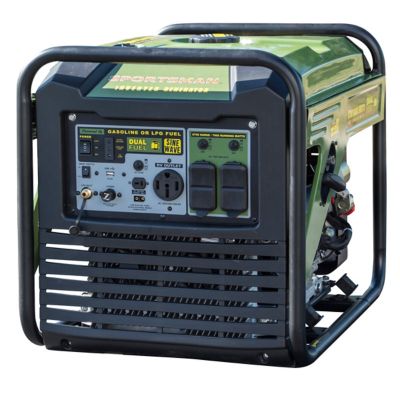
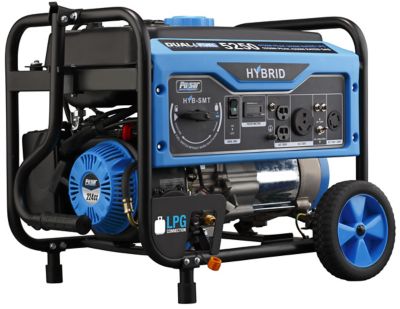
Fuel choice is another big part of selecting a 9500 watt generator. Gasoline is widely available and can be handy for quick refueling, while propane stores well when kept in approved containers and may be a practical choice for backup planning. Dual-fuel models can run on gasoline or propane, giving you another option when one fuel source is hard to find. Some generators support three fuel sources, adding natural gas to gasoline and propane; these may be a fit for a home with an existing natural gas connection, though installation and hookup requirements should be checked with a qualified professional. Output can vary by fuel type, so read the rating chart rather than assuming the same wattage across every option. Look for details such as electric start, a recoil backup, a remote start feature, fuel shutoff, low-oil protection, and a visible hour meter. A carbon monoxide sensor and automatic shutdown feature can add an extra layer of protection, but they do not replace safe placement and ventilation. If sensitive electronics such as computers, televisions, routers, or medical equipment are part of your backup plan, check whether the generator uses inverter technology or provides the kind of power recommended by the equipment maker. Sound ratings matter as well, especially around a home, hunting cabin, or nearby campsite; some larger units operate near 67 dBA, while others may be louder under load. Compare the rated sound level, wheel and handle design, tank size, run time, outlet layout, and overall footprint. A heavy generator is easier to position when its wheels roll smoothly and the handle gives you a firm grip, but it still takes care to move over gravel, mud, or uneven ground. Measure your storage area and confirm that the generator can be kept dry, covered, and ready without blocking doors, walkways, or equipment.
A 9500 watt generator can be a practical addition for homeowners, farmers, contractors, cabin owners, and anyone who wants a planned source of electricity during outages or remote work. During cooler months, it may help support a furnace blower, well system, refrigerator, freezer, and a few lights while utility service is restored. On a farm, it can help keep selected pumps, gates, chargers, or shop tools operating, provided the load stays within the generator’s limits. On a building site, it can supply saws, drills, lights, air compressors, and other corded tools, with attention to extension-cord length, wire size, and weather conditions. For an RV or outdoor setup, check the generator’s outlet style, grounding requirements, noise level, and whether its output matches the camper or equipment being powered. Before an outage or trip, run the generator outdoors in a clear, open area at least 20 feet from the house, garage, barn, camper, or other occupied space, with the exhaust pointed away from doors and windows. Never operate it in a basement, shed, garage, porch, or enclosed shelter, even when doors are open. Install carbon monoxide alarms in living spaces, keep the unit dry, and never connect it to a home outlet with a male-to-male cord. A transfer switch installed by a qualified electrician is the proper path for connecting selected household circuits and helps prevent power from feeding back into utility lines. Keep fuel in approved containers away from heat, sparks, and living areas, and follow the manufacturer’s storage directions. Before storing the generator, inspect cords and connections, check the oil, clear debris from air intakes, and run the maintenance steps listed in the owner’s manual. Taking a few minutes to plan where it will sit, how it will be fueled, and which circuits matter most can make a cold outage, a busy workday, or a remote project far easier to handle.