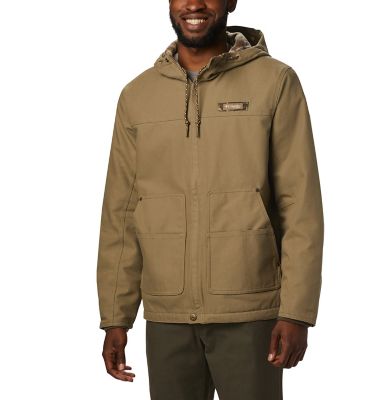
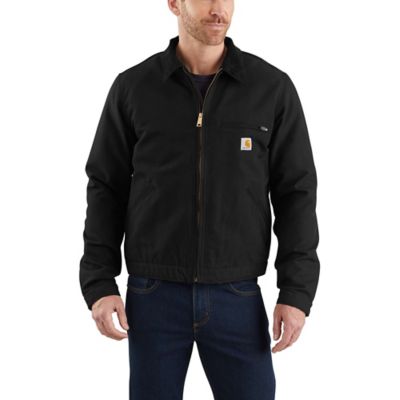
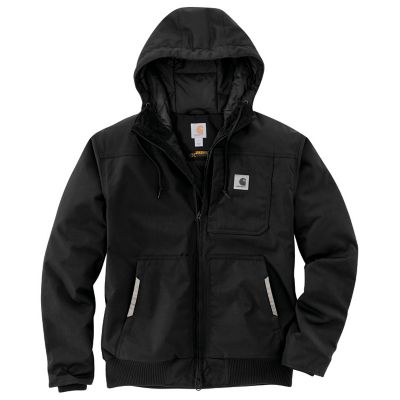
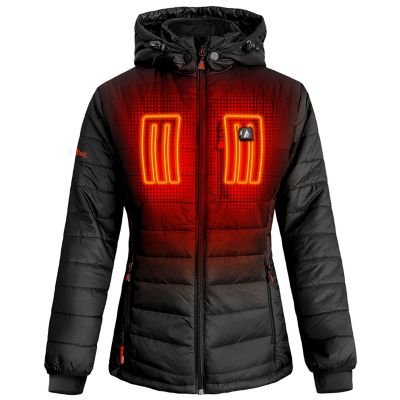
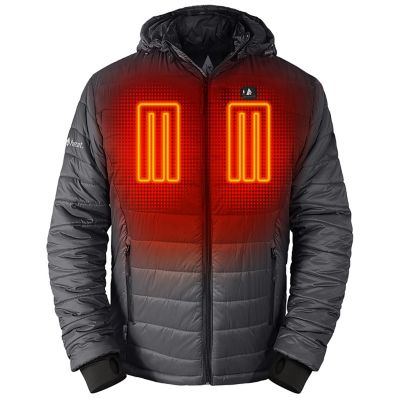
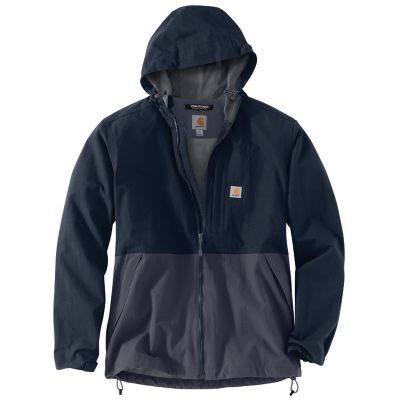
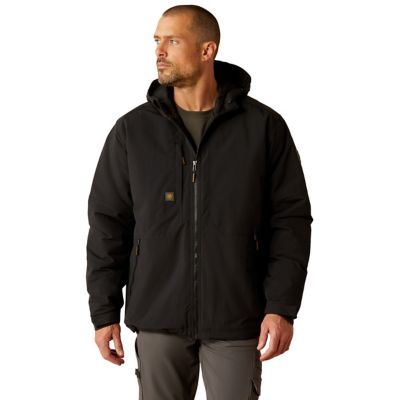
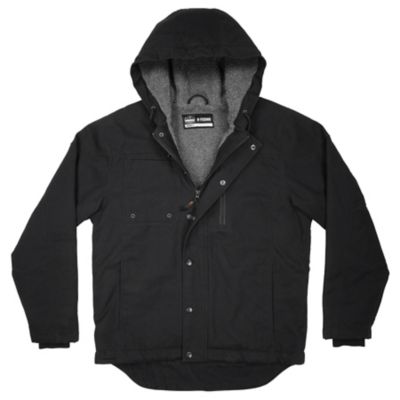
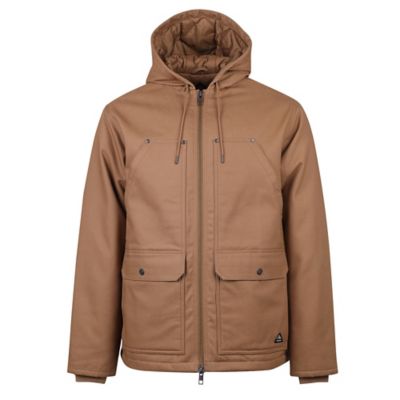
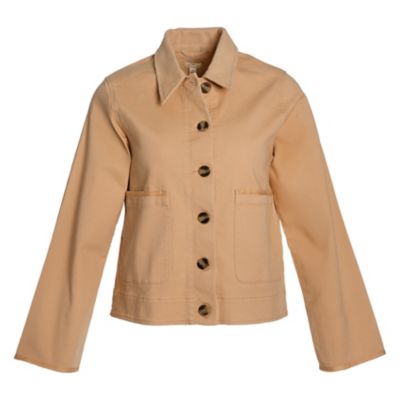
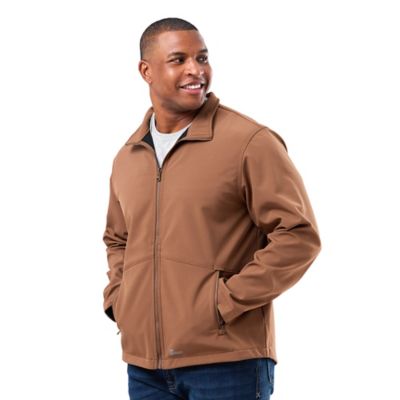
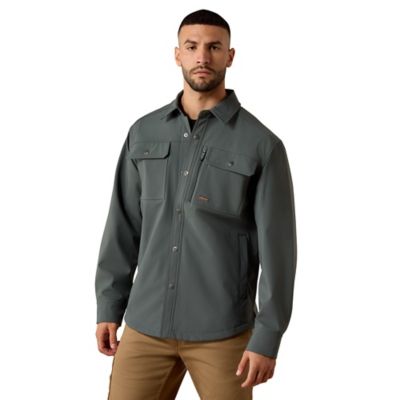
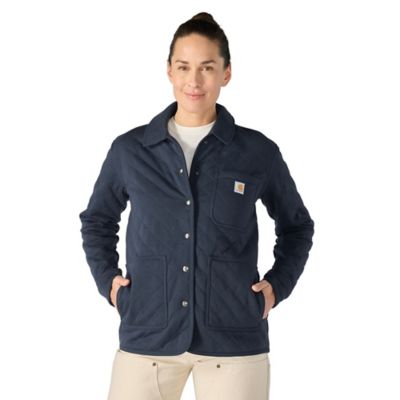
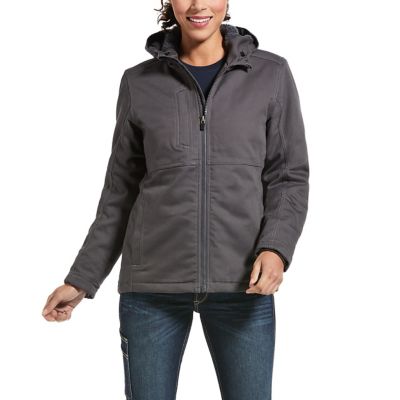
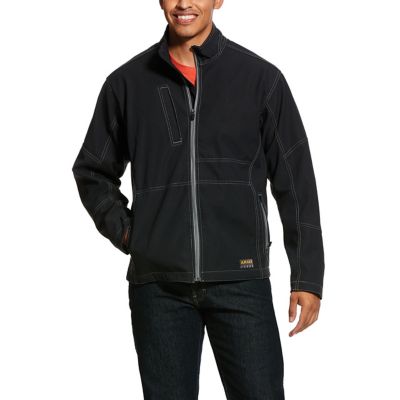
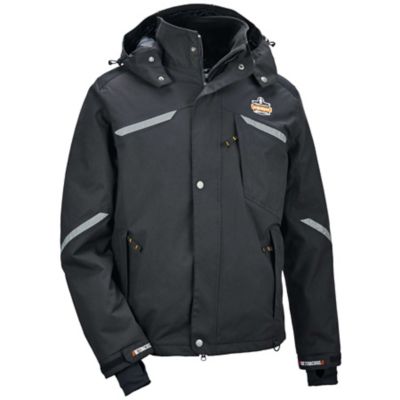
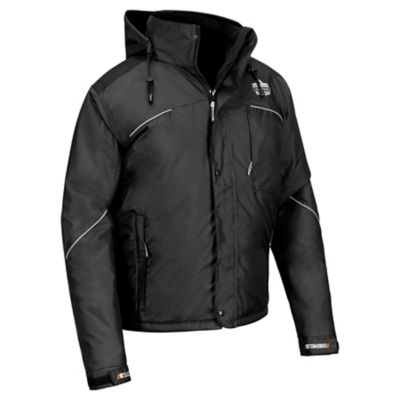
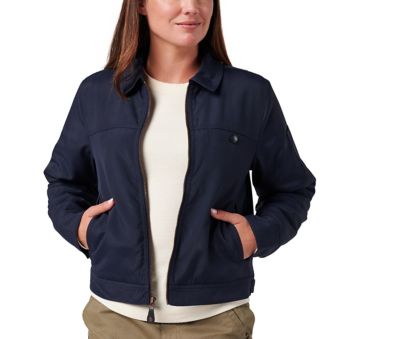
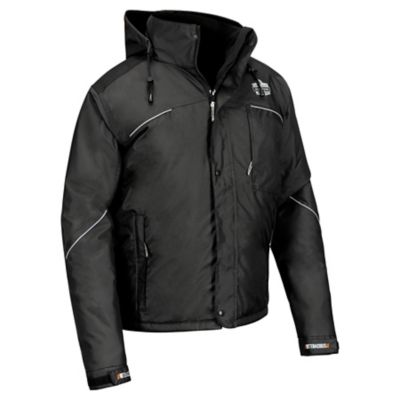
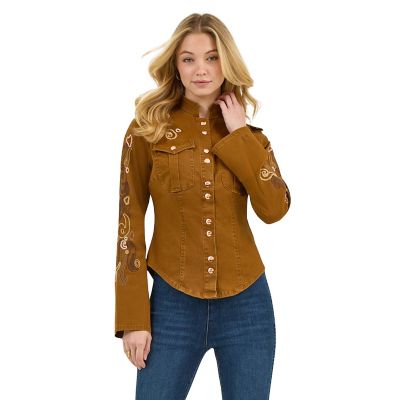
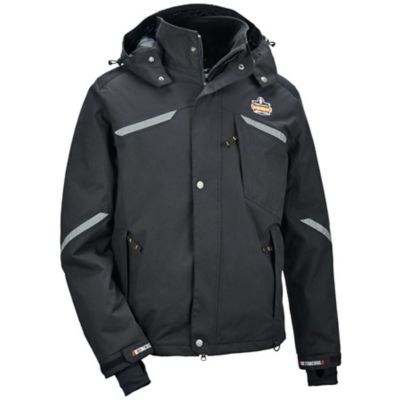
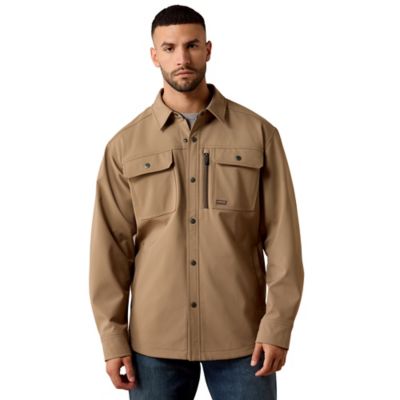
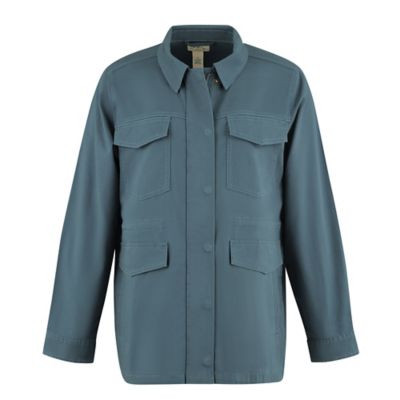
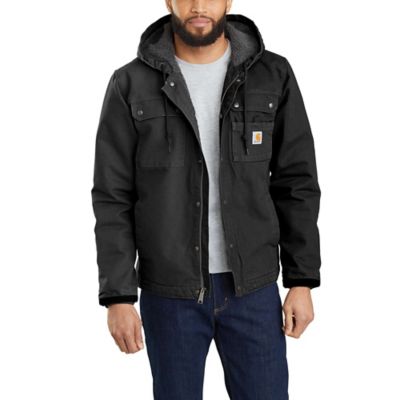
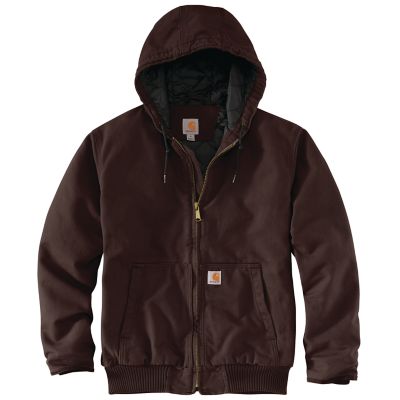
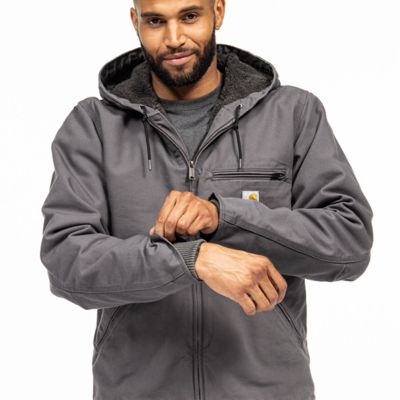
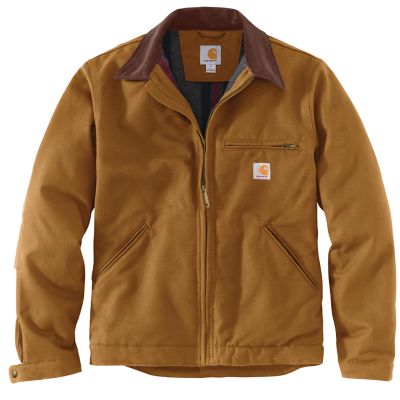
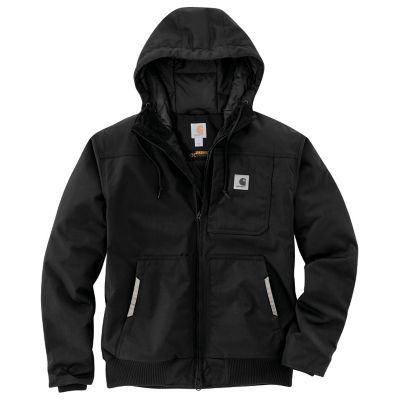
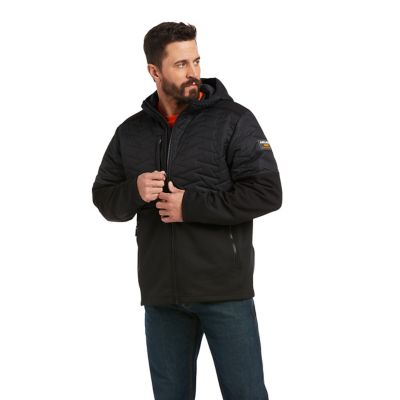
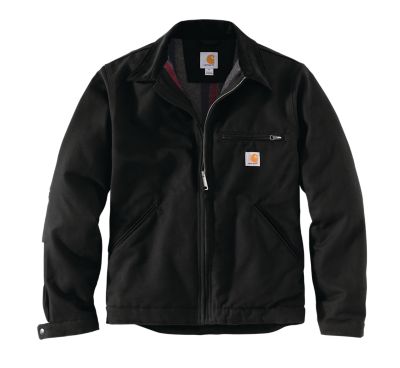
A utility work jacket is a dependable outer layer for people who spend their days moving, lifting, building, hauling, repairing, and working outdoors. These jackets are made with practical details that help on the job, from durable canvas or cotton-blend shells to roomy pockets for gloves, tape measures, phones, fasteners, and other small essentials. A sturdy work jacket can be useful around the farm, in the shop, on a construction site, in the truck, or while handling chores around the property. The right choice depends on the kind of work and weather you expect to face. Unlined or lightly lined jackets are handy when the air is cool but not bitter, especially during changing conditions when a shirt or sweatshirt underneath provides enough warmth. Insulated jackets with quilted, fleece, or blanket-style linings add comfort during colder stretches, while a durable shell helps stand up to brush, lumber, fencing, machinery, and everyday wear. Look for reinforced stitching, strong zippers or snaps, adjustable cuffs, and a hem that helps keep drafts from sneaking in when you bend or reach. A relaxed cut gives you room to layer and move your shoulders, while a trimmer fit may work better for driving, climbing, or working around equipment. Pay attention to sleeve length, too; cuffs should cover the wrists without getting in the way of gloves or tools. A washed or broken-in finish can feel comfortable from the first wear, while heavier duck canvas and similar work fabrics often become softer over time without losing their rugged character.
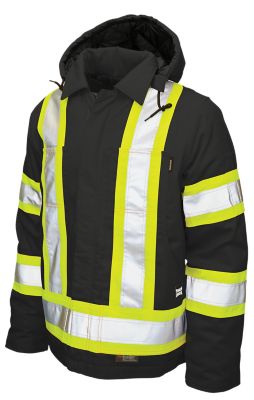
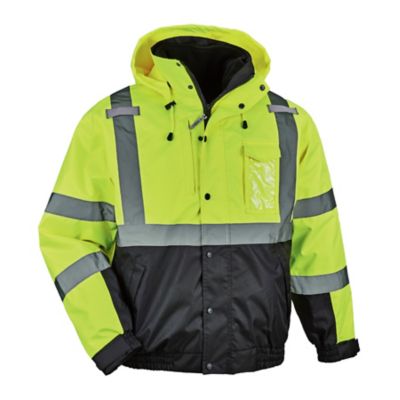
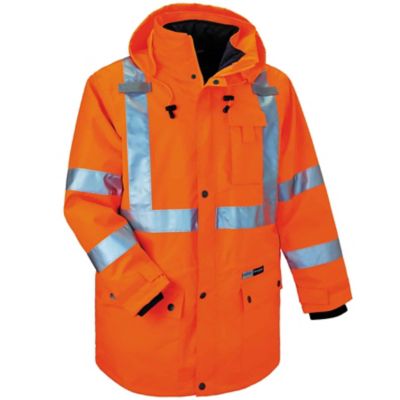
When choosing a utility work jacket, start with the conditions where it will earn its keep. For outdoor jobs during cooler months, insulation can make early mornings more comfortable, especially when the ground is damp and the wind cuts across an open field or worksite. For active work, a lighter jacket with some flexibility may be more useful than a heavy coat that feels bulky after a few hours. Water-resistant fabric can help with a light drizzle, wet grass, or a quick trip between buildings, but it should not automatically be treated as waterproof unless the garment is specifically designed and rated for extended rain. A high collar, storm flap, secure front closure, and covered pockets can help keep out wind and moisture. Storage matters as well. Chest pockets are convenient for items you reach for often, while lower hand pockets give cold fingers a place to warm up. Interior pockets can help protect a wallet, phone, or paperwork from dust and rough handling. If you work around saws, welders, engines, or open flames, check the jacket’s material and care instructions carefully and choose garments suited to the hazards of the job. A jacket with a tough exterior is not a substitute for flame-resistant clothing, high-visibility gear, protective footwear, or other required safety equipment. For crews and home projects alike, it is also worth considering color and visibility. Earth tones fit in easily around the farm and shop, while brighter colors or reflective details may be helpful near roads, vehicles, or active worksites. Those shopping for a broader range of job-ready outerwear can also browse a
Construction Jacket selection for additional styles built around worksite comfort and utility.
A utility work jacket can make a thoughtful gift for a farmer, rancher, mechanic, contractor, groundskeeper, delivery driver, or anyone who would rather have a coat that works as hard as they do. It is also a practical choice for a new homeowner preparing for property upkeep, a student heading into a trade, or a family member who spends weekends repairing equipment and tackling outdoor projects. When buying for someone else, consider their usual layering habits, the climate where they live, and whether they prefer a roomy work fit or a closer everyday fit. If you are unsure of sizing, compare the jacket’s measurements with a coat they already wear instead of relying only on a familiar shirt size. Extra room can be useful for flannels, hoodies, and thermal layers, but too much fabric may catch on handles, branches, or machinery. Look for easy-care materials if the jacket will see plenty of dust, mud, feed, grease, or sawdust. Many work fabrics can be brushed clean or washed at home, though washing and drying instructions vary, and heat may affect coatings, lining, or fit. Letting a damp jacket dry fully before storing it can help keep it fresh through repeated use. With regular care, a well-made utility jacket can become the coat that hangs by the back door, rides in the truck, and goes on whenever the forecast turns cool or the day’s work calls for an extra layer. It offers a useful balance of protection, storage, comfort, and durability for everyday work from late summer’s cooler mornings through the colder months ahead.