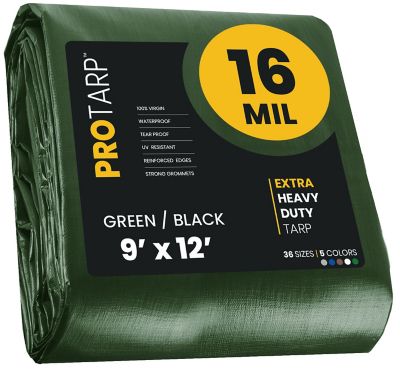
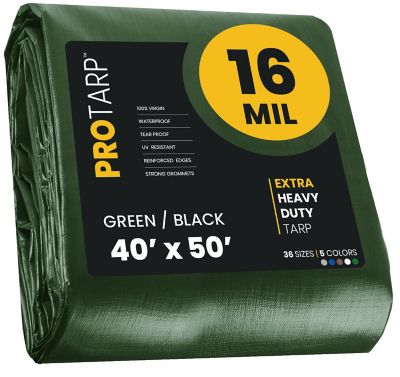
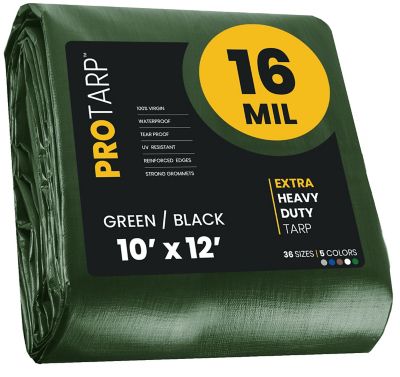
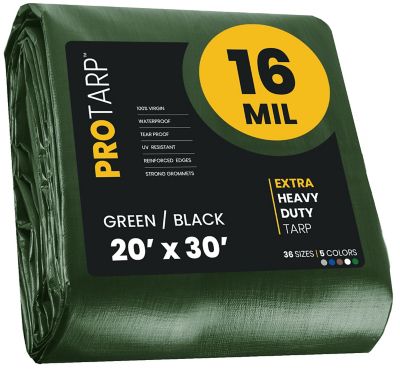
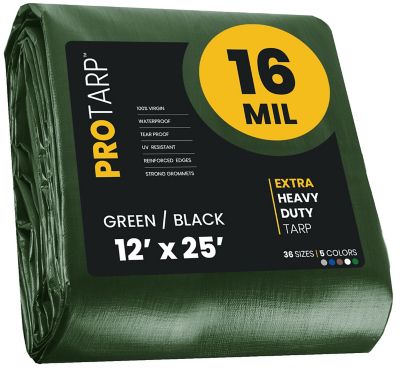
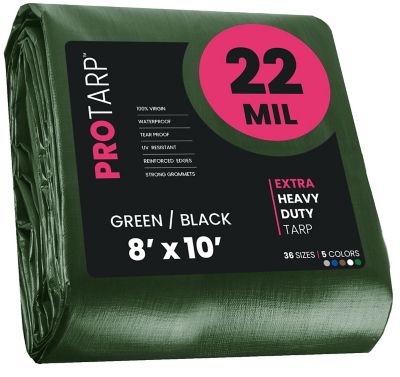
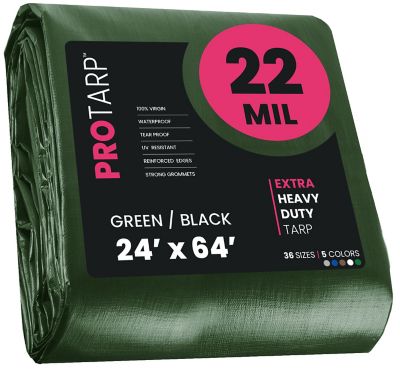
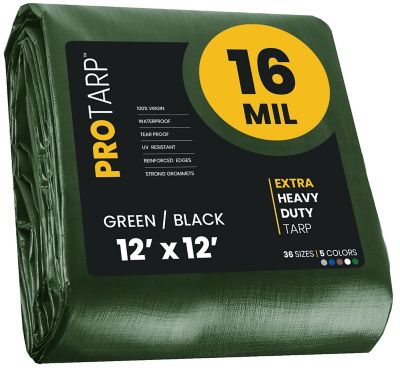
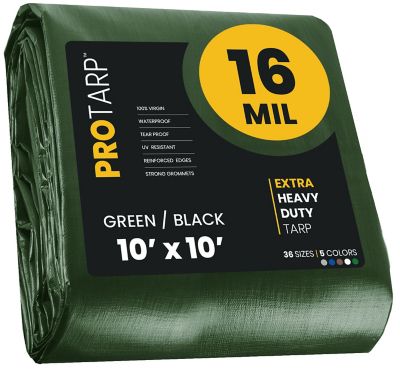
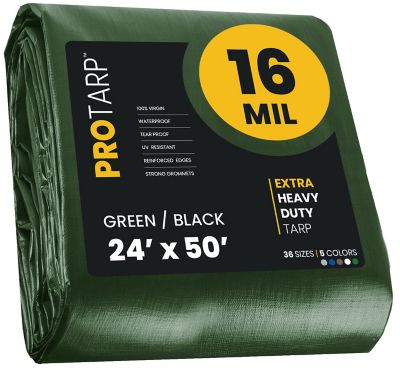
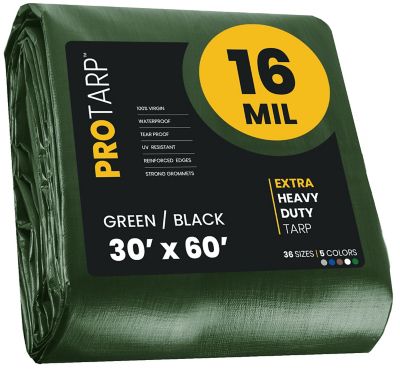
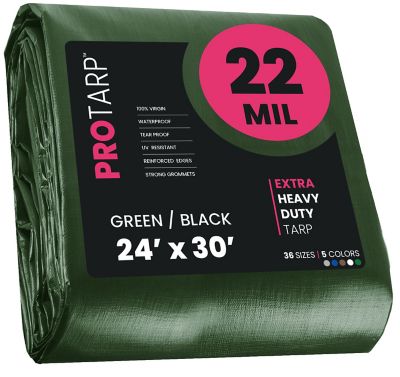
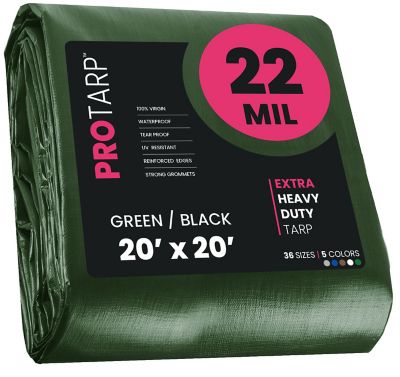
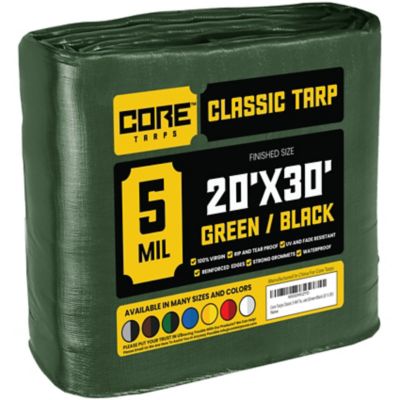
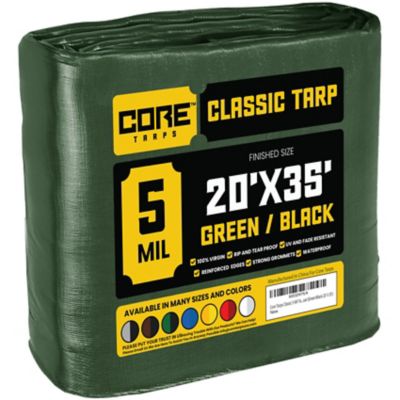
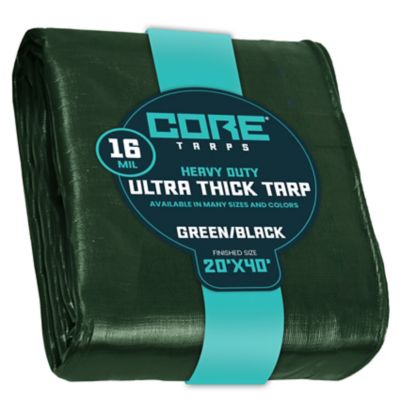
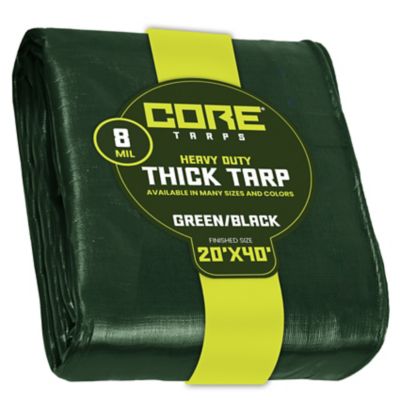
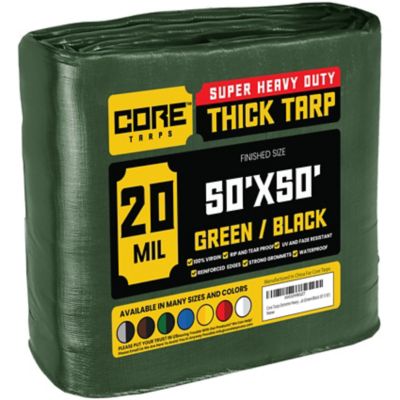
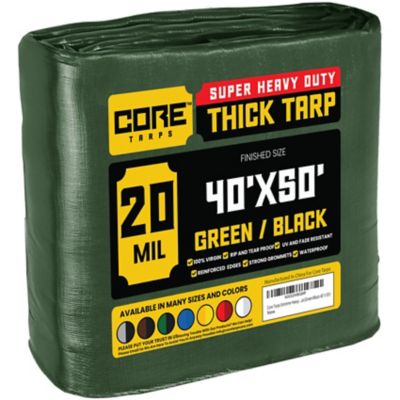
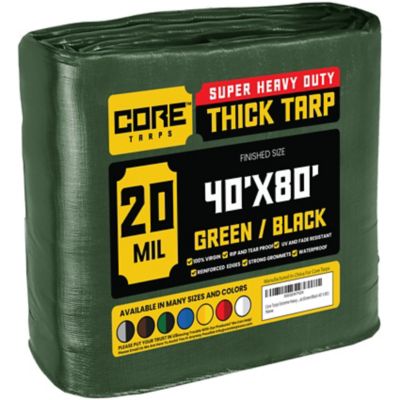
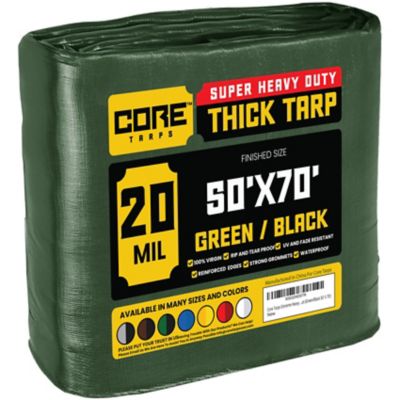
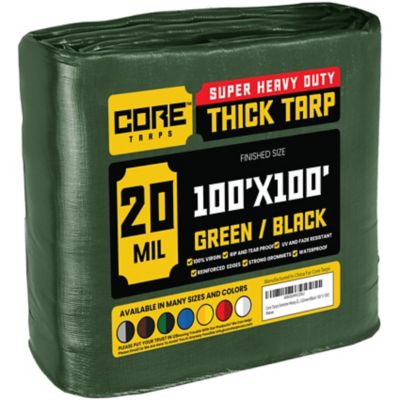
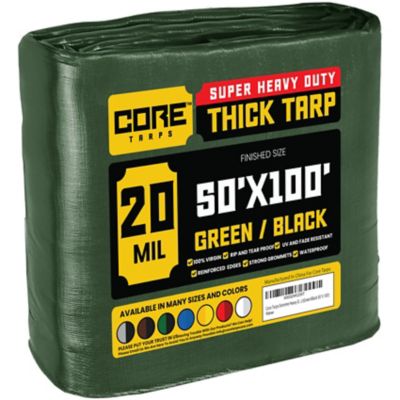
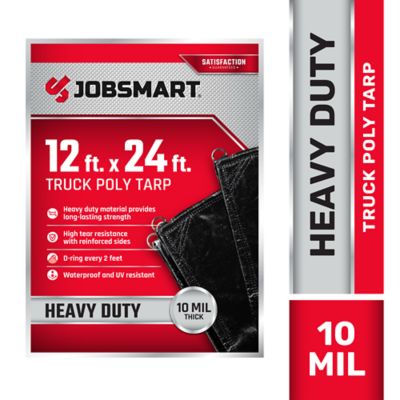
Green tarps are a handy part of keeping a farm, acreage, workshop, or home place in order. Their broad coverage helps shield equipment, firewood, lumber, feed containers, outdoor furniture, and other belongings from rain, wind, dust, and falling leaves. The green color blends in well around grassy areas, tree lines, gardens, and outbuildings, making these tarps a practical choice when you want protection without a bright, attention-grabbing surface. They can cover a stack of split wood beside the shed, create a quick roof over supplies during a job, or serve as a ground cover beneath muddy, wet, or messy work. Many folks keep one folded behind the seat of a truck or tucked near the barn because a tarp often comes in handy when weather changes faster than expected. Before choosing one, think about the size of the area you need to cover and allow enough extra material to fold over the sides or secure the edges. A tarp stretched too tightly may pull against its attachment points, while one that is too small can leave corners or equipment exposed. It also helps to consider the shape of the load, how often you will move the cover, and whether the tarp will sit in an open field, under a lean-to, on a trailer, or beside the house. For a long stack of lumber, a longer cover with room to hang down the sides may be useful. For a small load or temporary ground cover, a more compact size can be easier to fold, carry, and store.
When putting a green tarp to work, take a few minutes to plan how water will run off. A slight slope or peaked center keeps rain from collecting in a heavy pocket, which can strain the fabric and tie-down points. Keep sharp corners, rough boards, and protruding branches from pressing directly against the tarp; a piece of cardboard, an old blanket, or a smooth board can help cushion those spots. Many tarps include reinforced edges and metal eyelets for rope, cord, straps, or other fasteners. Match the tie-down method to the job, and secure the tarp at several points instead of relying on one line at each corner. Leave enough slack for the cover to settle over the load, but avoid loose sections that can flap hard in the wind. If you are covering a trailer, tractor attachment, stack of hay tools, or outdoor furniture, check the cover after a gusty day and tighten or reposition it as needed. For firewood and other materials that need airflow, cover the top and sides while leaving a small opening near the bottom when conditions allow. This helps limit trapped moisture and keeps the stack from becoming damp underneath. A tarp can also help with painting, saw work, landscaping, and cleanup around the property. Spread it beneath a brush pile, place it under a mower during maintenance, or use it as a temporary barrier while hauling leaves and branches. Once the job is done, shake off dirt and plant matter, let the tarp dry, fold it loosely, and store it away from standing water, direct sun, and sharp tools.
Green tarps suit a wide range of people, from landowners and gardeners to campers, hunters, contractors, livestock keepers, and anyone who takes care of a home with outdoor storage. They are especially helpful during the cooler seasons, when wind, rain, and early frost can create extra work around the property. A tarp can protect a stack of kindling before the first cold snap, keep a wheelbarrow or garden cart covered between chores, or give a temporary layer of shelter over supplies waiting to go into a shed. Campers may carry one for a ground sheet, rain fly, gear cover, or windbreak, while hunters and outdoor workers may appreciate a low-profile cover that blends into wooded or grassy surroundings. A practical tarp can also make a thoughtful gift for someone moving to a country home, setting up a workshop, maintaining a campsite, or taking on their first garden. It is the sort of useful item that may sit quietly in storage until a sudden downpour, a load of firewood, or a muddy cleanup makes its value clear. If you are comparing colors for different jobs, green works well around yards, pasture edges, garden rows, and wooded campsites, while
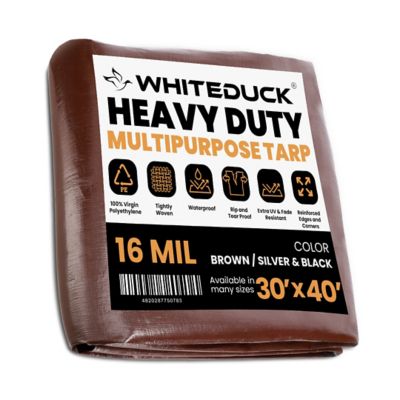
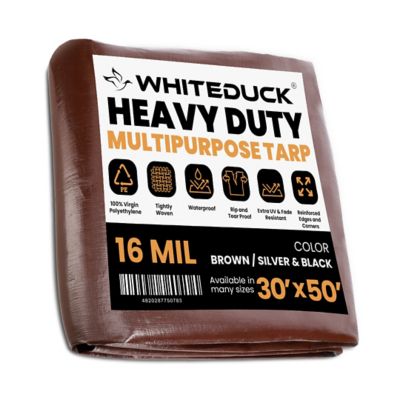
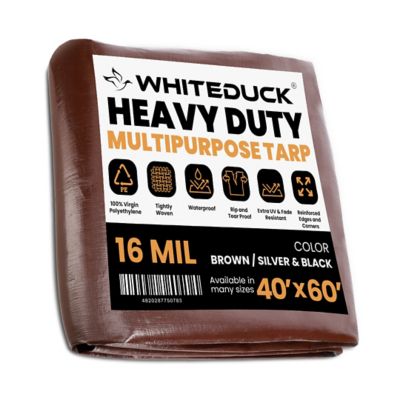
Brown Tarps can offer another low-key option for soil, mulch, timber, and other outdoor materials. Keep the tarp folded where you can reach it, inspect the eyelets and edges before each major job, and choose fasteners suited to the wind and weight involved. With thoughtful placement and regular care, a green tarp can help keep everyday work moving through changing weather, whether you are protecting a few bags of supplies beside the shed or covering a larger load headed down the road.