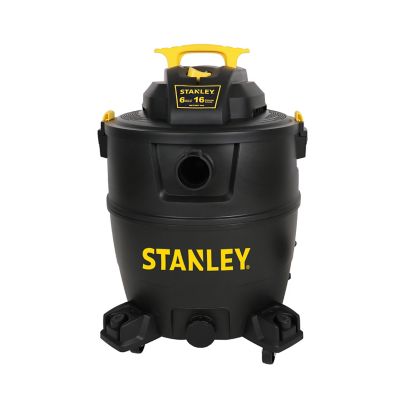
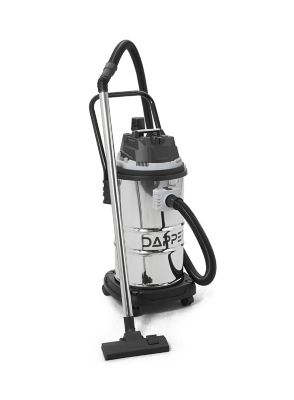
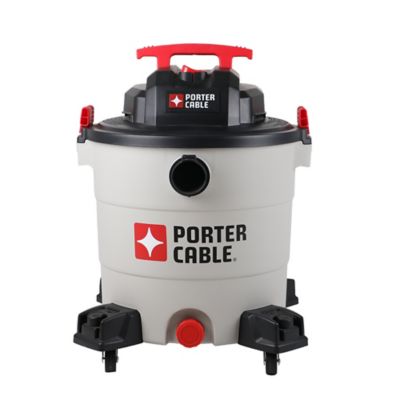
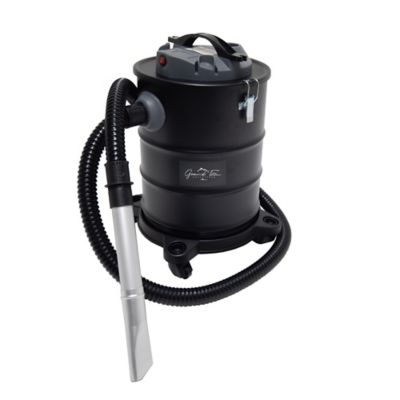
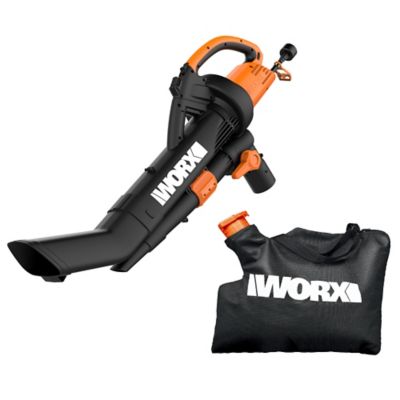
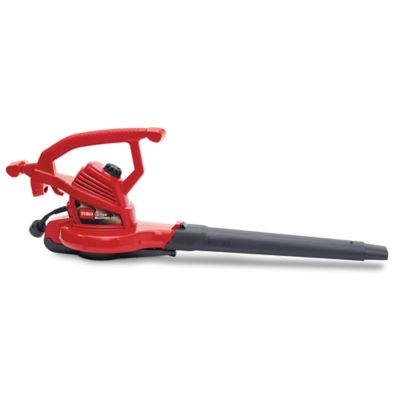
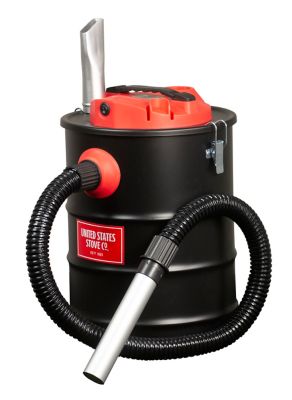
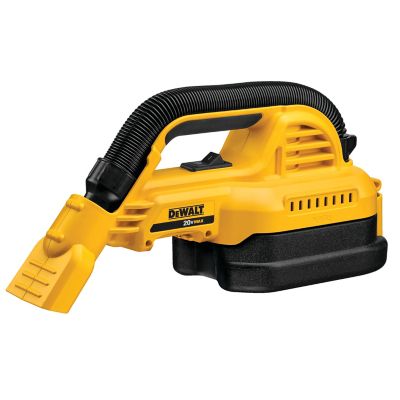
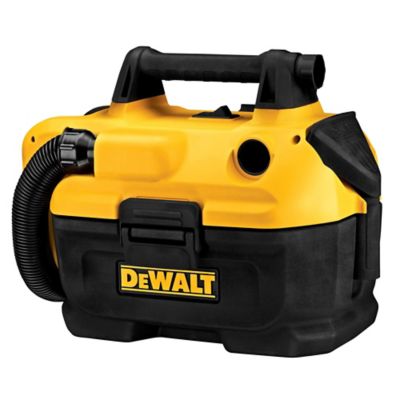
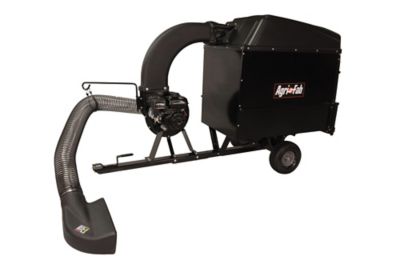
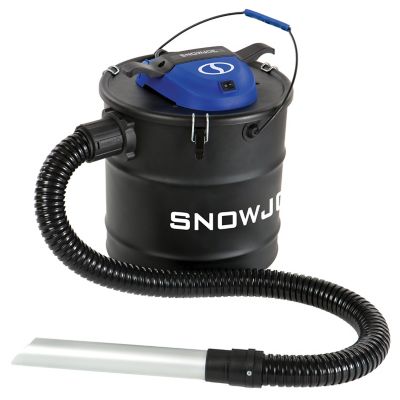
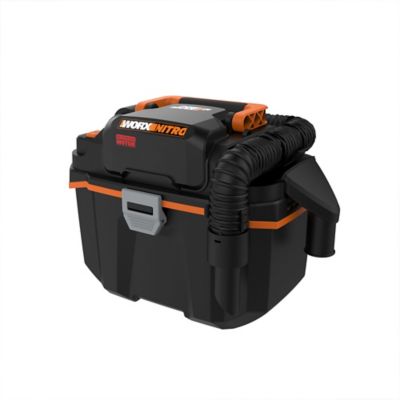
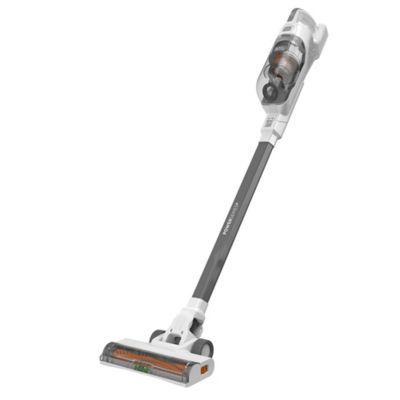
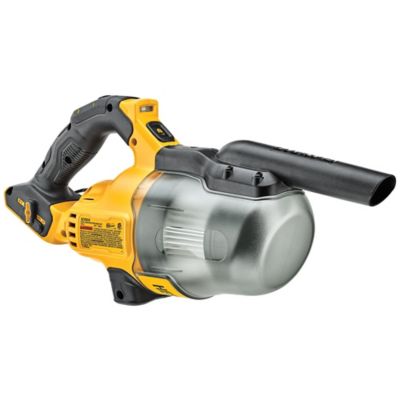
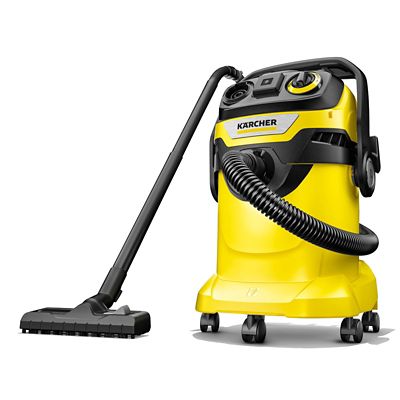
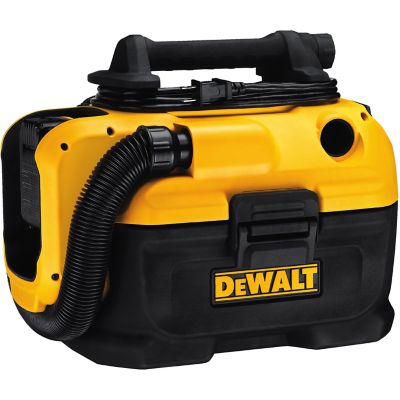
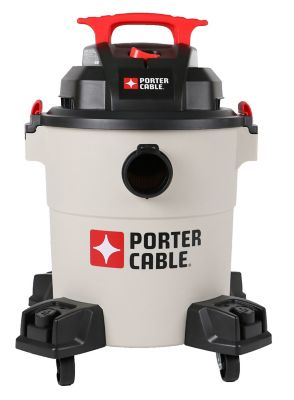
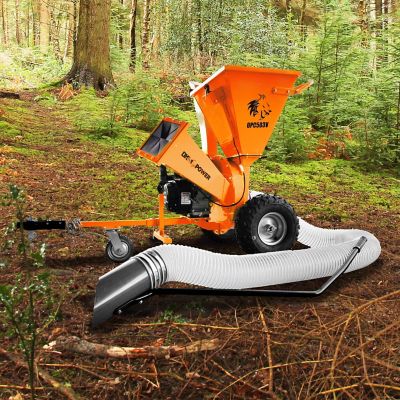
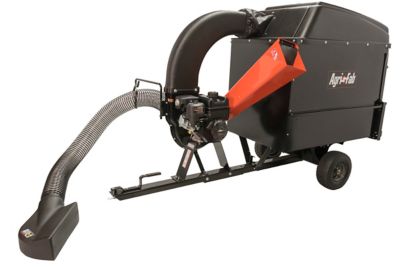
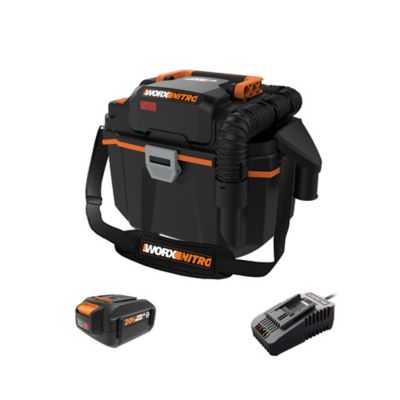
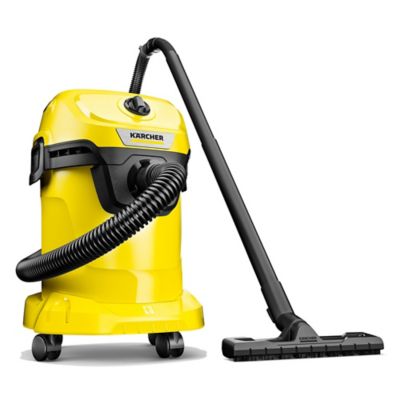
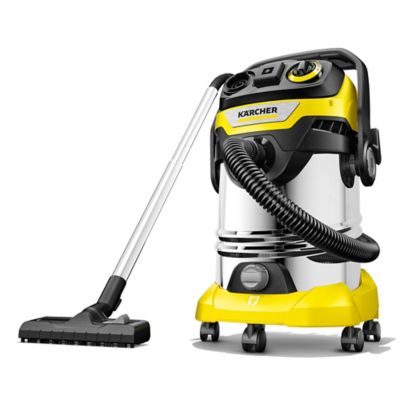
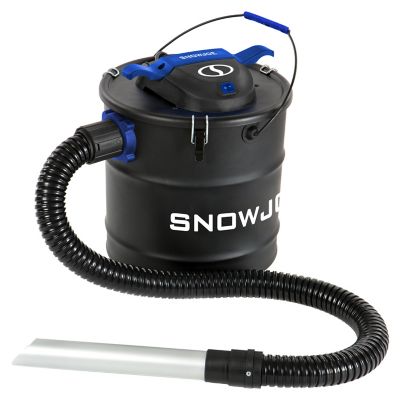
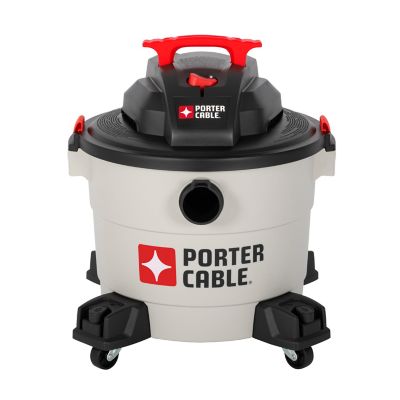
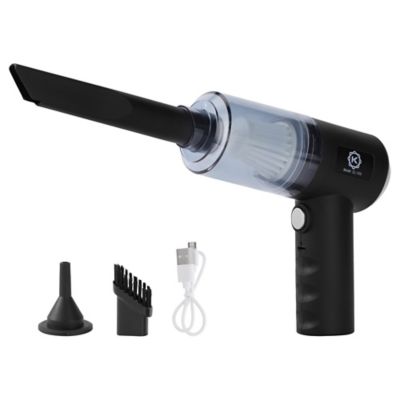
Heavy duty vacuums are built for the messes that can wear out an ordinary household vacuum in a hurry. In a workshop, barn, garage, jobsite or busy outbuilding, these high-capacity wet/dry vacuums can handle sawdust, wood chips, dirt, gravel, drywall dust, nails and other loose debris, along with water and many everyday liquid spills. A larger tank means fewer trips to the dumpster or drain, while a strong motor and generous airflow help pull debris from concrete floors, truck mats, workbenches and hard-to-reach corners. They can be especially useful during the cooler months, when muddy boots, tracked-in leaves, animal bedding and damp debris tend to collect near doors and work areas. A heavy duty vacuum also makes a practical gift for a new homeowner, woodworker, farmer, mechanic, contractor or anyone setting up a serious garage workspace. Before choosing one, consider where it will be used, how far it needs to travel and what kind of material it will collect. A compact unit may be easier to carry between vehicles or buildings, while a larger tank can be a better fit for long cleanup sessions and high-volume jobs. If portability matters most, look for sturdy wheels, a balanced handle, onboard accessory storage and a hose that is long enough to reach around equipment without dragging the vacuum every few feet. For smaller cleanup jobs or tight spaces, explore
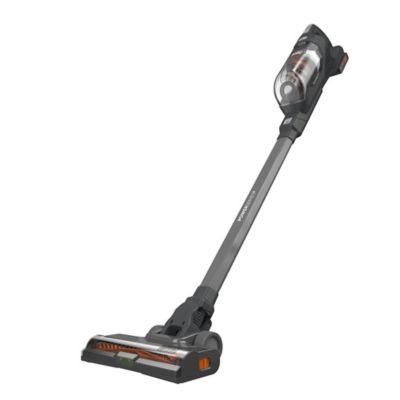
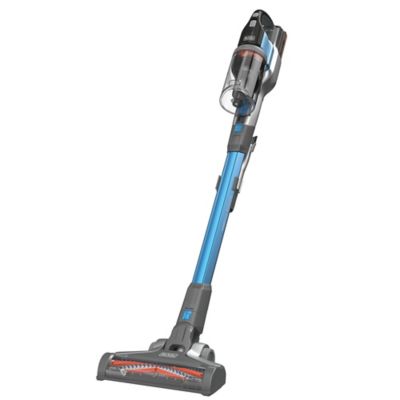
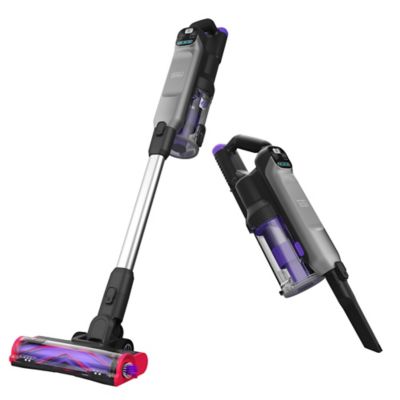
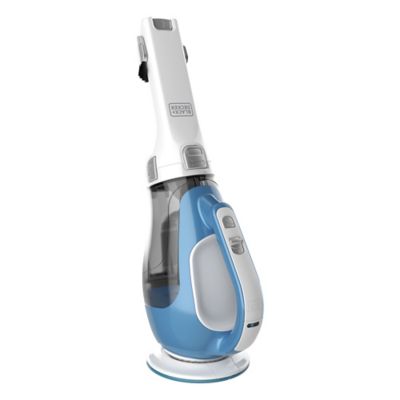
Portable Vacuums as another convenient option.
Tank size is only one part of the decision. Capacity is commonly listed in gallons, while motor performance may be described by peak horsepower and airflow. These numbers can help compare models, but the best choice depends on the full design, including hose diameter, filter condition, sealed suction and the tools included. A wide hose is handy for leaves, wood shavings, chunks of feed or construction debris that could clog a narrow passage. A smaller hose and crevice tool can provide better control around machinery, shelves, vehicle seats and baseboards. For wet pickup, choose a vacuum designed for liquids and follow the instructions for removing or changing the dry filter, using a foam sleeve when required and emptying the tank before it becomes too heavy to move. Never assume a dry filter can be used for every wet application. For dry debris, a pleated cartridge filter or collection bag can make emptying cleaner and help protect the motor. Fine dust calls for extra attention. Drywall, concrete, mortar, masonry and other silica-producing materials can create particles that are far finer than ordinary shop dirt. If that is part of the work, look for a model specifically rated for fine dust and, where the job requires it, an OSHA-compliant HEPA setup with the proper filtration and dust-control features. HEPA filtration is generally designed to capture 99.97% of particles at 0.3 microns under specified test conditions, but a filter alone does not replace good ventilation, protective equipment or required jobsite safety practices. Check the vacuum’s rating, filter system and intended use rather than relying on a general “heavy duty” label.
For farms, shops and active work areas, small details often make the difference after a long day. A crush-resistant hose, locking connections, a long power cord, a drain port and a float shutoff can save time and prevent avoidable trouble. A tank drain is convenient when the vacuum has collected water, while a float mechanism helps protect the motor if liquid reaches its limit. Look for durable construction and wide casters if the vacuum will stay on a concrete floor, or choose a lighter body and strong carrying handle if it will ride in a service truck. Continuous-duty industrial vacuums are intended for more demanding environments such as warehouses, manufacturing areas and operations where equipment runs for extended periods. These systems may offer heavier construction, greater airflow capacity and components designed for frequent or continuous use, but they can be larger and less convenient for an occasional garage cleanup. For most farms and home workshops, a capable wet/dry vacuum with the right tank size, filter and attachments is enough to collect spilled grain, dirt from equipment, rainwater near a shop entrance and the shavings left after a morning project. Keep filters clean, inspect hoses for cracks, empty the tank before storage and use the correct collection bag or filter for the material at hand. Store the vacuum where freezing water, excessive dust and direct weather exposure will not damage it, and keep cords and accessories organized so the machine is ready when the next muddy, dusty or messy job rolls around.