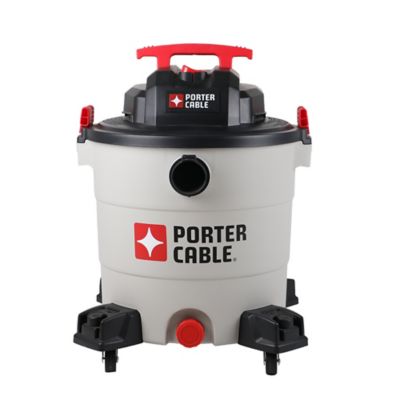
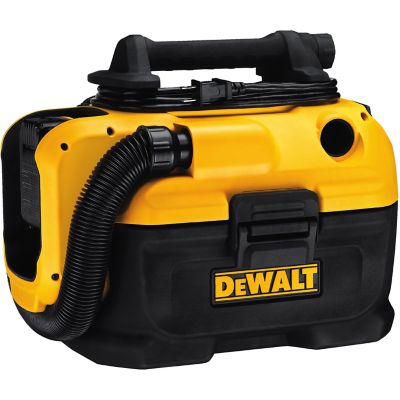
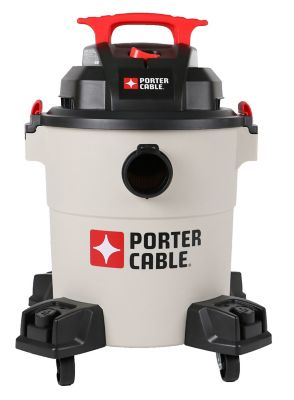
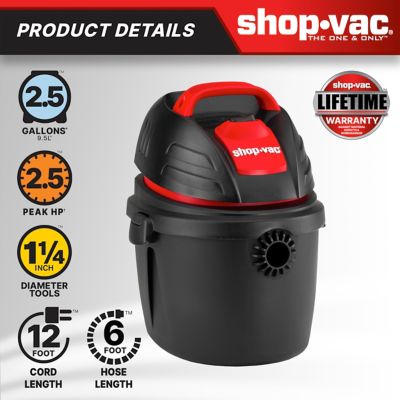
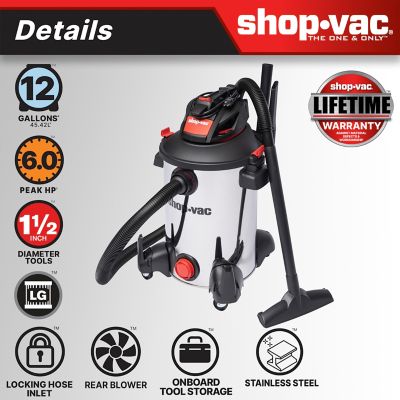
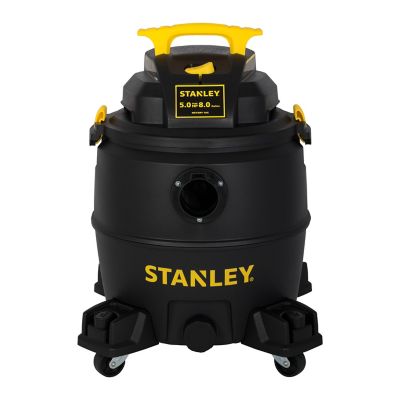
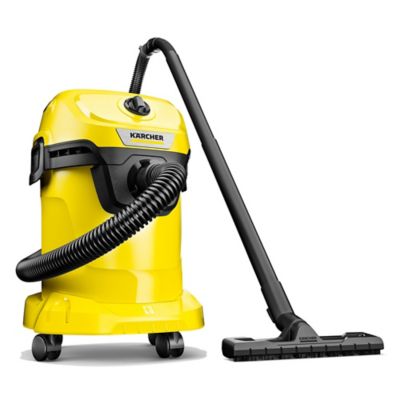
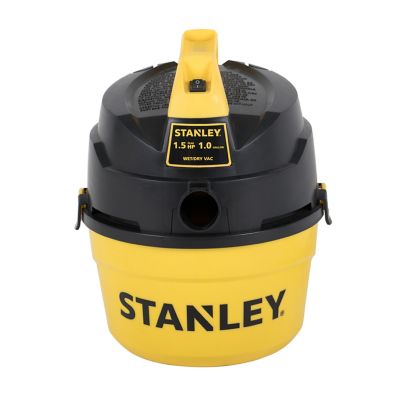
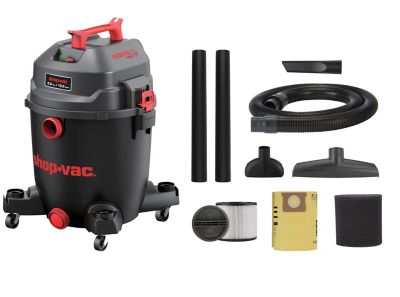
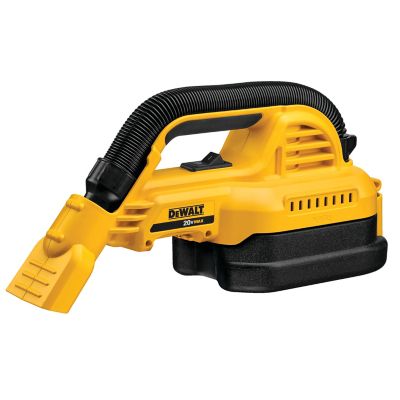
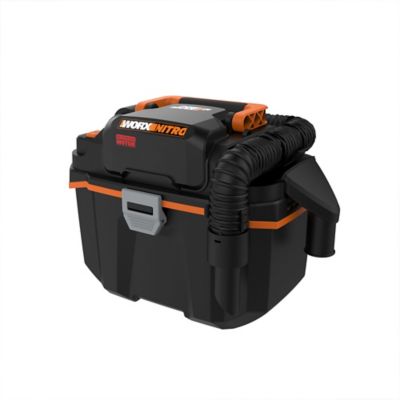
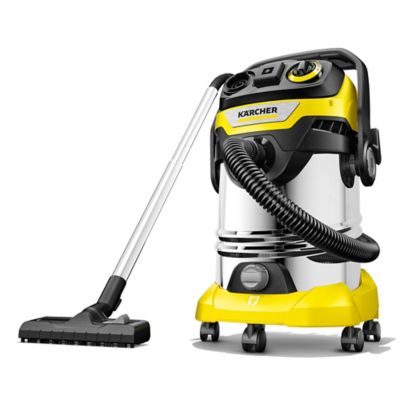
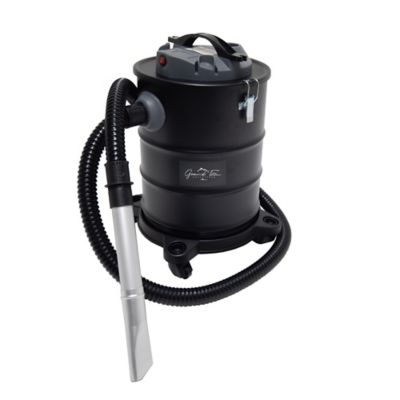
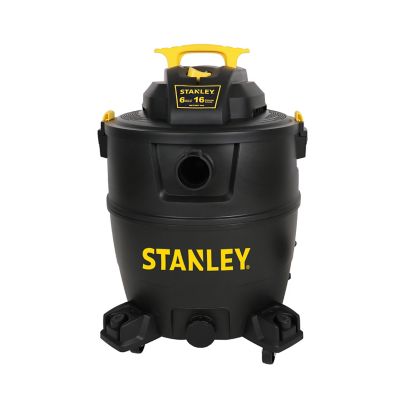
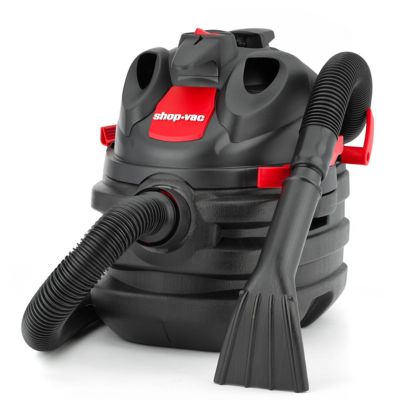
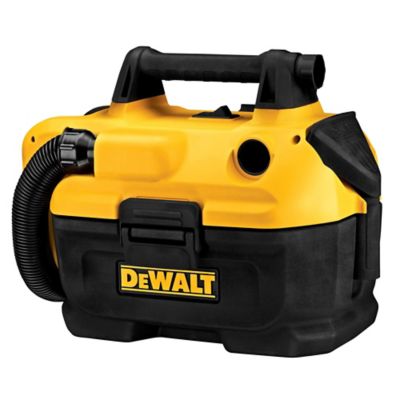
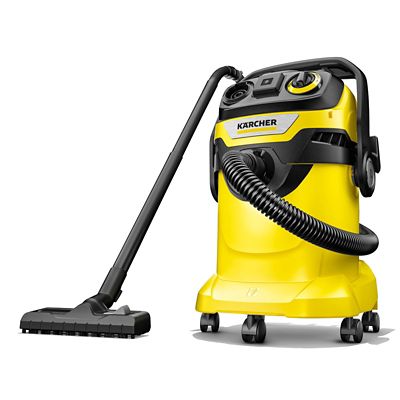
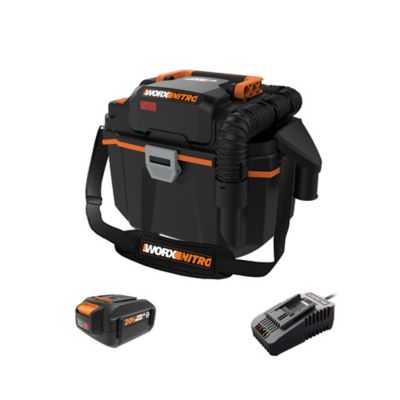
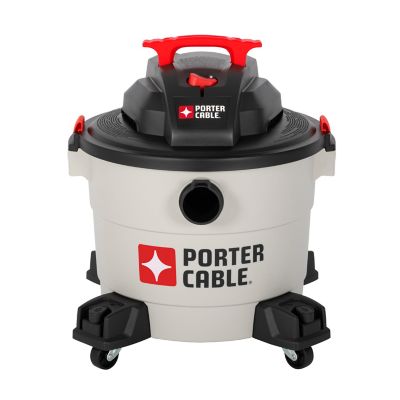
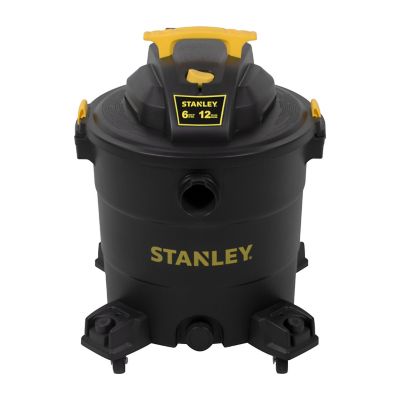
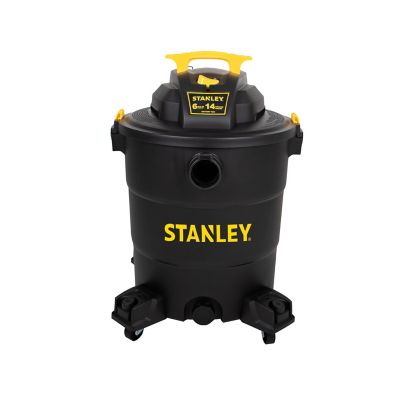
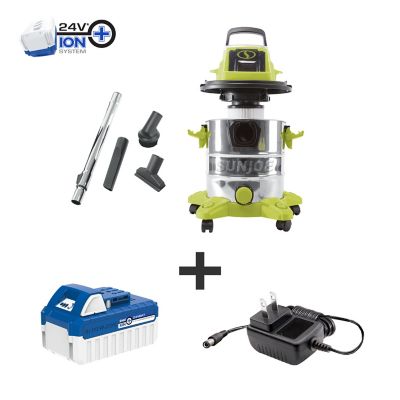
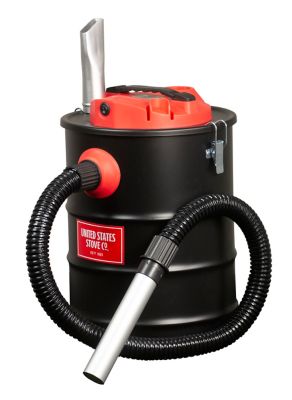
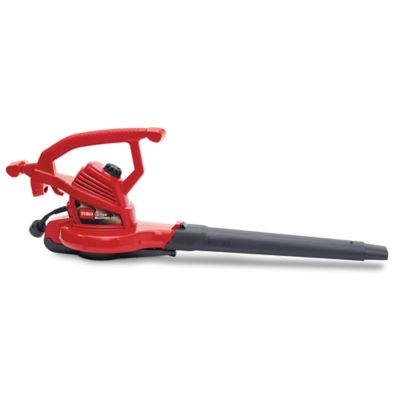
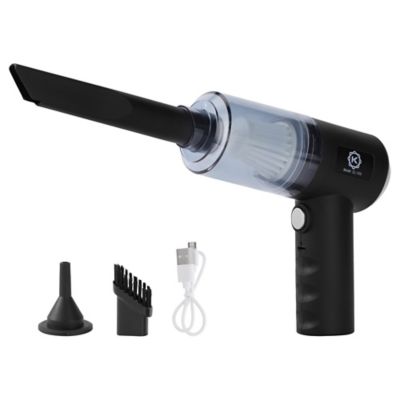
Shop vacs are built for the kind of cleanup that can wear out a regular household vacuum in a hurry. With wet/dry capability, many models can pick up sawdust, wood shavings, dirt, gravel, dropped nails, and liquid spills around a garage, barn, workshop, vehicle, or job site. They are handy after cutting lumber, drilling into concrete, repairing equipment, or tracking mud through the shop, and they can help clear out water from a clogged sink, a leaky basement corner, or a spill in the bed of a truck. A shop vacuum can also be useful outdoors when the blower function is used to move leaves, grass clippings, dust, and light debris away from porches, sidewalks, machinery, and work areas. For everyday farm and home maintenance, look for a size that matches the messes you expect to handle. Compact units in the 2- to 6-gallon range are easy to carry between the garage and the truck, fit neatly in tight spaces, and work well for car interiors, small repairs, quick spills, and light cleanup. Medium-capacity units around 9 to 14 gallons offer a practical balance for general garage work, home projects, and routine shop use. Larger units with 16 gallons or more are suited to demanding cleanup, bigger water spills, construction debris, and longer jobs where stopping to empty the tank would slow you down. Capacity is only part of the picture, since a larger tank can add weight and take up more storage room. A smaller vacuum may be the better pick for someone who needs to carry it up steps or load it into a service vehicle, while a larger canister may make more sense for a permanent workshop or busy work area.
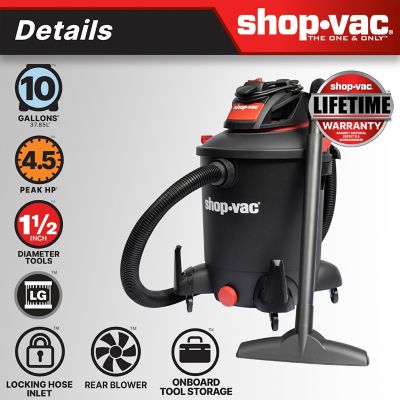
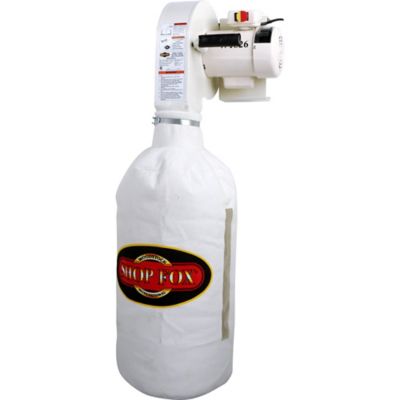
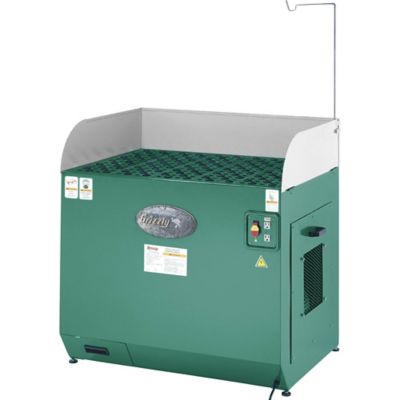
When comparing shop vacs, pay attention to suction power, hose size, filtration, tank design, reach, and the included attachments. Peak horsepower ratings can give a general sense of motor strength, with higher ratings often better suited to heavy debris, wet pickup, and demanding cleanup, but airflow and overall design also affect how a vacuum performs. A wide hose helps move wood chips, leaves, and larger pieces of debris without clogging, while a narrower hose and smaller tools are useful for vehicle seats, floor mats, corners, and detailed work. A long power cord and flexible hose can save plenty of time when outlets are scarce, and sturdy wheels or a balanced carry handle make a noticeable difference when moving across a concrete floor or uneven ground. For dry pickup, check whether the unit uses a reusable cartridge filter, disposable filter, collection bag, or a combination of these options. Fine dust from drywall, cement, sanding, or wood can quickly load a filter, so a filter designed for fine particles and an easy-to-empty collection system are worth considering. If woodworking is a regular part of the work, a dedicated
Woodshop Dust Collectors setup may be a better fit for capturing fine dust directly from stationary tools, while a shop vac remains useful for floors, benches, vehicles, and general cleanup. For wet pickup, remove or change the dry filter as directed before collecting water, and use the proper wet-pickup accessories. Automatic shutoff features can help prevent overfilling, and a drain plug or easy-release tank makes it simpler to empty water without lifting a heavy container. Look for a blower port if clearing outdoor debris is part of the plan, and consider onboard storage for crevice tools, floor nozzles, extension wands, and other attachments so small parts stay close at hand instead of disappearing under a workbench.
Shop vacs fit a wide range of routines, from a homeowner cleaning out a dusty shed to a contractor handling renovation debris, a mechanic servicing equipment, or a farmer keeping tractors and utility vehicles in better shape. They can be especially useful during the warmer part of the year when workshops see more building, mowing, hauling, and outdoor projects, then continue earning their floor space during cooler months as mud, tracked-in grit, leaves, and moisture collect around entryways and work areas. A compact wet/dry vacuum can make a thoughtful gift for someone setting up a first garage workspace, maintaining a camper, restoring an older vehicle, or tackling regular home repairs. For a woodworker or do-it-yourself builder, consider the hose and filter options alongside the tank size, since fine dust and larger chips call for different cleanup needs. For someone working around livestock, equipment, or a busy mudroom, a durable tank, strong wheels, and simple emptying may matter more than a compact footprint. It is also smart to think about storage before choosing a unit: measure the available shelf, cabinet, or corner space, and leave room for the hose and attachments. Keep cords, filters, and tanks maintained according to the manufacturer’s instructions, empty collected debris before it becomes packed down, and let the tank dry after wet pickup to help prevent odors. Never use a wet/dry vacuum to collect hot ashes, flammable liquids, or hazardous materials unless the unit is specifically made and approved for that purpose. With the right capacity, filtration, hose, and accessories, a shop vac becomes a reliable part of the cleanup routine—ready for sawdust on the bench, muddy water by the door, grass in the truck bed, or the scattered remains of a long day’s work.