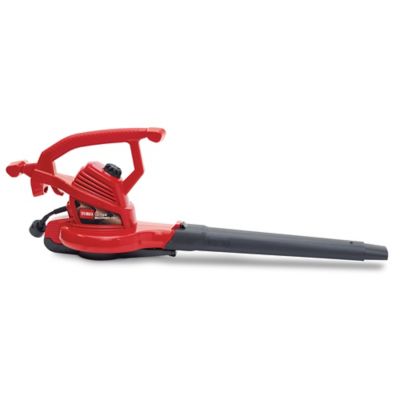
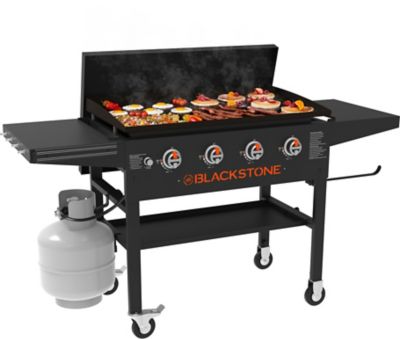
Yard Lawn Renovation Supplies Fourth Of July Sale
Get your yard looking its best just in time for the holiday with the Yard Lawn Renovation Supplies Fourth Of July Sale. Whether you're sprucing up patchy spots, tackling overgrown areas, or giving your lawn a fresh boost, you’ll find all the essentials to make your outdoor space shine. Take advantage of special deals and get everything you need to kick off summer celebrations with a picture-perfect yard.
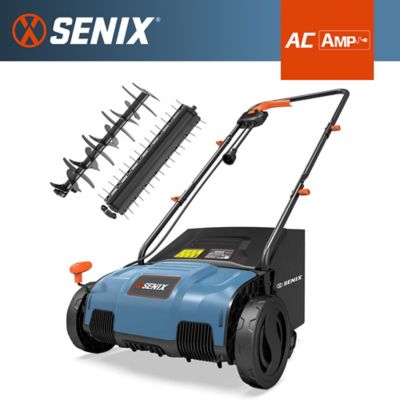
$99
.99
Sale Was $149.99 Save $50.00 (33%)
$71
.99
Sale Was $79.99 Save $8.00 (10%)
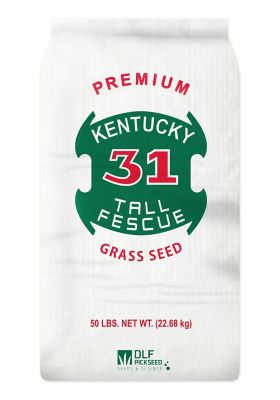
$79
.99
Sale Was $99.99 Save $20.00 (20%)
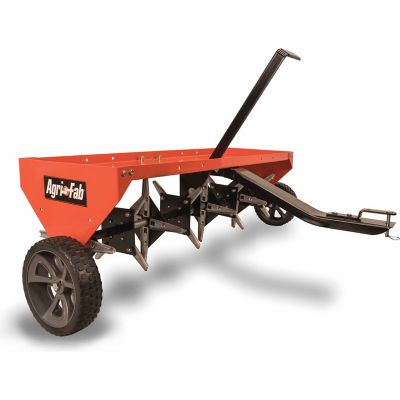
$369
.99
Sale Was $409.99 Save $40.00 (10%)
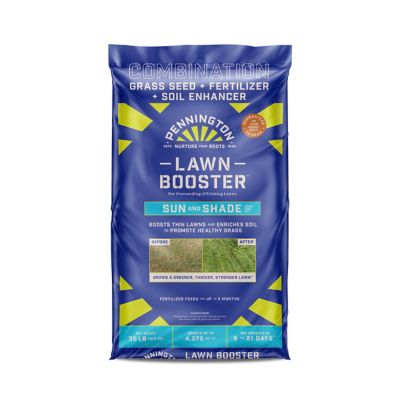
$24
.99
Sale Was $62.99 Save $38.00 (60%)
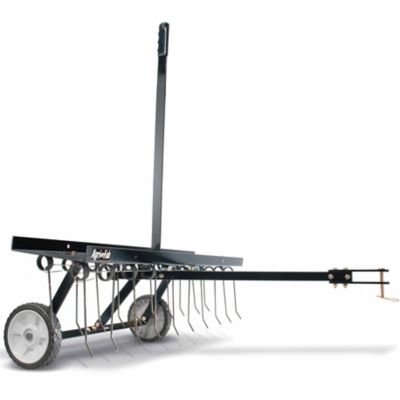
$139
.99
Sale Was $159.99 Save $20.00 (13%)
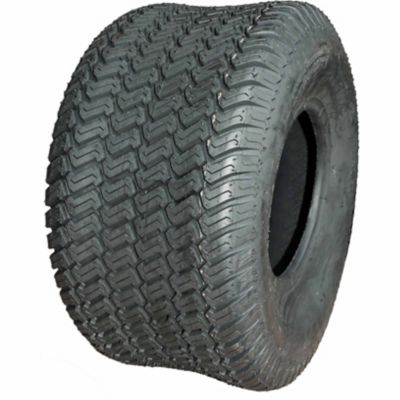
$40
.49
Sale Was $44.99 Save $4.50 (10%)
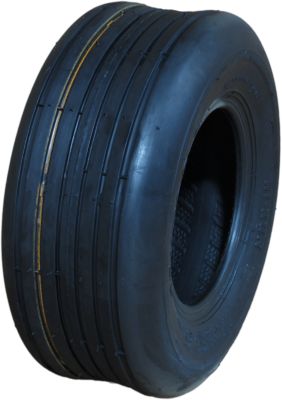
$17
.99
Sale Was $19.99 Save $2.00 (10%)
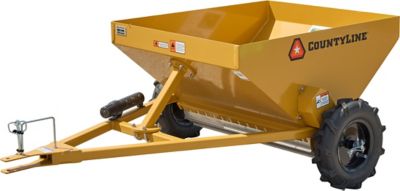
$1,199
.99
Sale Was $1,599.99 Save $400.00 (25%)
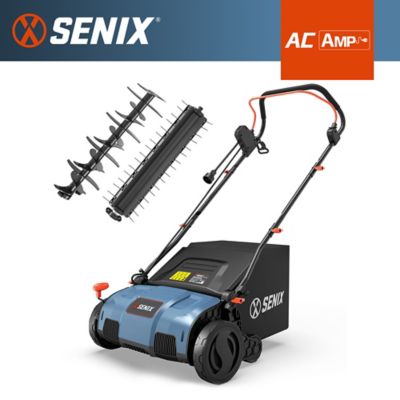
$109
.99
Sale Was $169.99 Save $60.00 (35%)
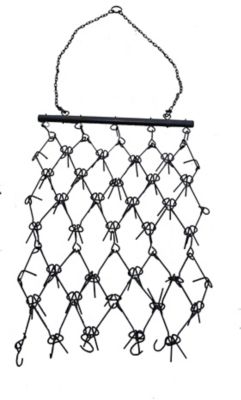
$199
.99
Sale Was $239.99 Save $40.00 (17%)
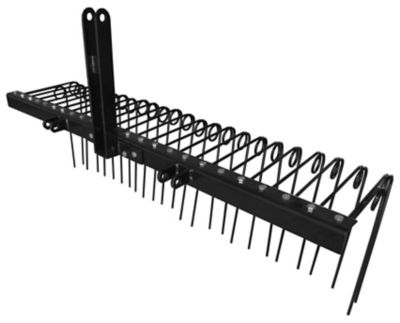
$239
.99
Sale Was $299.99 Save $60.00 (20%)

$134
.99
Sale Was $149.99 Save $15.00 (10%)
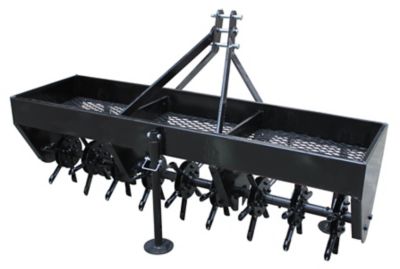
$999
.99
Sale Was $1,399.99 Save $400.00 (29%)
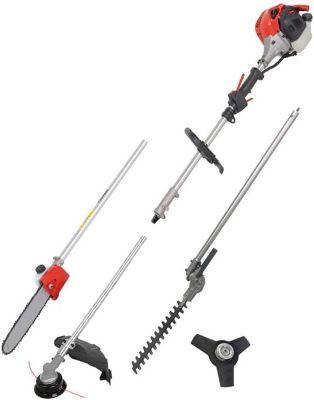
$199
.99
Sale Was $229.99 Save $30.00 (13%)
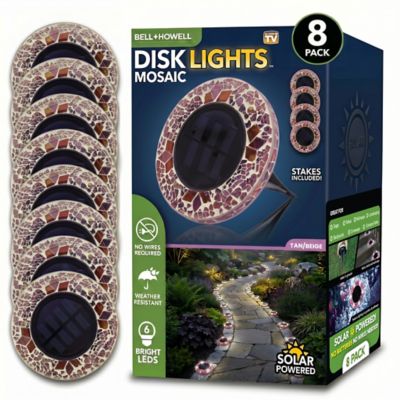
$53
.99
Sale Was $59.99 Save $6.00 (10%)
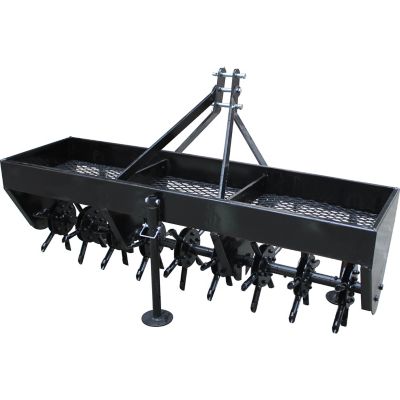
$899
.99
Sale Was $1,199.99 Save $300.00 (25%)
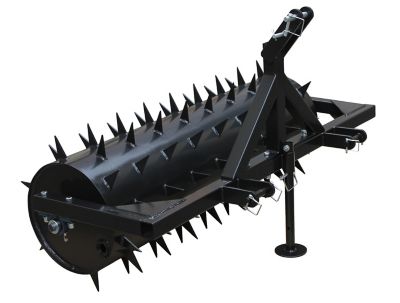
$1,099
.99
Sale Was $1,399.99 Save $300.00 (21%)

$98
.99
Sale Was $109.99 Save $11.00 (10%)
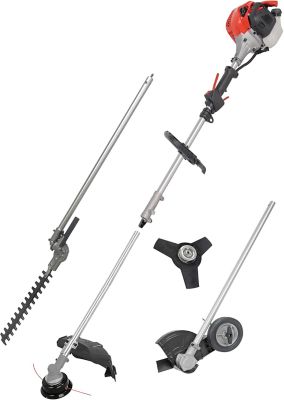
$199
.99
Sale Was $229.99 Save $30.00 (13%)

$152
.99
Sale Was $169.99 Save $17.00 (10%)

$71
.99
Sale Was $79.99 Save $8.00 (10%)
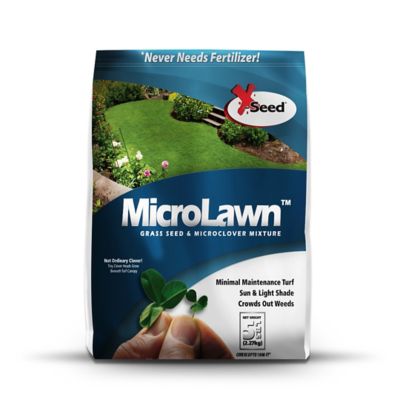
$18
.99
Sale Was $24.99 Save $6.00 (24%)
Best Of FAQ
What types of yard and lawn renovation supplies are commonly included in Fourth of July sales?
Fourth of July sales often feature a wide range of yard and lawn renovation supplies such as grass seed, fertilizer, soil amendments, mulch, garden tools, sprinklers, and lawn care equipment. These products help homeowners refresh and maintain their outdoor spaces during the summer season.
How can I prepare my lawn for renovation using supplies from a holiday sale?
To prepare your lawn for renovation, start by clearing debris and mowing the grass. Use aerators or dethatchers to improve soil health, then apply fertilizer or soil amendments as needed. Overseed bare patches and water thoroughly. Holiday sales are a great opportunity to stock up on these essential supplies.
Are there eco-friendly options available among yard renovation supplies during seasonal sales?
Yes, many retailers offer eco-friendly yard renovation supplies during seasonal sales, including organic fertilizers, natural mulch, compost, and manual garden tools. These products support sustainable landscaping practices while helping you achieve a healthy lawn.
What are some tips for choosing the right lawn care tools during a Fourth of July sale?
When selecting lawn care tools during a sale, consider the size of your yard and the specific tasks you need to accomplish. Look for well-made materials and ergonomic designs for comfort. Reading product descriptions and customer reviews can also help you make informed choices.
Can I find items to enhance my yard's appearance along with renovation supplies during holiday sales?
Absolutely! Many Fourth of July sales include items such as outdoor lighting, garden flags, planters, and patriotic-themed décor. These products can help you create an inviting atmosphere for holiday gatherings after renovating your yard.
Best Sellers
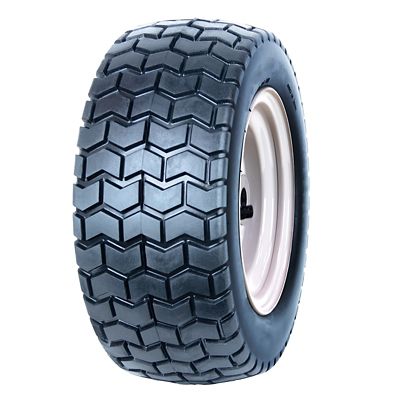
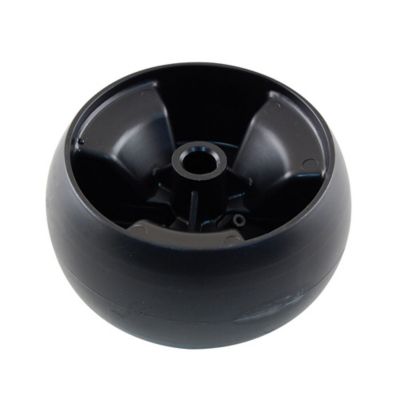

-
"Love it! Plenty of power, not to heavy. Does a great job mulching"
-
"Love love love this item"
-
"Great investment! Love the new griddle"
-
"Mower runs great,cut my mowing time in half. wish the staff would have had time to find the owners manual"
-
"Love my windmill. It looks great in my front yard"