Fourth Of July Sale On Yard Garden Accent
Get your outdoor space ready for summer celebrations with the Yard Garden Accent Fourth of July Sale. Spruce up your porch, patio, or backyard with festive touches that show off your patriotic spirit. Whether you’re planning a big barbecue or just want to add some red, white, and blue flair, you’ll find plenty of ways to make your yard the star of the neighborhood. Enjoy great deals and give your garden a fresh look just in time for the holiday fun.
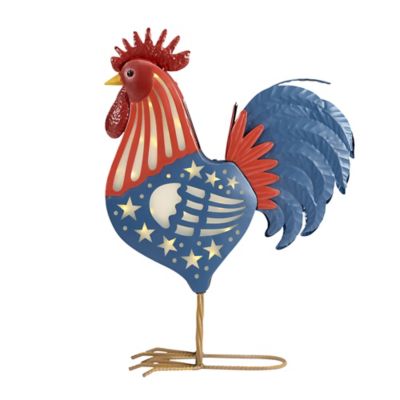
$14
.99
Sale Was $29.99 Save $15.00 (50%)
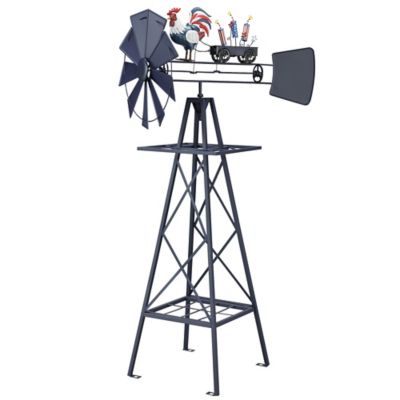
$49
.99
Sale Was $99.99 Save $50.00 (50%)

$12
.49
Sale Was $24.99 Save $12.50 (50%)
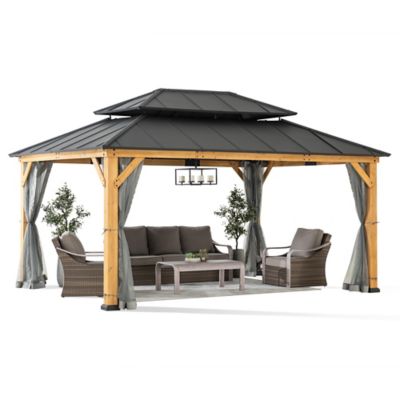
$1,199
.99
Sale Was $1,999.99 Save $800.00 (40%)
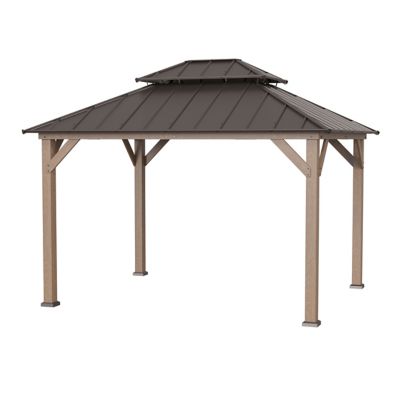
$1,615
.99
Sale Was $1,899.99 Save $284.00 (15%)

$1,524
.99
Sale Was $2,179.99 Save $655.00 (30%)
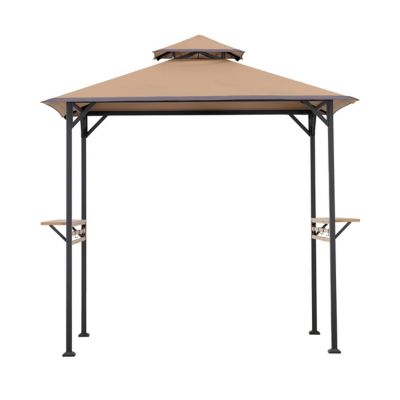
$163
.99
Sale Was $217.99 Save $54.00 (25%)
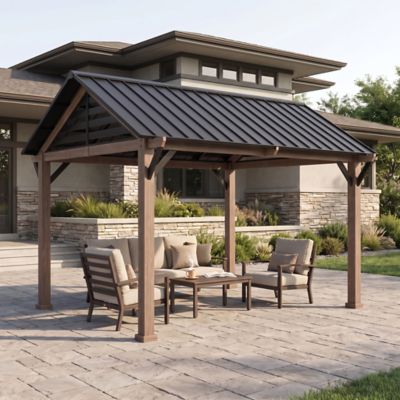
$1,199
.99
Sale Was $2,999.99 Save $1800.00 (60%)
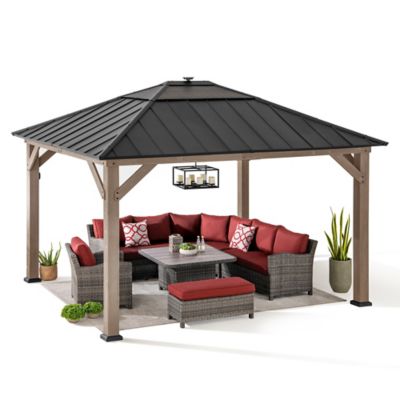
$899
.99
Sale Was $1,499.99 Save $600.00 (40%)
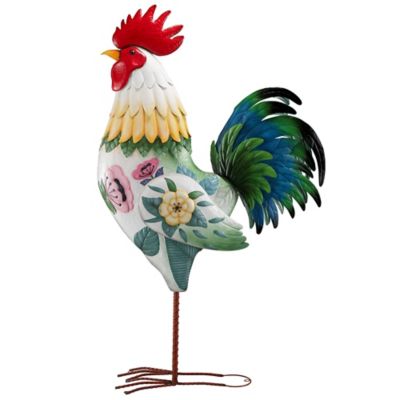
$149
.99
Sale Was $249.99 Save $100.00 (40%)
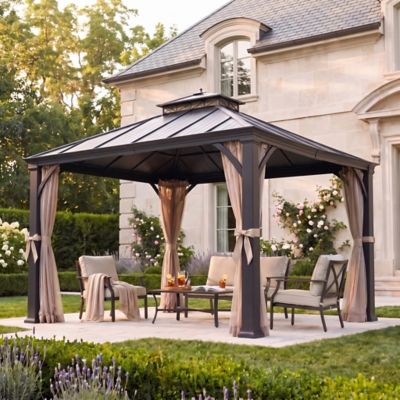
$699
.99
Sale Was $1,199.99 Save $500.00 (42%)
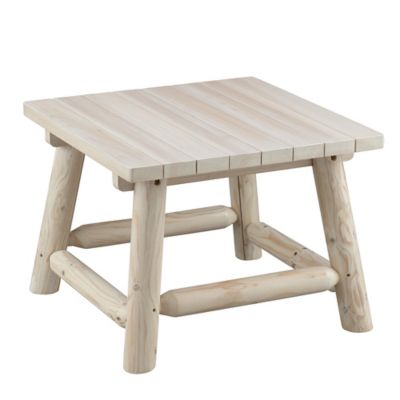
$34
.99
Sale Was $69.99 Save $35.00 (50%)
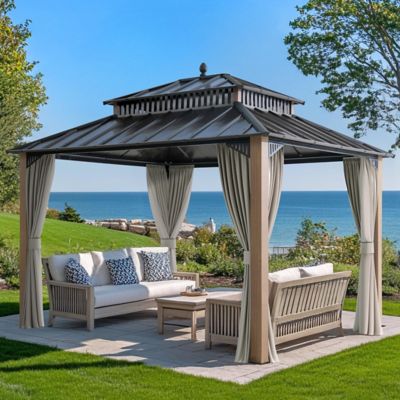
$901
.99
Sale Was $1,124.99 Save $223.00 (20%)
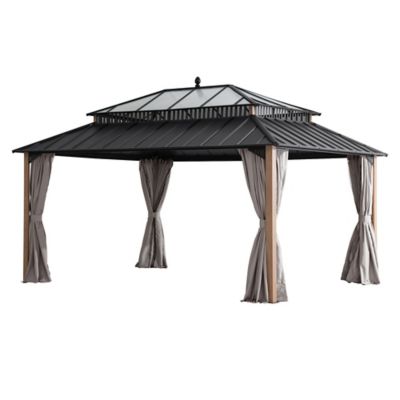
$1,190
.99
Sale Was $1,454.99 Save $264.00 (18%)
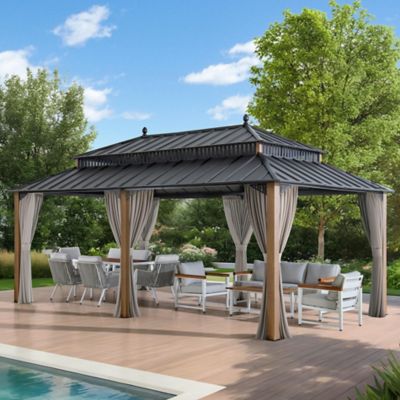
$1,354
.99
Sale Was $1,729.99 Save $375.00 (22%)
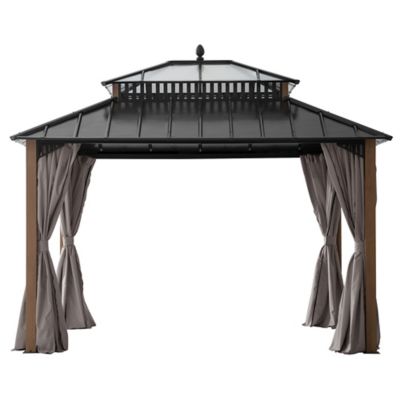
$901
.99
Sale Was $1,119.99 Save $218.00 (19%)
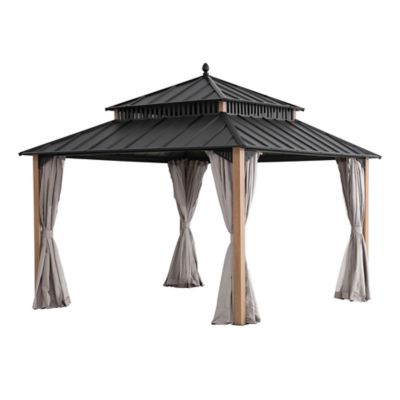
$981
.99
Sale Was $1,154.99 Save $173.00 (15%)
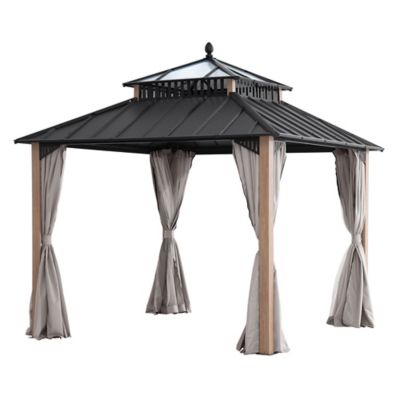
$779
.99
Sale Was $1,029.99 Save $250.00 (24%)
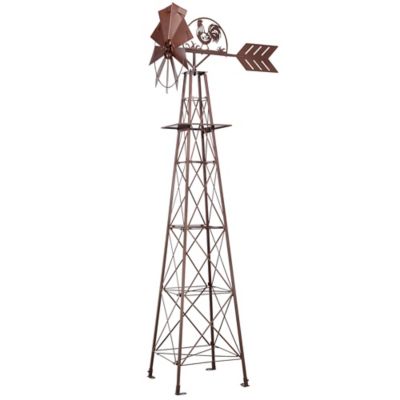
$99
.99
Sale Was $199.99 Save $100.00 (50%)
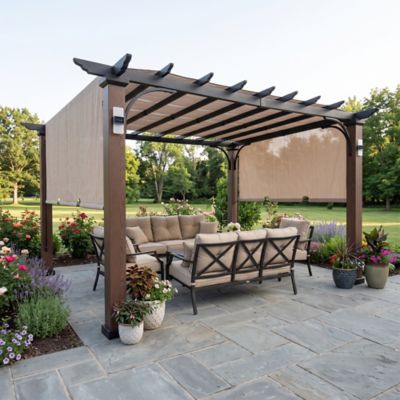
$637
.99
Sale Was $749.99 Save $112.00 (15%)
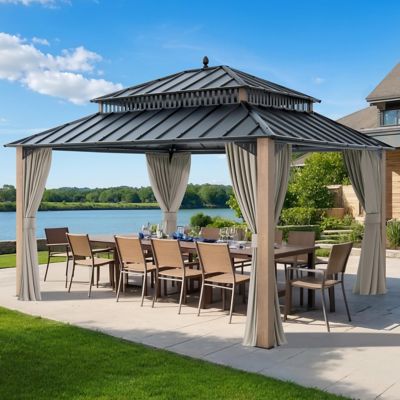
$1,072
.99
Sale Was $1,349.99 Save $277.00 (21%)
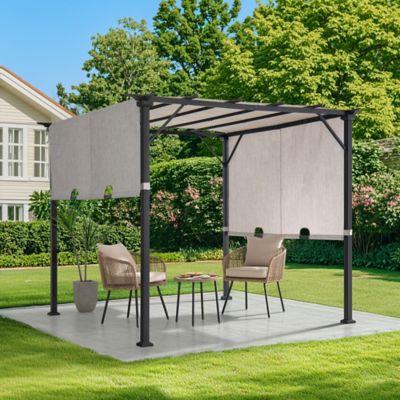
$207
.99
Sale Was $319.99 Save $112.00 (35%)


$1,006
.99
Sale Was $1,389.99 Save $383.00 (28%)
Best Of FAQ
What types of yard and garden accents are popular for Fourth of July celebrations?
Popular yard and garden accents for the Fourth of July include patriotic-themed flags, banners, lights, wind spinners, garden stakes, and outdoor figurines featuring red, white, and blue colors or stars and stripes motifs.
How can I use garden accents to create a festive atmosphere for Independence Day?
You can create a festive atmosphere by placing themed garden stakes along walkways, hanging patriotic banners on fences or porches, using string lights in red, white, and blue around your patio, and arranging planters with seasonal flowers in matching colors.
Are there weather-resistant options for outdoor Fourth of July decorations?
Yes, many yard and garden accents designed for the Fourth of July are made from weather-resistant materials such as metal, treated wood, or certain plastics to withstand outdoor conditions throughout the holiday season.
Can I reuse my Fourth of July yard decorations for other occasions?
Many patriotic-themed yard accents can be reused for other national holidays like Memorial Day or Labor Day. Neutral items like string lights or certain planters can also be incorporated into everyday outdoor setups.
What are some creative ways to display Fourth of July accents in my garden?
Consider grouping themed items around a central feature like a flagpole or fountain, lining pathways with star-shaped solar lights, or creating a focal point with a patriotic wreath on your front door. Mixing different textures and heights adds visual interest to your setup.
Best Sellers
-
"Love the table it’s a great addition"
-
"We love them so much, we bought them again"
-
"I love these because they are the best in helping me out to secure my outdoor spaces"
-
"Great quality and makes a great addition to my backyard garden"
-
"love my planter . Great deal perfect size"