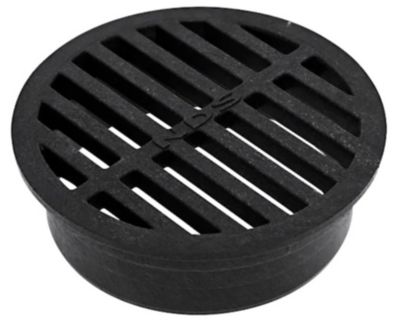
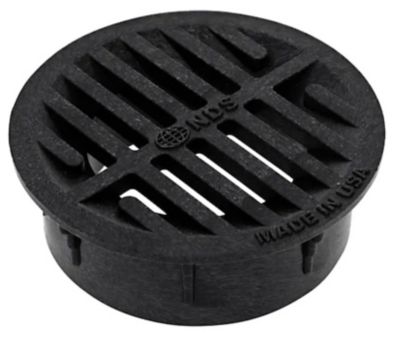
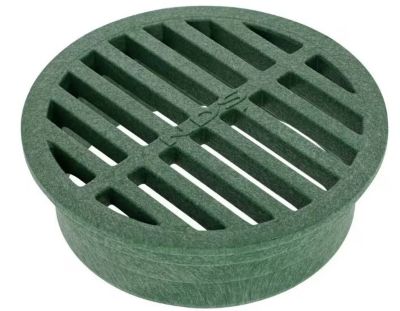
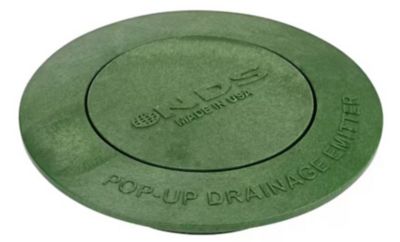
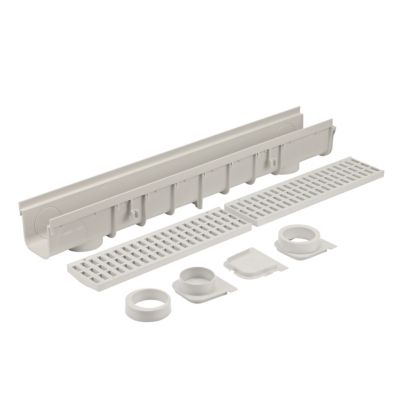
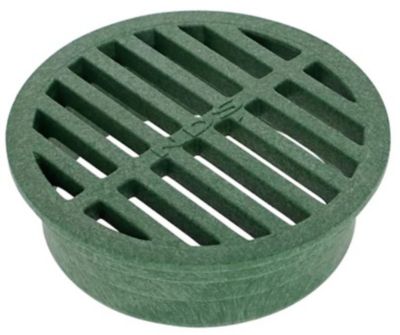
Stormwater drain grates help keep rainwater moving while stopping leaves, sticks, gravel, mulch, and other larger debris from washing into underground drainage lines. They’re commonly used around homes, barns, shops, garden areas, driveways, patios, walkways, livestock facilities, and commercial properties where runoff needs a clear path away from buildings and low spots. A properly matched grate sits over a catch basin, drain opening, or channel and provides a sturdy surface for water to enter without leaving an open hole in the ground. In a rural yard, that may mean protecting a drain near a downspout or keeping a wet spot beside the machine shed from turning into a muddy mess. Around a driveway or shop entrance, a grate can help collect sheet flow before it reaches the foundation or freezes into a slick patch during the cooler months. Choose the shape and style based on the drainage setup already in place. Square and round grates are often used with catch basins and pipe outlets in lawns, landscaped areas, walkways, and patios. Trench or channel grates are long, narrow covers designed to collect water across a wider area, making them a practical choice for driveways, pool decks, garage thresholds, wash bays, and other places where water travels in a broad sheet. Atrium-style grates have a raised, domed profile that helps keep leaves and landscape debris from lying flat over the opening, which can be especially useful in flower beds, low areas, and uneven ground where water and mulch tend to gather. Before ordering, measure the opening, basin, or channel carefully, and check the manufacturer’s listed dimensions rather than relying on an old cover that may have shifted over time. The grate should fit the drainage system securely, sit level or at the intended slope, and leave enough open area for water to enter freely.
Material and load rating are just as important as size. Plastic and polymer grates are lightweight, rust-resistant, and easy to handle during a do-it-yourself drainage project. They’re often a good fit for residential foot traffic, lawns, garden paths, patios, and lightly used landscaped areas, especially where a metal grate would be more weight than the job requires. For additional details on this type of material, see
Plastic Drainage Grates. Steel, cast iron, and ductile iron options are built for tougher conditions and may be better suited to driveways, farm lanes, loading areas, parking spaces, or places where equipment and vehicles pass over the drain. Keep the expected traffic in mind: a cover used only by people and lawn equipment does not face the same demands as one under a pickup, tractor, trailer, or commercial truck. Load ratings can vary by design and installation, so check the stated rating and make sure the supporting basin, frame, concrete, or surrounding surface is strong enough to carry that weight. For areas open to the public, walkways, porches, and places used by guests, look for heel-proof or ADA-conscious slot spacing that helps keep shoe heels, cane tips, small wheels, and other items from catching. Narrow slots can also make a surface more comfortable to cross while still allowing runoff to drain. Color and finish may matter in visible landscape areas, while corrosion resistance is worth considering anywhere the grate will see standing water, fertilizer, road salt, animal waste, or frequent washing. A grate is only one part of a working drainage system, so think about the basin depth, pipe size, outlet location, slope, and soil conditions before starting. Clay soil, compacted driveways, and flat ground may need a different approach than sandy soil or a naturally sloped yard. When replacing an existing cover, inspect the frame and surrounding concrete or soil for settling, cracks, or washout. A new grate cannot correct a broken support or an undersized drain by itself.
Installation and upkeep go a long way toward keeping stormwater drainage dependable through changing weather. Set the drain where runoff naturally collects, but avoid placing it where loose soil, gravel, bedding, or mulch will wash directly across the opening. The top of the grate should generally be level with the surrounding surface or positioned according to the drainage plan, with no sharp edge or raised corner creating a trip hazard. Use the proper frame, fasteners, bedding, and concrete or base material for the application, and follow the instructions that come with the drainage system. In areas with heavy rain, more than one inlet may be needed to handle runoff from a large roof, hillside, or paved surface. Keep downspouts directed toward a suitable drainage point, and do not send water toward a neighbor’s property, septic area, foundation, or animal pen. A quick look after strong storms can catch trouble early. Clear leaves and twigs from the grate, lift the cover only when it is safe to do so, and remove buildup from the basin before it reaches the outlet pipe. During periods of falling leaves, check more often, particularly beneath trees and along fence lines where windblown debris collects. If water begins standing longer than usual, the drain may have a blocked grate, full catch basin, clogged pipe, or settled area around the inlet. Use gloves and appropriate tools when cleaning, and never enter a deep basin or confined drainage space. Stormwater drain grates are useful for homeowners, farmers, property managers, contractors, landscapers, and anyone maintaining a place where runoff needs to be controlled. They also make a practical addition to a new-shop, barn, kennel, greenhouse, or landscape project because a well-planned drain helps protect foundations, walkways, driveways, and working areas from repeated water damage. With the right style, material, dimensions, and load rating, a stormwater grate can quietly do its job through wet weather, dry spells, falling leaves, and everyday traffic.