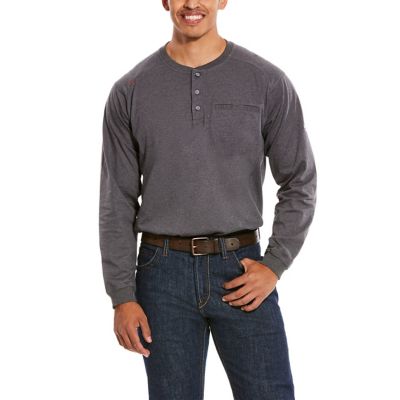
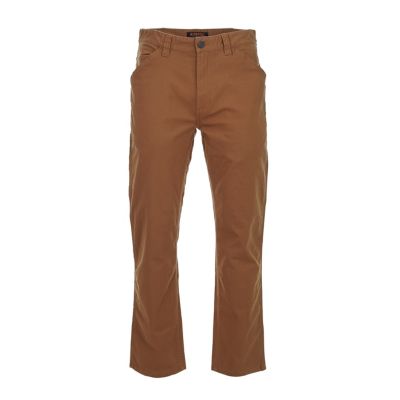
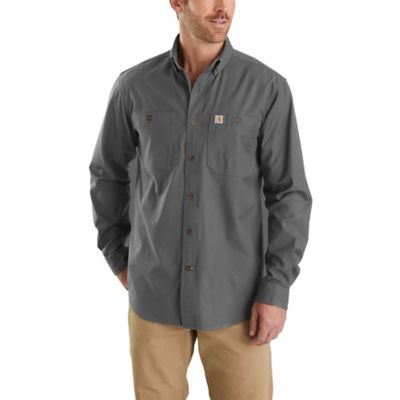
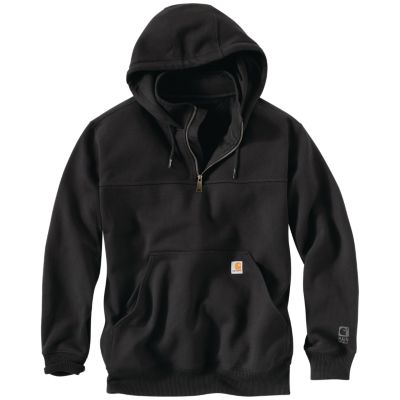
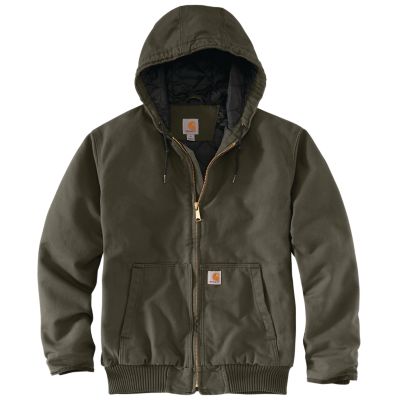
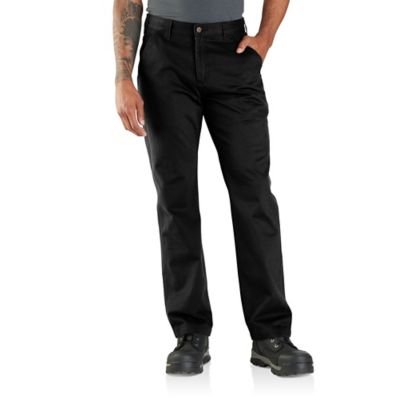
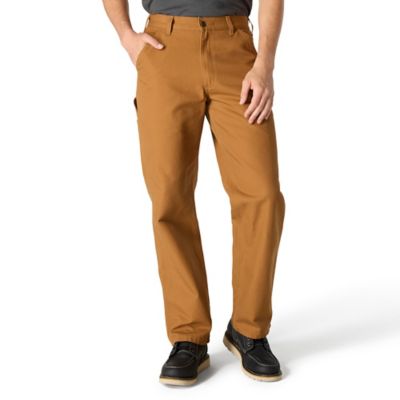
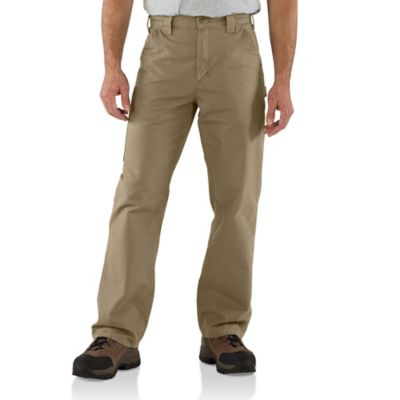
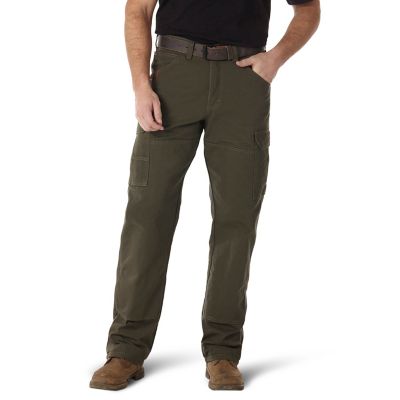
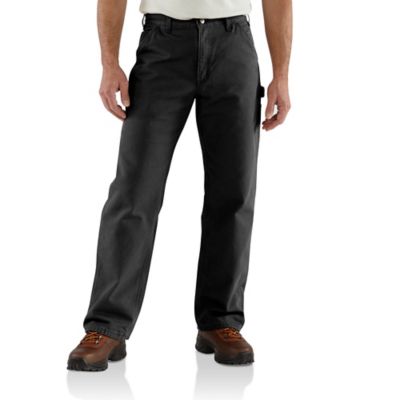
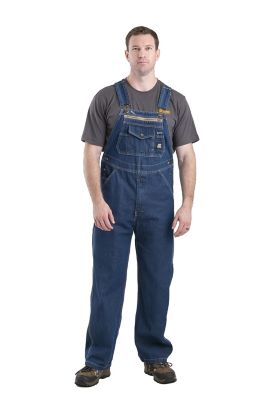
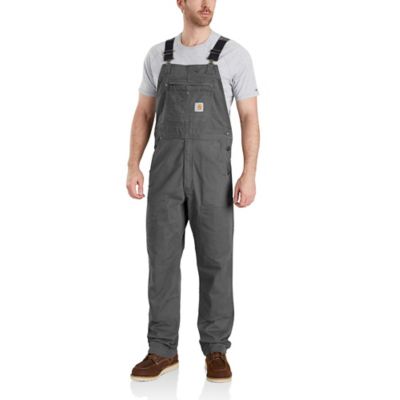
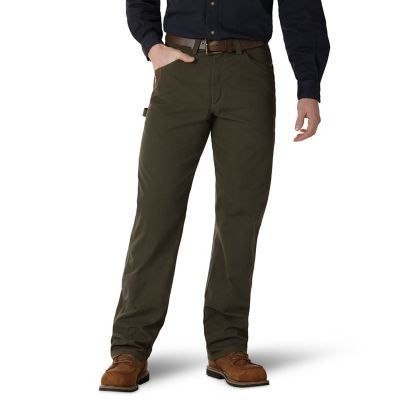
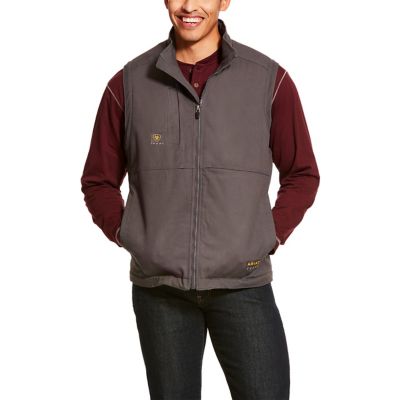
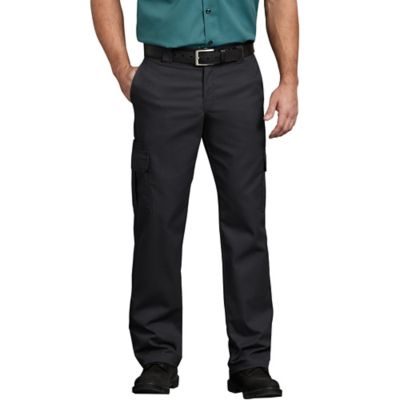
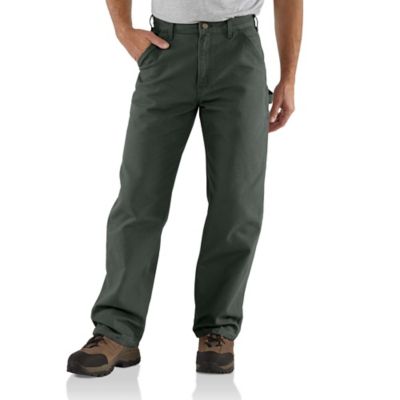
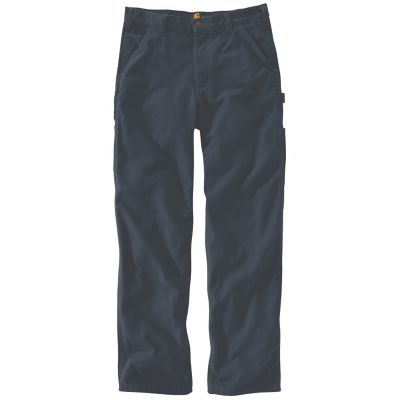
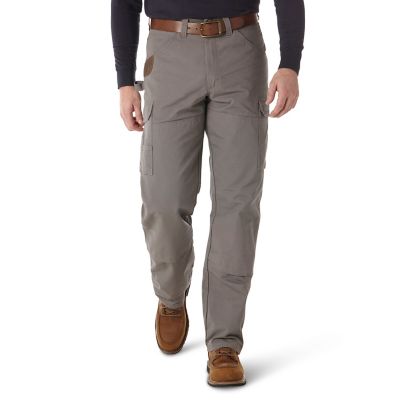
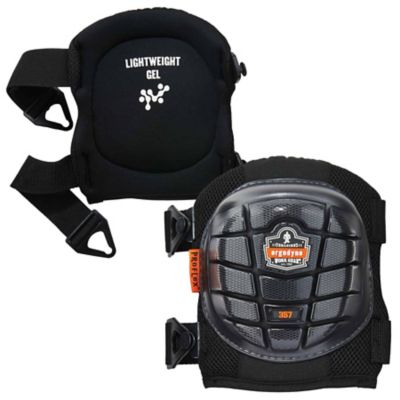
Work clothes for electricians need to hold up to the kind of work that leaves a mark on ordinary clothing. Wiring a new house, working inside a crowded service panel, pulling cable through an unfinished building, or making repairs in a commercial space can mean kneeling on rough flooring, squeezing between studs, climbing ladders, and carrying tools from one end of a job site to the other. The right clothing helps an electrician move freely while standing up to sharp edges, concrete dust, sawdust, grease, and daily wear. Look for work pants made from durable canvas, duck, denim, or flexible utility fabric, with a fit that allows a full stride and a comfortable crouch. Reinforced knees and seat areas can add useful durability, while secure pockets help keep a tape measure, marker, small hand tools, fasteners, and a phone close at hand without filling every pocket with loose items. Cargo pockets are handy when they stay flat and out of the way, especially when climbing or working in tight spaces. For jobs that require frequent kneeling at outlets, junction boxes, or floor-level wiring, pants with built-in knee protection or openings for compatible knee inserts may help ease the strain of a long day. Shirts should offer enough room through the shoulders for reaching overhead, with sleeves that stay put when working around equipment. Moisture-wicking layers can feel more comfortable as the weather warms, while sturdy cotton or blended work shirts add dependable coverage and resist everyday abrasion. During cooler months, layering makes it easier to move between a chilly job site, a heated vehicle, and a warm attic or mechanical room. A base layer, work shirt, and flexible outer layer can provide warmth without making a tool belt feel bulky. High-visibility garments may also be useful where electricians work around moving equipment, traffic, or other crews, but visibility clothing should always match the requirements of the site and the employer.
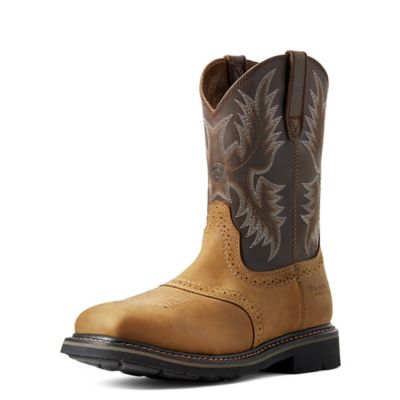
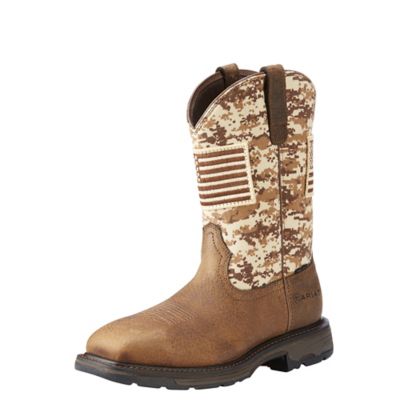
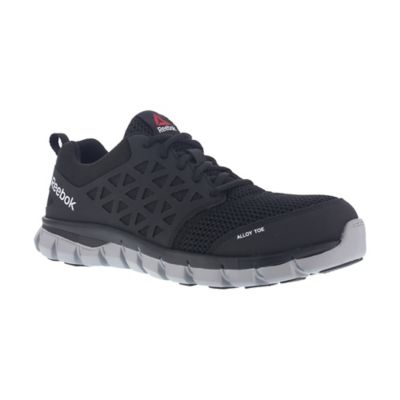
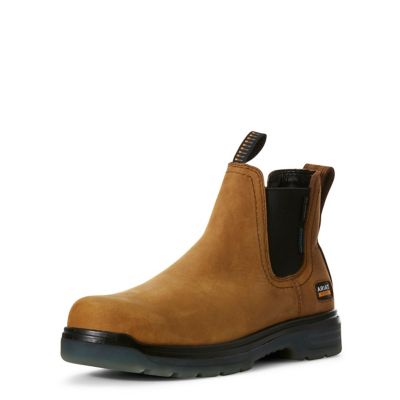
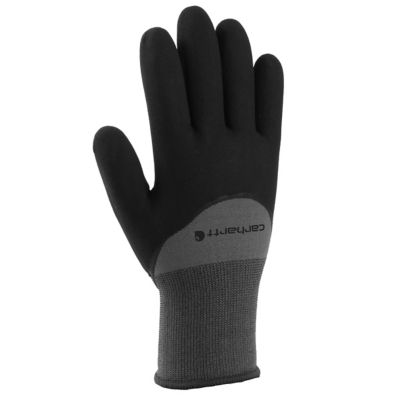
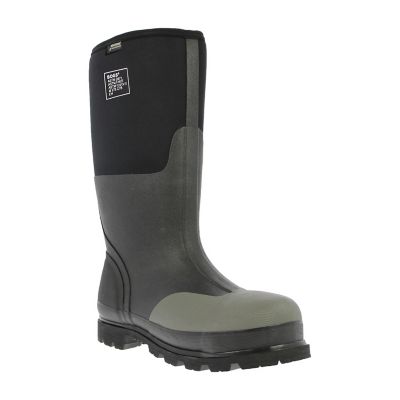
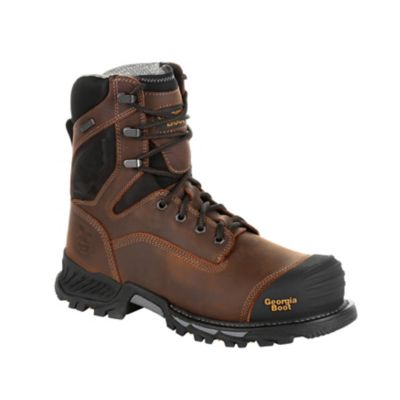
Safety is part of choosing electrician workwear, but clothing alone never replaces training, lockout and tagout procedures, proper testing, or the rules set by the job site and applicable safety standards. Electricians working around possible arc-flash hazards may need flame-resistant clothing that is properly rated for the task, along with other required protective equipment. Flame-resistant garments are designed for specific hazards and must be selected, worn, washed, and replaced according to their labels and workplace policies. They are not the same as ordinary cotton clothing, and a garment that looks sturdy may not provide the protection required for energized work. Pay attention to fit as well. Sleeves and pant legs should provide coverage without hanging loose near machinery, and shirts should stay tucked or otherwise secured when the work calls for it. In some settings, non-metallic snaps, zippers, or other non-conductive hardware may be preferred to reduce the chance of unwanted contact, though the required protective system depends on the job. Footwear deserves the same care as the rest of the outfit. Safety-toe boots with electrical hazard protection can provide an additional layer of protection when they are appropriate for the work, properly rated, and kept in good condition. A composite toe may suit someone who wants a lighter feel, while a steel toe offers a different balance of protection and weight. Check the sole for good traction before working on ladders, rooftops, damp ground, or dusty floors, and replace boots when the tread, upper, or protective construction is worn out. Work gloves, eye protection, hard hats, hearing protection, and high-visibility gear may also be required depending on the task. Browse
Safety Equipment For Electricians to help round out a work-ready setup, keeping in mind that an employer, safety professional, or equipment manufacturer is the best source for requirements tied to a particular voltage, environment, or type of electrical work.
Electrician work clothes can be useful for residential service technicians, commercial crews, industrial maintenance workers, utility contractors, apprentices, and handy homeowners who spend time on wiring and electrical repair projects. A residential electrician may value flexible pants and breathable shirts for moving through attics, crawl spaces, finished rooms, and outdoor projects in the same day. Someone working in a commercial or industrial setting may need tougher layers, high-visibility details, flame-resistant clothing, and footwear selected for the hazards listed by the site. An apprentice building a first work wardrobe can get plenty of use from a few durable pairs of pants, comfortable shirts for layering, a weather-ready jacket, and boots that fit properly from the start. These items also make practical gifts for a new apprentice, a tradesperson starting with a new crew, or a family member who spends weekends repairing buildings, barns, workshops, and outbuildings. Fit matters more than a roomy appearance alone: clothing should allow bending and reaching while staying clear of moving parts and not interfering with a tool pouch or harness. Check care instructions before washing flame-resistant garments or other specialty workwear, since the wrong detergent, treatment, or dryer setting can affect performance. Keep an extra shirt and a dry pair of socks in a truck or job box for muddy ground, sudden rain, or a long repair call, and choose outerwear that can handle changing conditions without restricting arm movement. As the weather warms, lighter fabrics and ventilation can make a noticeable difference during attic work and outdoor installations. When cooler weather settles in, insulated layers, durable jackets, and weather-resistant footwear help keep an electrician comfortable while traveling between jobs or working in open structures. With the right balance of durability, mobility, storage, visibility, and task-specific protection, work clothes help an electrician stay focused on the job from the first panel inspection to the last coil of wire put away.