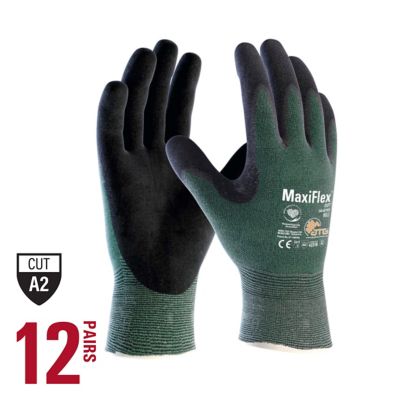
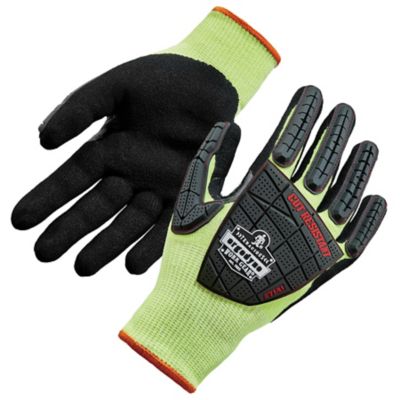
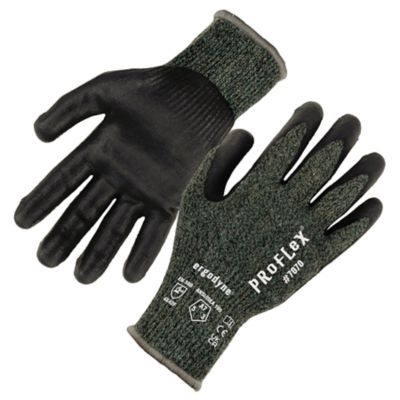
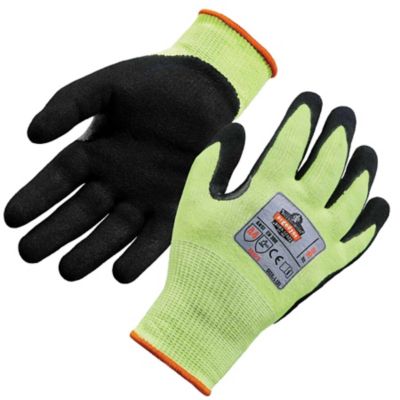
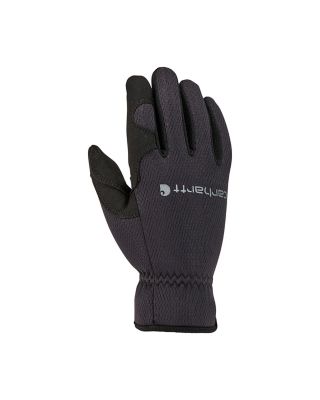
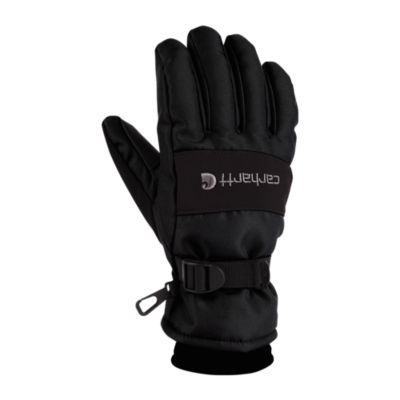
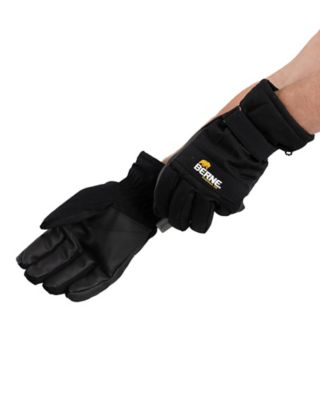
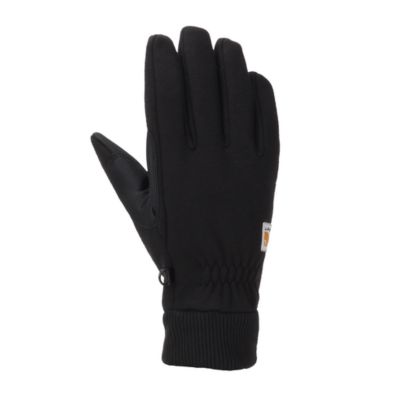
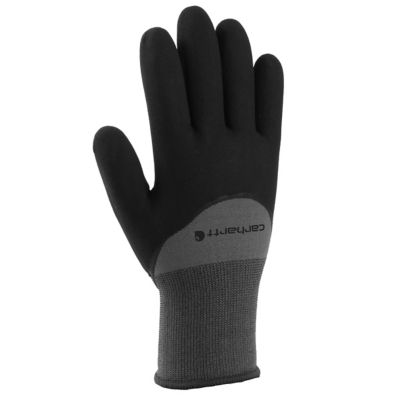
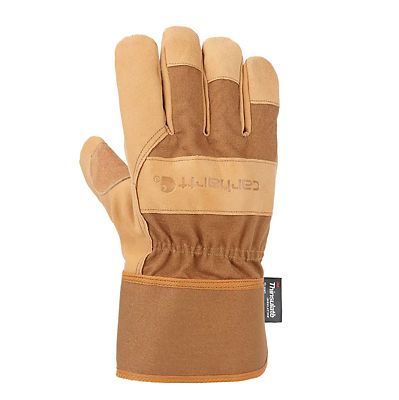
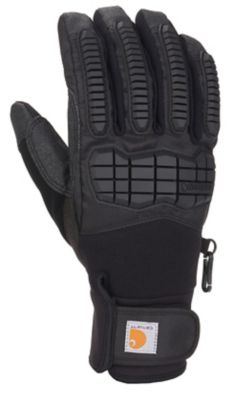
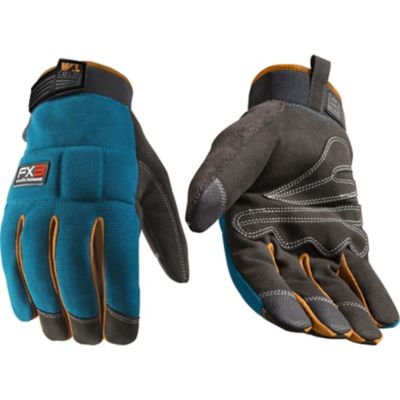
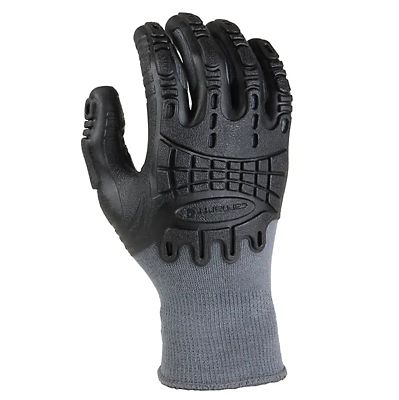
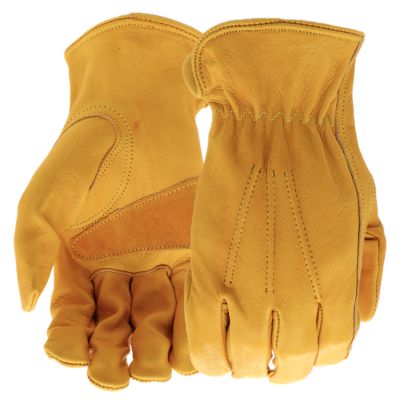
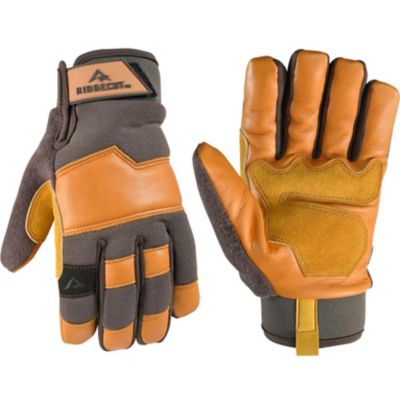
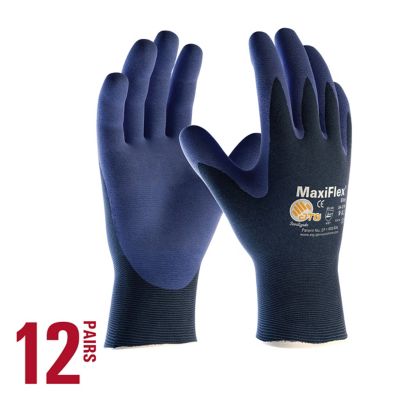
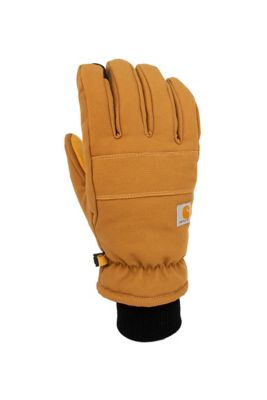
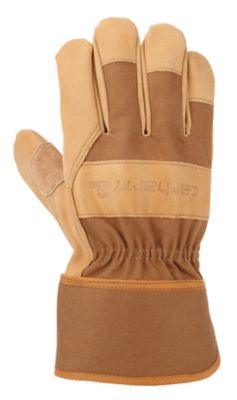
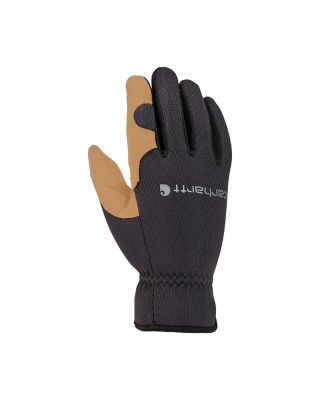
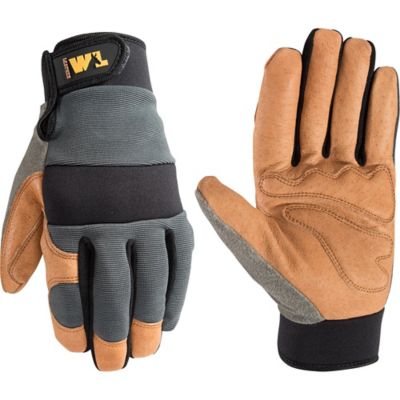
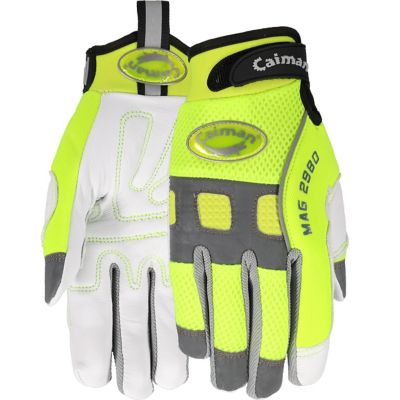
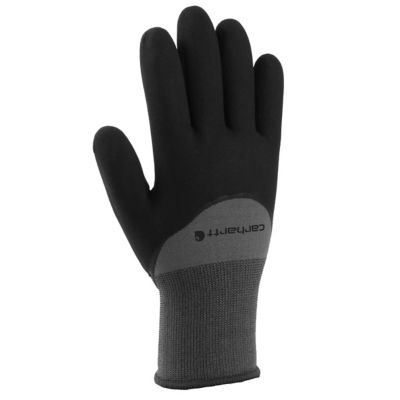
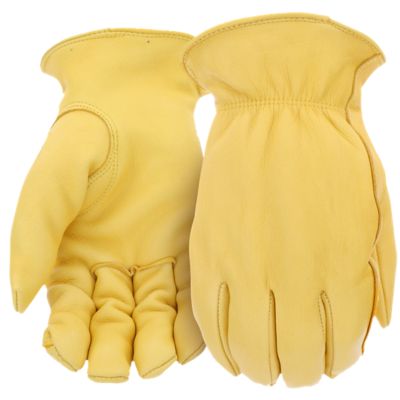
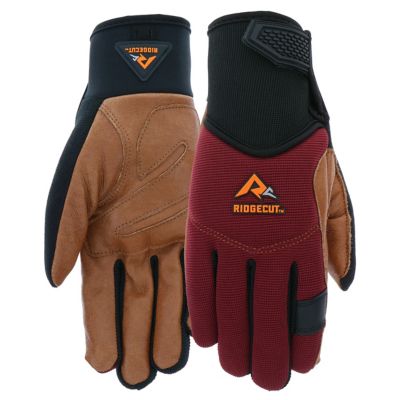
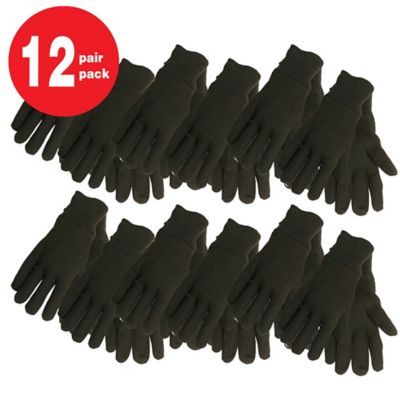
Work gloves for electricians help make long days on the job more comfortable while adding protection for the hands during wiring, installation, maintenance, and general electrical work. The right pair depends on the task at hand. Utility-style work gloves are useful for pulling cable, handling conduit, mounting boxes, working with fasteners, and using hand tools around a jobsite. Look for a snug, flexible fit that lets you feel small hardware without leaving your fingers exposed to rough edges, splinters, burrs, and abrasion. A coated or textured palm can improve grip when wire, conduit, or tools are dusty, damp, or awkward to hold, while a breathable back helps keep hands from getting clammy as the weather warms or the work stretches through a long shift. Reinforced fingertips and thumb areas can be helpful for repetitive jobs, especially when feeding wire through tight spaces or carrying bundles of material. Cuffs also deserve a close look. A longer cuff can help keep dirt and debris out, while a low-profile cuff may slide more easily beneath a shirt sleeve or jacket during work in a finished room. Electricians, maintenance crews, remodelers, low-voltage installers, telecommunications workers, solar installers, and handy homeowners may all find these gloves useful for non-energized tasks. They can also make a practical gift for an apprentice, a tradesperson setting up a tool bag, or someone who spends weekends improving an older house, barn, shop, or outbuilding. Keep in mind that ordinary leather, coated, or mechanic-style gloves are not designed to insulate against electricity. They should never be used as protection for contact with energized parts, regardless of how thick or rugged they feel.
For energized electrical work, choose only voltage-rated insulating gloves that match the voltage and the requirements of the job. These gloves are generally made from specially tested rubber or another approved insulating material, and their class rating identifies the maximum use voltage for which they are intended. Class 00 gloves are commonly rated for up to 500 volts AC, while Class 0 gloves are commonly rated for up to 1,000 volts AC; higher classes are made for higher-voltage utility and industrial applications. Ratings, markings, and approved uses can vary, so read the glove label, certification information, and manufacturer instructions before putting them into service. Insulating gloves must also be the right size. A glove that is too tight can restrict movement and fatigue the hands, while one that is too loose may bunch at the fingertips and make it harder to control a screwdriver, cutter, or conductor. Before each use, inspect the rubber in a bright, clean area for cuts, pinholes, cracks, swelling, stiffness, embedded debris, or other damage. An air test, performed according to the applicable safety procedure, can help identify a small leak that is difficult to see. Store insulating gloves in a clean, dry protective bag or container away from sunlight, heat, moisture, chemicals, oils, sharp tools, and folded or compressed positions. They also need periodic electrical testing and recertification at the interval required by applicable standards, workplace rules, and the manufacturer; six-month retesting is a commonly referenced interval, but the job's safety program controls. Insulating gloves are normally worn with leather protector gloves over them. The outer gloves help guard the rubber against punctures, cuts, and abrasion, but they do not replace the insulating pair and should be sized to fit over it without restricting movement. Neither glove type should be treated as a substitute for shutting off power, locking out and tagging out equipment, verifying the absence of voltage with properly rated test equipment, or following a qualified employer safety program.
When comparing work gloves for electricians, start with the kind of electrical work and hand protection needed rather than choosing by color or appearance. For cable pulling and rough material handling, prioritize grip, abrasion resistance, reinforced construction, and a dependable fit. For tasks involving small connectors, terminals, and fasteners, flexibility and fingertip control may matter more than heavy padding. In cooler conditions, insulation and a cuff that works well with layered clothing can make outdoor service calls more manageable, while breathable materials remain valuable when moving between a warm attic, a drafty crawl space, and an air-conditioned work area. Consider keeping more than one style in the tool bag: a flexible pair for installation work, a tougher pair for handling conduit and lumber, and properly rated insulating equipment for the specific energized-work procedures allowed by the job. Gloves should be clean and dry before use, replaced when worn through or damaged, and kept separate from sharp tools that can compromise the material. A supervisor, safety manager, or qualified electrical professional can help determine the required class rating, testing schedule, and additional protective equipment. For a broader look at jobsite essentials, including hand, eye, head, hearing, and other protective gear, visit
Safety Equipment For Electricians. Whether the work takes place in a new build, a rural shop, a commercial property, or a lived-in home, dependable gloves can help reduce hand fatigue and everyday jobsite wear while supporting a steadier grip. The best pair is the one that fits the work, fits the hand, and is used within its clearly stated safety limits.