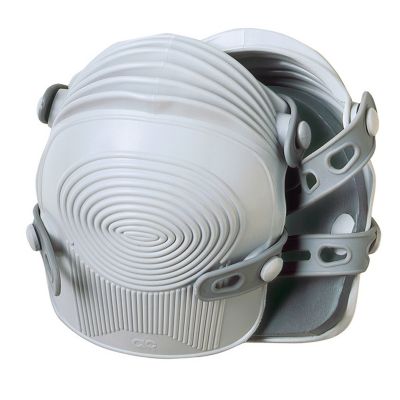
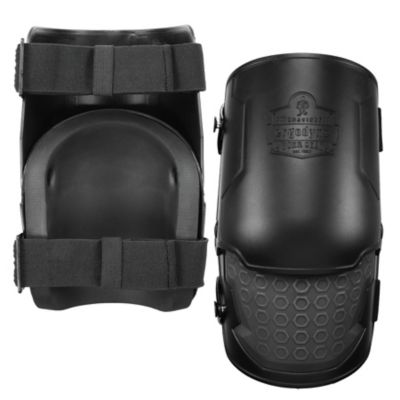
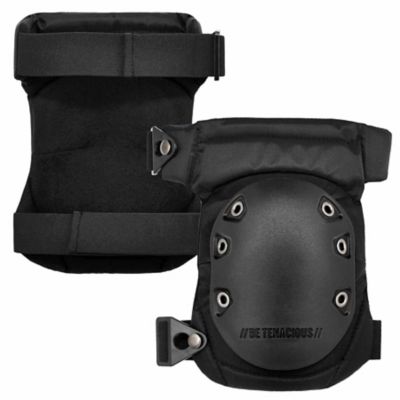
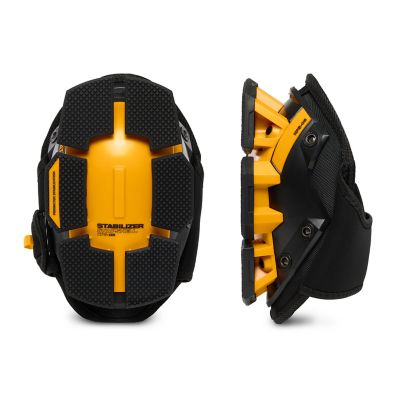
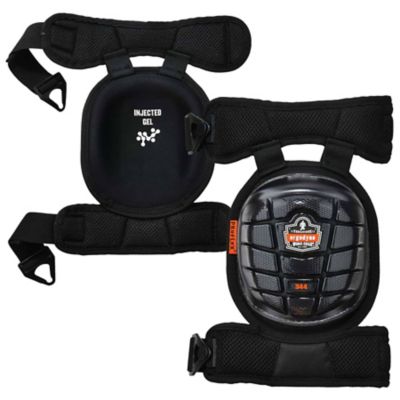
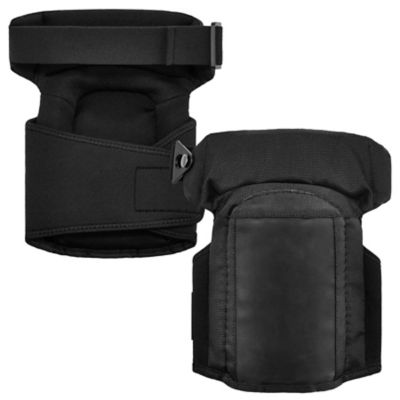
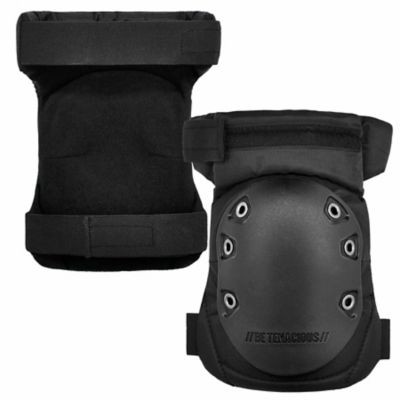
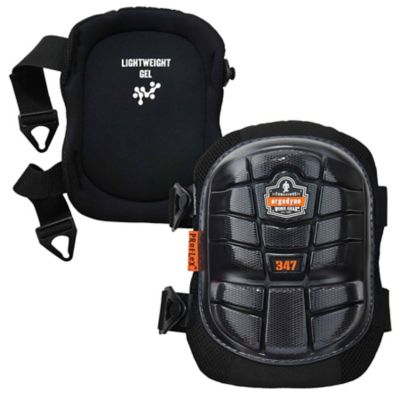
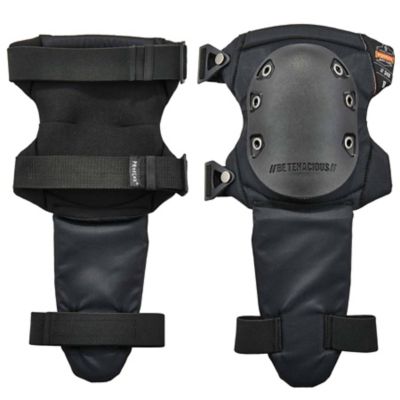
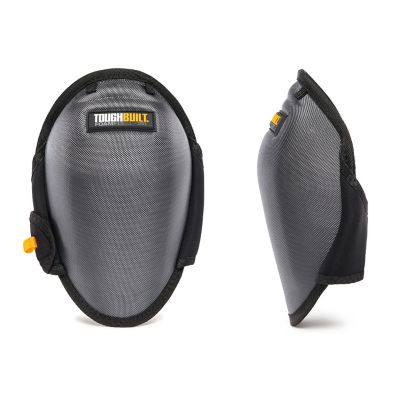
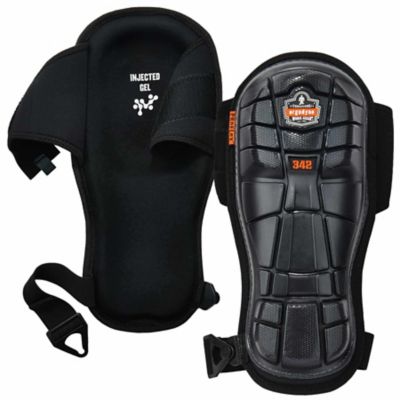
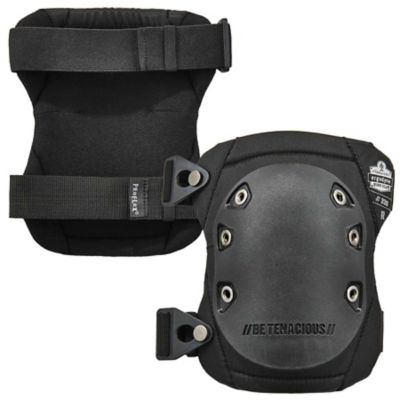
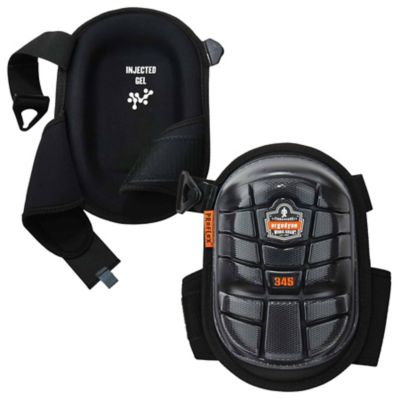
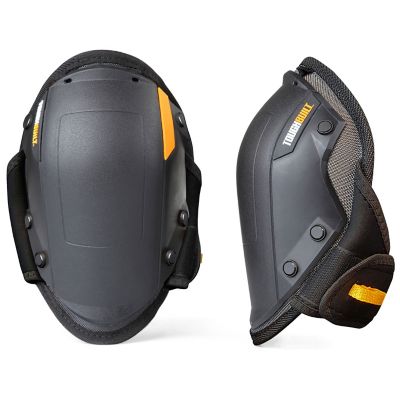
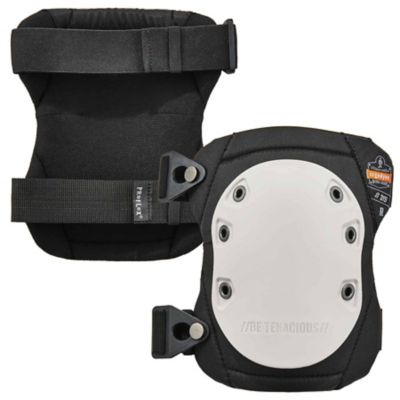
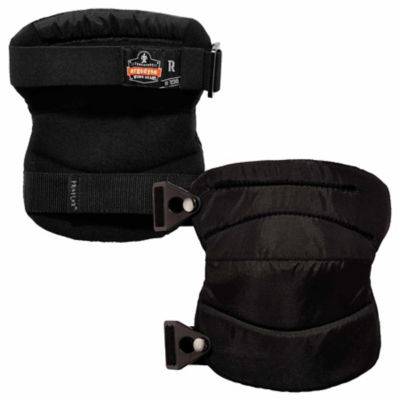
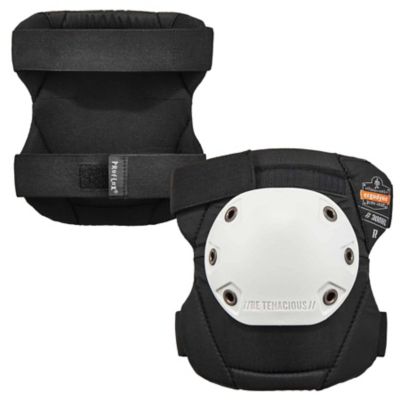
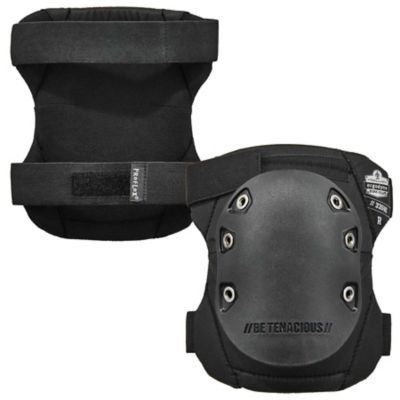
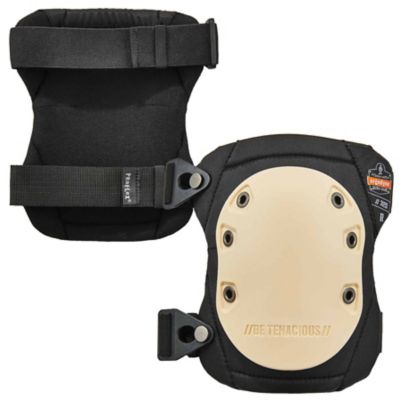
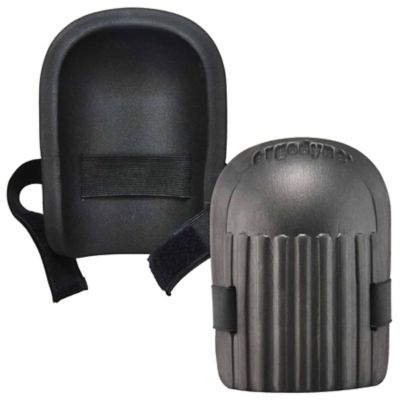
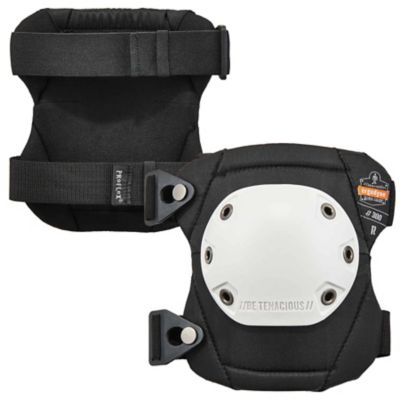
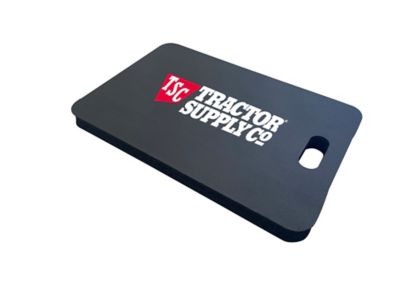
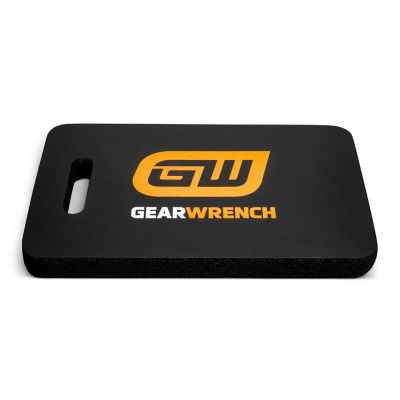
Knee pads for electricians can make a long day of wiring, trimming, and installing equipment a whole lot easier on the body. Electrical work often means spending time on finished floors, concrete slabs, crawl spaces, attics, and rough job sites where kneeling is part of the job rather than an occasional task. A dependable pair helps cushion the knees while you work around outlets, baseboards, cabinets, lighting, conduit, and service panels. They can also be useful for maintenance crews, remodelers, HVAC technicians, plumbers, low-voltage installers, home inspectors, and handy folks tackling repairs around the house or farm. When choosing knee pads, start with the type of work you do most. If you move from room to room, climb ladders, or walk across a busy construction site, look for a lightweight, low-profile design that stays close to the leg and does not bind behind the knee. Hinged or articulated styles can allow more natural movement when stepping, crouching, and climbing, while flexible designs help keep the pad from feeling stiff every time you stand up. For jobs that involve long stretches on the floor, gel, foam, or multilayer cushioning can provide more comfort than a thin shell alone. A little extra padding can be especially welcome when working on hard concrete or subfloors during a wiring installation, when the same kneeling position may be held for several minutes at a time.
Strap design matters just as much as padding. Knee pads that slide down toward the shins can become distracting and leave the knee exposed, while straps that are too tight can rub or restrict movement. Many workers prefer an upper strap positioned above the knee joint, paired with a lower strap that helps keep the pad centered without squeezing the calf. Wide, soft, woven, neoprene, or similarly comfortable straps may be easier to wear through a full shift than narrow straps that dig in. Fast-snap or quick-release buckles can save time when moving between tasks, especially when pads need to come off before climbing into a truck or heading into a finished office. Check the fit over the pants you normally wear, including heavier work pants during cooler weather, and make sure the fastening system can be adjusted without a struggle. External strap-on pads are convenient when you want to use them with several pairs of work pants, while pants with built-in knee-pad pockets offer a cleaner feel and keep the pads tucked close to the leg. Whichever style you choose, the pad should stay in place when you walk, squat, kneel, and stand. A cap made from soft rubber or another non-marring material is a smart choice for residential remodels, commercial interiors, and other work where finished flooring needs protection. Flat or smooth caps can help reduce the chance of scuffs and scratches, while a longer or more abrasion-resistant cap may offer added stability on rough surfaces. For electricians who spend time outdoors, a tougher exterior can help handle gravel, framing lumber, and uneven ground; for indoor work, a softer cap and a flexible profile may be more important than aggressive traction.
Comfort and mobility are worth considering alongside durability. Breathable materials, vented construction, and moisture-managing straps can help prevent a hot, sweaty feeling during late-summer jobs or in warm attics, while secure closures and adjustable padding remain helpful during cooler months when thicker clothing changes the fit. Look for sturdy stitching, reinforced contact areas, and materials that can be wiped clean after a day around dust, sawdust, insulation, or job-site grime. Knee pads should complement other protective equipment, not replace safe work practices, and they are not a substitute for proper ladder setup, stable footing, or following the manufacturer’s instructions. It is also a good idea to check whether the design is intended for the surfaces and tasks you handle most often, since a pad built for crawling across rough construction areas may feel bulkier than necessary on polished floors. Electricians who regularly install flooring, work beneath counters, or kneel on finished surfaces may also want to browse
Knee Pads For Flooring Professionals for additional ideas. A well-fitting pair can be a practical gift for a working electrician, apprentice, contractor, or do-it-yourselfer, particularly when paired with other everyday job-site essentials. The best choice is the one that feels secure without pinching, cushions the knee without making movement awkward, and stands up to the mix of ladders, concrete, finished floors, tight spaces, and changing work conditions that come with the trade.