Wood Stains For Doors
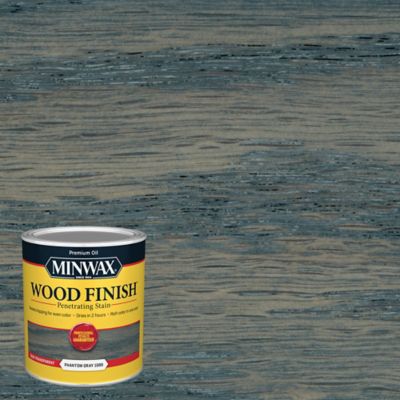
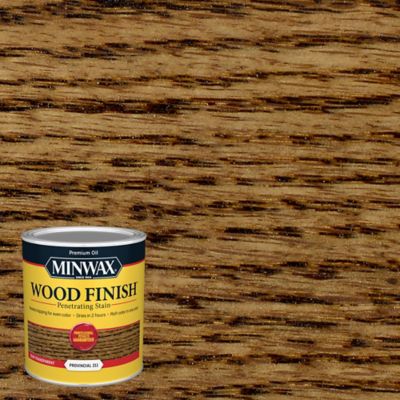
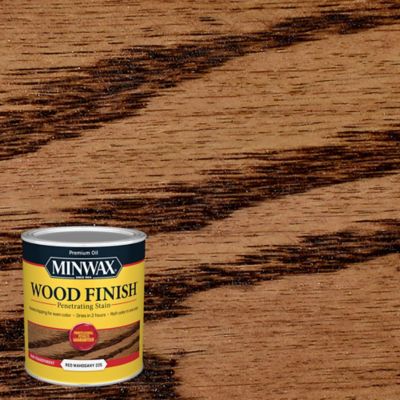
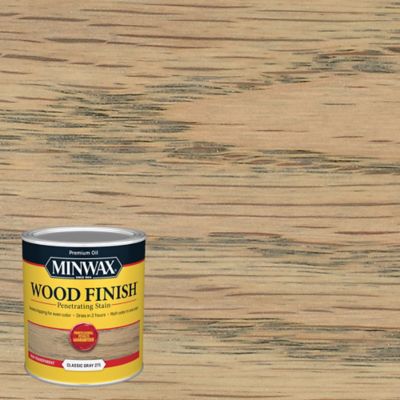
Find wood stains for doors to refresh the color and bring out the grain on your next project. As you browse, compare stain colors and check each label for compatibility with your door’s wood type, existing finish and indoor or outdoor location.
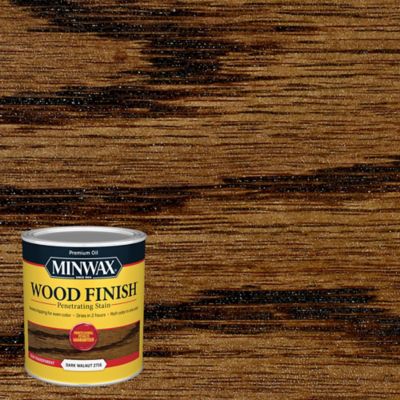
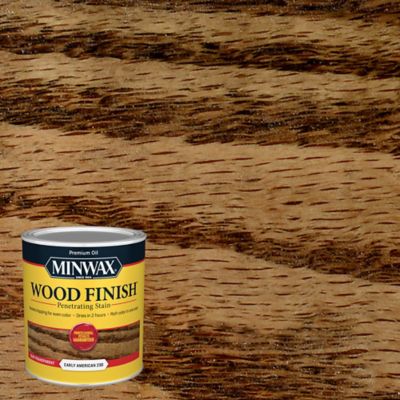
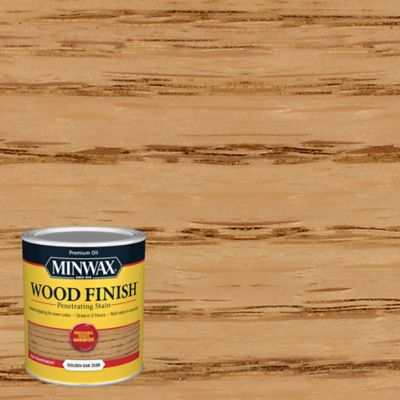
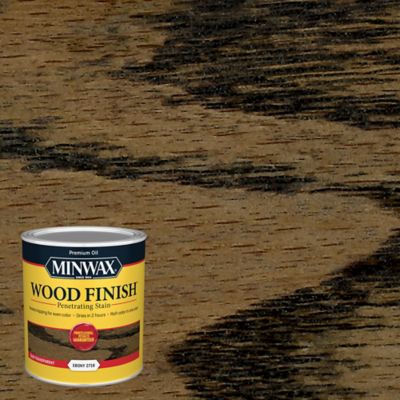
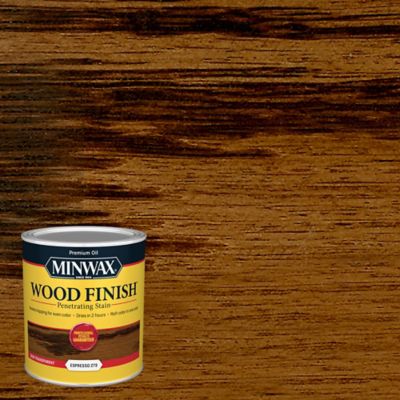
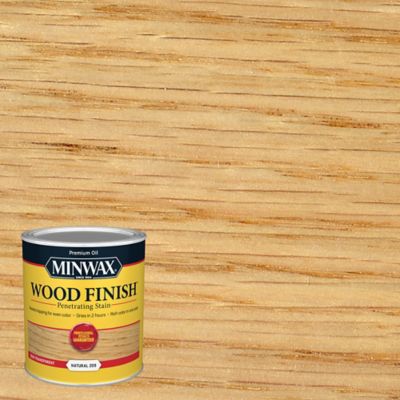
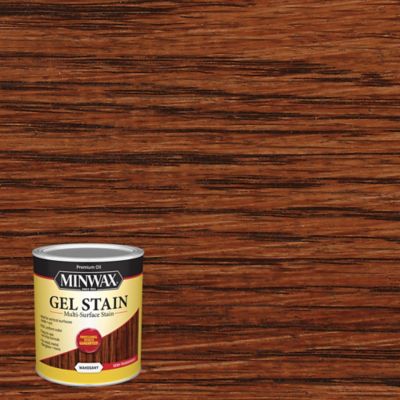
Best Of FAQ
What's the difference between wood stain and paint for doors?
Wood stain adds color while generally letting the wood grain show through. Paint creates a more opaque finish that covers most of the wood's natural pattern. Stain is a good fit when you want the wood's character to be part of the look.
How do I choose a wood stain color for my door?
Start with the colors already around your door, including the siding, flooring and trim. Lighter tones keep the look easygoing, warm browns feel traditional, and darker tones create contrast. Try a sample on matching scrap wood or an out-of-the-way spot before settling on a color.
Why can the same stain color look different on different wood doors?
The wood's natural color, grain and porosity all affect the final shade. Sanding and any existing finish can also change how the wood takes in stain. Treat a color swatch as a starting point rather than an exact match for your door.
What's the difference between gel stain and liquid wood stain?
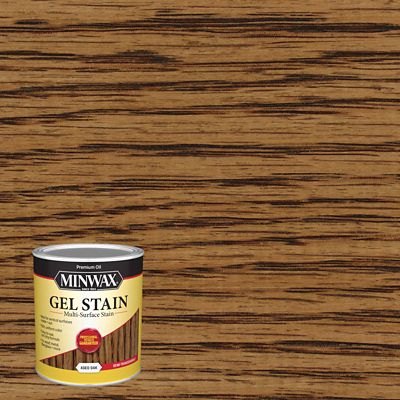
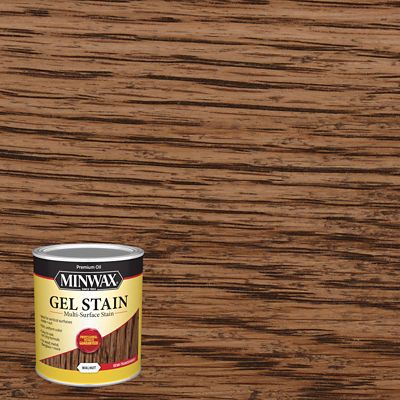
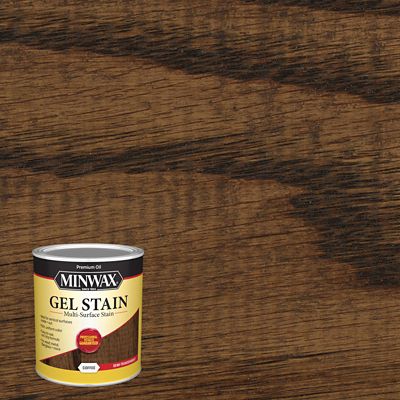
Gel stain has a thicker consistency and tends to sit closer to the wood's surface. Liquid stain is thinner and generally penetrates more readily into bare wood. Application methods vary, so check the stain label for directions that fit your door's surface.
Should a stained wood door match the surrounding trim?
It doesn't have to. A similar stain tone gives the doorway a coordinated look, while a contrasting door can stand out against painted or lighter wood trim. Keeping the undertones in the same warm or cool family can help tie it all together.
Best Sellers
-
"I do a lot of woodwork and this is hands down the best product that I have used thus far"
-
"I do a lot of woodworking/finishing and I have always thought it was the best"
-
"I do a lot of woodworking/finishing and I have always thought it was the best"
-
"Best applied in a super well ventilated area, as the chemicals are no good for you"
-
"This is the best I've found. It goes on smoothly, is easy to work with and dries quickly"