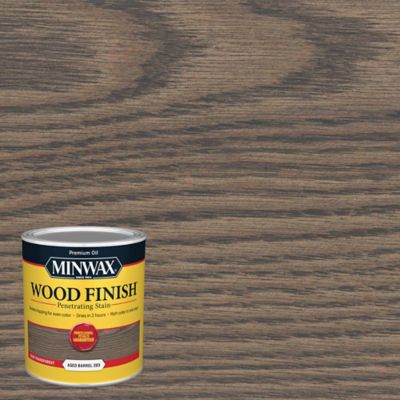
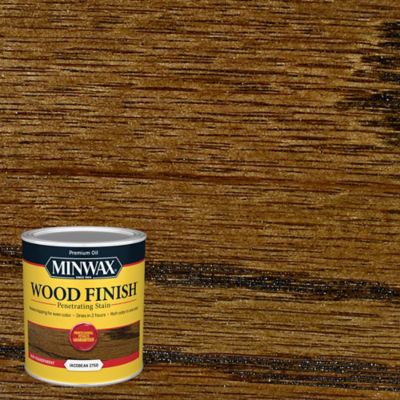
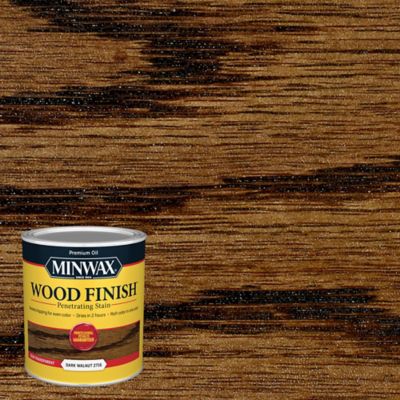
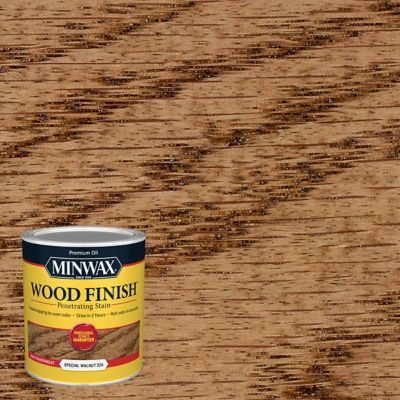
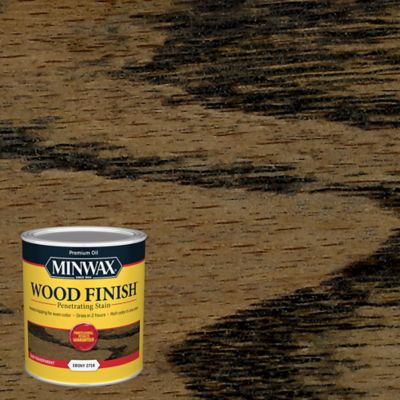
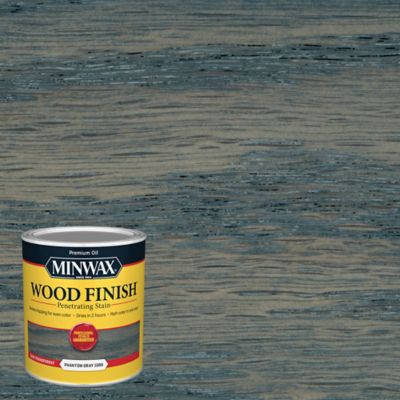
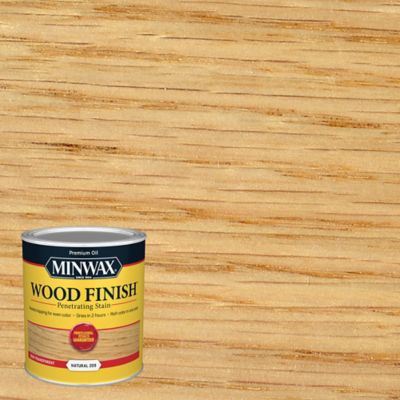
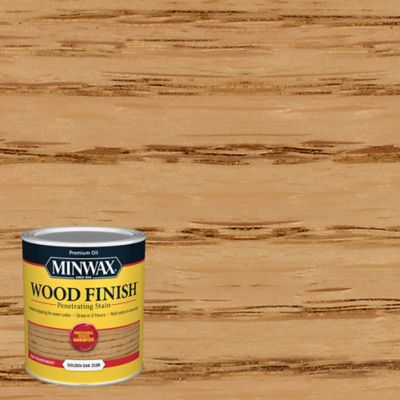
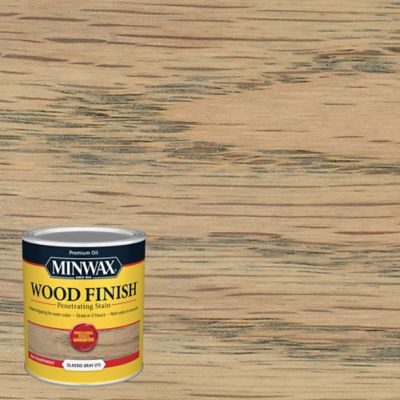
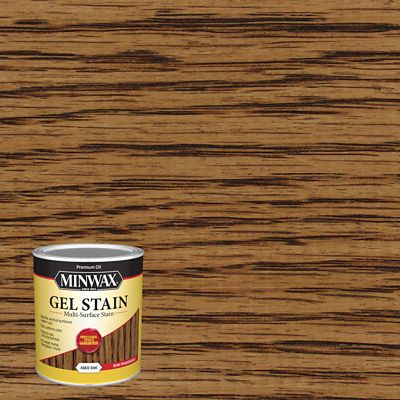
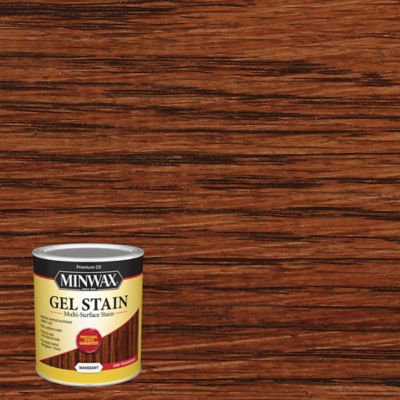
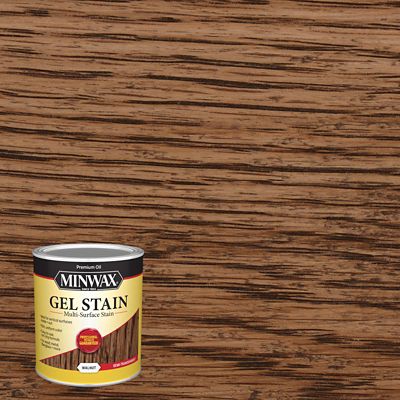
Wood stains for furniture bring out the grain that makes a solid wood table, bench, dresser or bookcase feel at home. Unlike paint, which generally covers the wood beneath it, stain adds color while leaving much of the grain pattern visible. That makes it a good fit for a farmhouse dining table with broad oak grain, a pine storage chest or a bedside stand that needs a different shade without losing its wood character. The best match depends on the wood species, the surface condition, the desired color and how the furniture fits into everyday life. Oak and ash have open grain that can stand out strongly after staining, while tighter-grained woods such as maple may take color less evenly. Pine can absorb stain unevenly, especially around knots and changes in grain direction, so a compatible wood conditioner may be worth considering. Veneered furniture brings another consideration: the thin layer of real wood can accept stain, but aggressive sanding can cut through it and expose the material underneath. Color names alone do not tell the whole story. A warm brown can look golden on one board and deeper or redder on another, and the existing color of the wood affects the finished shade. Testing on a hidden area or a scrap of the same wood gives a better sense of the result than a color swatch alone. Lighter shades tend to keep grain contrasts easy to see, while deeper browns and near-black tones can give a substantial piece a more settled look. End grain, repairs and exposed wood filler may absorb color differently from the surrounding surface. For furniture with several wood species or replacement parts, those differences matter as much as the stain color itself. Whether the project is a family table or a plain pine shelf for the mudroom, wood stains for furniture offer a way to change the color while keeping the material’s natural character in view.
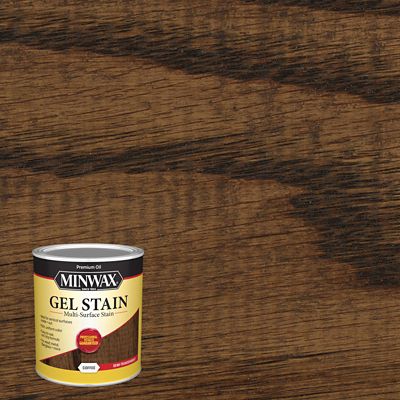
Oil-based, water-based, gel and spray-applied stains suit different furniture surfaces and working preferences. Oil-based wood stains commonly penetrate bare wood and emphasize grain, with a working time that can make it easier to spread color across a broad tabletop or dresser top. Many require mineral spirits or another label-specified solvent for cleanup, and their drying times can be longer than those of water-based formulas. Water-based wood stains often dry faster, have less odor and allow soap-and-water cleanup while the material is still wet. That quicker drying can be convenient for smaller furniture parts, though it also leaves less time to blend adjoining sections before lap marks appear. Water-based formulas can raise the grain, making the wood feel slightly rougher, so surface preparation and the directions for the particular formula matter. Gel stains have a thicker consistency that helps limit dripping on chair legs, cabinet-style furniture doors and other upright surfaces. They generally leave more color near the surface than thin penetrating stains, which can help with some woods that absorb liquid stain unevenly. Certain gel formulas are suitable over an existing finish after the preparation specified on the label, but that is not a feature of every gel stain. Aerosol wood stains can reach turned legs, rails and detailed woodwork without a brush, although overspray and uneven buildup still need attention. The label determines whether wiping is required and which surfaces are appropriate. Across these stain types, the furniture’s condition is a major part of the fit. Bare wood and a sealed surface do not absorb color the same way, and a penetrating stain generally cannot pass through an intact clear finish. A heavy coat also does not necessarily produce a better result; excess stain left on the surface can remain tacky and interfere with a later finish. Coverage estimates are helpful for comparing container sizes, but rough wood, absorbent end grain and multiple coats can change how much a project takes. Low odor does not eliminate the need for ventilation or the protective equipment listed on the label.
Stain supplies color, but it usually does not provide the wear protection that everyday furniture needs. A compatible clear topcoat helps protect the stained surface from handling, spills and abrasion, with the right choice depending on the furniture’s location and the finish manufacturer’s directions. A dining table sees sliding plates, damp glasses and frequent wiping, while a dresser may face more wear around drawer pulls and along the front edge. A hallway bench has its own demands from belt buckles, bags and boots brushing against the wood. Clear finishes come in different sheens, so the final appearance involves more than the stain shade. A satin finish can soften reflections and keep the grain prominent, while a glossier finish reflects more light and may make scratches or surface irregularities easier to notice. Stain needs to dry for the time specified before a compatible topcoat goes on, and a finish that feels dry may still need additional curing time before normal service. Interior furniture stains are intended for sheltered applications; a porch chair or outdoor bench needs a finish system labeled for that setting. Once the furniture is finished, coasters, felt pads and gentle cleaning help preserve the surface. Harsh cleaners, standing water and dragging heavy objects across a tabletop can damage the clear coat even when the stain beneath it still looks fine. For a kitchen table or freestanding hutch that shares a room with cabinetry,
Wood Stains For Kitchen Cabinets provides another place to compare stain options for coordinating the space. Matching undertones can help different wood species sit comfortably together without requiring an identical shade. Furniture refinishing also calls for attention to cleanup and storage. Oil-stain-soaked rags can ignite on their own, so handling and disposal must follow the label and local fire-safety guidance. With the wood species, formula, color and protective finish considered together, a stained piece can keep its grain on display while fitting the daily routines of the home.