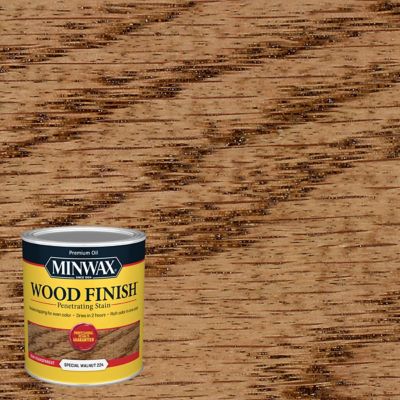
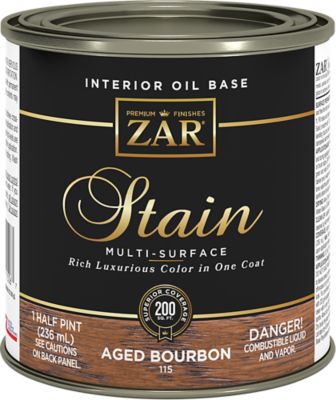
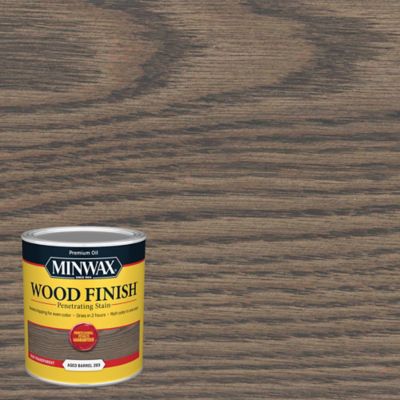
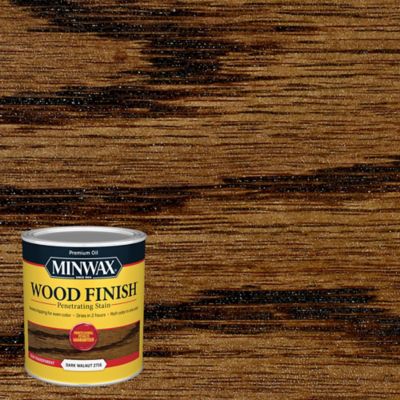
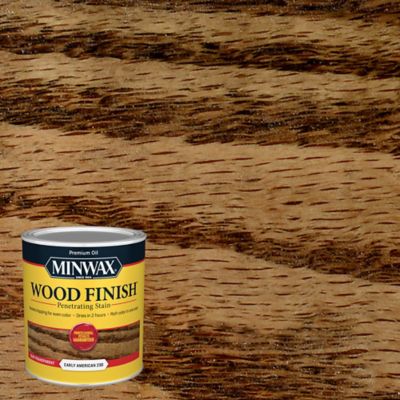
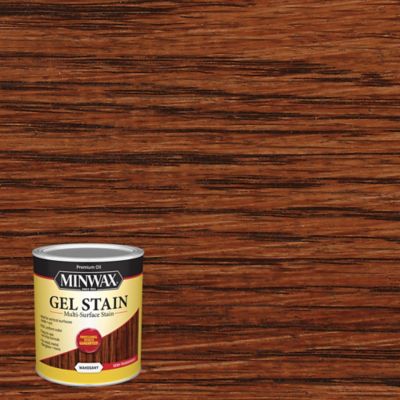
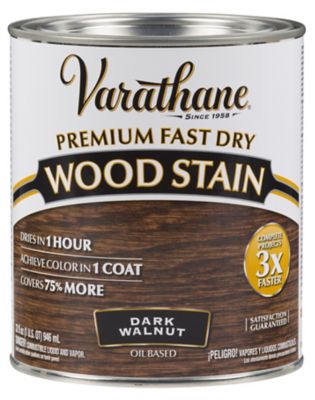
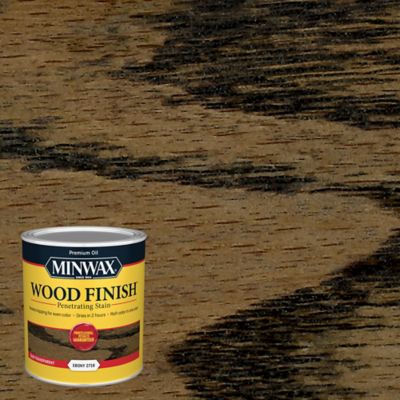
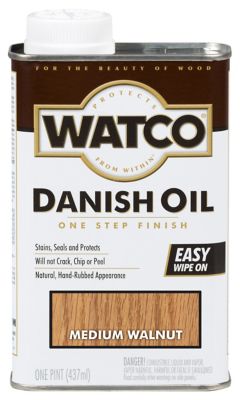
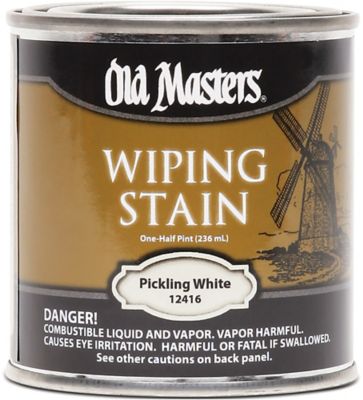
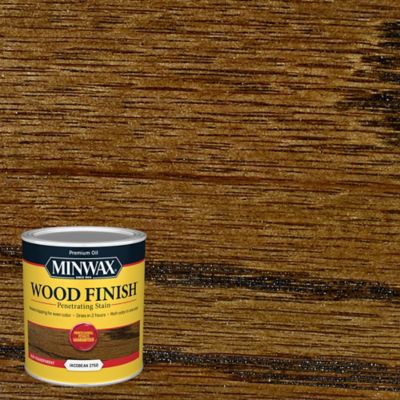
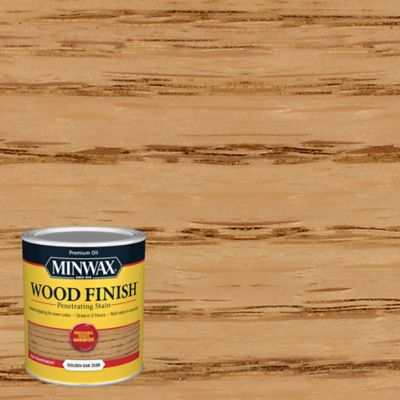
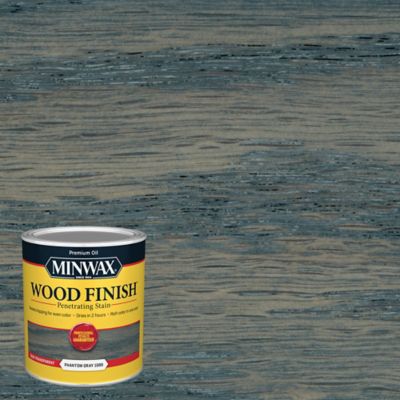
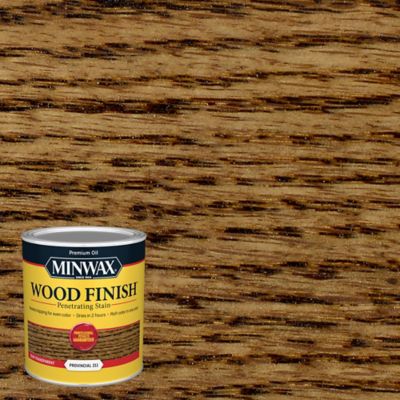
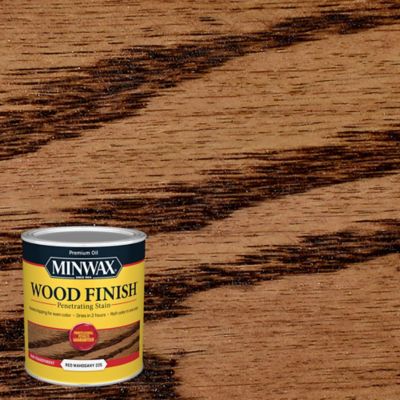
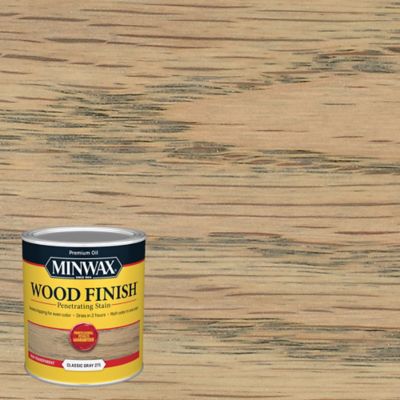
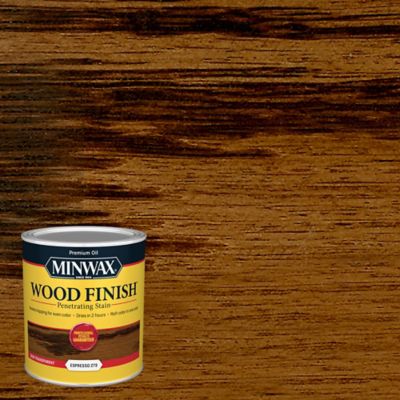
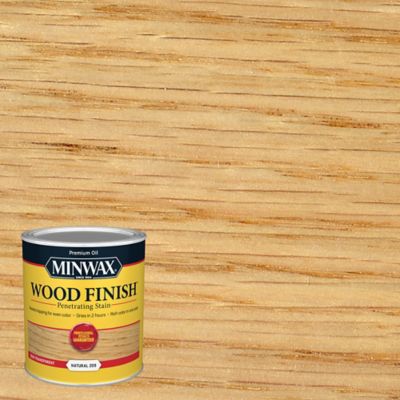
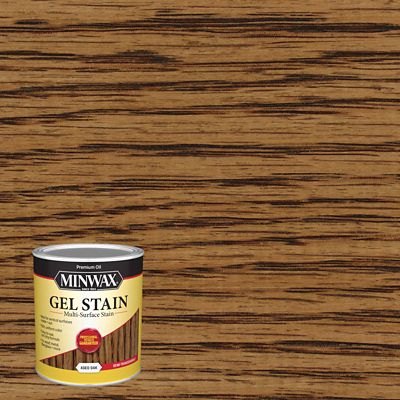
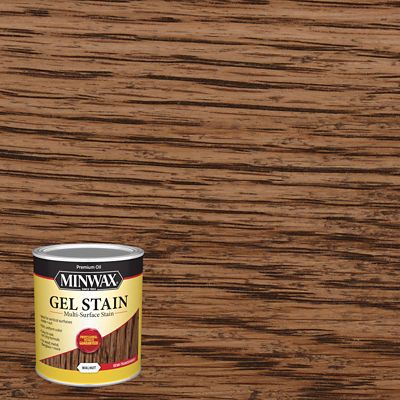
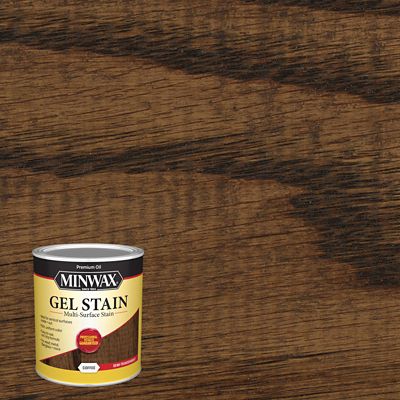
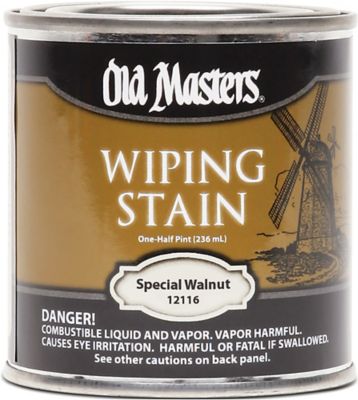
Wood stains for kitchen cabinets bring out the grain and give bare wood a different color without necessarily covering up its character. Light, medium, and dark stain colors can all work in a kitchen; the best match depends on the wood, the room’s lighting, and the surrounding floors, counters, and trim. Pale natural tones keep an oak door’s grain front and center, while honey and medium brown shades give cabinets a familiar, inviting feel. Deep brown, espresso, and charcoal tones create stronger contrast against light counters or walls. Neutral brown stains with restrained red or yellow undertones offer another direction, especially when several wood finishes share the same room. Gray and weathered-look colors can soften the appearance of some woods, though the final shade depends heavily on the wood underneath. A color that looks muted on maple may appear warmer or more pronounced on oak. For a kitchen with a broad run of upper and lower cabinets, grain visibility matters just as much as the color name: a transparent stain lets more variation show, while a more heavily pigmented formula can give the surface a more even appearance. Neither approach makes every board look identical. Knots, growth rings, and differences between cabinet doors remain part of the look, particularly on woods with strong natural markings. A sample on matching wood gives a better sense of the result than a color swatch alone, especially when viewed beside the countertop and flooring. The protective finish also affects the appearance, adding sheen and sometimes shifting the color toward amber. Stained cabinets suit everything from a busy farmhouse kitchen with a big worktable to a compact kitchen where lighter wood tones help the space feel open. Whether the project involves unfinished cabinet doors or bringing an older set back into service, the goal is a color and finish that fit the room without losing the wood’s natural appeal.
The cabinet material has a big say in how wood stain behaves. Oak’s open grain tends to show a pronounced pattern, while maple’s tighter grain can produce uneven color absorption. Pine, birch, and cherry may also develop darker patches where stain soaks in more readily. Cherry brings its own reddish undertones and can deepen in color with age and light exposure, so a stain sample represents a starting point rather than a promise that the shade will never change. Wood conditioners and other preparation products may help manage uneven absorption when they are compatible with the chosen stain. Solid hardwood doors, hardwood face frames, and thin wood veneers can respond differently, even when they belong to the same cabinet set. Veneer calls for particular care because aggressive sanding can cut through the wood layer. Laminate and thermofoil are not bare wood and generally will not accept a penetrating wood stain in the same way. An existing paint, varnish, or clear finish can also prevent stain from reaching the wood, making the starting surface an important part of product selection. Oil-based stains often allow more time for spreading and wiping, while water-based stains generally offer water cleanup and shorter drying times; the label gives the details for each formula. Gel stains have a thicker consistency that can help with application on vertical cabinet faces and some woods that absorb liquid stain unevenly. Their suitability for an existing finish depends on the manufacturer’s directions, not simply on their thickness. For cabinet doors with raised panels, narrow edges, and recessed corners, working time and application method matter because excess color can collect in those details. Stains intended for interior woodwork are the relevant category for kitchen cabinetry, with application requirements that fit the project’s workspace. Ventilation, recommended protective equipment, cleanup materials, and safe handling of stain-soaked rags all belong in that consideration. Some oil-based finishing materials can generate heat as they dry, so rag storage and disposal should always follow the product’s safety directions.
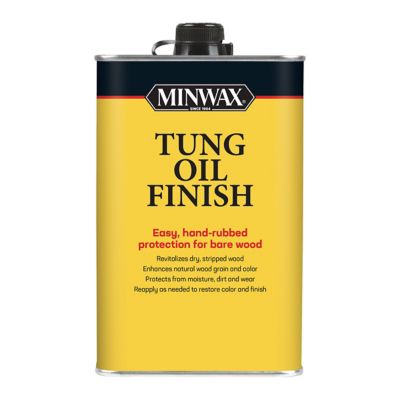
Kitchen cabinets take plenty of handling, from fingers around drawer pulls to splashes near the sink and grease around the cooking area. Stain primarily supplies color; unless the formula includes a protective finish, a compatible topcoat supplies the main barrier against moisture, spills, and everyday wear. Compatibility matters across the whole finishing system, including any conditioner, stain, sealer, and clear coat. The listed drying and recoating times help establish when one layer can accept another, while full curing may take longer than becoming dry to the touch. A finish that is ready for another coat is not necessarily ready for regular wiping or hard service. Satin and semigloss clear finishes are common considerations for cabinetry, with satin offering a softer reflection and semigloss making the grain and surface sheen more noticeable. Higher sheen can also draw attention to scratches and surface flaws. Resistance to water and household messes depends on the coating itself, not just how shiny it looks. Cabinet stain is not automatically suitable for butcher-block counters, cutting boards, or other direct food-contact surfaces; those applications call for finishes specifically labeled for that purpose. For the cabinets themselves, coverage estimates should account for door fronts, edges, drawer faces, exposed cabinet ends, and any other surfaces included in the project. Brushes, wiping cloths, and applicators need to suit the formula and the cabinet’s profile. Matching nearby woodwork can help a kitchen feel connected to the rest of the house, and
Wood Stains for Doors offers a related category when door finishes are part of that plan. Once the cabinet finish has cured, gentle cleaning with materials approved for that coating helps preserve its appearance. Promptly wiping up water and grease, avoiding abrasive scrubbers, and checking the areas around pulls and hinges can keep small signs of wear from becoming bigger repairs. A well-matched stain and protective finish let the wood remain a visible part of a hardworking kitchen.