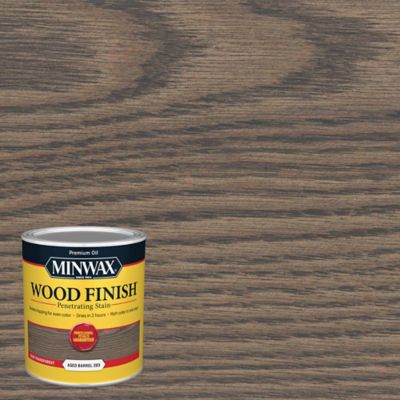
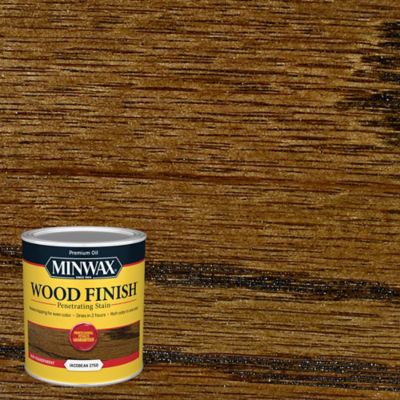
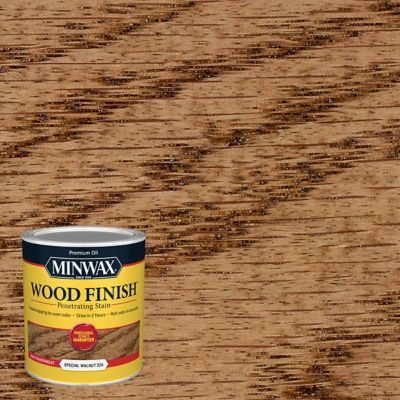
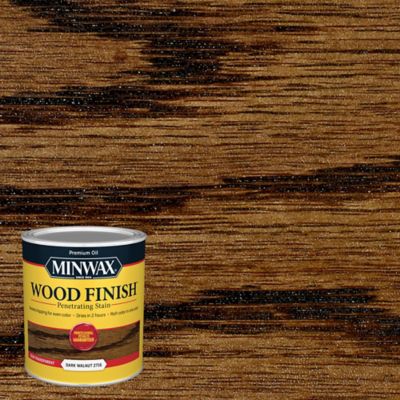
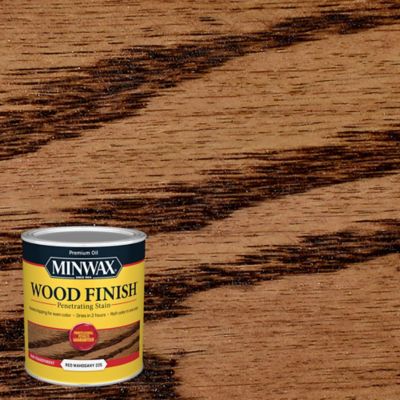
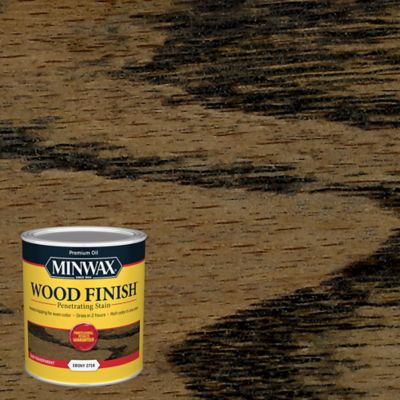
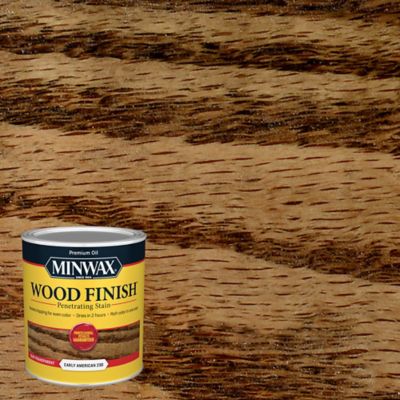
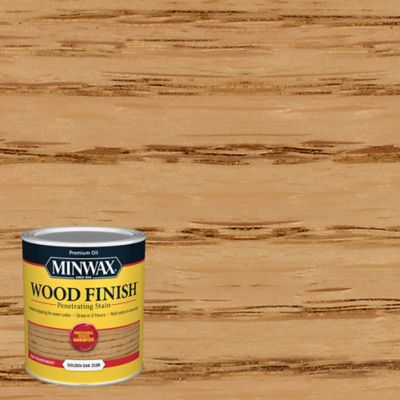
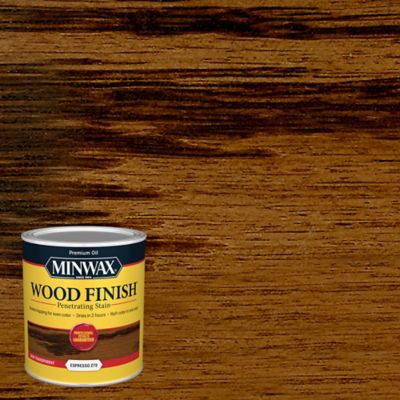
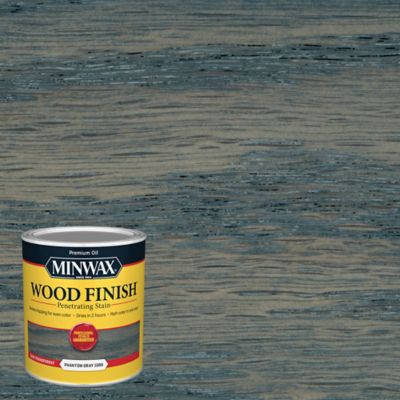
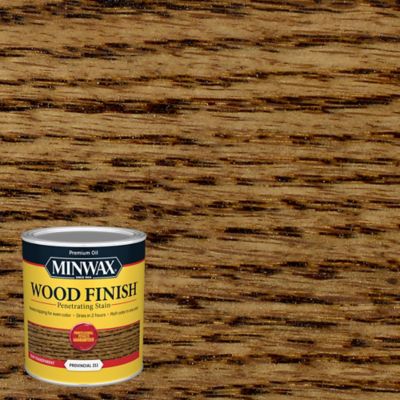
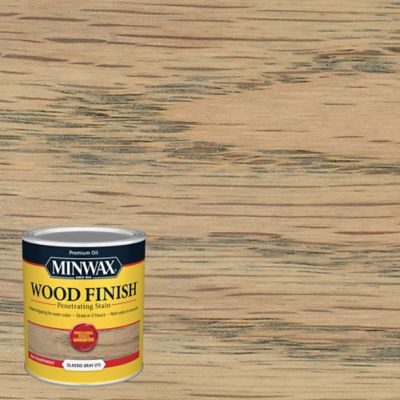
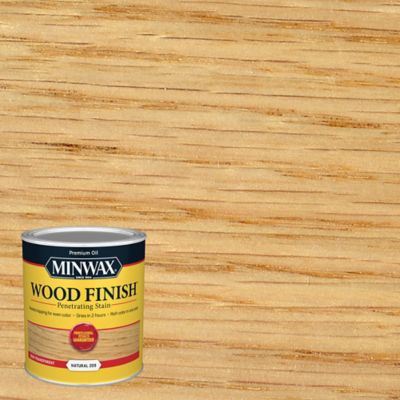
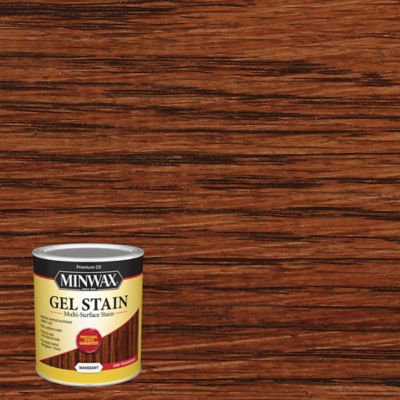
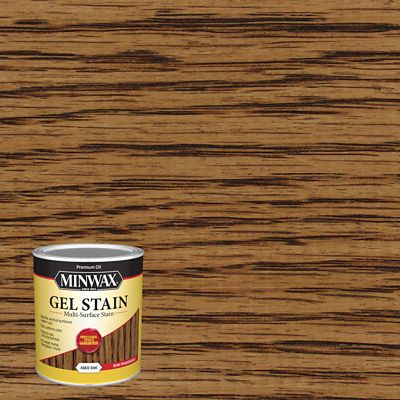
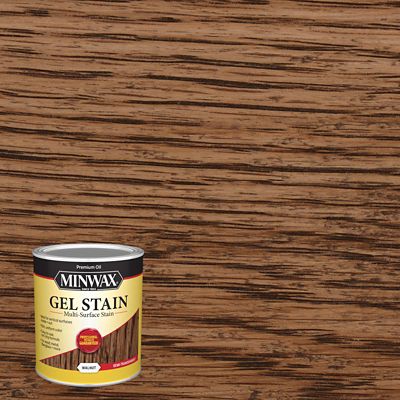
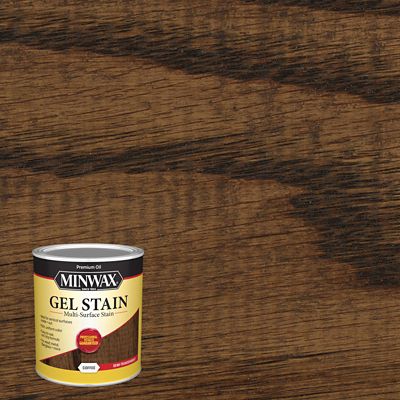
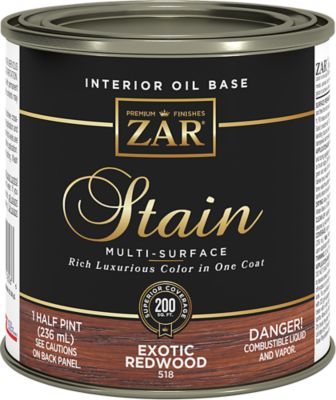
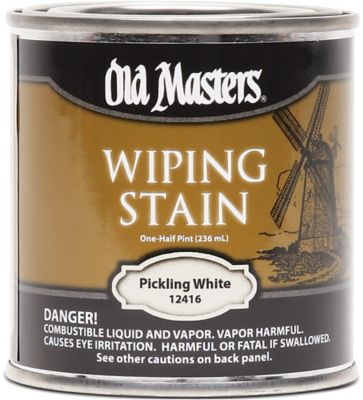
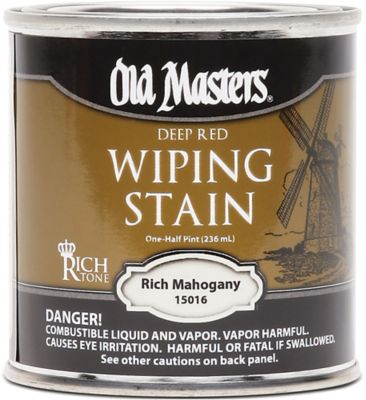
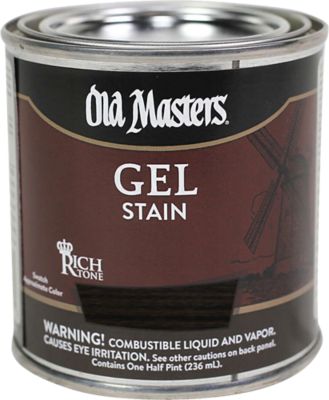
Wood stains for hardwood floors change the color of bare wood while keeping its grain part of the finished look. They can give a pale floor a deeper brown tone, soften the reddish cast of certain boards, or bring a more consistent appearance to flooring that runs through several rooms. Stain and floor finish do different jobs: stain supplies color, while a compatible protective finish provides the surface layer that stands up to footsteps, chair legs, and everyday spills. That distinction matters when comparing products for a farmhouse kitchen, a front hallway, or a living room with years of family traffic ahead. The wood itself has a big say in the result. Red oak often carries pink or reddish undertones beneath the stain, while white oak tends toward tan and brown. Maple has a tighter grain and can take color unevenly, and hickory’s naturally contrasting boards may still show plenty of variation after staining. Even boards of the same species can absorb pigment differently, so a color shown on a label is a starting point rather than a promise of the exact shade. A sample on matching wood, with the intended protective finish over it, gives a much better picture of the final appearance. Light stain colors keep grain and natural variation easy to see, medium browns can tie together cabinets and furniture, and deeper shades create a stronger contrast against painted trim. Dark floors may also make pale dust and scratches more noticeable, while very light shades can leave some marks easier to spot. Room lighting changes how a color reads, especially beside warm-toned cabinets or cool-toned walls. For a floor that stretches from the entry into the dining room, seeing the sample alongside those fixed features helps narrow the choice without trying to make every piece of wood in the house match exactly. The right shade lets the boards keep their character while fitting comfortably into the room.
Oil-based and water-based wood stains offer different working characteristics, and the best fit depends on the flooring, the planned finish, and how the job will be handled. Many oil-based stains offer a longer working time, which can be helpful across a broad room where a consistent color matters from one section to the next. Water-based stains often dry faster and may offer soap-and-water cleanup, although the product label is the place to confirm both claims. Neither base alone guarantees a particular color, drying time, or finished appearance. Pigment strength, wood absorption, application method, and the amount of stain remaining on the surface all affect the result. Faster drying can shorten a project, but it also leaves less time to blend adjoining sections; a longer working time gives more room for blending but may mean a longer wait before the next coating. Stains intended for hardwood floors should also be compatible with the protective finish planned for the job. A general wood stain is not automatically suitable for flooring, and an exterior stain meant for a fence or deck serves a different purpose. Existing floor condition matters just as much as the formula. Penetrating stains generally need bare, properly prepared wood rather than an intact sealed surface. Leftover finish, sanding scratches, glue residue, and fine dust can interrupt absorption and become more noticeable once color goes on. Some woods benefit from a conditioner or another preparation treatment when the stain manufacturer calls for it, but that extra product needs to fit the whole finishing system. Engineered hardwood brings another consideration: its real-wood surface layer may be too thin for another full sanding, so the flooring manufacturer’s guidance matters before a refinishing project begins. Homeowners handling the work themselves and flooring professionals alike benefit from clear application, drying, and recoating directions. Indoor-use instructions, ventilation requirements, and cleanup directions deserve attention, too. Oil-stain-soaked rags can pose a fire hazard, making the manufacturer’s handling and disposal directions an important part of the purchase.
A floor stain earns its place by delivering the desired color beneath a finish suited to how the room gets lived in. A quiet bedroom and a busy hallway do not face the same demands, and a kitchen floor near the back door may see grit from work boots, pet nails, and frequent spills. Those situations call for attention to the protective coating as well as the stain beneath it. Stain alone does not make hardwood waterproof or prevent dents, and even a well-finished floor needs everyday care. Regular removal of grit, prompt spill cleanup, and cleaners approved for the floor finish help preserve the surface without leaving residue that dulls its appearance. Furniture pads and mats with backing approved for the flooring can also help limit scuffs and tracked-in dirt. For a refinishing project, the amount of stain needed depends on the floor’s square footage, the stated coverage, and how readily the wood absorbs the formula. Rougher or more porous surfaces can change coverage, and additional coats should follow the product’s directions rather than serve as a shortcut to a darker shade. A test area is especially worthwhile when a homeowner wants to blend a repaired section with an older floor; a matching stain name does not necessarily recreate wood that has aged beneath an existing finish. Coordinating nearby woodwork can make the project feel more settled, too. The options covered in
Wood Stains for Doors provide a related starting point for entry doors and interior doors, though each surface needs a stain and protective finish suited to its own setting. A door and floor can share a warm brown tone without looking identical, particularly when their wood species differ. Across a single room or a whole house, the strongest choices account for the wood already there, the color wanted, and the wear expected, leaving a floor that feels at home beneath a kitchen table, beside a favorite chair, or along the path from the back door.