Wood Stains For Interior Doors
Find wood stains for interior doors to refresh their color while letting the grain show through. Browse stain options with your door’s wood type and existing finish in mind, and check each label for surface prep, application steps, and whether a protective topcoat is needed.
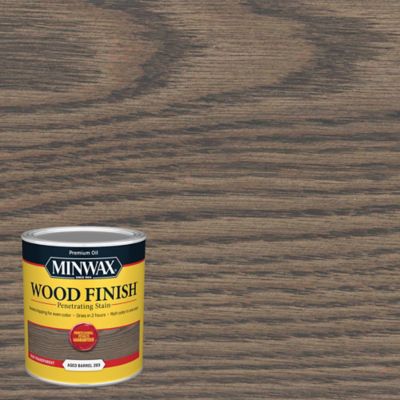
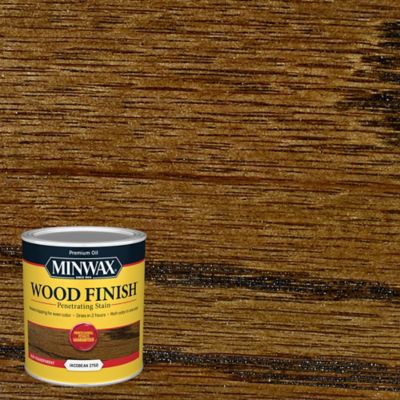
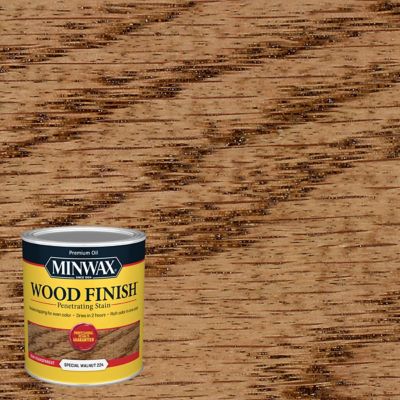
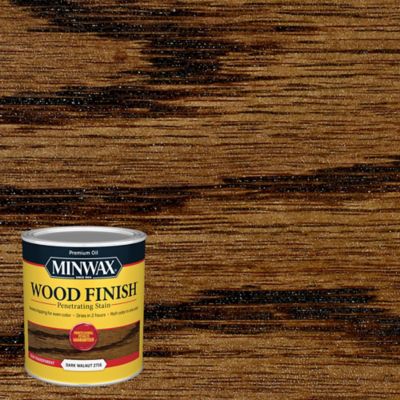
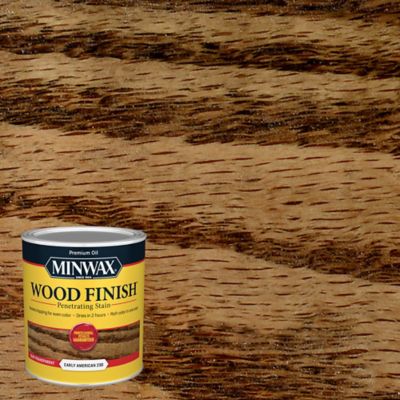
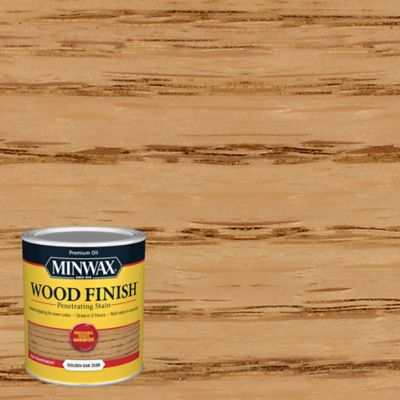
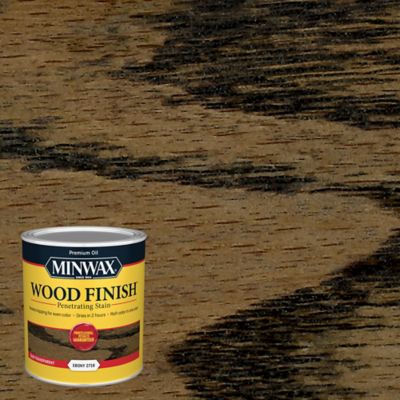
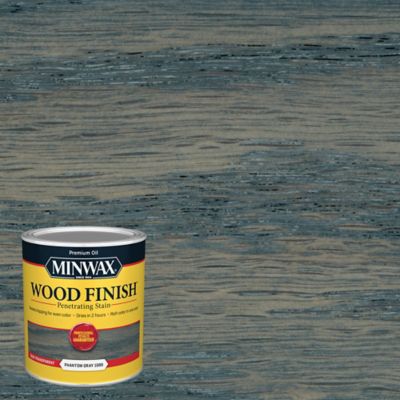
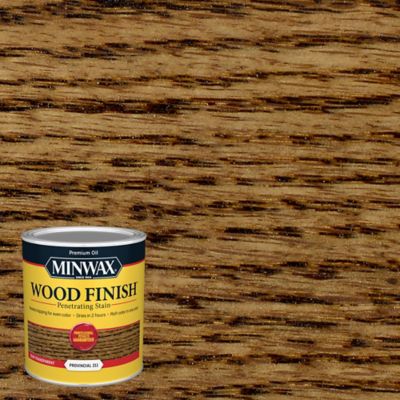
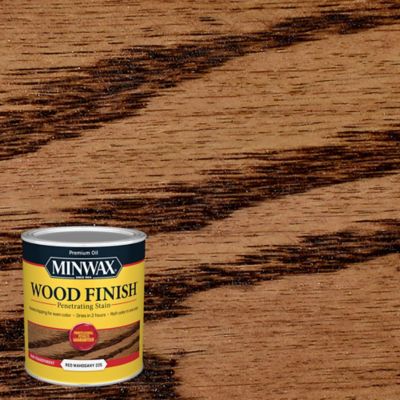
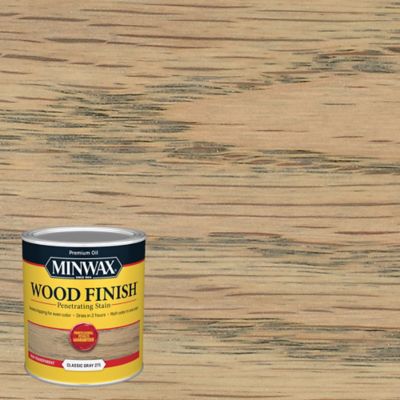
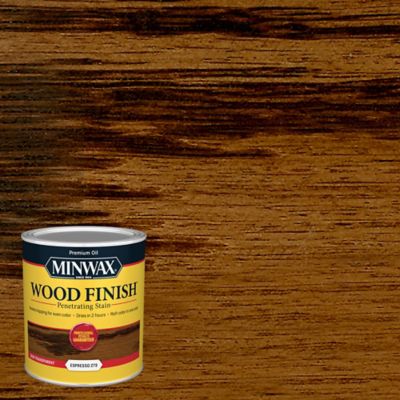
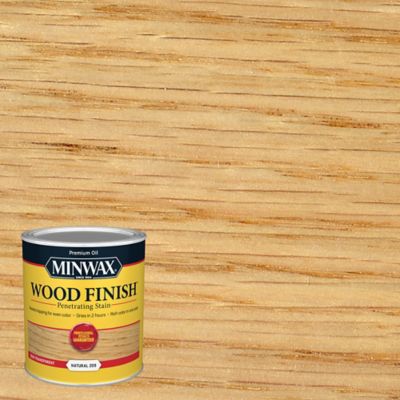
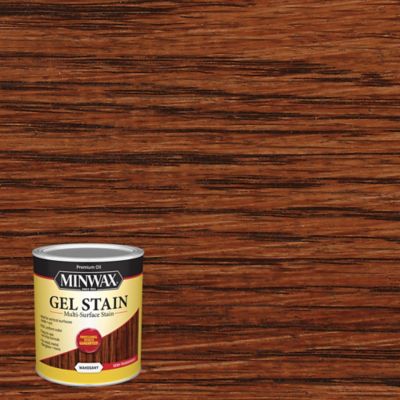
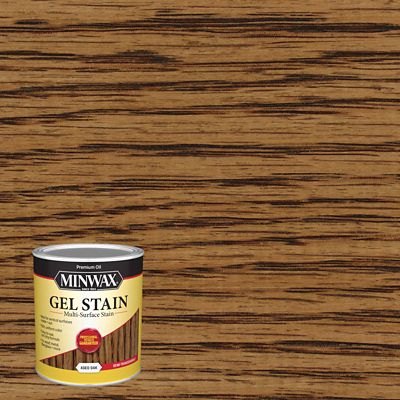
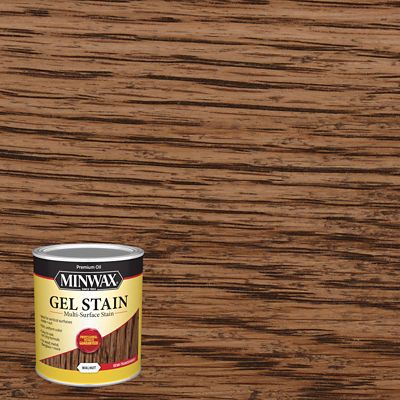
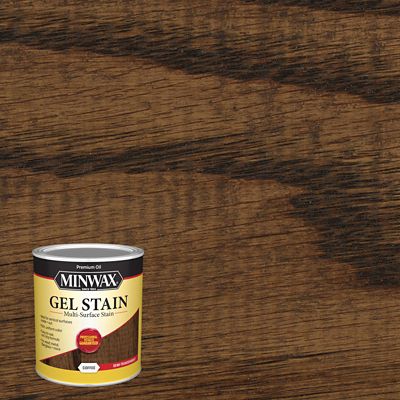
$13
.49
Sale Was $14.99 Save $1.50 (10%)
$17
.99
Sale Was $19.99 Save $2.00 (10%)
Best Of FAQ
What’s the difference between wood stain and paint for interior doors?
Wood stain adds color while letting the wood’s grain show through. Paint generally covers the grain with a solid color. Stain is a good fit when you want the natural character of a wood door to be part of the room.
How do I choose a wood stain color for an interior door?
Start with the tones in your flooring, trim and furniture. You can keep the door in the same color family or pick a contrasting shade. The wood’s natural color and grain affect the final look, so test the stain on matching scrap wood or an out-of-the-way spot before tackling the whole door.
What’s the difference between oil-based and water-based interior wood stains?
Oil-based stains generally offer more working time, while water-based stains typically dry sooner and clean up with soap and water. Water-based stain can also raise the wood grain. Check the label for preparation, cleanup and finish compatibility before you get started.
How should an interior door be prepared for staining?
Check whether the door is bare wood, painted or already finished. Traditional penetrating stains generally need bare wood, so an existing coating may need to come off first. Follow the stain label’s sanding directions, remove sanding dust and leave the surface clean and dry. For a veneer door, take care not to sand through the thin wood layer.
Does wood stain determine whether an interior door looks matte or glossy?
With a separate stain and clear finish, the stain sets the color and the clear finish sets the sheen. Matte and satin finishes have a softer look, while gloss adds more shine. Some stain-and-finish combinations include both in one coating, so check the label for the stated sheen.
Best Sellers
-
"I love the oil stains because I can put on even coats of stain with a rag it is easy to use and then"
-
"I do a lot of woodworking/finishing and I have always thought it was the best"
-
"I do a lot of woodworking/finishing and I have always thought it was the best"
-
"Best applied in a super well ventilated area, as the chemicals are no good for you"
-
"This is the best I've found. It goes on smoothly, is easy to work with and dries quickly"