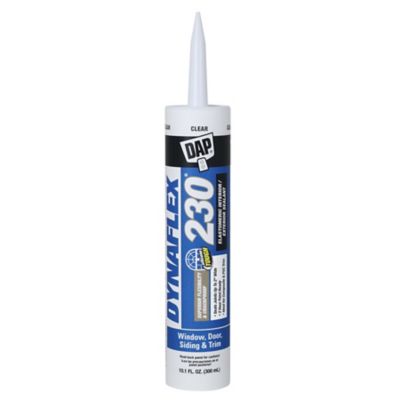
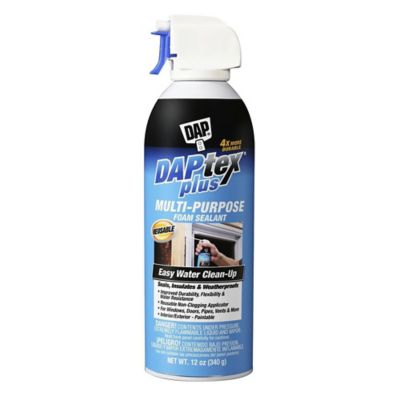
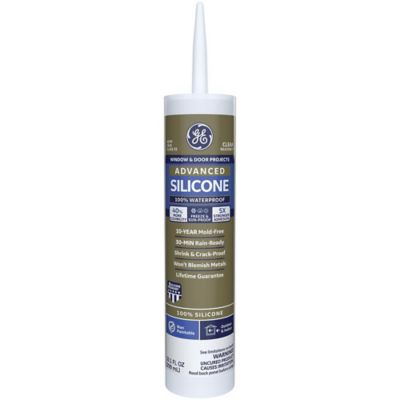
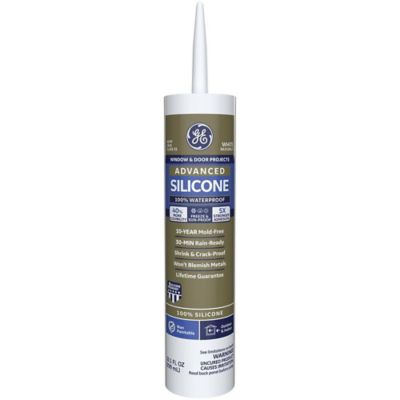
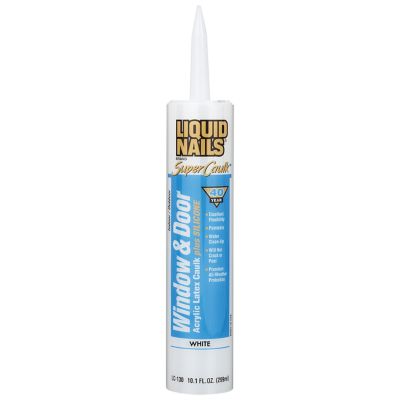
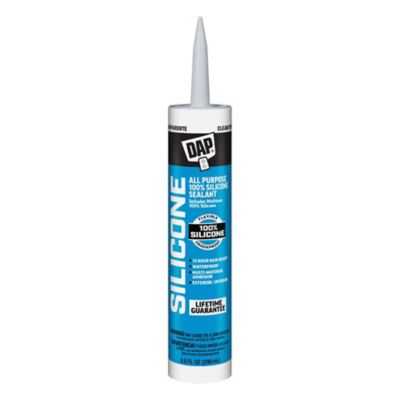
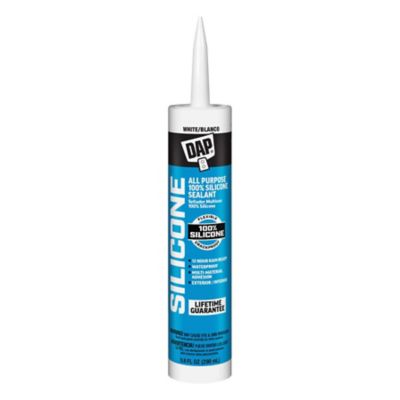
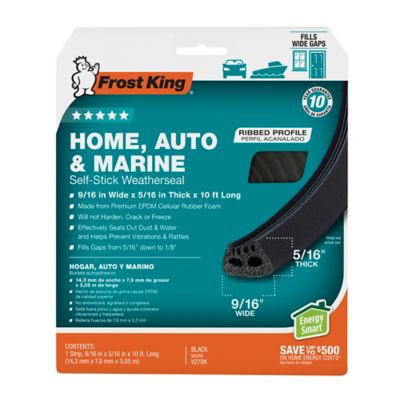
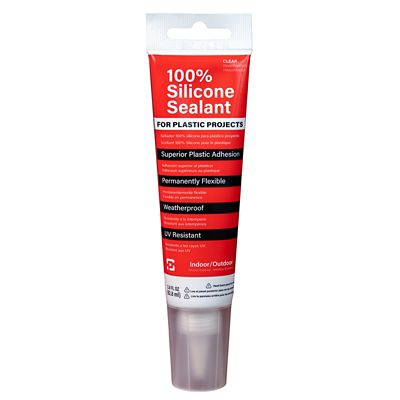
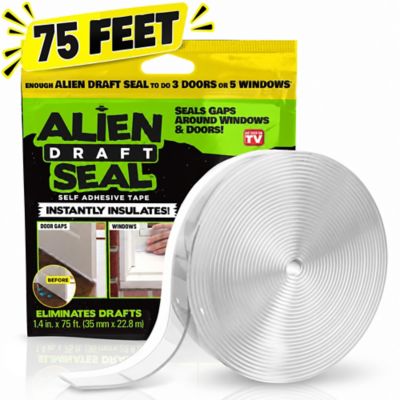
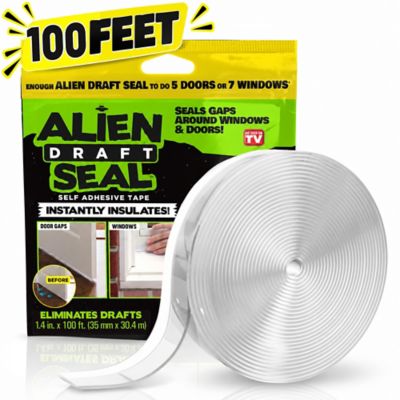
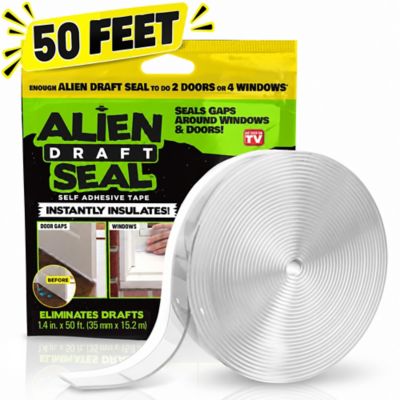
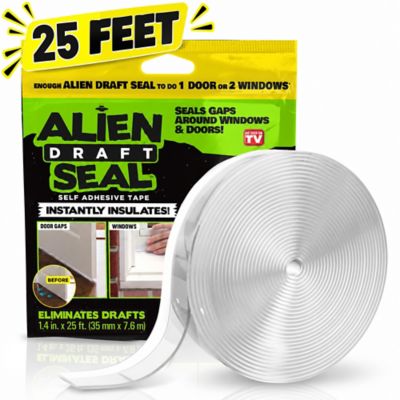
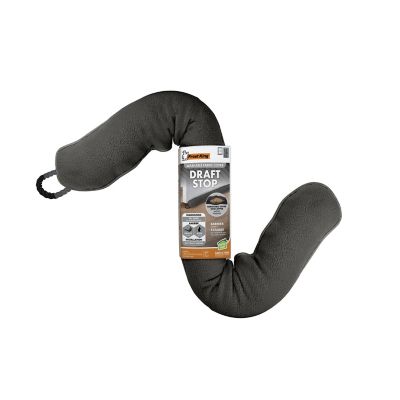
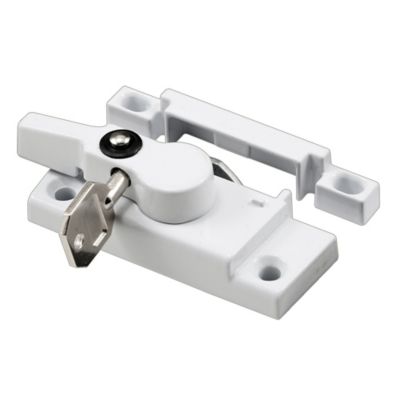
Window seals help close the gaps around a window sash and frame, limiting drafts, windblown dust, and moisture intrusion at those joints. A good fit can make a farmhouse kitchen, a room over the garage, or an enclosed workshop more comfortable without getting in the way of opening and closing the window. These seals also help reduce unwanted air exchange, which can ease the load on heating and cooling equipment when leaky window joints are part of the problem. The term covers several kinds of sealing materials, including compressible foam tape, rubber weatherstripping, and flexible strips that press against a moving sash. Each serves a different purpose, so the location and shape of the gap matter more than simply choosing the thickest material. A narrow joint along a sliding sash calls for a different profile than a wider space beneath the bottom rail of a double-hung window. Sealing around the movable parts of a window is also different from filling a stationary crack between the window frame and the surrounding wall. Weatherstripping is generally meant to maintain contact while allowing movement; an appropriate caulk or sealant fills certain fixed joints. Neither is a substitute for repairing a rotted sill, a loose frame, or hardware that no longer pulls the sash into position. There is another important distinction behind the name: the perimeter seal on an insulated glass unit holds the panes together and helps protect the space between them. Persistent fog or condensation between double panes can point to failure of that sealed unit, while a draft felt along the sash more often points to an air leak around the moving assembly. Surface condensation on the room-facing glass is a separate issue and does not, by itself, mean the insulated glass seal has failed. Replacement weatherstripping may address sash gaps, but it will not restore a failed seal between glass panes.
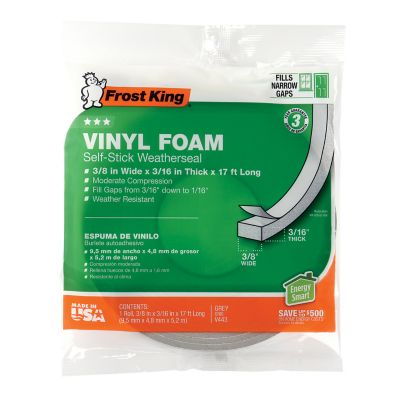
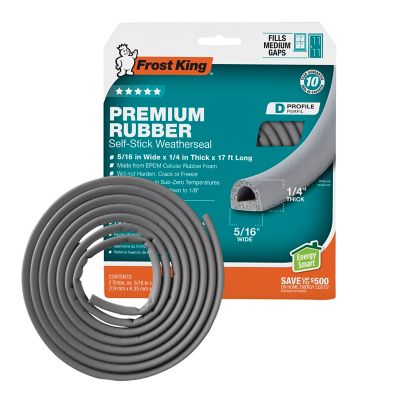
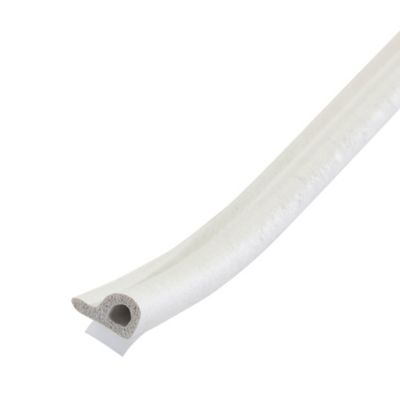
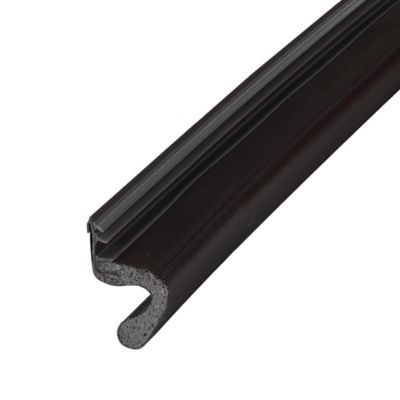
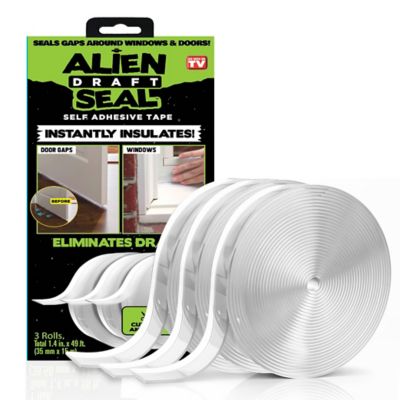
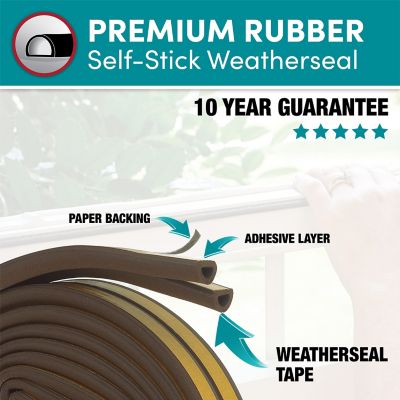
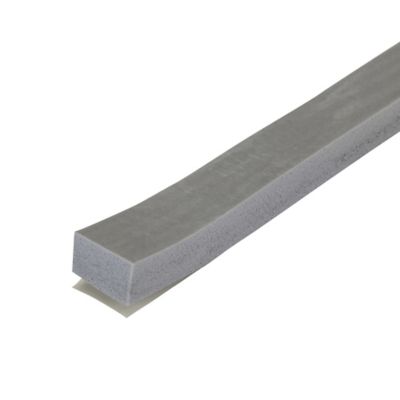
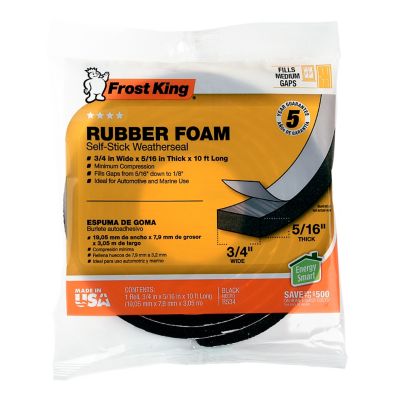
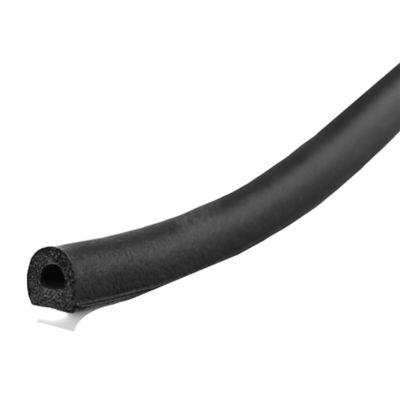
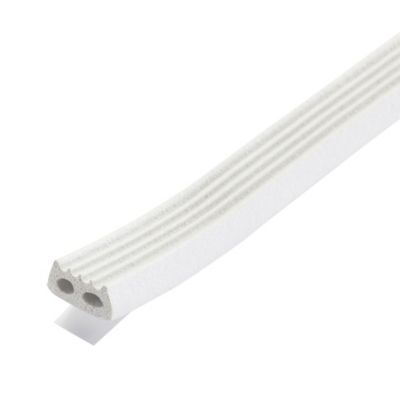
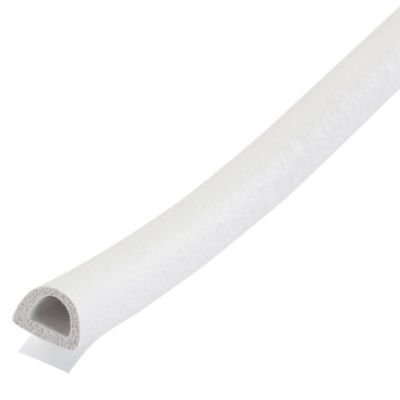
Material and profile play a big part in how window seals perform over time. Foam weatherstripping compresses to fill small, fairly even gaps and often has an adhesive backing for attachment to a suitable surface. Closed-cell foam generally resists water absorption better than open-cell foam, though the material’s stated application still matters. Rubber seals, including EPDM profiles, offer flexibility and resistance to outdoor exposure when made for that setting. Silicone rubber can remain flexible across a broad temperature range, while vinyl profiles vary in stiffness and suitability depending on their construction. A V-shaped tension strip folds along its length and presses against the adjoining surface, making it an option for certain narrow joints along window sashes. Hollow bulb profiles compress when the window shuts, and finned pile weatherstripping is common in some sliding assemblies where the sash needs to travel past the seal. These shapes are not interchangeable just because their overall width looks similar. The mounting channel, contact surface, and amount of compression all affect whether a replacement fits. For seals that press into a groove, the attachment foot must match the groove as well as the exposed profile matching the gap. Adhesive-backed strips need enough flat surface to bond, and their width should stay clear of tracks, locks, and other working parts. Too much thickness can leave a sash hard to latch or put strain on the hardware; too little can leave the same air path open. An uneven gap may also signal a sash alignment problem rather than a need for thicker weatherstripping. For shoppers comparing sealing applications beyond windows,
Gasket Seals covers a related category, although window applications still require the right dimensions, mounting style, and material compatibility. Matching the original seal’s cross-section and checking the window manufacturer’s specifications helps narrow the choice without relying on appearance alone.
Everyday use matters just as much as the material on the label. A window opened each morning above the kitchen sink needs a seal that tolerates repeated movement, while a seldom-opened window in a storage room may spend long stretches with its weatherstripping compressed. Along a gravel drive, dust can collect in the tracks and rub against sealing surfaces each time a sash moves. In a workshop, sawdust and grit can cause similar trouble, so keeping those contact areas clean helps the window operate smoothly and limits unnecessary abrasion. Gentle cleaning with a method approved for the frame and seal material is generally a better fit than strong solvents, which can harm some rubbers, plastics, finishes, or adhesive bonds. Adhesive-backed weatherstripping also depends on a clean, dry, sound mounting surface; flaking paint and leftover adhesive can keep a new strip from making full contact. Application temperature, curing time, and surface restrictions vary, making the package directions important even when the job looks straightforward. Outdoor-facing seals need resistance to sunlight, moisture, and temperature changes, while seals near frequently handled hardware must stand up to rubbing and repeated compression. Cracking, hardening, torn edges, peeling adhesive, and a flattened profile that no longer springs back are common signs that a seal is losing its ability to close the gap. A sound seal should make steady contact without bunching at corners or blocking the window’s drainage openings. Those small drain paths help water escape from the assembly and should stay open rather than being packed with extra material. For homeowners, property caretakers, and folks keeping a farm office or enclosed outbuilding in working order, the practical goal is a window that closes snugly, latches normally, and still opens when needed. Window seals can help control drafts and dust at the joints they are designed to protect, but they cannot make an unheated building comfortable on their own or correct every source of water entry. The best match supports the window’s original operation, suits the exposure, and holds its shape through everyday opening and closing.